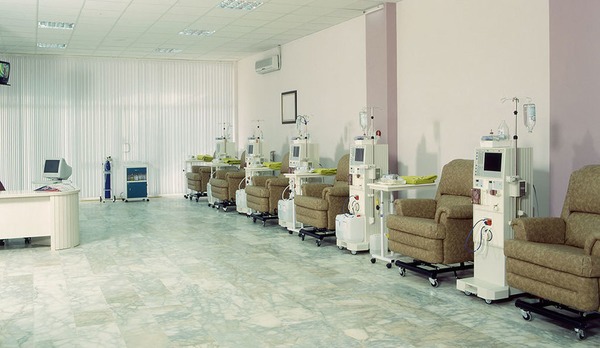
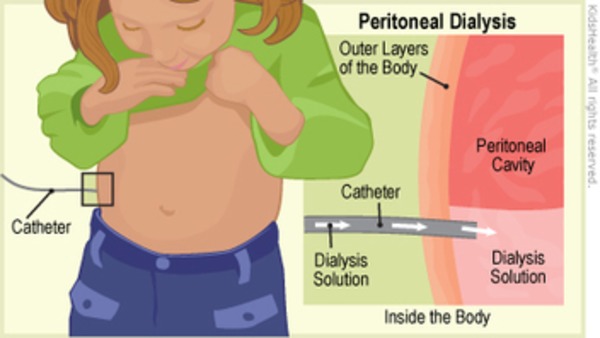
Peritoneal dialysis (PD) is a treatment that uses the peritoneum as an exchange membrane and is an alternative to HD for the motivated, relatively healthier and well-supported patient
The main pro of PD includes improved autonomy but can be hard to maintain the required high level of engagement beyond 10 years
As the PCP, don’t forget these patients DO need antibiotic prophylaxis prior to most procedures, especially those involving the GI, GU and dental systems.
This study reviews and characterizes both the prescription and non-prescription medication prescribed to HD patients and PD patients in BC. Pill burden in both groups is high, as is the prescription of PIMs. Patients receiving maintenance HD receive more overall medications and more PIMs. These results highlight areas of opportunities for future systematic and patient-informed deprescription initiatives in both patient groups.
Bioelectrical impedance analysis (BIA) devices can help assess volume overload in patients receiving maintenance peritoneal dialysis. However, the effects of BIA on the short-term hard end points of peritoneal dialysis lack consistency. This study aimed to test whether BIA-guided fluid management could improve short-term outcomes in patients on peritoneal dialysis.
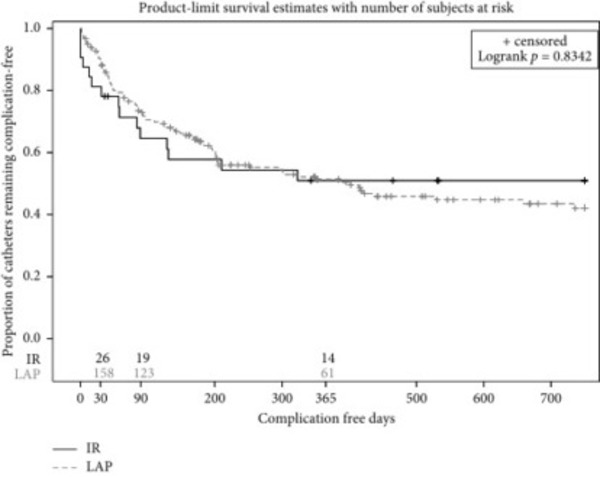
In conclusion, apart from catheter leak, there were similar rates of catheter complication and removal for PD catheter used for the elective-start compared to the urgent-start PD. Furthermore, the technique of placement did not affect the outcomes.
Peritoneal dialysis (PD) is the dialysis modality of choice for many regions. The application of innovative technology has led to the development of new PD devices that reduce the environmental and economic costs of the therapy, as well as miniaturized devices that provide greater freedom for patients.
We report an observation demonstrating the presence of the virus in the peritoneal dialysis drainage fluid of a COVID-19 patient. This underlines the importance in COVID-19 patients of considering dialysis fluid as a possible source of contamination.
Peritoneal dialysis (PD) is currently underutilized in the United States (US), even within resource‐rich neighborhoods. We analyzed data from US Renal Data Service to determine PD utilization within the US, New York State (NYS), selected boroughs within New York City (NYC), and Boston, Massachusetts. We then compared the odds of selecting PD with hemodialysis (HD) and analyzed how diabetes mellitus status, age >65 years, gender, and race influenced PD utilization between 2010 and 2016.
An important problem that hampers PD proliferation is limited technique survival, with only ~50% of patients remaining on PD after 2 years (Mehrotra et al., 2009). The reasons for technique failure can be multiple and of different nature. Among those, adverse remodeling of the peritoneum is a significant problem as it may result in the inability of the peritoneal membrane to sustain effective ultrafiltration and toxin removal. This scenario is often a consequence of peritoneal infection. Thus, peritonitis became one of the key topics and drivers of research in PD.
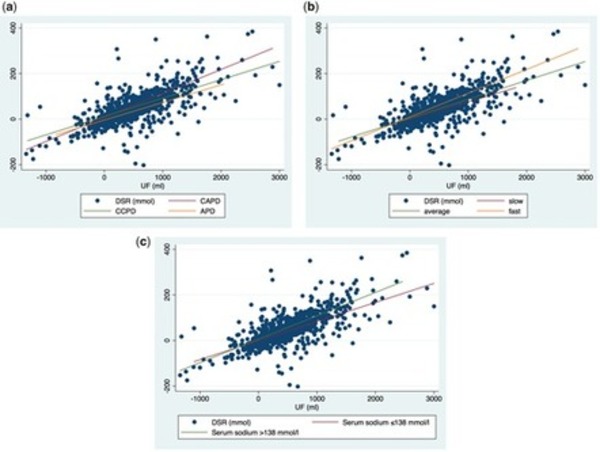
CAPD, fast transport and high serum sodium allow relatively more sodium to be removed compared with water. Icodextrin has no effect on sodium removal once confounders have been accounted for. Although widely used in the assessment of PD patients, UF should not be considered as a surrogate for DSR in clinical practice.
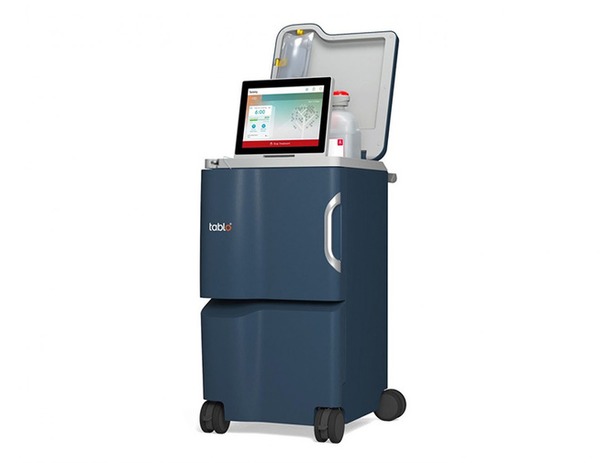
Touted by Outset as a “dialysis clinic on wheels,” Tablo is designed to reduce dialysis cost and complexity. The device needs only an electrical outlet and tap water to operate, as it includes water purification and dialysate production on demand. A touchscreen tablet guides the user through setup and treatment, and it can also upload data to the cloud for clinician access. Tablo features automated self-cleaning, an integrated blood pressure cuff, and treatment duration flexibility ranging from 30 minutes to 12 hours.
A resistance and cardiovascular exercise program appears feasible and safe for PD patients. We recommend that providers of peritoneal dialysis therapy consider including exercise programs coordinated by exercise professionals to reduce the physical deterioration of PD patients.
This video discusses the indications and benefits of peritoneal dialysis. Review includes placement of peritoneal catheters, how the peritoneal membrane and dialysate function to remove fluid and waste by-products through ultrafiltration and solute diffusion, as well as the potential complications of peritoneal dialysis catheters. This includes peritonitis, pericatheter leakage, outflow obstruction, abdominal wall hernias, cuff extrusion, and bowel perforation. A link to the AV fistula video to discuss alternative methods of hemodialysis can be found here (https://youtu.be/XgFAwEVxaEg).
The decision aid improves decision-making outcomes immediately after use. Implementation of the decision aid in clinical practice may allow further assessment of its effects on patient engagement and empowerment in choosing a dialysis modality.
This guideline has been written with the focus on the person doing PD. It is proposed that dialysis delivery should be 'goal-directed'. This involves discussions between the person doing PD and the care team (shared decision-making) to establish care goals for dialysis delivery. The aims of these care goals are (1) to allow the person doing PD to achieve his/her own life goals and (2) to promote the provision of high-quality dialysis care by the dialysis team.
Peritoneal dialysis (PD) is a method of dialysis that uses dialysis solution and the inner lining of the abdomen to drain blood when the kidneys are not functioning efficiently. This method is mostly performed at home and principally works to remove excess waste products and fluid from the blood. ESRD (End-stage renal disease), which is generally known as kidney failure, is a significant factor for the growth of the market. Diabetes is the most usual cause of ESRD, whereas high blood pressure is the second most common cause of ESRD. High blood pressure and diabetes are the most common chronic disease among the global population, and a shortage of kidneys for transplantation due to stringent regulations regarding kidney transplantation in several countries are some of the factors that are responsible for stimulating the market growth globally.
Although we were unable to show statistically significant differences in the primary outcome in our RCT, pooled meta-analysis results suggest that coiled catheters may be more prone to migration and resultant dysfunction.
Researchers at the University of Limerick (Ireland) and Royal Preston Hospital (Fulwood, United Kingdom) conducted a systematic review of studies to compare mortality between in-center HD and PD, identifying 214 citations within 17 cohort studies between the years 1993 and 2014. They then undertook a subsequent meta-regression analysis to explore factors that could account for between-study variation.
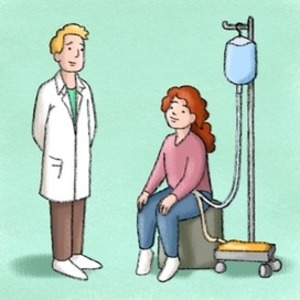
Peritoneal dialysis is a medical treatment that uses the lining of the belly as a natural filter to take waste and extra water out of the blood. It can take over this job when the kidneys can't do it.
San Francisco-based startup Cloudcath has raised a $12 million series A round to support commercialization of its first product that enables remote, real-time monitoring for at-home peritoneal dialysis patients. The expectation is that the notifications it offers to health care providers will enable earlier intervention to avoid complications, including infection. The Cloudcath system is pending U.S. FDA clearance.
This study provides the first characterization of the peritoneal microbiome in ESKD patients, bringing new insight to the human microbiome. Additionally, PD therapy may induce changes in this unique microbiome. The clinical relevance of these observations should be further explored to uncover the role of the peritoneal microbiome as a key element in the onset or aggravation of infection in ESKD patients, especially those undergoing PD.
“PD is internationally less costly compared with in-center HD, and is cost effective even if patients revert to in-center HD due to technical failure within 1 year. Therefore, our results suggest we have to focus on non-inferiority of PD within early transition (within 12 months) rather than HHD superiority beyond 12 months of vintage,” Dr Kalantar-Zadeh’s team stated.
BEEYOND is a consulting company in the field of disruptive innovation, accompanying established companies on out-of-the-core growth strategy, from creation of new concepts to product launch. Reach us at: contact@beeyond.fr.
To get content containing either thought or leadership enter:
To get content containing both thought and leadership enter:
To get content containing the expression thought leadership enter:
You can enter several keywords and you can refine them whenever you want. Our suggestion engine uses more signals but entering a few keywords here will rapidly give you great content to curate.

 Your new post is loading...