Your new post is loading...

|
Scooped by
Beeyond
July 23, 2020 4:21 AM
|
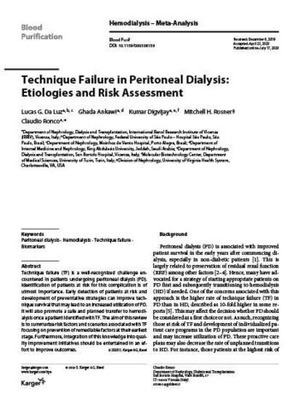
Technique failure (TF) is a well-recognized challenge encountered in patients undergoing peritoneal dialysis (PD). Identification of patients at risk for this complication is of utmost importance. Early detection of patients at risk and development of preventative strategies can improve technique survival that may lead to an increased utilization of PD. It will also promote a safe and planned transfer to hemodialysis once a patient identified with TF. The aim of this review is to summarize risk factors and scenarios associated with TF focusing on prevention of remediable factors at their earliest stage. Furthermore, integration of this knowledge into quality improvement initiatives should be entertained in an effort to improve outcomes.
|
|
Scooped by
Beeyond
July 23, 2020 4:20 AM
|
Fifty five percent of our sample started PD less than 72 hours after catheter insertion. The lack of difference in the measured outcomes compared to patients that had therapy initiated after this period encourages the use of urgent PD when needed.
|
|
Scooped by
Beeyond
July 23, 2020 4:20 AM
|
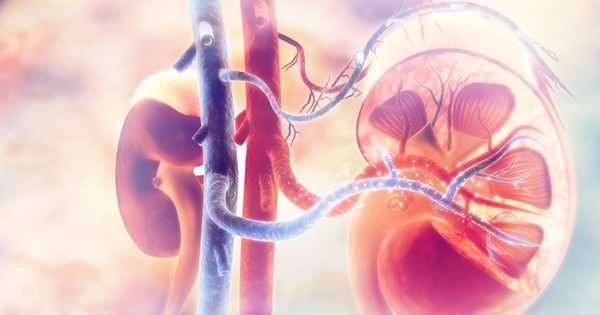
With chronic kidney disease, it may become necessary to eventually replace the kidneys. This is yet another major hurdle for patients. Worldwide, there is a severe shortage of organs and wait times can last for years. Peritoneal dialysis offers a better interim solution for those who are on such waiting lists.
|
|
Scooped by
Beeyond
July 20, 2020 4:27 AM
|
Intraperitoneal nebulization of ropivacaine reduced postoperative pain, fentanyl consumption, referred shoulder pain, and PONV while enabling earlier mobility without any difference in the length of hospital stay.
|
|
Scooped by
Beeyond
July 20, 2020 4:05 AM
|
Peritoneal dialysis (PD ) effluent is normally transparent. A change in its appearance may be the first indication of an intra‐ or extraperitoneal abnormality which may or may not be related to the peritoneal dialysis technique itself. What diagnosis should be considered when PD effluent turns on red, orange, cloudy, milky white, green, yellow, purple or black in color? After review of the literature, we propose a differential diagnosis, as well as some management recommendations, for specific abnormal color presentations of the PD effluent.
|
|
Scooped by
Beeyond
July 15, 2020 6:31 AM
|
Peritoneal dialysis provides a variety of benefits over hemodialysis, making it the ‘ideal’ mode of renal replacement therapy for patients prior to kidney transplantation, according to researchers from the University of Hong Kong.
|
|
Scooped by
Beeyond
July 10, 2020 3:29 AM
|
Covid-19 has forced the postponement of many surgical procedures, but Dr Sunita Bavanandan, the president of the Malaysian Society of Nephrology, told FMT government hospitals had continued to perform the simple and low-risk peritoneal dialysis (PD) access procedure.
|
|
Scooped by
Beeyond
July 10, 2020 3:29 AM
|
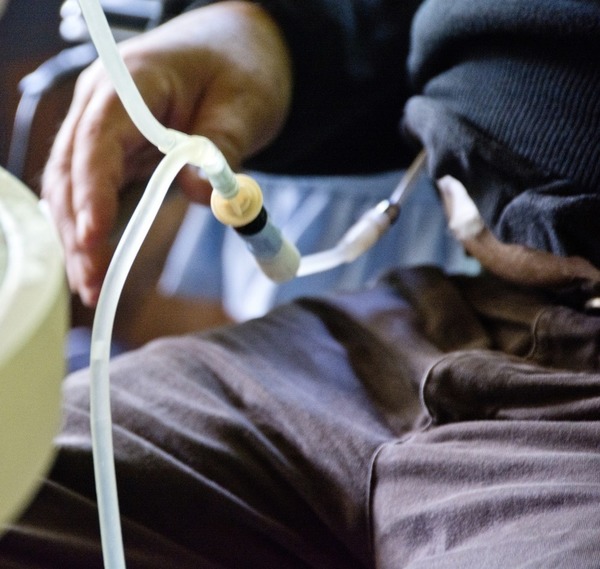
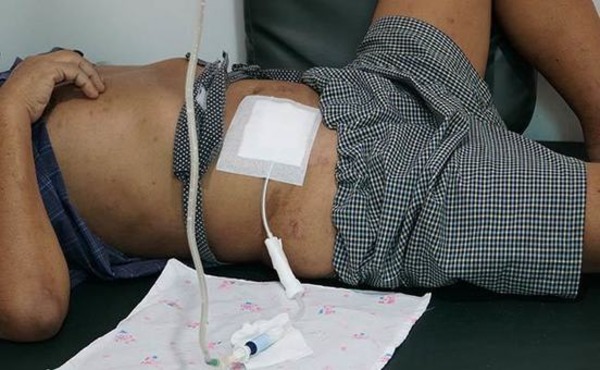
Our Peritoneal Dialysis Belt discreetly and securely holds the entire dialysis tube in place, giving you the confidence to live a normal life.
|
|
Scooped by
Beeyond
July 8, 2020 6:13 AM
|
Patients on peritoneal dialysis who received daily probiotic supplementation saw improvements in measures related to malnutrition and health-related quality of life, according to results of a randomized controlled trial conducted in China.
|
|
Scooped by
Beeyond
June 29, 2020 10:49 AM
|
Peritoneal dialysis (PD) offers specific advantages over hemodialysis, enabling increased autonomy of patients with end-stage renal disease, but PD-related complications need to be detected in a timely manner. Fourier transform infrared (FTIR) spectroscopy could provide rapid and essential insights into the patients’ risk profiles via molecular fingerprinting of PD effluent, an abundant waste material that is rich in biological information. In this study, we measured FTIR spectroscopic profiles in PD effluent from patients taking part in a randomized controlled trial of alanyl-glutamine addition to the PD-fluid.
|
|
Scooped by
Beeyond
June 24, 2020 9:28 AM
|
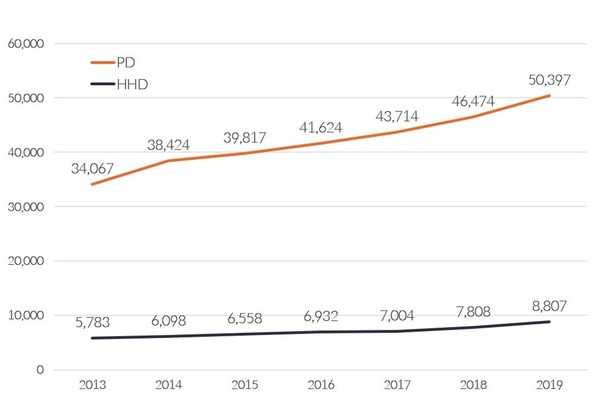
PD is a very effective dialysis modality and maintains better 3-year survival, while being approximately $14,000 per patient per year cheaper than ICHD. Consequently, under these value-based pay for performance models, PD in the US increased significantly since 2011.
|
|
Scooped by
Beeyond
June 24, 2020 9:17 AM
|
Greater use of automated PD was significantly associated with lower peritonitis risk, with the risk decreasing by 5% with each 10 percentage point increase in the proportion of patients using this modality, after adjusting for patient factors.
|
|
Scooped by
Beeyond
June 17, 2020 11:34 AM
|
Hospitalized patients with AKI rarely initiate peritoneal dialysis (PD) because of the limited availability of surgeons or interventionists with experience in placing PD catheters as well as of nephrologists and trained nursing staff who can manage and perform PD. Moreover, to minimize the incidence of mechanical complications, pericatheter leaks, and infection, the European Best Practice Guidelines for PD recommend not using PD catheters until 2 weeks after insertion,1 which is not possible in the inpatient setting where there may be an urgent need for dialysis. The slow clearance of PD, a gentle form of RRT, also makes it impractical in these circumstances. As a result, patients with AKI usually undergo placement of a central venous catheter to start hemodialysis or continuous RRT (CRRT) instead.
|
|
Scooped by
Beeyond
June 17, 2020 11:32 AM
|
The International Society for Peritoneal Dialysis has recently published new guidelines for the prescription of high-quality PD that de-emphasize this reliance on small solute clearance. Rather, they focus on the need to take a more holistic view of the patient by focusing on the patient’s desires and quality of life and by monitoring a variety of biochemical and clinical parameters.
|
|
Scooped by
Beeyond
June 17, 2020 11:30 AM
|
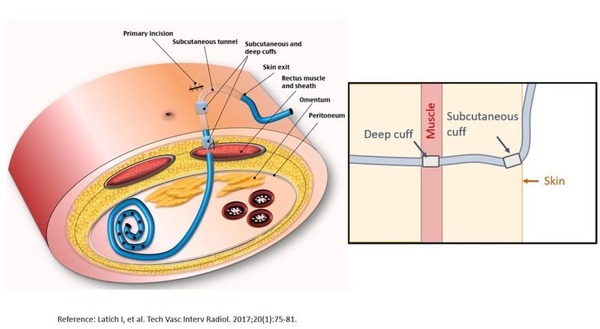
Peritoneal dialysis (PD) catheters are one of the most successful long-term transcutaneous access devices ever used in medical practice. The catheter, if successfully placed can provide successful dialysis for years. For the above to be accomplished, various components of the catheter must be precisely placed in different tissues and spaces, such as the lower part of the peritoneal cavity, the rectus muscle, and the subcutaneous space. POCUS is an invaluable tool not only to guide the percutaneous placement of the catheter but also to confirm the appropriate locations and diagnose complications such as infection at the bedside. In this post, we will discuss some scenarios where POCUS can provide useful diagnostic information in PD patients.
|
|
Scooped by
Beeyond
June 13, 2020 6:39 AM
|
Insertion of a peritoneal dialysis (PD) catheter is frequently done by interventional nephrologists, but these procedures are typically only performed for adults. Almost all invasive procedures in children are performed by pediatric surgeons. If a pediatric surgeon is unavailable, the initiation of PD in acute situations may be delayed, thus increasing the risk of complications and chronic kidney disease. For these patients, the main obstacle to initiating renal replacement therapy is access, even when involving central vein catheter (CVC) or peritoneal access.
|
|
Scooped by
Beeyond
June 4, 2020 11:48 AM
|
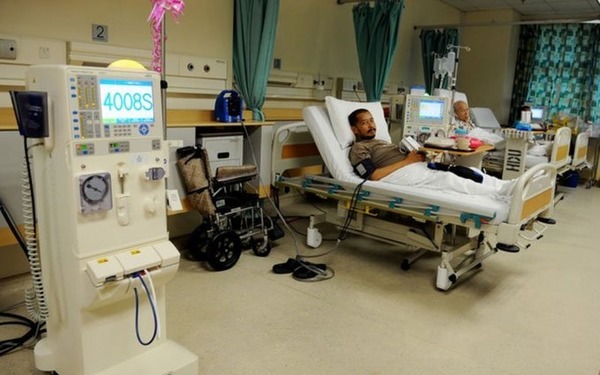
For 65-year-old Rima, frequent hospital visits for dialysis for four hours per session was already quite frustrating. And now, over-crowded hospitals with COVID-19 positive cases have instilled a sense of fear in her that she might contract the virus. But six months ago, when she was introduced to home-based dialysis or Peritoneal Dialysis (PD), her life changed overnight.
|
|
Scooped by
Beeyond
May 30, 2020 6:58 AM
|
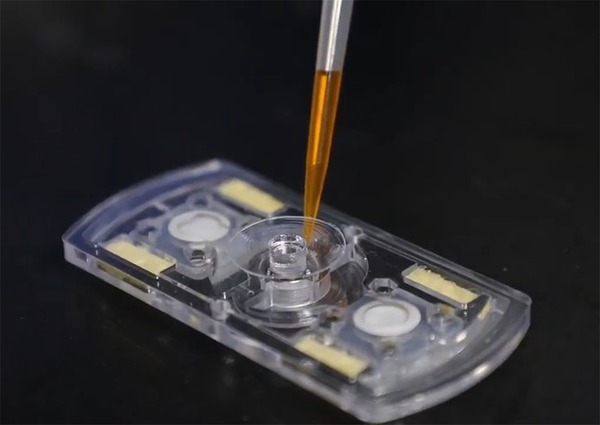
More than half of all women experience at least one episode of urinary tract infection (UTI) in their lifetime, with men also facing increasing risks of infection as they age. Current detection of UTIs rely on patients reporting symptoms followed by a lab culture of the urine for known bacterial culprits, which typically takes a few days. However, doctors tend to prescribe antibiotics to suppress any suspect cases of UTI before they get the test results, contributing to the increasing problem of antibiotic resistance. Dipstick tests that reduce the time taken for diagnoses come with a high chance for false positives.
|
|
Scooped by
Beeyond
May 30, 2020 6:57 AM
|
Overall, in two closely matched demographic groups of older dialysis patients, QOL was similar, if not better, in those on PD. This study strongly supports offering PD to all suitable older people.
|
|
Scooped by
Beeyond
May 30, 2020 6:57 AM
|
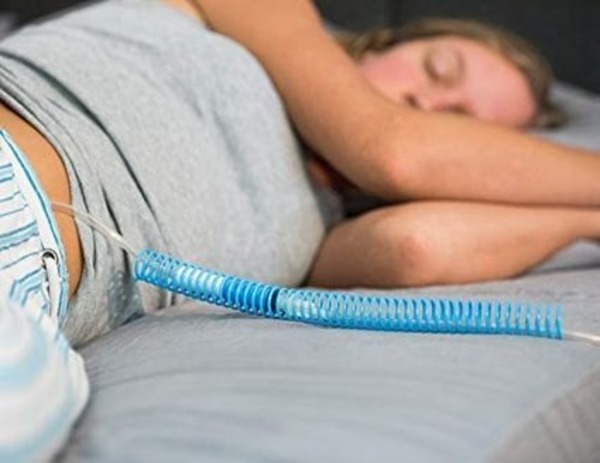
Beep-Away Spring helps reduce the potential for tubing kinks during nighttime cycler PD * For Health and Safety only unopened, unused product may be returned for refund within 30 days. **NOTE: NOT SUITABLE FOR FRESENIUS STAY SAFE CONNECTORS
|
|
Scooped by
Beeyond
May 17, 2020 8:50 AM
|
We describe for the first time the detection of SARS-CoV2 in the peritoneal waste of a patient with COVID19 and end-stage-kidney-disease on peritoneal dialysis. A 53 year old Caucasian female affected by fibrillary glomerulonephritis and on peritoneal dialysis since November 2019 was admitted to our Hospital on March 9th with fever, cough, headache, myalgia and mild hypoxemia. Chest Computed Tomography (CT) showed bilateral multiple ground-glass opacities but the initial nasopharyngeal swab for SARS-CoV2 was negative.
|
|
Scooped by
Beeyond
May 17, 2020 8:45 AM
|
The Indian Council for Medical Research (ICMR) has clarified that Chronic Kidney Disease (CKD) patients on dialysis are vulnerable to COVID-19 because of their existing co-morbidities and repeated unavoidable exposure to the hospital environment and immunosuppressed state. This is where home-based dialysis therapy like Peritoneal Dialysis (PD) is coming to people’s rescue.
|
|
Scooped by
Beeyond
May 17, 2020 8:44 AM
|
The clinical outcomes of gram-positive and culture-negative peritonitis episodes are not associated with either the frequency or levels of serum vancomycin measurements in the first week of treatment when vancomycin is dosed according to International Society for Peritoneal Dialysis (ISPD) Guidelines.
|
|
Scooped by
Beeyond
May 10, 2020 5:25 PM
|
Similar to hemodialysis patients, two-thirds of peritoneal dialysis patients had moderate to severe cognitive impairment, enough to interfere with safely self-administering dialysis and adhering to complex medication regimens. These patients could benefit from cognitive assessment before and periodically after dialysis therapy initiation.
|
|
Scooped by
Beeyond
May 9, 2020 7:28 AM
|
Herein, we aim to assess mortality risk prediction in peritoneal dialysis patients using machine-learning algorithms for proper prognosis prediction. A total of 1,730 peritoneal dialysis patients in the CRC for ESRD prospective cohort from 2008 to 2014 were enrolled in this study. Classification algorithms were used for prediction of N-year mortality including neural network.
|

Curated by Beeyond
BEEYOND is a consulting company in the field of disruptive innovation, accompanying established companies on out-of-the-core growth strategy, from creation of new concepts to product launch. Reach us at: contact@beeyond.fr.
|