Your new post is loading...

|
Scooped by
Beeyond
July 5, 10:19 AM
|
Pharma plants almost universally report OEE in the 70-80% range. When the same lines are instrumented with direct sensors and measured in parallel to the official report, the real OEE sits at 52-62% for blister packaging and 48-58% for cartoning. The gap isn't operator failure — it's structural. Micro-stops go unlogged, speed losses go unmeasured, changeover gets categorized as planned. Real-time production monitoring closes that gap and surfaces losses while there's still time to act on them — and does it without disturbing 21 CFR Part 11 or EU Annex 11, because it layers on top of the DCS, SCADA, and MES you already validated. An iFactory live dashboard reads the historian and OPC tags you already own, and computes the KPIs the existing stack doesn't.
|
|
Scooped by
Beeyond
June 27, 7:07 AM
|
The Samsara Tracking Label hides a BLE system that can offer real-time location in a disposable package.
|
|
Scooped by
Beeyond
June 8, 5:22 AM
|
The FDA announced a nationwide recall involving more than 285,000 blister cards of Gas-X due to incomplete inactive ingredient labeling. The affected products were distributed by Haleon US Holdings LLC and later classified as a Class II recall, meaning use of the product could cause temporary or medically reversible health effects. Consumers nationwide are being urged to inspect their Gas-X products carefully and discontinue use of affected packages. Accurate pharmaceutical labeling is critical because many consumers rely on ingredient disclosures to avoid allergic reactions and sensitivities. Individuals harmed by recalled medications may have legal rights under product liability and consumer protection laws.
|
|
Scooped by
Beeyond
June 8, 5:21 AM
|
Unplanned downtime costs manufacturers $50B annually. Root causes, prevention strategies, and CMMS-powered approaches to eliminate reactive maintenance.
|
|
Scooped by
Beeyond
June 6, 9:31 AM
|
A Mix–Up may be defined as: - An unplanned combination of various compounds
- A mistake brought about wrongly identifying one material for another.
A mix-up can be caused by bad judgement or lack of attention to detail, i.e., human error. It can also occur though poor communication between personnel.
|
|
Scooped by
Beeyond
June 6, 9:30 AM
|
Line Clearance is a critical procedure in the pharmaceutical industry to ensure that production areas, machinery, and packaging lines are free of any remaining products, materials, or documentation from previous processes.This process helps avoid contamination and mislabeling and ensures compliance with strict regulatory standards.
Line clearance guarantees that before any new product run begins, everything from the previous batch is removed. This ensures that the equipment and areas are reset for the next production, safeguarding against cross-contamination and mismanagement.
|
|
Scooped by
Beeyond
June 1, 6:16 AM
|
Patients and healthcare providers are being alerted after a packaging error led to the recall of a blood pressure medication.
|
|
Scooped by
Beeyond
May 11, 2:58 AM
|
VisitPortugal lance “Pairing Portugal”, une campagne qui transforme des bouchons de vin en points d’accès NFC pour découvrir les régions du pays. Chaque bouteille connecte dégustation et voyage avec 100 vins, 100 poèmes et 100 destinations, mêlant contenu culturel et inspiration touristique. Une activation qui détourne une technologie d’authentification pour créer un dispositif de storytelling immersif reliant produit, territoire et expérience de marque.
|
|
Scooped by
Beeyond
May 8, 5:38 PM
|
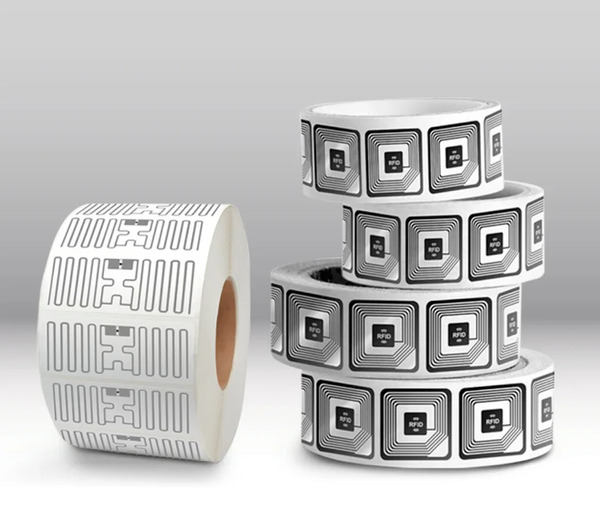
RFID technology is transforming packaging, warehousing, and supply chain operations—providing hands-free inventory tracking, automated receiving, and real-time visibility across distribution networks. As manufacturers and retailers mandate RFID compliance, packaging converters, label printers, and corrugated operations face increasing pressure to integrate RFID capability into their production lines.
|
|
Scooped by
Beeyond
May 8, 10:49 AM
|
Syringe-specific constraints include needle-up particle detection, plunger obstruction of bottom illumination, reduced Tyndall utility, restricted fluid dynamics requiring higher spin speeds, and artifacts from bubbles, ribs, and fill-level assessment.
Handling innovations reduce inspection noise by avoiding glass-to-glass contact, lowering vibration and bubble formation, and using controlled turnover to minimize liquid disturbance during needle-down/needle-up reorientation.
|
|
Scooped by
Beeyond
May 8, 10:48 AM
|
The Track-and-Trace and Serialization for Drug Market refers to the global ecosystem of technologies, software, regulatory frameworks, and services designed to monitor and document the movement of pharmaceutical products across the entire supply chain. Serialization involves assigning a unique identifier-such as a barcode or serial number-to each saleable unit of a drug, enabling precise product identification. Track-and-trace systems build on this by capturing and sharing data at every stage, from manufacturing to distribution and dispensing, ensuring full product visibility.
|
|
Scooped by
Beeyond
May 8, 10:47 AM
|
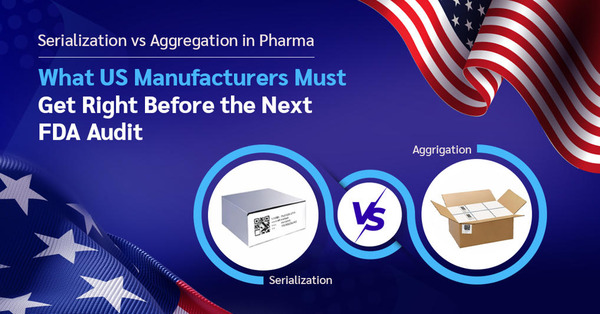
Most pharmaceutical operations teams understand serialization. Fewer have truly implemented aggregation correctly. And FDA inspectors know the difference. If your packaging line prints a 2D barcode on every carton but cannot tell an auditor exactly which cartons are in which cases on which pallets — in real time, from a single system — you are serialized but not aggregated. That is a compliance gap, and it is one of the most common issues Jekson Vision’s US team encounters during pre-installation assessments at pharma facilities across New Jersey, Pennsylvania, and North Carolina.
|
|
Scooped by
Beeyond
May 8, 10:46 AM
|
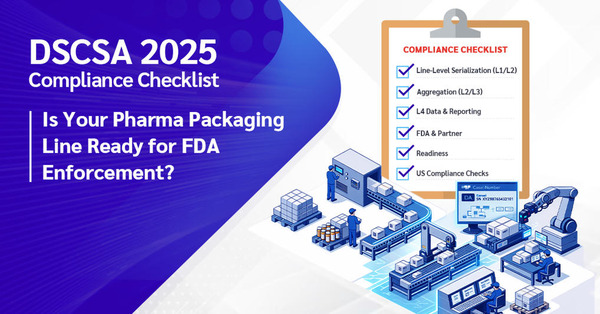
La loi sur la sécurité de la chaîne d'approvisionnement des médicaments (DSCSA) n'est plus une obligation future. Les contrôles de la FDA sont actifs, les délais sont dépassés et la marge de tolérance pour les fabricants de produits pharmaceutiques non conformes aux États-Unis se réduit rapidement. Si vous êtes un fabricant de produits pharmaceutiques, un conditionneur à façon, un CDMO ou un prestataire logistique tiers opérant aux États-Unis, cette liste de contrôle est pour vous.
|
|
Scooped by
Beeyond
May 8, 10:45 AM
|
A class two recall notice said that pharmacy teams should immediately stop supplying the affected batch of sertraline, quarantine all remaining stock and return it to the supplier.
|
|
Scooped by
Beeyond
May 8, 10:45 AM
|
Drug recalls are surprisingly common – over 14,000 recalls in the last decade in the U.S. alone – and they can be triggered by many factors. The most frequent causes include contamination and sterility failures, cGMP and manufacturing violations, labeling/packaging errors, incorrect potency (OOS), and unexpected safety issues. These recalls range from minor fixes (Class III) to life-threatening hazards (Class I). We’ll explore each top cause, real-world examples, and essential prevention steps – from implementing robust quality systems (QMS/CAPA) to using automated inspection and packaging validation. Throughout, we emphasize how advanced packaging machinery and inspection technology (like Jinlu Packing’s solutions) can dramatically reduce recall risk.
|
|
Scooped by
Beeyond
May 4, 3:05 AM
|
Amarox, the U.K.-unit of India’s Hetero Group, issued a voluntary recall of one batch of sertraline tablets in the United Kingdom after a patient found two different antidepressants packaged together.
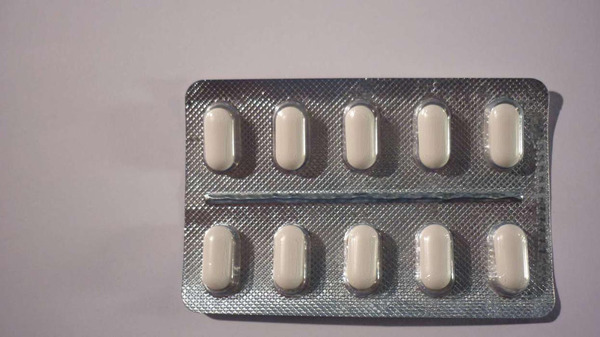
The recall, covering 100-mg sertraline tablets, stems from a complaint that flagged a blister strip of a separate drug, 40-mg film-coated citalopram tablets, incorrectly included in the same sealed carton.
|
|
Scooped by
Beeyond
May 4, 2:51 AM
|
Pharmaceutical supply chains are among the most complex networks, encompassing numerous stakeholders such as manufacturers, distributors, pharmacies, regulators, and healthcare providers. Traditional pharmaceutical supply chains rely on manual processes, fragmented data, and limited visibility. This often causes counterfeiting, drug shortages, and misallocation of crucial medications. In recent years, digitization has emerged as a powerful solution to increase security, efficiency, and transparency in pharmaceutical supply chain management. In this blog, we explore digitalization in pharma and its impact on pharmaceutical supply chain management.
|
|
Scooped by
Beeyond
April 27, 3:44 AM
|
Crescent Pharma Limited is recalling one batch of Ramipril 10mg capsules as a precautionary measure. One blister pack of Ramipril 5mg capsules was found in the a sealed carton of Ramipril 10mg capsules. The MHRA has advised pharmacy and healthcare professionals to stop supplying the impacted batch and return all remaining stock to their suppliers.
|
|
Scooped by
Beeyond
April 18, 5:14 AM
|
Contemporary consumers demand more than just passive experiences when shopping for products in competitive markets. Interactive packaging turns plain transactions into memorable interactions that connect with the brand. Technology integration and innovative design allow for two-way communication between brands and consumers. Traditional packaging is overlooked while interactive features draw attention, leading to increased exploration. The degree to which consumers are engaged correlates directly to brand recall, loyalty, and repurchasing over time. Companies that invest in interactive solutions experience quantifiable returns in the form of increased customer lifetime value.Understanding interaction mechanics helps companies design packaging that resonates with target audiences effectively.
|
|
Scooped by
Beeyond
April 18, 5:10 AM
|
Today’s businesses are not just selling products or services. They are building experiences, capturing attention, and competing in an increasingly fast-moving digital environment. Whether you run a retail store, manage events, or operate a growing brand, one tool is quietly transforming how businesses connect with customers: QR code for businesses. You’ve likely seen QR codes in restaurants, packaging, or advertisements. But they are no longer just a convenience feature. When used strategically, they become powerful tools that can significantly improve customer engagement and directly drive sales. Let’s explore how this works and how businesses can use it effectively.
|
|
Scooped by
Beeyond
April 18, 5:09 AM
|
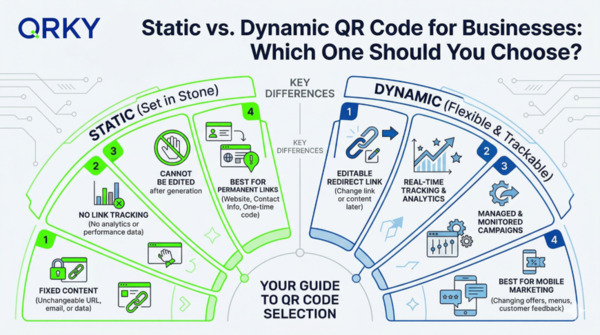
Choosing between a static and a dynamic QR code for business may seem like a small technical decision. In reality, it can directly impact how effectively you engage customers, track performance, and optimize your marketing efforts. As businesses increasingly rely on tools that bridge offline and online interactions, QR codes have become a key part of that ecosystem. But not all QR codes function the same way. Understanding the difference between a static vs. dynamic QR code is essential for making the right choice based on your business goals.
|
|
Scooped by
Beeyond
April 18, 3:53 AM
|
Predictive AI models can forecast what should be on the shelf, but can’t verify what’s actually there. Closing this execution gap requires augmented reality.
|
|
Scooped by
Beeyond
April 9, 10:17 AM
|
In the pharmaceutical industry, regulatory compliance is not optional but it is the foundation of trust, product safety and patient health. Global regulatory standards are strict but still many pharmaceutical companies have faced serious regulatory actions for noncompliance. These issues not only cause financial losses but also damage the reputation of manufacturing company. Analyzing the real world issues of non-compliances provides valuable information about what went wrong and how to prevent similar issues in future. In this post we will explore major regulatory failures and the lessons learned from these issues to understand how pharmaceutical manufacturers can strengthen their compliance culture.
|
|
Scooped by
Beeyond
April 9, 10:15 AM
|
The ultimate intent of manufacturing in the pharmaceutical industry is to produce safe and effective medicines that are appropriate for patients, as well as having met all regulatory and legal requirements. While pharmaceutical products are known to fail at times, even though they may have been manufactured according to GMP quality systems, there continues to be an ongoing problem within the industry concerning failure of pharmaceutical
|
|
Scooped by
Beeyond
April 9, 10:14 AM
|
The likelihood of such a mix-up reaching a patient is considered low as hospital medication-administration controls provide multiple safety checks prior to administration. Amneal conducted a thorough examination of 74% of the Magnesium Sulfate pouches that remain in our possession. No product mix issue was identified in this inspection. Additionally, each Tranexamic Acid IV bag is clearly labeled with the product name and includes a readable bar code, making incorrect identification readily detectable.
|

Curated by Beeyond
BEEYOND is a consulting company in the field of disruptive innovation, accompanying established companies on out-of-the-core growth strategy, from creation of new concepts to product launch. Reach us at: contact@beeyond.fr.
|