Continuous Ambulatory Peritoneal Dialysis(CAPD) is easy to operate and it can clear medium molecular substance more effectively. In addition, it can protect the residual renal functions from further damage. As an replacement of kidney, it is more suitable for kids and aged people, due to its lower infection rate. But even this, there is still exist risks of infection. So it demand the people who are undergoing it, take high attention to the surrounding environment and personal hygiene, both of them may induce peritonitis.
Sexual dysfunction is highly prevalent and strongly associated with impaired QoL of PD patients. Different clinical variables were related to sexual dysfunction in each gender, justifying an individualized preventive and therapeutic approaches.
Learn about peritoneal dialysis and see the story of one patient who is living well on peritoneal dialysis. Living Well with Kidney Failure is a complementary video series created by the National Kidney Foundation to help healthcare professionals around the country educate patients and their families about kidney failure and its treatment.
Although home dialysis six times a week is associated with better outcomes in patients with poor kidney function compared to those who dialyze three times a week at outpatient centers, experts say that issues of cost to providers have prevented broader application.
The impact of dialysis modality survival is still somewhat controversial because there are conflicting research results about the survival differences between Peritoneal Dialysis (PD) and Hemodialysis (HD), especially during the first 2 years of dialysis treatment. The survival discrepancies among Chronic Kidney Disease (CKD) patients using different dialysis modalities is hard to pin-down because of differential rates of modality switching, varying rates of Kidney Transplantation, and possible differences in patients’ personal characteristics leading to death.
The U.S. Food and Drug Administration has replied to a letter from the NRAA that expressed concern over the shortage of peritoneal dialysis (PD) solution. The FDA letter noted NRAA’s concerns and stressed the FDA’s commitment to solving drug shortages.
Patients with continuous ambulatory peritoneal dialysis (CAPD) have high all-cause mortality risk that varies extensively among different conditions. The objective of this study was to develop and validate risk models to predict the 2-year all-cause mortality risks of CAPD patients.
A new study suggests that peritoneal dialysis achieves a favourable mortality outcome compared with haemodialysis for the first 2 years of treatment. However, registry-based comparisons of mortality outcomes in patients with end-stage renal disease on either renal replacement modality are often fraught with complications.
Although Peritoneal Dialysis is recognized as an effective renal replacement therapy, an alternative to Hemodialysis, its prevalence is around 15% in most industrialized countries. In the United States Peritoneal is clearly underutilized with a prevalence of less than 8%. A study was established to evaluate Nephrologists' perceived obstacles to Peritoneal implementation and reflect on possible actions towards its development.
Kidney failure typically leads to people regularly wasting a great deal of their time being tethered to a dialysis machine. Though they’re life savers, dialysis machines have not kept up with much of the rest of the medical device industry in getting smaller, more portable, and easier to use. Things may be about to change, though, as a new wearable dialysis system is about to be tested in a clinical trial in the U.S.
Although studies on different dialysis treatments and survival have shown conflicting results, after appropriate adjustment, researchers found no "significant" difference in survival between Peritoneal Dialysis (PD) and Hemodialysis (HD) patients. Dialysis patients should consider a variety of treatment options to best suit their lifestyle. If you experience changes and feel the need for a more suitable dialysis modality (type of treatment) then you should not be afraid to go between in-center and the more flexible home dialysis options for superior health outcomes. Previous studies were inconsistent mostly due to insufficient and varying factors. Using comprehensive data on a well-defined patient cohort, the Finland study examined the association of dialysis modality with survival between Chronic Kidney Disease (CKD) patients.
This study highlights the culture of patients and their families living with peritoneal dialysis. Despite the challenges posed by the treatment, participants were grateful they were able to self-manage at home. Furthermore, ethnographic methods offer an appropriate and meaningful way of considering how patients live with home technologies.
A meticulous periodontal examination should be a routine part of management of the uremic patients on CAPD because periodontal disease could be one of the hidden sources of unexplained inflammatory status.
Before dialysis was available, total kidney failure meant death. Today, people with kidney failure can live because of treatments such as dialysis and kidney transplant.
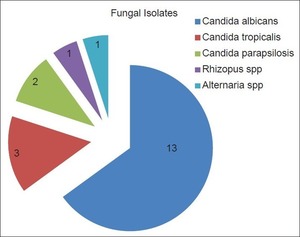
Fungal peritonitis (FP) is a rare, but serious complication of peritoneal dialysis. We analyzed the incidence of FP, associated risk factors and outcome of patients with FP and evaluated the role of prophylactic antifungal agent in reducing its incidence. We studied all patients with FP from January 2005 to January 2012.
This report studies the global dialysis products and services market over the forecast period of 2013 to 2018. The market is estimated at $61.60 billion in 2013 and is poised to grow at a CAGR of 6.2% from 2013 to 2018, to reach $83.21 billion by 2018.
Former dialysis patient Keith McClellan, author of NFL history books, "The Sunday Game" and "The Hero Within Us," recounts his experiences with hemodialysis ...
Why peritoneal dialysis patients will have high blood sugar? This is a common question for peritoneal dialysis patients. In this article, we will find the causes of high blood sugar in peritoneal dialysis, and get the treatment for high blo
High blood sugar level in patients on Peritoneal Dialysis (PD) can occur, but it is uncommon. It tends to more frequently in Diabetic Nephropathy patients than others with kidney disease. Why does peritoneal dialysis cause high blood sugar level?
Patient-reported outcomes are important endpoints to evaluate new models of renal delivery. This is the first study to compare Quality of Life (QOL) and emotional adjustment outcomes between patients on community-based hemodialysis (HD) and those on peritoneal dialysis (PD).
Peritoneal dialysis (PD) continues to be underutilized in the United States, even though it is less expensive, provides better quality of life and has better outcomes compared with hemodialysis. The reasons for low utilization of PD are influenced by complex psychosocial and economic factors, lack of physician training, physician bias and inadequate pre–end-stage renal disease care and education to the patients.
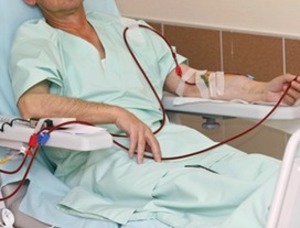
Most mornings, Gregory Frison reclines in a chair in the extra bedroom in his Elkins Park home, conversing with his wife, Ann, or a member of his church. And on Thursday nights, he shouts from the same chair during the 76ers games he watches with friends. He never seems to mind the quietly humming dialysis machine next to him, filtering his blood the whole time.
Baxter International Inc. announced today it is voluntarily initiating a recall in the United States of two lots of DIANEAL Low Calcium (2.5mEq/L) Peritoneal Dialysis Solution with 2.5% Dextrose 5000mL (Ambu-Flex II) to the hospital/user level. The recall is being initiated due to the presence of oxidized stainless steel, garment fiber, and PVC particulate matter identified during the manufacturing process.
BEEYOND is a consulting company in the field of disruptive innovation, accompanying established companies on out-of-the-core growth strategy, from creation of new concepts to product launch. Reach us at: contact@beeyond.fr.
To get content containing either thought or leadership enter:
To get content containing both thought and leadership enter:
To get content containing the expression thought leadership enter:
You can enter several keywords and you can refine them whenever you want. Our suggestion engine uses more signals but entering a few keywords here will rapidly give you great content to curate.

 Your new post is loading...