Your new post is loading...

|
Scooped by
Beeyond
May 26, 5:24 PM
|
Utilisées pour remplacer les valves cardiaques défaillantes, les bioprothèses valvulaires cardiaques deviennent compatibles avec le sang et sont protégées de la calcification par la formation d’une couche de cellules endothéliales, celles qui tapissent tous nos vaisseaux sanguins et permettent au sang de circuler en l’empêchant de coaguler. Une découverte pleine de promesses.
|
|
Scooped by
Beeyond
May 26, 7:06 AM
|
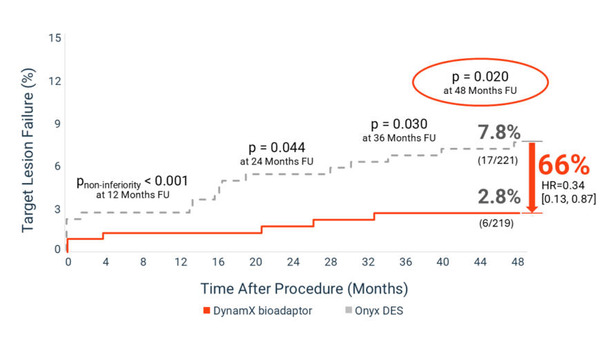
Evidence from the BIOADAPTOR RCT demonstrate sustained significant reduction of device-related events with bioadaptor compared to DES, confirming the durability of treatment benefit from 6 months and through long-term follow-up.
|
|
Scooped by
Beeyond
May 18, 5:47 AM
|
The guidelines are introduced by NMPA Center of Medical Device Evaluation (CMDE). It is not legally binding but highly recommended by regulatory authorities. The revision plan will not only impact the new product registration but also renewals and modifications. It involves type testing, clinical, registration review guidelines, technical guidelines, e.g., Real World Study design, and documentation guidelines, e.g., Indication for Use (IFU) writing.
NMPA issues new or updated guidelines throughout the year. Given their importance in understanding what the NMPA reviewers are looking for, it is essential that manufacturers keep up to date with the guidelines that are latest to their specific products. One source to get updates on these guidelines is through our complimentary monthly news roundup that you can opt in from our website www.ChinaMedDevice.com
|
|
Scooped by
Beeyond
May 10, 6:37 AM
|
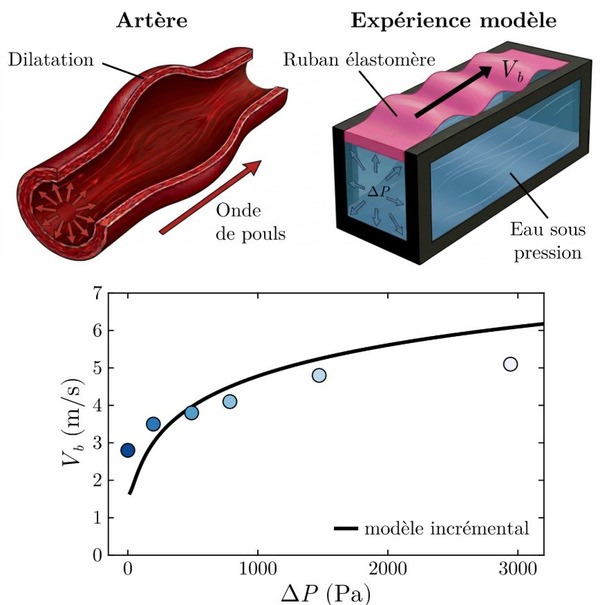
Dans cet article, nous étudions expérimentalement la propagation d’ondes dans un modèle d’artère : un ruban d’élastomère couplé à un canal rigide. Nous mesurons les ondes hors plan par imagerie Schlieren synthétique, et mettons en évidence un unique mode dispersif, semblable à l’onde de pouls générée par les battements du cœur. En imposant une différence de pression hydrostatique, nous révélons la forte influence de la précontrainte sur la dispersion de cette onde. À l’aide d’un modèle fondé sur la théorie acoustoélastique, prenant en compte la rhéologie du matériau et la grande déformation statique du ruban, nous démontrons que la pression imposée altère la propagation des ondes par une interaction entre l’étirement, perpendiculaire à la direction de propagation, et la rigidité induite par la courbure.
|
|
Scooped by
Beeyond
May 9, 6:01 AM
|
Drug-coated balloon (DCB) angioplasty provides an alternative to drug-eluting stents and plain old balloon angioplasty for the treatment of coronary or peripheral artery disease. The absence of a metallic scaffold with DCB angioplasty compared with stenting might confer a biomechanical and physiological benefit and avoids the implantation of additional stent layers in patients with in-stent restenosis. A class effect cannot be assumed for DCBs; device manufacturers are challenged with finding the best combination of antiproliferative agent and excipient to achieve optimal clinical and angiographic outcomes. Several randomized clinical trials have been performed comparing DCB angioplasty with a variety of comparators in both coronary and peripheral artery disease, although more evidence is needed, particularly in de novo coronary artery disease. Positive results from a trial comparing a paclitaxel-coated balloon with an uncoated balloon in patients with coronary in-stent restenosis led to the approval of a DCB for clinical use in the USA in 2024.
|
|
Scooped by
Beeyond
May 9, 6:00 AM
|
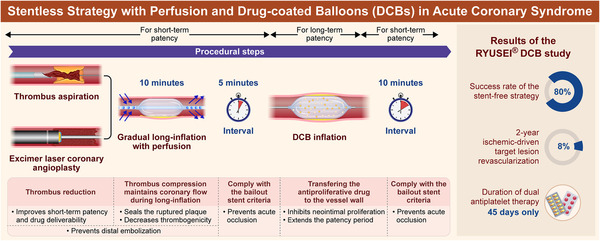
Stentless treatment of acute coronary syndrome uses gradual, prolonged predilation. A perfusion balloon combined with a drug-coated balloon was used. The stentless strategy achieved successful revascularization in most patients. No acute occlusion or in-hospital major adverse cardiac events were reported. A low incidence of target vessel failure at 24 months was reported.
|
|
Scooped by
Beeyond
May 9, 5:33 AM
|
The increasing prevalence of heart failure (HF) has led to advancements in therapeutic strategies, including the development of new pharmacological treatments and the expansion of guideline recommendations across the spectrum of left ventricular ejection fractions. Despite these advancements, the full benefits of guideline-directed medical therapy (GDMT) are often limited by various barriers that result in incomplete implementation or suboptimal responses. For patients who cannot tolerate or only partially respond to GDMT, therapeutic options remain limited. This gap is particularly significant for those with contraindications to heart replacement therapies (HRT), such as left ventricular assist device (LVAD) or heart transplant. In light of these potential limitations, this review article proposes categorizing HF patients into four distinct phenoprofiles based on their tolerance to GDMT and candidacy for HRT. Considering these HF phenoprofiles may guide treatment decisions regarding the selection and use of novel device-based HF therapies.
|
|
Scooped by
Beeyond
May 9, 5:31 AM
|
Primary percutaneous coronary intervention is currently the standard of care for the treatment of acute ST-segment elevation myocardial infarction (STEMI). While it can restore flow in the infarcted artery in the majority of cases, some patients experience the so-called “no-reflow” phenomenon, which consists of abnormal myocardial reperfusion occurring after the occluded coronary artery has been opened. It is caused by microvascular obstruction (MVO), and its pathogenesis is multifactorial, including myocardial ischaemia, distal embolisation, and ischaemia-reperfusion injury, combined with individual susceptibility. Currently, there is no consensus on pharmacological or interventional strategies which can prevent or treat it.
|
|
Scooped by
Beeyond
May 8, 6:23 PM
|
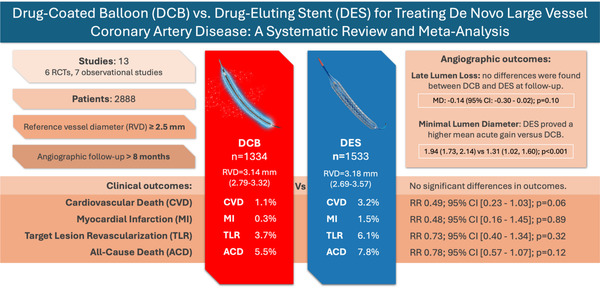
No significant difference was observed between DCB and DES regarding major adverse cardiovascular events (MACE), mortality, myocardial infarction, or repeat revascularization on a mean follow-up of 2 years (6 months to 5 years). DCB significantly reduced BARC 3-5 bleedings compared with DES (RR 0.65; 95% CI 0.43–0.98; p = 0.04). The findings were consistent across vessel sizes and follow-up durations. DCB therapy represents a safe and effective “leave-nothing-behind” strategy for selected patients undergoing PCI.
|
|
Scooped by
Beeyond
May 8, 6:22 PM
|
Despite the growing interest in DCB within the clinical community, the mechanisms of drug exchange and the interactions between the balloon, the polymeric coating and the vessel wall are yet to be fully understood. It is, therefore, perhaps surprising that the number of computational (in silico) models developed to study interventions involving these devices is small, especially given the mechanistic understanding that has been gained from computational studies of DES procedures over the last two decades. In this paper, we discuss the current and emerging clinical approaches for DCB use in PCI and review the computational models that have been developed thus far, underlining the potential challenges and opportunities in integrating in silico models of DCB into clinical practice.
|
|
Scooped by
Beeyond
May 8, 5:23 PM
|
Drug-eluting stents are beneficial in treating symptomatic peripheral artery disease (PAD) in the femoropopliteal artery. Data from the ZILVER PTX trial demonstrate that paclitaxel-eluting stents had significantly better 12-month patency rates compared to traditional angioplasty with bare-metal stents for lesions in the femoropopliteal artery (above the knee).
|
|
Scooped by
Beeyond
May 8, 10:35 AM
|
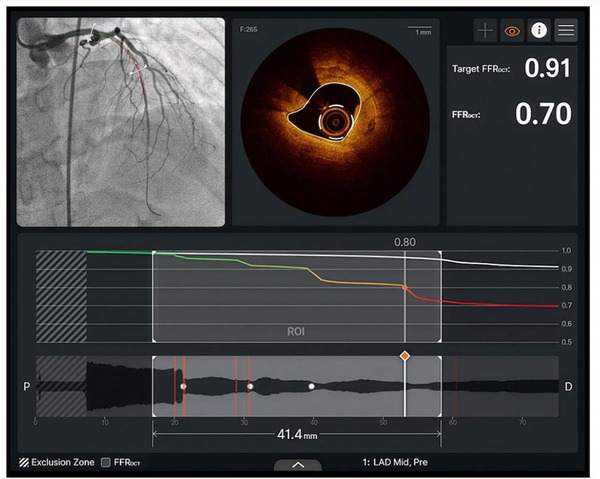
Facilitating enhanced real-time visualization for percutaneous coronary intervention (PCI) procedures, the Ultreon 3.0 optical coherence tomography platform reportedly combines high-resolution imaging with AI-powered insights on stent sizing and positioning.
|
|
Scooped by
Beeyond
May 8, 10:31 AM
|
In cases of suboptimal angiographic results after DCB angioplasty, bail-out DES implantation is safe, with no increased risk of TLF at 1 year compared with the expected performance goal for an upfront DES-only strategy.
|
|
Scooped by
Beeyond
May 8, 10:30 AM
|
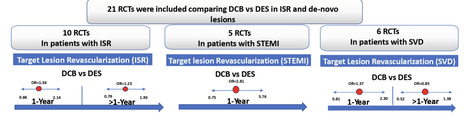
Drug-coated balloons (DCBs) have emerged as a promising device option in percutaneous coronary interventions and have been recently given FDA approval. In this study, DCB demonstrated comparable clinical outcomes with drug-eluting stent (DES) in patients with ISR and de novo lesions, including STEMI and SVD, except for lower LLL following DCB compared to DES in patients with SVD. Future trials are warranted to compare the clinical outcomes of DCB with DES in complex clinical settings like bifurcation or chronic total occlusion lesions.
|
|
Scooped by
Beeyond
May 4, 3:01 AM
|
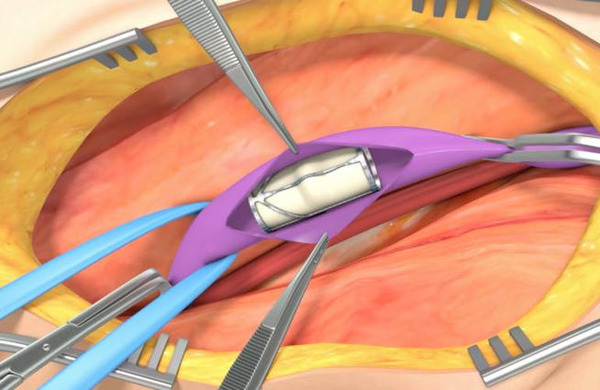
enVVeno Medical has received the investigational device exemption (IDE) approval from the US Food and Drug Administration (FDA) for a pivotal study involving a non-surgical replacement venous valve. The approval allows enVVeno Medical to begin the Transcatheter Venous Valve Endoprosthesis (TAVVE) pivotal study of its enVVe system for treating severe deep chronic venous insufficiency (CVI).
|
|
Scooped by
Beeyond
May 4, 3:00 AM
|
The FDA’s letter indicates that, upon completing its review, it determined that it is unable to approve the PMA for VenoValve in its current form. According to a news release, the FDA indicated that the favorable revised Venous Clinical Severity Score (rVCSS) data generated by the study to show clinical improvement, together with the improvements in pain scores and venous-specific quality of life indicators, were not sufficient on their own to determine the favorability of the risk-benefit profile for VenoValve.
EnVVeno Medical said that, without a specific hemodynamic measurement that correlates with patient improvement, the FDA raised concerns about bias. The agency also considered the possibility that clinical improvement occurred as a result of the patients being enrolled in a study.
Additionally, the company said the FDA focused on safety concerns attributed to the associated open surgical procedure. That required rehospitalizations, the company said. However, it would not expect to see similar safety events with a non-surgical replacement valve.
|
|
Scooped by
Beeyond
May 4, 2:53 AM
|
Patients with non-ST-elevation myocardial infarction (NSTEMI) or unstable angina undergoing a percutaneous coronary intervention (PCI) with a sirolimus-eluting balloon and rescue stenting fared as well as those who underwent revascularization with systematic use of drug-eluting stents at 1 year, according to a new substudy of the SELUTION DeNovo trial.
|
|
Scooped by
Beeyond
April 27, 6:22 AM
|
EuroPCR has long been a platform for innovation. In 2026, this commitment is strengthened with a newly expanded focus and for the first time, the Innovation Hub - a dedicated space with distinct zones. Designed to connect the full innovation ecosystem, it will create new opportunities to explore emerging technologies, give you a central place to share experiences and discuss how today’s ideas could become tomorrow’s clinical practice.
|
|
Scooped by
Beeyond
April 27, 3:42 AM
|
The anti–protein adsorption tests showed that the PCBDA/PDA–PEI coating resisted the non–specific adsorption of fibrinogen, which was a positive signal for enhanced anti–coagulation. Moreover, the platelet adhesion/activation tests confirmed its antithrombotic properties. The in vivo tissue response was also greatly suppressed due to the inhibited recognition of PCBDA/PDA–PEI–coated implants by macrophages. Interestingly, unlike traditional zwitterionic polymers, due to the introduction of adhesive catechol moieties, PCBDA supported the growth of endothelial cells, demonstrating its ability to selectively direct the fate of endothelial cells and smooth muscle cells. In vivo stent implantation results showed inhibited intimal hyperplasia due to the protection of PCBDA/PDA–PEI. Overall, due to the specific characteristics of the mussel–inspired PCBDA/PDA–PEI coating, anticoagulation, anti–inflammatory, and anti–proliferation properties were obtained; thus, it is expected that this coating can be used to inhibit restenosis and realize endothelialization after stent implantation.
|
|
Scooped by
Beeyond
April 27, 3:41 AM
|
Acute Coronary Syndrome (ACS) occurs when blood flow to the heart is suddenly reduced, putting the heart muscle at risk. ACS often leads to Non-ST-Elevation Myocardial Infarction (NSTEMI), which accounts for 70% of heart attacks.
Most of these patients undergo percutaneous coronary intervention (PCI), or an angioplasty, to restore blood flow. Currently, during PCI, a cardiologist uses a drug-eluting stent (DES). A DES is a tiny metal mesh tube that keeps the artery permanently open. Studies have shown that there is a 1–4% annual rate of complications due to the permanent presence of metal in the artery.
The SELUTION Drug Eluting Balloon (SEB) is a drug-coated balloon that delivers medication directly to the artery wall without leaving a stent behind. This "Leave-Nothing-Behind" strategy, therefore, potentially reduces the long-term complications related to stents. However, the use of SEB in patients with ACS has not been assessed.
|
|
Scooped by
Beeyond
April 27, 3:40 AM
|
A new sub-study suggests that using a sirolimus-eluting balloon (SEB), a drug-coated balloon, can reduce the number of stents a patient may need, making it a safe and effective way to treat certain heart attacks or unstable chest pain. Researchers presented the late-breaking data today at the Society for Cardiovascular Angiography & Interventions (SCAI) 2026 Scientific Sessions & Canadian Association of Interventional Cardiology/Association Canadienne de cardiologie d'intervention (CAIC-ACCI) Summit in Montreal.
|
|
Scooped by
Beeyond
April 27, 3:40 AM
|
A novel sirolimus-eluting balloon (Selution; Cordis) compares favorably with DES in patients with ACS, according to a subanalysis of the SELUTION DeNovo trial. These findings support those of the main trial, presented at TCT 2025, which showed that use of the drug-coated balloon (DCB) plus provisional stenting as needed was noninferior at 1 year as an alternative to DES for the primary endpoint of target vessel failure, which included cardiac death, target-vessel MI, and clinically driven target-vessel revascularization.
|
|
Scooped by
Beeyond
April 26, 2:51 PM
|
“The reason for stent graft failure is neointernal hyperplasia that occurs mainly on the edge of the device and sometimes in the middle of the stent graft,” Harduin detailed. The Solaris DE covered stent is built with an impermeable electrospinning PTFE membrane to limit cellular migration, allied with the sirolimus coating to block neointimal hyperplasia and restenosis. “Sirolimus is a safe and effective cytostatic drug that has been used for a long time in interventional cardiology in coronary arteries to prevent neointimal hyperplasia, restenosis, and thrombosis,” said Harduin.
Animal studies of Solaris DE have, to date, shown the persistence of the sirolimus on the outer edge of the device, he said, with one study comparing it to a conventional stent graft finding no instances of neointimal hyperplasia at 60 days following Solaris DE implantation, compared to 4.9mm3 with the conventional device.
|
|
Scooped by
Beeyond
April 26, 2:50 PM
|
Concept Medical Inc., a global pioneer in innovative drug delivery technology, is proud to announce the successful enrollment of the first patient in the STARS DAPT (ST-Segment Elevation Myocardial InfArction treated with a Polymer-Free Sirolimus-based NanocarrieR Eluting Stent and a P2y12 inhibitor-based Single Antiplatelet Strategy after a Short Dual Antiplatelet Therapy versus conventional Dual AntiPlatelet Therapy) randomized controlled trial. This trial marks a significant milestone in evaluating the breakthrough technology of polymer free drug eluting stent (DES) for the treatment of STEMI patients.
The first four patients were enrolled by Professor Barbara Stähli and her team at the University Hospital of Zurich in Switzerland initiating the much awaited RCT which will assess the different strategies to manage ACS patients with antiplatelet regimen.
STARS DAPT is an investigator-initiated, prospective, multicentre, international, open-label, randomized controlled pilot study. The trial will enrol 350 all-comer subjects with STEMI undergoing primary PCI with the Abluminus np (Concept Medical). STARS DAPT aims to study the difference between a P2Y12 receptor inhibitor-based single antiplatelet therapy (SAPT) regimen after a short period of dual antiplatelet therapy (DAPT) versus conventional 6 or 12 months of DAPT. The co-primary endpoints at 12 months are major adverse cardiac and cerebrovascular events and major bleeding complications.
|
|
Scooped by
Beeyond
April 26, 2:41 PM
|
The BARISTA trial, led by Lieven Maene (Onze Lieve Vrouw, Aalst, Belgium), enrolled 200 patients with all types of iliac lesions. Significantly, 34% of the study population presented with TASC C and D lesions, representing more complex anatomical scenarios and underscoring the robustness of the clinical evaluation.
At one-year follow-up, the trial demonstrated positive clinical outcomes: - Freedom from target lesion revascularisation (fTLR): 96.4%
- Freedom from restenosis: 94.1%
|

Curated by Beeyond
BEEYOND is a consulting company in the field of disruptive innovation, accompanying established companies on out-of-the-core growth strategy, from creation of new concepts to product launch. Reach us at: contact@beeyond.fr.
|