
This preliminary study failed to demonstrate the superiority of the Abluminus DES+ over the DP-EES in diabetic patients in terms of neointimal proliferation.
Get Started for FREE
Sign up with Facebook Sign up with X
I don't have a Facebook or a X account

|
Scooped by
Beeyond
onto Interventional Cardiology January 26, 3:34 AM
|
 Scoop.it!
This preliminary study failed to demonstrate the superiority of the Abluminus DES+ over the DP-EES in diabetic patients in terms of neointimal proliferation.

 Your new post is loading... Your new post is loading...
Scoop.it!
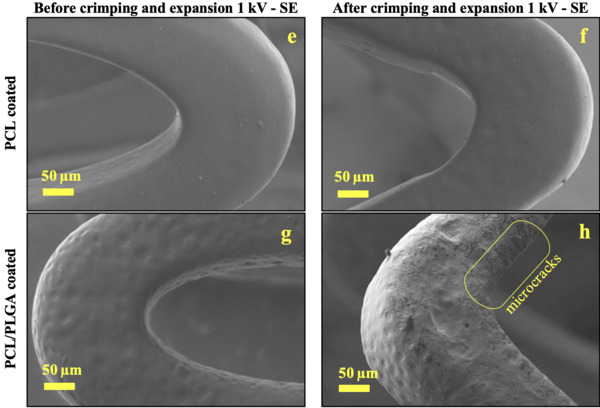
PCL and PLGA coatings on Mg-based alloy stents were studied by EIS. PCL coating significantly improves corrosion resistance; PLGA coating maintains it. Dielectric properties of the coatings were well characterized by the Young model. Polymer coating protection is limited by cracks formed when the stent is deployed. Evaluation of stent corrosion resistance must consider mechanical effects when the stent is deployed.
Scoop.it!

From
www

The current debate in cardiology centers on the use of drug-eluting balloons (DEBs) vs drug-eluting stents (DESs) in de novo lesions. However, to reach this conclusion, it must be shown that the balloon is superior to the stent, the standard treatment in patients presenting with acute myocardial infarction. A recent study concluded that in patients with diffuse de novo coronary artery disease, intervention with a balloon was associated with a significant reduction in major adverse cardiovascular events compared with intervention with a stent.
Scoop.it!

Airiver Medical, a clinical stage company developing technologies to help patients who suffer from certain respiratory tract conditions, was granted designation as a Breakthrough Device from the U.S. Food and Drug Administration (FDA) for its Airiver Pulmonary Drug Coated Balloon (DCB) to treat central airway stenosis.
Scoop.it!
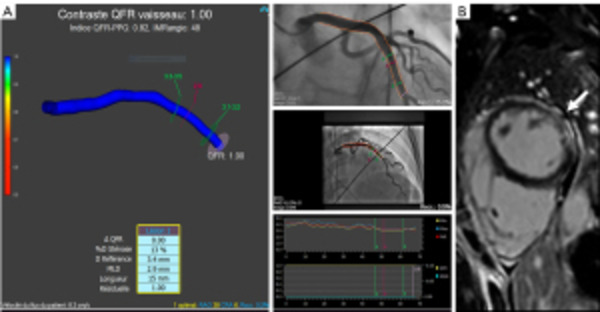
Obstructive coronary disease remains a leading cause of sudden cardiac death (SCD). The management of SCD therefore involves coronary angiography. Our aim was to evaluate whether the non-hyperemic angiography-derived microcirculatory resistance index (NH-IMRangio) could be an easy-to-use tool for identifying patients with electrical heart disease (EHD) from patients with other causes of SCD.
Scoop.it!

As per international guidelines, coronary lesions are primarily treated with drug-eluting stents (DESs). While DESs have demonstrated good clinical outcomes, even the latest generations remain associated with restenosis, vessel thrombosis, and myocardial infarction (MI), investigators state in a press release. In addition, DES carry an intrinsic thrombotic risk, requiring dual antiplatelet therapy (DAPT). However, elderly patients and those at high bleeding risk (HBR) have a cumulative increase in adverse events, including a higher thrombotic risk after angioplasty with DES.
Scoop.it!
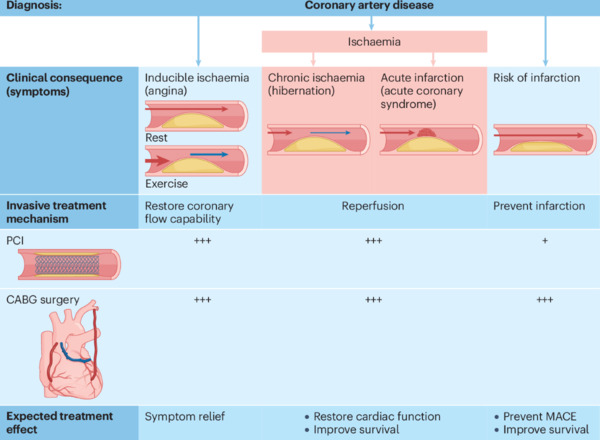
The available evidence supports the optimization of medical therapy as the first-line therapeutic approach for most patients with non-acute myocardial ischaemic syndromes.
Scoop.it!

According to VERITAS Study data, 93.9% of non-valvular AFib patients implanted with the Amulet 360 achieved full closure of the LAA by 45 days, with no leaks over 3mm. The LAA is a small pouch linked to increased stroke risk in AFib patients. The device is minimally invasive and adapts to each patient’s unique LAA shape, providing immediate closure and potentially reducing the need for blood-thinning medication where suitable.
Scoop.it!
From
www
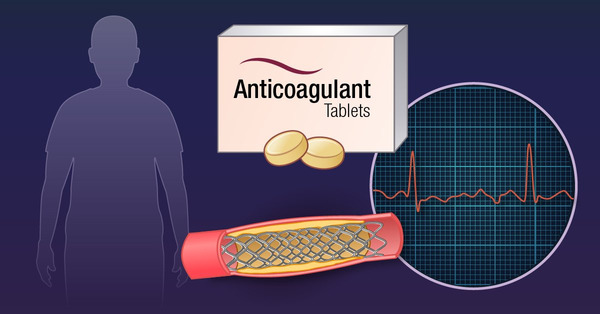
Despite guideline recommendations, evidence for the use of non–vitamin K antagonist oral anticoagulant (NOAC) monotherapy in patients with atrial fibrillation after implantation of a drug-eluting stent remains limited.
Scoop.it!
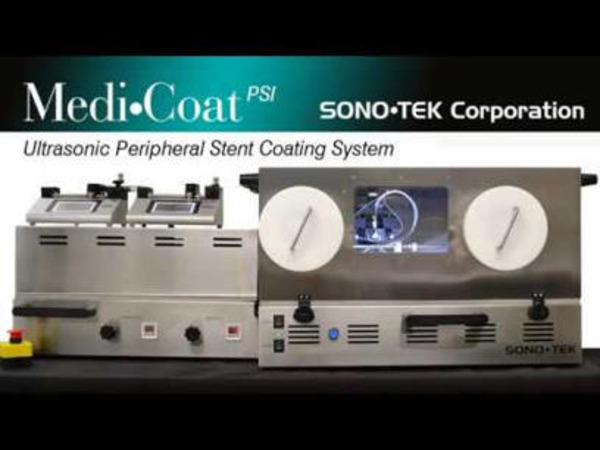
For coating peripheral stents with anti-restenosis drug/polymer solutions. Sono-Tek is well known for providing uniform coatings onto specialty and custom stents with targeted coverage and no webbing.
Scoop.it!

Shanghai Yangmi's ultrasonic spraying technology allows for coating thickness deviations within ±5% after deposition onto medical device surfaces. This is particularly suitable for full-coverage coating of complex-shaped medical devices (such as porous stents and threaded implants). It also prevents problems such as solution sedimentation, agglomeration, and uneven atomization during the spraying process.
Scoop.it!

At first glance, the platelet is a simple cell. However, its small size hides an extremely well conserved structure that is vital for its function in both hemostasis and vascular integrity and development. A combination of electron microscopy, light microscopy, biochemical, and cell biology studies has, over the years, revealed this structure to us and allowed the important functions of the various organelles and subcellular components to be understood. This chapter reviews the structure of the resting platelet and discusses the dramatic and dynamic changes, especially in the cytoskeleton, that occur upon activation to allow platelets to carry out their primary function in hemostasis.
Scoop.it!

From
www
Inflammation plays a significant role in the pathogenesis of atherosclerosis as evidenced by the data of preclinical studies and large epidemiological trials. The pathophysiological association between inflammation and atherosclerosis is very complex and many mediators are included. The most important mediators of this association are the cytokines and, specifically, IL-1β and IL-6 chemokines, IFN-γ, and TNF-α. Large randomized clinical studies and meta-analyses have shown that anti-inflammatory therapies have a favorable efficacy profile and can reduce the hazard of cardiovascular events. However, the results of randomized trials of therapies specifically targeting inflammation are controversial, and, therefore, further studies are needed to elucidate this association in the future.
Scoop.it!
Anti-inflammatory therapy with low-dose IL-2 in acute coronary syndromes: a randomized phase 2 trial
From
www
Patients who have residual inflammation following acute coronary syndromes (ACSs) are at high risk of further major adverse cardiovascular events (MACEs). Canakinumab and colchicine are anti-inflammatory agents that target the innate immune system and have been shown to reduce MACEs in patients with chronic coronary artery disease. In the ACS population, the evidence for colchicine reducing MACEs has been less robust, with recent data showing that it was ineffective in ACSs. Furthermore, both agents have significant side effects. An unmet clinical need therefore exists to identify a well-tolerated drug that regulates the immune system and effectively reduces residual inflammation in ACSs.
Scoop.it!
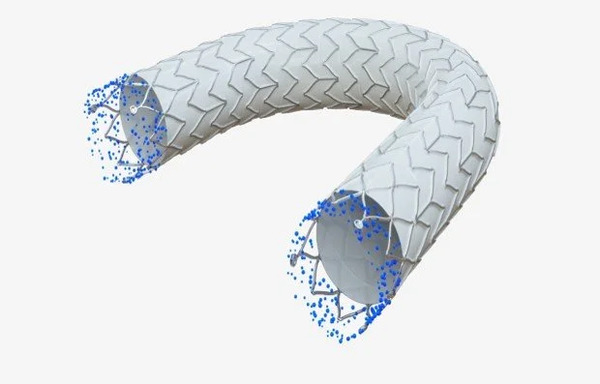
Effective, durable options to address faltering dialysis access circuits have remained elusive, leaving a significant unmet need in long-term access maintenance. Until now. Promising interim data have emerged from the prospective, multicentre DEScover trial evaluating the Solaris DE sirolimus-eluting, electrospun polytetrafluoroethylene (PTFE) covered stent for the treatment of failed access circuits, drawing high hopes from leading global vascular specialists that a transformational solution might finally be at hand. “We have never had a drug-eluting platform that directly addressed the issue of edge restenosis, which is where most of these types of devices fail, when they fail,” says Peter Schneider (University of California San Francisco, San Francisco, USA). “This is where the Solaris DE platform will have a big impact—it will be a one-of-a-kind.”
Scoop.it!

Inherent to any stenting procedure is the prescription of dual antiplatelet therapy (DAPT) to reduce the platelet response. Clinical guidelines recommend 6–12 months of DAPT, depending on stent type, clinical picture and patient factors. Our hypothesis is that a nanostructured noble metal coating has the potential to reduce protein deposition and platelet activation. These effects would reduce subsequent thrombo-inflammatory reactions, potentially mitigating the need for an extensive DAPT in the acute phase. Here, a noble metal nanostructure coating on stents is investigated. Twelve pigs underwent endovascular implantation of coated and non-coated stents for paired comparisons in a blinded study design.
Scoop.it!

Effective, durable options to address faltering dialysis access circuits have remained elusive, leaving a significant unmet need in long-term access maintenance. Until now. Promising interim data have emerged from the prospective, multicentre DEScover trial evaluating the Solaris DE sirolimus-eluting, electrospun polytetrafluoroethylene (PTFE) covered stent for the treatment of failed access circuits, drawing high hopes from leading global vascular specialists that a transformational solution might finally be at hand. “We have never had a drug-eluting platform that directly addressed the issue of edge restenosis, which is where most of these types of devices fail, when they fail,” says Peter Schneider (University of California San Francisco, San Francisco, USA). “This is where the Solaris DE platform will have a big impact—it will be a one-of-a-kind.”
Scoop.it!
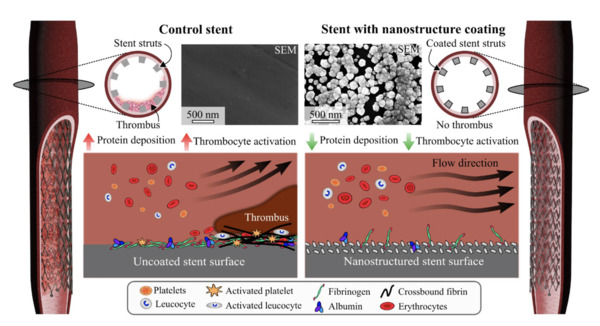
Inherent to any stenting procedure is the prescription of dual antiplatelet therapy (DAPT) to reduce the platelet response. Clinical guidelines recommend 6–12 months of DAPT, depending on stent type, clinical picture and patient factors. Our hypothesis is that a nanostructured noble metal coating has the potential to reduce protein deposition and platelet activation. These effects would reduce subsequent thrombo-inflammatory reactions, potentially mitigating the need for an extensive DAPT in the acute phase. Here, a noble metal nanostructure coating on stents is investigated.
Scoop.it!

In the BuMA-OCT randomised trial, the novel BuMA PLGA-polymer with electro-grafting base layer SES was superior to the EXCEL PLA-polymer SES in the primary endpoint of stent strut coverage at three-month follow-up.
Scoop.it!
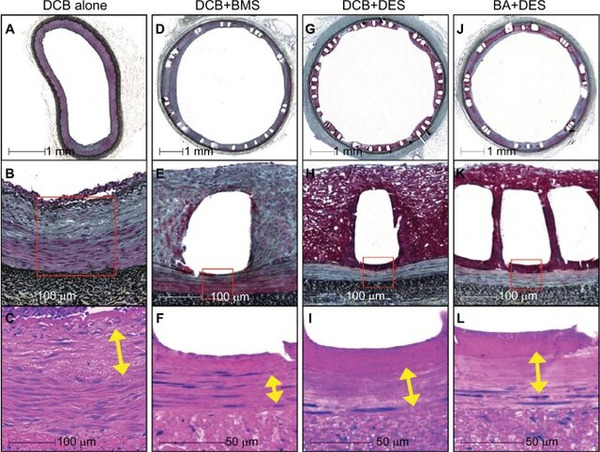
Based on the “strong” results of the IN.PACT AV Access trial across different anatomical regions in native fistulas, he explains, DCBs should be used as “first-line treatment” for stenosis. In his opinion, de novo lesions are the “perfect” place to start DCB treatment, because the paclitaxel has a cytotoxic action for cells in active proliferation.
Scoop.it!

STARS DAPT aims to study the difference between a P2Y12 receptor inhibitor-based single antiplatelet therapy (SAPT) regimen after a short period of dual antiplatelet therapy (DAPT) versus conventional six or 12 months of DAPT. The co-primary endpoints at 12 months are major adverse cardiac and cerebrovascular events and major bleeding complications.
Scoop.it!

This preliminary study failed to demonstrate the superiority of the Abluminus DES+ over the DP-EES in diabetic patients in terms of neointimal proliferation.
Scoop.it!

Platelet-derived growth factor (PDGF) has been implicated in the pathogenesis of arterial atherosclerosis and venous neointimal hyperplasia. We examined the effects of PDGF isoforms on smooth muscle cells (SMCs) from arterial and venous origins in order to further understand the differential responsiveness of these vasculatures to proliferative stimuli. Serum-starved human arterial and venous SMCs exhibited very different proliferative responses to PDGF isoforms. Whereas, proliferation of arterial SMCs was strongly stimulated by PDGF-AA, venous SMCs showed no proliferative response to PDGF-AA, but instead demonstrated a significantly greater proliferative response to PDGF-BB than arterial SMCs. Part of this difference could be attributed to differences in PDGF receptors expression.
Scoop.it!

From
www
Platelets play an important role in the restenosis process after balloon angioplasty. Early experimental studies highlighted this role. Thrombocytopenia inhibits the intimal hyperplasia after arterial injury, provided it is established well before the time of injury and is sustained. Previous experimental studies and clinical trials testing antiplatelet drugs have been disappointing, suggesting that new and more powerful agents, such as the GP IIb/IIIa antagonists, may be required. These agents represent new hope to reduce restenosis after coronary angioplasty, as suggested by 6 months of follow-up in the EPIC study.
Scoop.it!
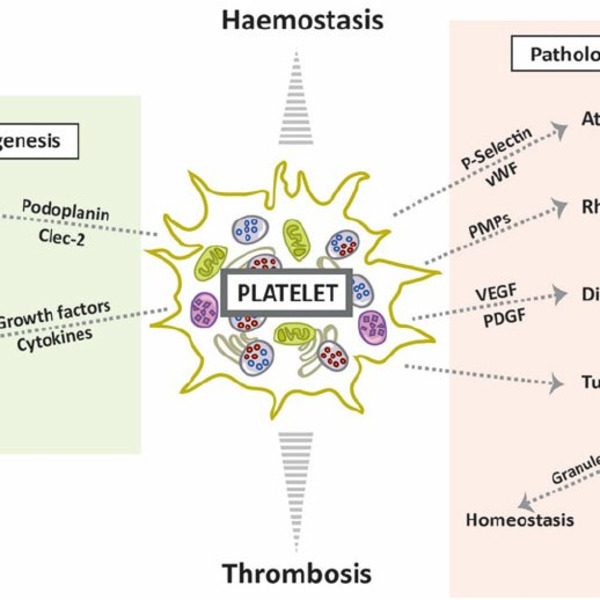
Platelets possess an armory of pro- and anti-angiogenic proteins, which are actively sequestered and highly organized in α-granule populations. Platelet activation facilitates their release, eliciting potent angiogenic responses through mechanisms that appear to be tightly regulated. In conjunction, the release of platelet-derived phospholipids and microparticles has also earned merit as synergistic regulators of angiogenesis. Consequently, platelets have been functionally implicated in a range of angiogenesis-dependent processes, including physiological roles in wound healing, vascular development and blood/lymphatic vessel separation, whilst facilitating aberrant angiogenesis in a range of diseases including cancer, atherosclerosis and diabetic retinopathy.
Scoop.it!

From
www
With their exceptional structural and functional features, platelets play critical roles in hemostasis, vasomotor function, and immunity. In hemostasis, their contribution far exceeds their simple participation in the formation of the ‘platelet plug’. The multiple interactions that exist between platelets, the vessel wall, and the coagulation system complicate the fundamental process of hemostasis and particularly that of thrombosis. Antithrombotic drugs that interfere with platelet functions are under continuous development. The next frontier in this area will probably be reached when antithrombotic drugs that manage to differentiate thrombosis from hemostasis make their way into clinical practice, offering the prospect of safer antiplatelet therapy. Given the rapidly expanding use of the direct oral anticoagulants, establishing their exact impact on platelet functions is another open area for research.
|

Curated by Beeyond
BEEYOND is a consulting company in the field of disruptive innovation, accompanying established companies on out-of-the-core growth strategy, from creation of new concepts to product launch. Reach us at: contact@beeyond.fr.
Other Topics

#dotdot, the community internet

Aidants

Aston-Martin

Augmented & Virtual Reality

Blue Ocean Strategy

Brain Computer Interfaces & connected medical devices

Consumer Digital Health

Covid-19, SARS-Cov-2, vaccines, Remdesivir, Chloroquine...and all that Jazz

Critical Limb-Threatening Ischemia (CLTI)

Daily realities of diabetic patients

Fashion & technology

Healthcare: reloaded...

High level trending in...

In-Vitro Diagnostic

Innovating to what's next...

Instrumental cosmetics

Interventional Cardiology

Intra-Dermal drug delivery: Opportunities and Challenges?

Local delivery for Gene Directed Enzyme Prodrug Therapy
Engineered MSCs with suicide genes delivered intra-arterially to treat various cancers. Local delivery bypasses homing issues that plagued prior GDEPT programs.

Metabolic Activation Therapy

Multiple sclerosis

Neurovascular Intervention

Nudges

Peritoneal dialysis

Solid tumors: latest on treaments and research pathways
glioblastoma, craniopharyngioma...

Tailored Expertise Sourcing & Market Intelligence in Global Consulting

The future of e-cigarette

The Revolution Of The Car Industry

Track & Trace

Transcatheter Treatment of Mitral Regurgitation
|





