Your new post is loading...

|
Scooped by
Beeyond
April 23, 9:28 AM
|
LRP5 interacts with the purinergic ADP receptor P2Y12 on platelets. Upon ADP binding, Gi-coupled P2Y12 activates the PI3K/AKT pathway and inhibits adenylyl cyclase, leading to reduced intracellular cAMP levels. This results in VASP dephosphorylation, increased cytosolic Ca2+ release, and platelet activation with fibrinogen binding to integrin αIIbβ3, promoting aggregation and thrombus formation. When LRP5 is inhibited, P2Y12 signaling is attenuated, leading to higher cAMP levels, increased VASP phosphorylation, and suppression of Ca2+ mobilization. Consequently, platelet activation and aggregation are reduced, thereby decreasing thrombus formation without significantly increasing bleeding risk.
|
|
Scooped by
Beeyond
April 23, 8:59 AM
|
A l'ouverture du groupe des assises du médicament consacré au dispositif médical, j'osais évoquer la possibilité que la prochaine affaire Mediator puisse impliquer un dispositif médical (DM). Je ne m'attarderai pas sur les fermes dénégations qui m'avaient alors été opposées tant par les représentants des industriels que par ceux de l'Afssaps. Le marquage CE allié à la matério-vigilance étaient là pour protéger nos patients… nous pouvions être tranquilles…
|
|
Scooped by
Beeyond
April 22, 3:30 AM
|
The zwitterionic PCBDA formed a hydration layer once it contacted blood, preventing the non–specific adsorption of serum proteins, which further blocked subsequent coagulation and inflammation. The anti–protein adsorption tests showed that the PCBDA/PDA–PEI coating resisted the non–specific adsorption of fibrinogen, which was a positive signal for enhanced anti–coagulation. Moreover, the platelet adhesion/activation tests confirmed its antithrombotic properties. The in vivo tissue response was also greatly suppressed due to the inhibited recognition of PCBDA/PDA–PEI–coated implants by macrophages. Interestingly, unlike traditional zwitterionic polymers, due to the introduction of adhesive catechol moieties, PCBDA supported the growth of endothelial cells, demonstrating its ability to selectively direct the fate of endothelial cells and smooth muscle cells.
|
|
Scooped by
Beeyond
April 20, 10:06 AM
|
Key, 12-month findings demonstrated that most treated AV fistulas were brachiocephalic (51.6%), followed by brachiobasilic (20.8%) and radiocephalic (20.8%); the most common lesion locations were the cephalic arch (25.8%) and venous outflow (25.2%), and lesions were de novo (59.5%) or non-stented restenotic (40.5%).
Target lesion primary patency at 12 months was 70.2% and access circuit primary patency at 12 months was 52.6%. Target lesion and access circuit patency rates were aligned with the 12-month outcomes observed for the IN.PACT AV DCB in the pivotal randomised trial (65.3%, 55.1%, respectively) and better than percutaneous transluminal angioplasty (PTA) rates (46.3%, 35%, respectively).
Fewer than one reintervention per patient was required through 12 months, which is below the average of 1.5 reintervention procedures per year. The serious infection rate at 12 months was 13.4%, below literature reports ranging from 19–23%
|
|
Scooped by
Beeyond
April 18, 5:24 AM
|
Drug-coated balloon (DCB) angioplasty provides an alternative to drug-eluting stents and plain old balloon angioplasty for the treatment of coronary or peripheral artery disease.
The absence of a metallic scaffold with DCB angioplasty compared with stenting might confer a biomechanical and physiological benefit and avoids the implantation of additional stent layers in patients with in-stent restenosis.
A class effect cannot be assumed for DCBs; device manufacturers are challenged with finding the best combination of antiproliferative agent and excipient to achieve optimal clinical and angiographic outcomes.
|
|
Scooped by
Beeyond
April 18, 4:20 AM
|
Coronary artery anomalies (CAAs) are a group of congenital conditions characterized by abnormal origin or course of any of the 3 main epicardial coronary arteries. Although CAAs have been identified as a common underlying condition in young athletes with sudden cardiac death, the widespread use of invasive and noninvasive coronary imaging has led to increased recognition of CAAs among adults. CAAS are often discovered as an incidental finding during the diagnostic workup for ischemic heart disease. The clinical correlates and prognostic implication of CAAs remain poorly understood in this context, and guideline-recommended therapeutic choices are supported by a low level of scientific evidence. Several studies have examined whether assessment of CAA-related myocardial ischemia can improve risk stratification in these patients, suggesting that multimodality imaging and functional tests may be key in the management of CAAs. The aim of this review is to outline definitions, classification, and epidemiology of the most relevant CAAs, highlighting recent advances and the potential impact of multimodality evaluation, and to discuss current therapeutic opportunities.
|
|
Scooped by
Beeyond
April 9, 6:25 AM
|
Despite substantial advances in the secondary prevention of cardiovascular disease, atherosclerosis of the coronary arteries and its consequences remain the leading cause of death worldwide. Residual cardiovascular risk refers to the ongoing risk of recurrent cardiovascular events that persists in patients with coronary artery disease despite receiving optimal secondary prevention treatment and effective control of conventional risk factors. Lifestyle modification and therapies modulating thrombosis, blood pressure and LDL-cholesterol levels represent the standard approach for the prevention of recurrent cardiovascular events in patients with coronary artery disease. However, current evidence-based therapies and lifestyle modification strategies only partially modulate the pathophysiological pathways involved in the progression and destabilization of atherosclerotic disease, and other mechanisms might have an important role, accounting, at least in part, for the residual cardiovascular risk in these patients.
|
|
Scooped by
Beeyond
April 9, 6:19 AM
|
Rather than looking ahead to the next generation of cardiovascular innovations and therapeutics, the European Society of Cardiology, American College of Cardiology, American Heart Association, and the World Heart Federation issued a “special communication” (“Environmental Stressors and Cardiovascular Health: Acting Locally for Global Impact in a Changing World”) redirecting their attention toward environmental risk factors (ERFs), such as noise pollution, artificial light at night, and urbanization. They offer that cardiovascular risk from ERFs surpasses traditional risk factors, like smoking, hypertension, and diabetes, yet none of the cited references substantiate this claim. More so, in these studies, causality with respect to cardiovascular risk is not established, confounders are not reliably controlled, and the relevance to clinical cardiology is effectively nonexistent.
|
|
Scooped by
Beeyond
April 8, 4:31 PM
|
Advances at the intersection of biotechnology, artificial intelligence, electronics and materials science are reshaping how drugs can be delivered inside the body. Intelligent and miniaturized drug delivery devices (IMDDDs) leverage these technologies to achieve precise pharmacokinetics, targeted distribution and programmable release while minimizing toxicity and improving patient adherence.
|
|
Scooped by
Beeyond
April 8, 4:30 PM
|
Drug-coated balloons (DCBs) are devices used for the treatment of both coronary artery disease (CAD) and peripheral artery disease (PAD). One of the hypothesized advantages of DCB angioplasty over stent implantation is that DCB angioplasty does not result in the presence of a permanent metallic scaffold in the vessel wall. However, DCB angioplasty also has some important limitations, such as a potentially lower efficacy compared with other modalities; therefore, the role of DCBs in the treatment of CAD and PAD is not fully defined. Over the past 20 years, many clinical trials have been performed to investigate the use of these devices for a variety of indications.
|
|
Scooped by
Beeyond
April 7, 10:44 AM
|
Among patients with infrainguinal artery disease undergoing endovascular treatment, angioplasty with sirolimus-coated balloons led to a lower incidence of major adverse limb events at 1 year than angioplasty with uncoated balloons.
|
|
Scooped by
Beeyond
April 6, 6:29 AM
|
The academic, all-comers SirPAD trial enrolled 1,252 patients with femoropopliteal or below-the-knee PAD who were randomized to receive either the sirolimus-coated balloon MagicTouch PTA or any uncoated balloon angioplasty. The primary outcome of major adverse limb events (MALE), encompassing major unplanned amputations affecting the target limb or target-lesion revascularization for critical ischemia, occurred in 8.8% of patients enrolled in the sirolimus-coated balloon group vs. 15% in the uncoated balloon group at one year, corresponding to a median unbiased estimate of the risk difference of -4.9%. This difference was both noninferior and superior in favour of MagicTouch PTA (Concept Medical Inc.) vs. uncoated balloon. Furthermore, the authors showed a statistically significant reduction in the composite key secondary endpoint of any unplanned target-limb amputation or any target limb revascularization.
|
|
Scooped by
Beeyond
April 6, 6:28 AM
|
The Magic Touch sirolimus-coated balloon (SCB) was recently introduced in Europe and features robust clinical technology different from other devices on the market. This device is able to deliver a sufficient sirolimus dose to the target segment to reduce neointimal proliferation with very little exposure downstream and no apparent adverse effects at sustained high drug concentrations. The SCB represents a promising novelty within the drug-coated balloon arena due to its mid-term efficacy and safety in the treatment of coronary artery disease, especially in de novo and small-vessel coronary lesions. The purpose of this article is to provide an up-to-date overview of the currently available animal and clinical trial results, as well as to highlight ongoing trials on the Magic Touch SCB.
|
|
Scooped by
Beeyond
April 6, 6:25 AM
|
Stent implantation is widely used to treat coronary artery disease, yet in-stent restenosis (ISR) remains a major clinical challenge. Fractional flow reserve (FFR) is the gold-standard index for evaluating restenosis severity, but current techniques are invasive and unsuitable for continuous monitoring. Here, we present a bioresorbable smart stent platform that enables real-time intravascular pressure sensing and continuous FFR monitoring. The system integrates a MEMS-based LC pressure sensor, fabricated from SU-8 and gold, onto a hybrid 3D-printed vascular stent composed of polycaprolactone (PCL) and polylactic acid (PLA). Structural refinements and an optimized fabrication process enable long-term sensor reliability, minimize signal drift, and maintain stable resonance frequency. Across 100 fabricated devices, the pressure sensors show a resonance frequency of 82.2 ± 1.7 MHz and a sensitivity of 37.48 ± 2.13 kHz/mmHg. In vitro closed-loop fluidic tests using a vascular phantom confirmed the stable, wireless operation of the device and its ability to accurately assess hemodynamic parameters. The dual-sensor configuration enables simultaneous upstream and downstream pressure measurements, yielding FFR values that closely match those from a commercial system (R² = 0.97) under varying stenosis severities. The proposed smart stent offers a promising pathway toward long-term, non-invasive vascular monitoring and early detection of ISR.
|
|
Scooped by
Beeyond
April 4, 12:47 PM
|
The cellular response of human umbilical vein endothelial cells (HUVECs) and human coronary artery smooth muscle cells (HCASMCs) to the two different coated stent-like materials revealed a reduction in HCASMC cell adhesion and proliferation across the OrgSi coating in comparison to uncoated 316 L SS foil. These results suggest that modulation of plasma polymerization conditions in pulsed-DC PECVD results in distinct drug-free coating chemistries that selectively suppress smooth muscle cell adhesion and proliferation through a passive coating.
|
|
Scooped by
Beeyond
March 30, 3:50 AM
|
Drug-coated balloon (DCB) angioplasty provides an alternative to drug-eluting stents and plain old balloon angioplasty for the treatment of coronary or peripheral artery disease.
The absence of a metallic scaffold with DCB angioplasty compared with stenting might confer a biomechanical and physiological benefit and avoids the implantation of additional stent layers in patients with in-stent restenosis.
Several randomized clinical trials have been performed comparing DCB angioplasty with a variety of comparators in both coronary and peripheral artery disease, although more evidence is needed, particularly in de novo coronary artery disease.
|
|
Scooped by
Beeyond
March 30, 3:46 AM
|
Patients at high ischemic or bleeding risk after percutaneous coronary intervention (PCI) require protection against thrombotic events with dual antiplatelet therapy (DAPT) while avoiding bleeding. Although guidelines recommend 12-month DAPT after acute coronary syndrome (ACS), recent trials have tested the safety of early aspirin withdrawal with potent P2Y12-inhibitor monotherapy.
|
|
Scooped by
Beeyond
March 28, 10:34 AM
|
In patients with acute coronary syndromes, the rate of cardiac death, myocardial infarction, or target lesion revascularization was not different 5 years after TiNO-coated stent or after EES implantation.
|
|
Scooped by
Beeyond
March 28, 10:17 AM
|
Stent thrombosis (ST) is a catastrophic event and efforts to reduce its incidence by altering blood-stent interactions are longstanding. A new electret coating technology that produces long-lasting negative charge on stent surface could make them intrinsically resistant to thrombosis. We assessed the thrombogenicity of stents using an annular perfusion model with confocal microscopy, and determined the efficacy of electret coating technology to confer thrombo-resistant properties to standard stents. Using an annular perfusion chamber, Bare Metal Stent (BMS), standard uncoated DES (DES), and Electret-coated DES (e-DES) were exposed to human blood under arterial flow conditions. Deposits of fibrinogen and platelets on the stent surface were analyzed using immunofluorescence staining and confocal microscopy. Surface coverage by fibrinogen and platelets and the deposit/aggregate size were quantified using computerized morphometric analysis.
|
|
Scooped by
Beeyond
March 11, 11:17 AM
|
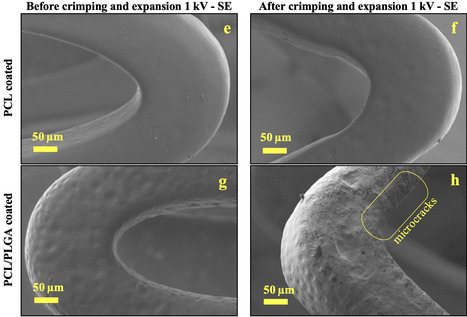
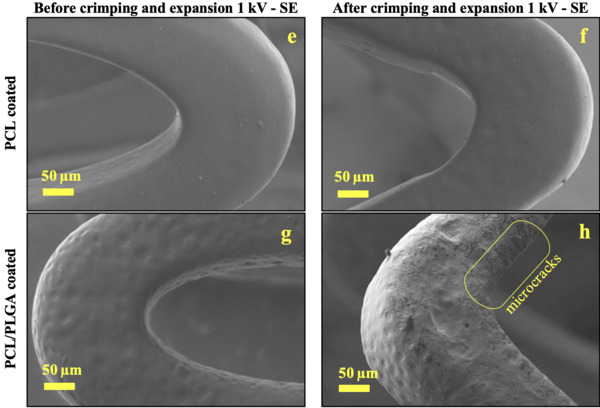
PCL and PLGA coatings on Mg-based alloy stents were studied by EIS. PCL coating significantly improves corrosion resistance; PLGA coating maintains it. Dielectric properties of the coatings were well characterized by the Young model. Polymer coating protection is limited by cracks formed when the stent is deployed. Evaluation of stent corrosion resistance must consider mechanical effects when the stent is deployed.
|
|
Scooped by
Beeyond
March 9, 8:07 AM
|
The current debate in cardiology centers on the use of drug-eluting balloons (DEBs) vs drug-eluting stents (DESs) in de novo lesions. However, to reach this conclusion, it must be shown that the balloon is superior to the stent, the standard treatment in patients presenting with acute myocardial infarction. A recent study concluded that in patients with diffuse de novo coronary artery disease, intervention with a balloon was associated with a significant reduction in major adverse cardiovascular events compared with intervention with a stent.
|
|
Scooped by
Beeyond
March 9, 8:07 AM
|
Airiver Medical, a clinical stage company developing technologies to help patients who suffer from certain respiratory tract conditions, was granted designation as a Breakthrough Device from the U.S. Food and Drug Administration (FDA) for its Airiver Pulmonary Drug Coated Balloon (DCB) to treat central airway stenosis.
The FDA Center for Devices and Radiological Health (CDRH) granted Airiver Medical the Breakthrough Device Designation to expedite development of its Pulmonary Drug Coated Balloon (DCB) for patient access because it has a reasonable chance of providing more effective treatment or diagnosis of life-threatening or irreversibly debilitating human disease or conditions than the current standard of care.
|
|
Scooped by
Beeyond
March 8, 8:35 AM
|
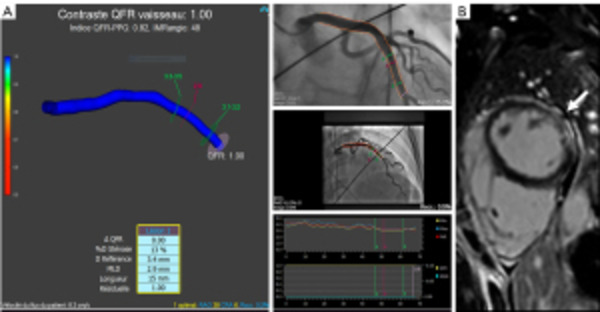
Obstructive coronary disease remains a leading cause of sudden cardiac death (SCD). The management of SCD therefore involves coronary angiography. Our aim was to evaluate whether the non-hyperemic angiography-derived microcirculatory resistance index (NH-IMRangio) could be an easy-to-use tool for identifying patients with electrical heart disease (EHD) from patients with other causes of SCD.
|
|
Scooped by
Beeyond
February 23, 4:05 AM
|
As per international guidelines, coronary lesions are primarily treated with drug-eluting stents (DESs). While DESs have demonstrated good clinical outcomes, even the latest generations remain associated with restenosis, vessel thrombosis, and myocardial infarction (MI), investigators state in a press release. In addition, DES carry an intrinsic thrombotic risk, requiring dual antiplatelet therapy (DAPT). However, elderly patients and those at high bleeding risk (HBR) have a cumulative increase in adverse events, including a higher thrombotic risk after angioplasty with DES.
|
|
Scooped by
Beeyond
February 23, 4:05 AM
|
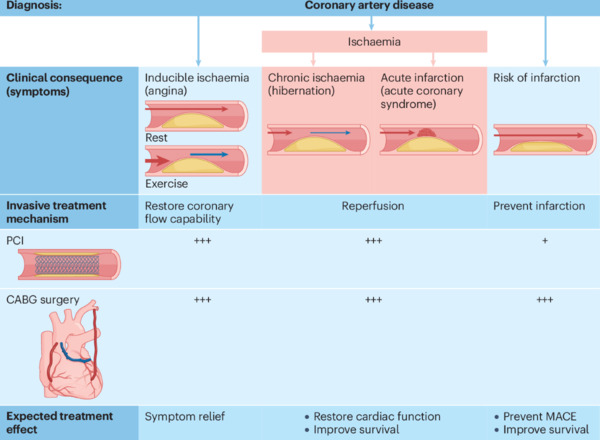
The available evidence supports the optimization of medical therapy as the first-line therapeutic approach for most patients with non-acute myocardial ischaemic syndromes.
Physicians should carefully consider selected patients who might benefit from invasive therapy with percutaneous coronary intervention or coronary artery bypass graft surgery.
Patients with persistent symptoms who are unable to tolerate up-titration of medications might be candidates for early percutaneous coronary intervention to improve symptoms, especially for non-complex coronary artery disease.
Selecting appropriate high-risk patients who would benefit from coronary artery bypass graft surgery continues to be supported by the evidence for improved event-free survival.
|

Curated by Beeyond
BEEYOND is a consulting company in the field of disruptive innovation, accompanying established companies on out-of-the-core growth strategy, from creation of new concepts to product launch. Reach us at: contact@beeyond.fr.
|