Your new post is loading...

|
Scooped by
Beeyond
September 14, 2025 9:45 PM
|
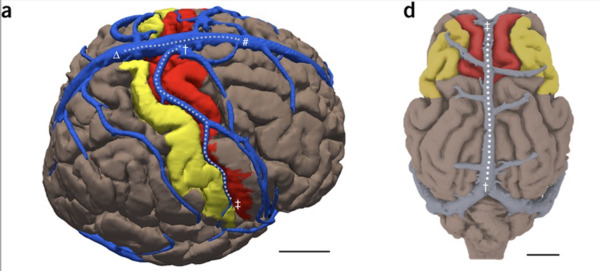
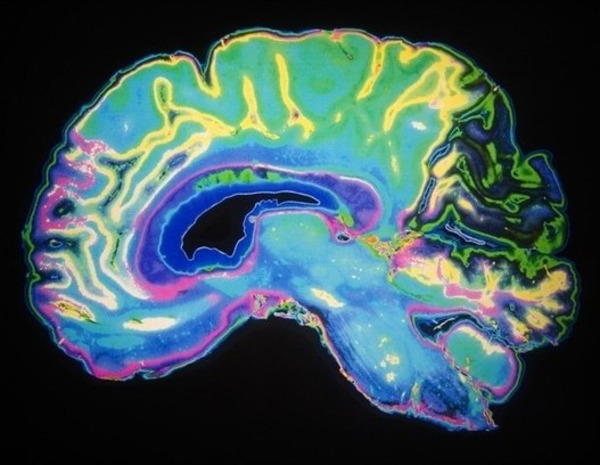
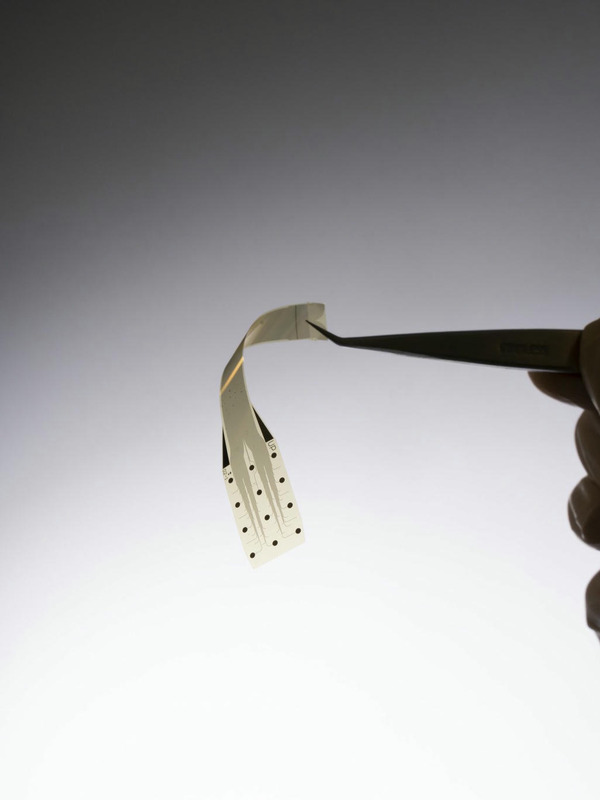
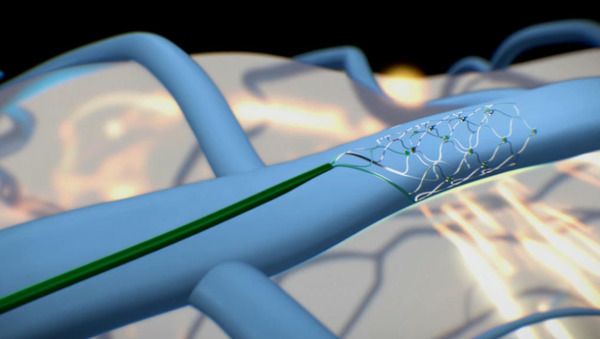
High-fidelity intracranial electrode arrays for recording and stimulating brain activity have facilitated major advances in the treatment of neurological conditions over the past decade. Traditional arrays require direct implantation into the brain via open craniotomy, which can lead to inflammatory tissue responses, necessitating development of minimally invasive approaches that avoid brain trauma. Here we demonstrate the feasibility of chronically recording brain activity from within a vein using a passive stent-electrode recording array (stentrode).
|
|
Scooped by
Beeyond
September 14, 2025 9:43 PM
|
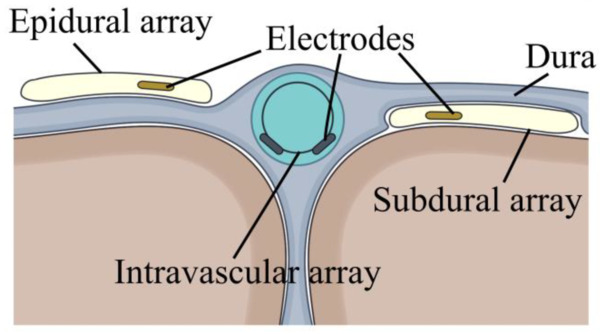
The impact of placing electrodes within a blood vessel and adjacent to the blood vessel wall was most obvious when looking at the phase responses at frequencies below 10 kHz. Conclusion: Our results show that intravascular electrodes, like those in subdural and epidural positions, show electrical properties that are suitable for recording. These results provide support for the use of intravascular arrays in clinically relevant neural prostheses and diagnostic devices. Significance: Comparison of electrochemical impedance of the epidural, intravascular, and subdural electrode array showed that all three locations are possible placement options, since impedances are in comparable ranges.
|
|
Scooped by
Beeyond
September 14, 2025 9:37 PM
|
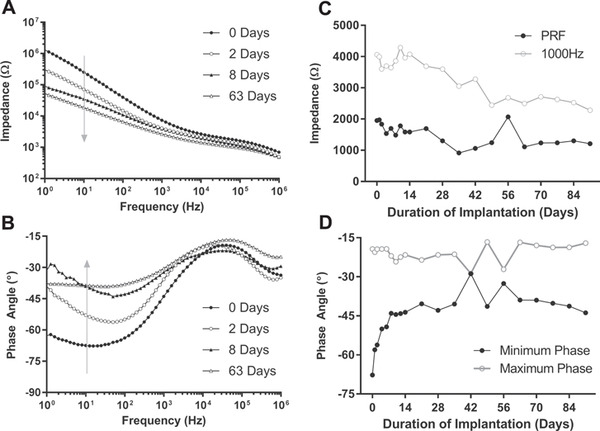
This work demonstrated that EIS could be used to determine the viability of electrode implanted chronically within a blood vessel. Impedance measurements alone were not observed to be a useful predictor of alterations occurring at the electrode tissue interface. However, measurement of 100 Hz phase angles was in good agreement with the capacitive changes predicted by the ECM and consistent with suggestions that this represents protein absorption on the electrode surface. 100 Hz phase angles stabilized after 8 days, consistent with histologically assessed samples.
|
|
Scooped by
Beeyond
August 21, 2025 5:52 PM
|
A Harvard startup is developing a softer device to monitor head injuries — one that doesn’t damage surrounding tissue.
|
|
Scooped by
Beeyond
August 7, 2025 5:11 PM
|
Tadalafil, which has the longest half-life among PDE-5 inhibitors, does not prevent endothelial apoptosis as much as nimodipine, but it still prevents smooth muscle cell proliferation in the tunica media, restores damaged endothelial integrity, increases cerebral blood flow, and is thought to have various neuroprotective functions through the PI3K/AKT/eNOS signaling pathway. We believe that more in-depth research on tadalafil in the future will prove the therapeutic potential of this drug for DCI.
|
|
Scooped by
Beeyond
August 7, 2025 5:04 PM
|
While current iBCI research predominantly focuses on device performance metrics, a critical need is emerging to rigorously assess clinical outcomes.The review found that only 17.9% of studies prospectively measured patient clinical outcomes, and these assessments were highly varied due to differing patient populations and methodologies.
|
|
Scooped by
Beeyond
August 7, 2025 4:50 PM
|
Une faille critique dans la technologie eSIM a été découverte par des chercheurs. Présente sur plus de deux milliards d’appareils IoT, cette vulnérabilité permet d’installer des programmes malveillants et de voler des données. La faille a été colmatée.
|
|
Scooped by
Beeyond
August 7, 2025 4:49 PM
|
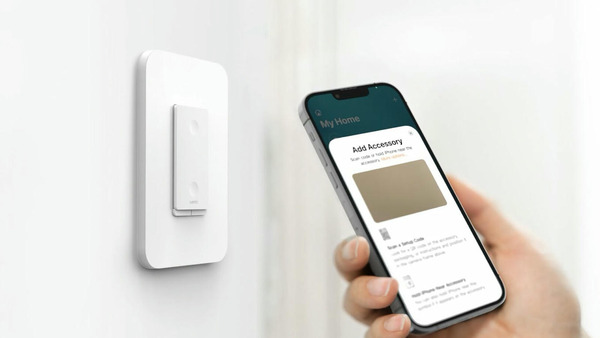
Belkin abandonne sa gamme domotique WeMo, laissant sur le carreau une partie de ses clients. Dès l’année prochaine, la majorité des produits ne fonctionneront plus, sauf quelques rares exceptions compatibles HomeKit. La fin de cette gamme marque aussi les limites pénibles du marché de la maison connectée.
|
|
Scooped by
Beeyond
August 7, 2025 4:48 PM
|
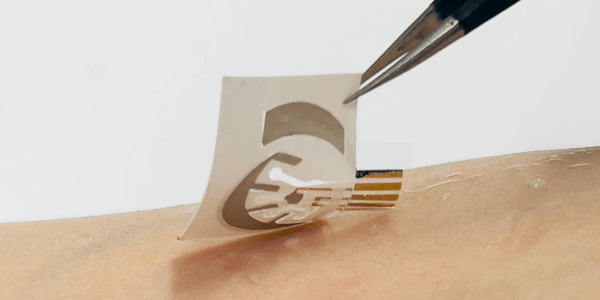
Although lithium is highly effective to treat bipolar disorder, the chemical has a narrow therapeutic window—too high a dose can be toxic to patients, causing kidney damage, thyroid damage, or even death, while too low a dose renders the treatment ineffective.
The dose of lithium varies between individuals based on body weight, diet, and other physiological factors, and requires regular measurement of lithium levels in the blood. Currently, this is only available through standard laboratory-based blood draws, which can be time-consuming, inconvenient, and painful. This makes personalized and easily-accessible lithium monitoring an important goal in the treatment for bipolar disorder.
|
|
Scooped by
Beeyond
August 7, 2025 2:41 PM
|
Emy est un dispositif connecté ludique et médical qui permet aux femmes de renforcer leur périnée à domicile, en toute autonomie et discrétion.
|
|
Scooped by
Beeyond
August 7, 2025 2:36 PM
|
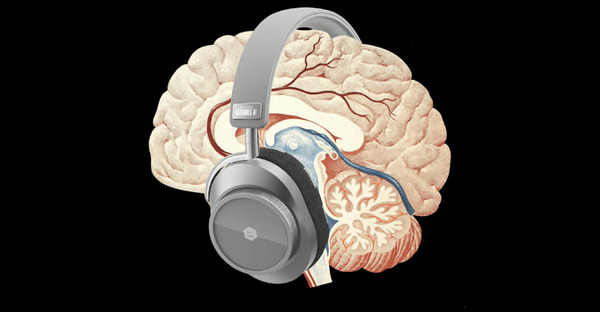
For the past few months, when I really needed to get something done, I put on a special pair of headphones that could read my mind. Well, kind of. The headphones are equipped with a brain-computer interface that picks up electrical signals from my brain and uses algorithms to interpret that data. When my focus starts to slip, the headphones know it, and an app tells me to take a break.
|
|
Scooped by
Beeyond
August 7, 2025 2:36 PM
|
InBrain says its technology utilizes the unique properties of graphene, a material known for its strength, flexibility and conductivity, combined with machine learning software to provide highly targeted and adaptive neuroelectronic therapy. InBrain's implant is only 10 micrometers thick—thinner than a human hair—and is designed to safely decode and modulate neural signals with high accuracy. The company has set its sights on developing personalized treatments for conditions such as Parkinson’s disease, epilepsy and stroke rehabilitation.
|
|
Scooped by
Beeyond
August 7, 2025 2:34 PM
|
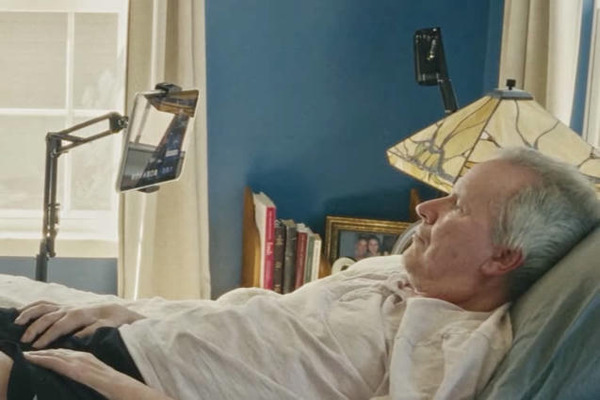
Synchron vient de montrer la dernière capacité de son implant Stentrode : contrôler un iPad par la pensée. Une prochaine mise à jour du système d’exploitation permettra aux appareils d’Apple d’être pilotés directement par les implants cérébraux, offrant une nouvelle forme d’indépendance pour les personnes paralysées.
|
|
Scooped by
Beeyond
August 7, 2025 2:33 PM
|
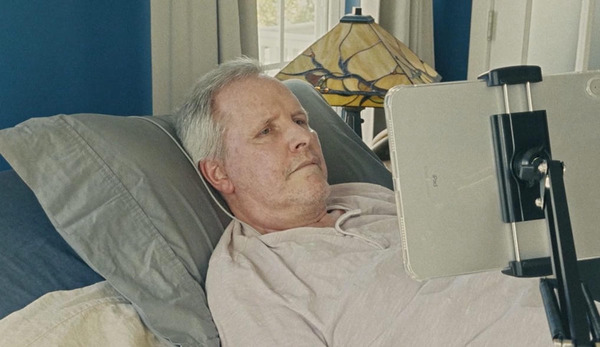
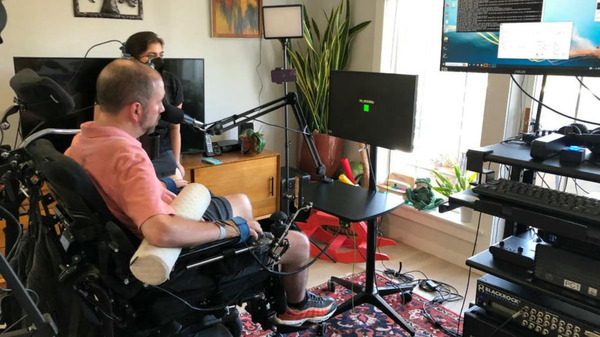
A groundbreaking moment in technology and accessibility has emerged, as an individual has successfully controlled an iPad using only brain signals. There was no physical touch involved, no voice commands, no eye tracking - just the power of thought. The individual, named Mark, living with ALS, a condition that severely limits voluntary movement, has managed to use Apple's new brain‑computer interface (BCI) protocol and Synchron's implantable Stentrode device to communicate with an iPad via just his thoughts.
|
|
Scooped by
Beeyond
August 7, 2025 2:32 PM
|
Apple continue de plancher sur le contrôle cérébral de ses appareils. Au mois de mai avait circulé le témoignage de Mark Jackson, un homme lourdement handicapé aux muscles paralysés ayant tout de même pu utiliser un Vision Pro. Une nouvelle vidéo le montre maintenant utiliser un iPad de manière avancée : il se promène sur l’écran d’accueil, lance des apps et tape du texte, le tout sans bouger ses mains ou ses yeux.
|
|
Scooped by
Beeyond
July 2, 2025 10:11 AM
|
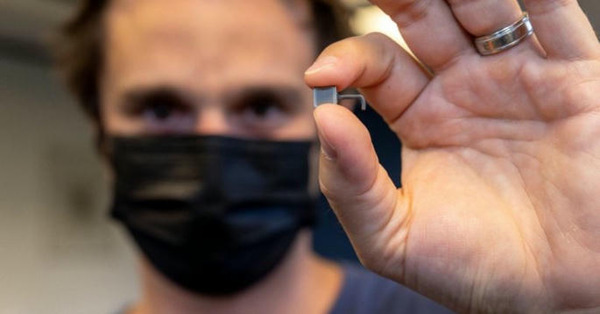
Recently, a neurotech company called Paradromics made headlines by successfully implanting its brain-computer interface (BCI) in a human for the first time. The procedure happened at the University of Michigan during a patient's routine epilepsy surgery.
The device was both placed and removed in just about 20 minutes, a quick turnaround for such a complex technology. This achievement is a big deal for Paradromics, which has been working on this brain implant technology for nearly 10 years.
|
|
Scooped by
Beeyond
July 2, 2025 10:10 AM
|
Dans une interview avec Y Combinator, Elon Musk a expliqué que son implant était déjà fonctionnel chez des singes et que l'un d'eux était équipé d'un implant Blindsight depuis trois ans. Selon lui, la définition serait assez basse au début - ce qu'il avait déjà comparé par le passé aux graphismes de l'Atari - « mais à long terme, vous aurez une très haute résolution et pourrez voir des longueurs d'onde multispectrales, de sorte que vous pourrez voir un radar, l'infrarouge et l'ultraviolet, comme un superpouvoir ».
|
|
Scooped by
Beeyond
July 2, 2025 10:09 AM
|
The implant allows those with cervical spinal cord injuries or amyotrophic lateral sclerosis (ALS) to control a computer with their thoughts. In a February 2025 update, Neuralink confirmed that three people had received its brain-computer interface (BCI). That increased to five by June, when it also reported a $650 million funding round. We're now at seven, Barrow tweeted today; Neuralink retweeted that message.
|
|
Scooped by
Beeyond
July 2, 2025 10:08 AM
|
"It seems that a lot of the comments here are from people that do not fully understand the deaf/hard of hearing community. Please correct me if I misunderstand what my daughter (who has profound hearing loss) has explained to me. Us hearing people THINK that we are being."
|
|
Scooped by
Beeyond
July 2, 2025 10:06 AM
|
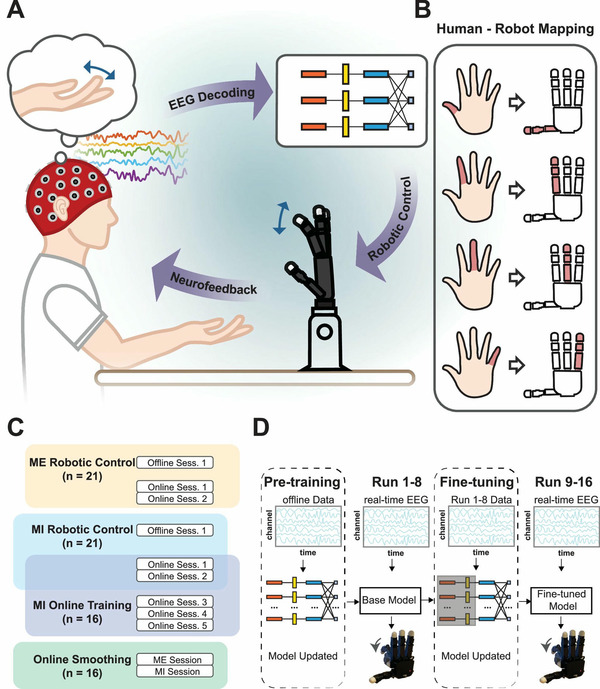
Advancements in brain-computer interface (BCI) technology are paving the way for remarkable innovations in assistive robotics, particularly in the realm of prosthetic devices. The latest research conducted by a team at Carnegie Mellon University, led by professor Bin He, reveals a groundbreaking achievement in noninvasive BCIs, allowing for real-time control of robotic hands at the individual finger level. This represents a significant leap forward in the application of BCIs, which have the capacity to revolutionize the everyday lives of individuals with disabilities.
|
|
Scooped by
Beeyond
July 2, 2025 10:05 AM
|
While invasive BCIs have demonstrated the ability to control robotic systems with high precision, their reliance on risky surgical implantation and ongoing maintenance restricts their use to a limited group of individuals with severe medical conditions.
Carnegie Mellon University professor Bin He has spent over two decades investigating noninvasive BCI solutions, particularly those based on electroencephalography (EEG), that are surgery-free and adaptable across a range of environments.
|
|
Scooped by
Beeyond
July 2, 2025 10:04 AM
|
The heart of this system is four microelectrode arrays, surgically implanted in the part of the brain responsible for producing speech. These tiny devices pick up the neural activity that happens when someone tries to speak. The signals are then fed into an AI-powered decoding model, which converts them into audible speech in just ten milliseconds. That's so fast, it feels as natural as a regular conversation.
|
|
Scooped by
Beeyond
June 14, 2025 8:54 AM
|
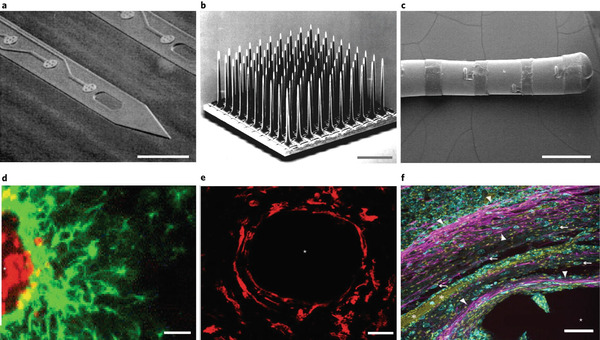
Probe insertions generate inflammatory responses to acute tissue injuries and the introduction of foreign bodies, known as “foreign body response” (FBR). Chronic neuroprosthetic implants in rats at 16 weeks in contrast to 8 weeks have been shown to increase neuronal and dendritic loss, correlate with tau hyperphosphorylation seen in Alzheimer's disease and other tauopathies, and impede regeneration and recording of activity surrounding the device (McConnell et al., 2009). Assessments of acute proinflammatory events and chronic progression have largely centered on histological analyses of non-neuronal central nervous system (CNS) cells such as microglia, astrocytes and oligodendroglia, including their contribution to neuroinflammation and glial scars.
|
|
Scooped by
Beeyond
June 14, 2025 8:52 AM
|
In conclusion, our 3D brain slice injury model was successful as a tool for testing a biomaterial implantation therapy, highlighting the use of complex organotypic models for biomaterial testing, to close the gap between simple in vitro 2D models and complex in vivo models. The slices require technically simple procedures and limited training, and are highly cost-effective and humane versus live animal models. Accordingly, they offer the capacity to become a standardised screening model to evaluate neuromaterials, prior to therapeutic testing in live animal models.
|
|
Scooped by
Beeyond
June 13, 2025 12:21 PM
|
Paradromics has achieved a significant breakthrough in brain-computer interface (BCI) technology, marking a pivotal moment for neurotechnology and the future of communication for people with severe motor impairments. On May 14, at the University of Michigan, the Texas-based startup completed the first successful human implantation of its Connexus BCI, signalling its entry into clinical-stage operations and intensifying the race among neurotech innovators.
|

Curated by Beeyond
BEEYOND is a consulting company in the field of disruptive innovation, accompanying established companies on out-of-the-core growth strategy, from creation of new concepts to product launch. Reach us at: contact@beeyond.fr.
|