Your new post is loading...

|
Scooped by
Beeyond
August 5, 2024 4:11 AM
|
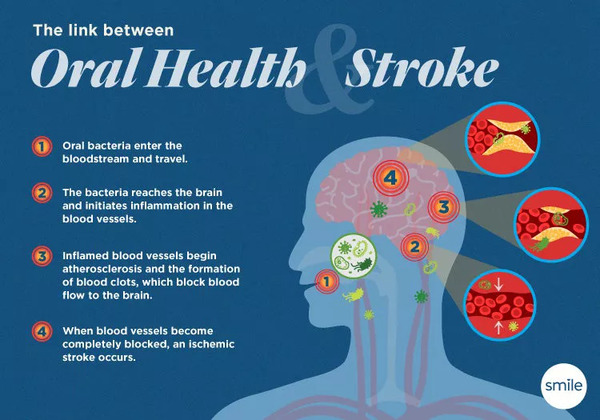
Oral health and the level of oral hygiene in patients hospitalized because of ischemic stroke, in comparison with that in a healthy population, is not satisfactory. Active interdisciplinary collaboration between various medical specialists in the therapy of patients with general illnesses, including stroke, is strongly recommended.
|
|
Scooped by
Beeyond
August 5, 2024 4:08 AM
|
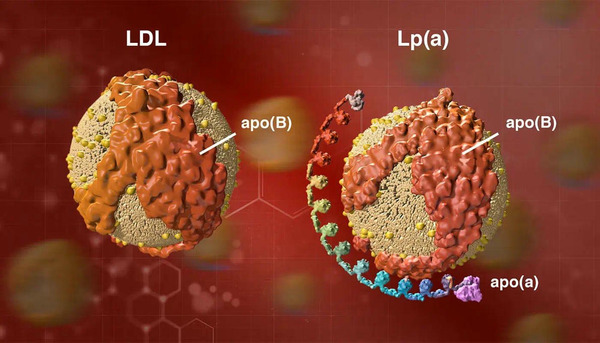
Lp(a) does its damage by connecting with cholesterol and causing fatty material builds up in the artery walls. It is not the same as LDL cholesterol, but rather an LDL-like particle that contains apo(a) linked to a single apoB molecule. Bittner cited work in the Journal of the American College of Cardiology that found while Lp(a) particles were less abundant than LDL particles, when present Lp(a) is far more dangerous: about 6 times more atherogenic than LDL.
|
|
Scooped by
Beeyond
August 1, 2024 7:10 PM
|
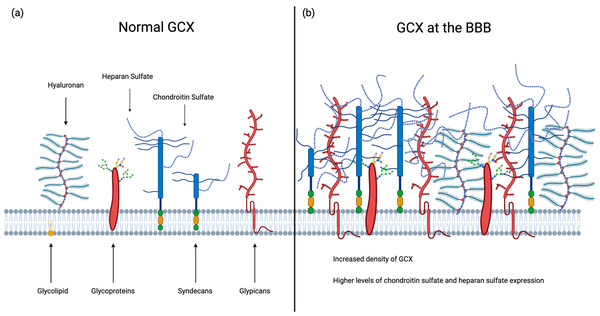
The endothelial glycocalyx (GCX), located on the luminal surface of vascular endothelial cells, is composed of glycoproteins, proteoglycans, and glycosaminoglycans. It plays a pivotal role in maintaining blood–brain barrier (BBB) integrity and vascular health within the central nervous system (CNS), influencing critical processes such as blood flow regulation, inflammation modulation, and vascular permeability. While the GCX is ubiquitously expressed on the surface of every cell in the body, the GCX at the BBB is highly specialized, with a distinct composition of glycans, physical structure, and surface charge when compared to GCX elsewhere in the body.
|
|
Scooped by
Beeyond
July 19, 2024 3:49 PM
|
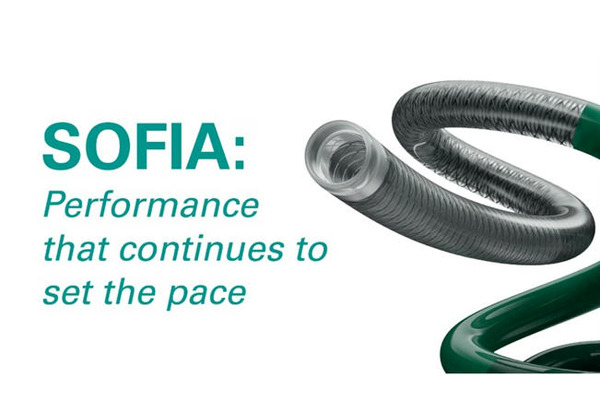
The SOFAST study assessed the Sofia flow plus aspiration catheter in the treatment of acute ischaemic stroke caused by large vessel occlusion. It involved 108 patients, and aimed to confirm the catheter’s safety, speed and effectiveness in revascularisation.
|
|
Scooped by
Beeyond
July 19, 2024 3:48 PM
|
“The publications on our NET micro-filtration technology highlight the significant value it brings to patients,” said Gustavo Prado, vice president of Development and Operations at Vesalio. “Both studies show higher first-pass rates and fewer distal emboli compared to competitors, with notable success in preventing emboli larger than 1mm. As clinical research consistently reiterates the importance of rapid, high-quality recanalisation for better patient outcomes, these findings are very encouraging.”
|
|
Scooped by
Beeyond
July 19, 2024 3:45 PM
|
According to the company, Sensome’s clot-sensing guidewire integrates the world’s smallest electrical impedance sensor with machine learning, and is being developed to instantly identify clot composition and clot length, in real time, in order to inform treatment approaches during mechanical thrombectomy. The smart guidewire has the potential to be the first device to accurately identify clot length in fully occluded arteries in situ, as well as the first to characterise clots that remain in the body after failed removal attempts, the release adds.
|
|
Scooped by
Beeyond
July 19, 2024 3:39 PM
|
Astrocytes, star-shaped glial cells in the brain, play a crucial role in learning and memory by regulating synaptic plasticity. Researchers developed a biophysical model showing how astrocytes interact with nerve cells to facilitate rapid adaptation to new information. The study reveals that astrocyte dysfunction can significantly impair cognitive processes. This research bridges the gap between theoretical models of plasticity and experimental findings, offering new therapeutic possibilities targeting astrocytes to enhance cognitive functions.
|
|
Scooped by
Beeyond
July 19, 2024 3:36 PM
|
Anaconda Biomed S.L., a medical technology company developing next-generation thrombectomy systems, has announced that it has received conditional IDE approval from the U.S. Food and Drug Administration to begin the ATHENA study of its ANA Funnel Catheter. The prospective, randomised, dual-arm, multi-center study will assess the safety and effectiveness of mechanical thrombectomy using the ANA5 Advanced Neurovascular Access (ANA Funnel Catheter) in combination with a stent retriever.
|
|
Scooped by
Beeyond
July 15, 2024 8:11 AM
|
There are preventative measures you can take to reduce your risk of having a stroke. Expert provides knowledge on what happens in the body when a stroke occurs, and insight on the recovery process.
|
|
Scooped by
Beeyond
July 11, 2024 10:28 AM
|
Finally, in patients with CAD, P2Y12 inhibitor monotherapy was associated with a lower risk of cardiovascular death, MI, and stroke compared with aspirin monotherapy. This association is mainly attributed to a lower risk of myocardial infarction, which resulted in a decreased risk of non-acute coronary syndrome events. The incidences of major bleeding and gastrointestinal bleeding were similar in both groups. Nevertheless, the incidence of hemorrhagic stroke was found to be lower in patients receiving monotherapy with a P2Y12 inhibitor. The available randomized data indicates that long-term P2Y12 inhibitor therapy may be a more appropriate choice than aspirin monotherapy for secondary prevention in patients with CAD.
|
|
Scooped by
Beeyond
July 2, 2024 6:42 AM
|
Epidemiological studies have demonstrated that the Mediterranean diet, which is rich in resveratrol, is associated with a significantly reduced risk of cardiovascular disease. However, the molecular mechanisms that underlie the beneficial effects of resveratrol on cardiovascular function remain incompletely understood. Therefore, we set out to identify the molecular target(s) mediating the protective action of resveratrol on vascular function.
|
|
Scooped by
Beeyond
July 2, 2024 2:11 AM
|
Astaxanthin, a natural antioxidant carotenoid, has been shown to reduce cerebral ischemic injury in rodents. However, there have not been any studies specifically addressing whether preventive administration of astaxanthin can protect against cerebral ischemia. The purpose of this study was to examine whether pretreatment of astaxanthin can protect against ischemic injuries in the adult rats. The rats were pre-administered intragastrically with astaxanthin for seven days (once a day), and middle cerebral artery occlusion was performed at 1 h after the final administration. It was found that astaxanthin prevented neurological deficits and reduced cerebral infarction volume.
|
|
Scooped by
Beeyond
July 2, 2024 12:50 AM
|
To date, there is no periadventitial drug delivery method available in the clinic to prevent restenotic failure of open vascular reconstructions. Resveratrol is a promising anti-restenotic natural drug but subject to low bioavailability when systemically administered. In order to reconcile these two prominent issues, we tested effects of periadventitial delivery of resveratrol on all three major pro-restenotic pathologies including intimal hyperplasia (IH), endothelium impairment, and vessel shrinkage.
|
|
Scooped by
Beeyond
July 2, 2024 12:43 AM
|
The findings from clinical studies on the effects of resveratrol on cardiovascular disease are difficult to interpret because the effects on both vascular and endothelial outcomes are inconsistent, and rather unrelated to the dose. In fact, most studies supplementing red wine, even dealcoholized type (to eliminate the potential confounding effect of alcohol) resulted in significant effects although the resveratrol content was, on average, much lower than tablet supplementation (about 1–3 mg/day vs. 100–300 mg/day), while other studies with often extreme resveratrol supplementation (i.e., >500 mg/day) resulted in null findings. The conflicting findings from RCTs could be potentially explained through the differences in the real exposure to resveratrol metabolites, in part attributed to the interindividual variations in the physiological response to resveratrol intake due to differences in gut microbiota composition.
|
|
Scooped by
Beeyond
July 2, 2024 12:37 AM
|
Studies utilizing cell cultures and pre-clinical models showed that resveratrol alleviates oxidative stress and inflammation. Furthermore, resveratrol suppresses vascular smooth muscle cell proliferation, promotes autophagy, and has been investigated in the context of vascular senescence. Pre-clinical models unambiguously demonstrated numerous vasculoprotective effects of resveratrol. In clinical trials, resveratrol moderately diminished systolic blood pressure in hypertensive patients, as well as blood glucose in patients with diabetes mellitus. Yet, open questions remain, as exemplified by a recent report which states that the intake of resveratrol might blunt certain positive effects of exercise in older persons, and further research addressing the framework for long-term use of resveratrol as a food supplement, will stay in demand.
|
|
Scooped by
Beeyond
July 2, 2024 12:23 AM
|
Paclitaxel/resveratrol-coated balloons were effective and safe in animal studies. Beyond acting as excipient resveratrol may contribute to vascular healing.
|
|
Scooped by
Beeyond
July 2, 2024 12:19 AM
|
The many putative beneficial effects of the polyphenol resveratrol include an ability to bolster endogenous antioxidant defenses, modulate nitric oxide synthesis, and promote vasodilation, which thereby improves blood flow. Resveratrol may therefore modulate aspects of brain function in humans.
|
|
Scooped by
Beeyond
July 1, 2024 9:47 AM
|
The flow diverter is becoming a standard device for treating cerebral aneurysms. The aim of this in vitro study was to evaluate the impact of flow complexity on the effectiveness of flow diverter stents in a cerebral aneurysm model. The flow pattern of a carotid artery was decomposed into harmonics to generate four flow patterns with different pulsatility indexes ranging from 0.72 to 1.44. The effect of flow diverters on the aneurysm was investigated by injecting red dye or erythrocytes as markers.
|
|
Scooped by
Beeyond
July 1, 2024 9:42 AM
|
The efficacy of flow diverters is influenced by the strut configuration changes resulting from size discrepancies between the stent and the parent artery. This study aimed to quantitatively analyze the impact of size discrepancies between flow diverters and parent arteries on the flow diversion effects, using computational fluid dynamics. Four silicone models with varying parent artery sizes were developed. Real flow diverters were deployed in these models to assess stent configurations at the aneurysm neck. Virtual stents were generated based on these configurations for computational fluid dynamics analysis.
|
|
Scooped by
Beeyond
July 1, 2024 9:39 AM
|
The predicted FD-PASS flow-diversion success rates replicate the values previously reported in three clinical trials. The in-silico approach allows broader investigation of factors associated with insufficient flow reduction than feasible in a conventional trial. Our findings demonstrate that in-silico trials of endovascular medical devices can: (i) replicate findings of conventional clinical trials, and (ii) perform virtual experiments and sub-group analyses that are difficult or impossible in conventional trials to discover new insights on treatment failure, e.g. in the presence of side-branches or hypertension.
|
|
Scooped by
Beeyond
July 1, 2024 9:29 AM
|
The findings do not support the addition of percutaneous transluminal angioplasty and stenting to medical therapy for the treatment of patients with symptomatic severe intracranial atherosclerotic stenosis.
|
|
Scooped by
Beeyond
June 29, 2024 2:43 AM
|
Herein, we report an in vivo study of a biodegradable flow diverter (BDFD) for aneurysm occlusion. Conceptually, BDFDs induce a temporal flow‐diverting effect and provide a vascular scaffold for neointimal formation at the neck of the aneurysm until occlusion. This offers several potential advantages, including a reduced risk of remote ischemic complications and more treatment options in case of device failure to occlude the aneurysm.
|
|
Scooped by
Beeyond
June 29, 2024 2:41 AM
|
The neurointerventional community has rapidly entered an era of flow diversion and disruption, with the latter being looked to for its independence of dual antiplatelet therapy. This may be a boon particularly in ruptured aneurysms, and safety in unruptured lesions is promising. Limited data likely reflect a learning curve for some devices, and outcomes are improving with experience. Further studies are needed to relate technical specifications to device performance and outcomes, and hence optimize usage, particularly for the most challenging aneurysm presentations.
|
|
Scooped by
Beeyond
June 29, 2024 2:39 AM
|
The PLLA-FD is feasible for the treatment of intracranial aneurysms and was as effective as the CoCr-FD in this study. No morphological and pathological adverse events were observed with bioresorbable PLLA-FD over a 1-year period. There continues to be a need to improve healing rate by increasing radial force and achieving radiographic visibility.
|
|
Scooped by
Beeyond
June 25, 2024 12:40 AM
|
GE HealthCare and MediView XR, Inc. announce the first installation and clinical use of augmented reality solution OmnifyXR Interventional Suite at North Star Vascular and Interventional in Minnesota. Heads-up holographic display aims to transform the interventional room and help advance the delivery of precision care across a variety of interventional procedures.
|

Curated by Beeyond
BEEYOND is a consulting company in the field of disruptive innovation, accompanying established companies on out-of-the-core growth strategy, from creation of new concepts to product launch. Reach us at: contact@beeyond.fr.
|