Your new post is loading...

|
Scooped by
Beeyond
October 31, 2024 7:06 PM
|
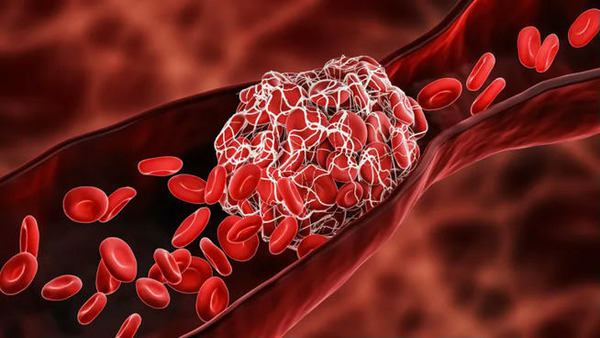
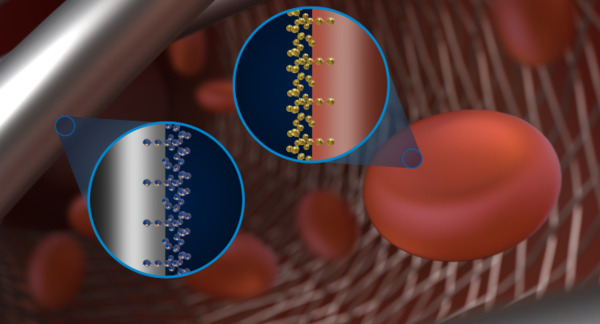
Blood-repellency based on superhydrophobic surfaces has shown promise in numerous studies and could be a new way toward antithrombic surfaces compared to the commonly utilized smooth surfaces. Several different mechanisms have been proposed, but the full picture of the effect of the topography and the role of superhydrophobicity is not yet clear. A typical superhydrophobic surface, composed of a nanoscale topography and a hydrophobic surface chemistry, would have less overall area for platelet adhesion and uniform adhesion areas smaller than platelet-sized.
|
|
Scooped by
Beeyond
October 29, 2024 8:21 AM
|
"Women with a history of migraine with aura have an increased risk for stroke, especially along with factors such as smoking or oral contraceptives. Another is preeclampsia -- a complication of pregnancy -- which doubles the risk of stroke after the fact but is rarely considered," Dr. Sumit Singh, Chief-Neurology, Artemis Hospitals
|
|
Scooped by
Beeyond
October 28, 2024 7:37 AM
|
The Occlusion Devices market research report comprises a thorough examination of the current and future scenario of this industry vertical. The research highlights major trends and opportunities, as well as challenges, for various segments and sub-segments, while broadening the company horizon. The study report also includes extensive information based on past and present patterns across several industry verticals to help find various expansion prospects. Throughout the forecast period, several estimations regarding market share, market size, and industry growth rate are presented. The research includes information on competitive analysis as well as consumption habits and pricing strategies depending on the Occlusion Devices market.
|
|
Scooped by
Beeyond
October 28, 2024 7:35 AM
|
The study finds substantial and sustained improvements in acute stroke care among those in the quality improvement program. Reviewing two decades of data, researchers found increased adherence to evidence-based stroke care translates to better clinical outcomes and, ultimately, more patients being discharged home or to a skilled nursing facility more quickly.
|
|
Scooped by
Beeyond
October 21, 2024 5:54 PM
|
Aspirin hypersensitivity represents a significant clinical challenge in patients with CAD who require aspirin as part of an antithrombotic treatment. The percentage of patients reporting aspirin hypersensitivity is in fact high, although the real prevalence is low in general population, making it crucial to identify those patients who really are hypersensitive. The mechanisms underlying aspirin hypersensitivity, moreover, are not fully understood, and further studies are needed to better understand the pathophysiology beneath this condition. Despite these challenges, and depending on the clinical setting, multiple strategies are available to allow aspirin administration in patients with CAD and reporting drug hypersensitivity, and suspicion of this condition should not automatically deter the use of aspirin. The low-dose ASA challenge and desensitization are in fact safe and effective strategies to overcome this condition, although still underused in clinical practice. For those few patients who cannot (or fail to) undergo ASA desensitization, further approaches may be also considered, including the use of alternative antiplatelet agents or antithrombotic regimens.
|
|
Scooped by
Beeyond
October 17, 2024 6:20 AM
|
AST modulates inflammatory signaling pathways such as NF-kB and downregulates the expression of inflammatory cytokines. Although there are only a few clinical reports related to the protective effect of AST against inflammatory diseases, AST should be further characterized for its properties as a potential therapeutic strategy in combating inflammatory diseases.
|
|
Scooped by
Beeyond
October 14, 2024 1:57 PM
|
Over the past 40 years, research has heavily emphasized stroke treatments that directly target ischemic cascades after stroke onset. Much attention has focused on studying neuroprotective drugs targeting one aspect of the ischemic cascade. However, the single-target therapeutic approach resulted in minimal clinical benefit and poor outcomes in patients. Considering the ischemic cascade is a multifaceted and complex pathophysiological process with many interrelated pathways, the spotlight is now shifting towards the development of neuroprotective drugs that affect multiple aspects of the ischemic cascade. Phosphatidylserine (PS), known as the “eat-me” signal, is a promising candidate. PS is involved in many pathophysiological changes in the central nervous system after stroke onset, including apoptosis, inflammation, coagulation, and neuronal regeneration. Moreover, PS might also exert various roles in different phases after stroke onset.
|
|
Scooped by
Beeyond
October 14, 2024 1:55 PM
|
Les accidents vasculaires cérébraux (AVC), principalement de nature ischémique, trouvent leurs racines dans divers facteurs, parmi lesquels l’athérosclérose occupe une place prépondérante. Cette pathologie se manifeste par la formation de plaques au sein des parois artérielles. Bien que les individus âgés soient généralement plus vulnérables aux AVC, une tendance inquiétante émerge : l’augmentation des cas d’AVC précoce. Une étude récente menée par des chercheurs américains révèle un lien insoupçonné entre ce phénomène et le groupe sanguin. Les conclusions de cette étude indiquent notamment que les individus du groupe sanguin A présentent un risque supérieur de subir un AVC précoce, en comparaison avec ceux des groupes sanguins B et O.
|
|
Scooped by
Beeyond
October 14, 2024 8:17 AM
|
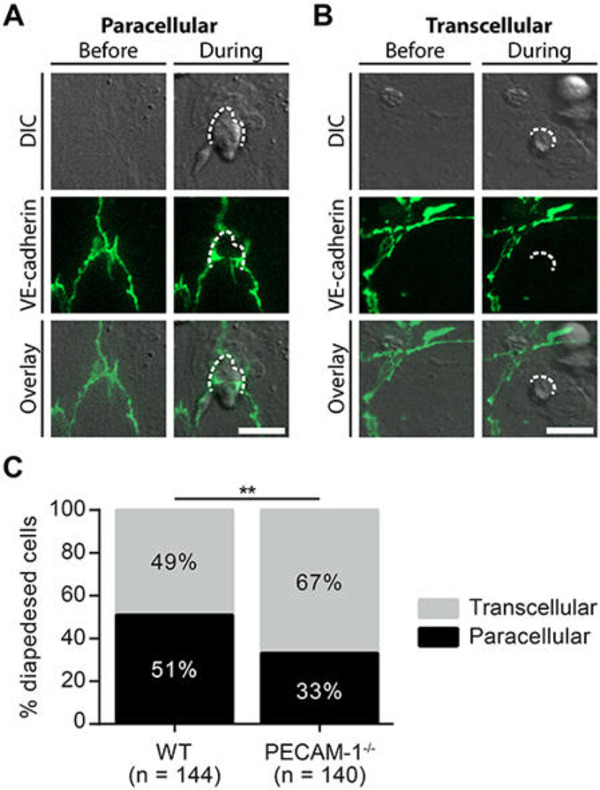
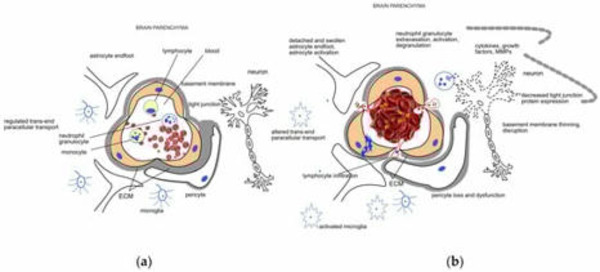
Breakdown of the blood-brain barrier (BBB) and increased immune cell trafficking into the central nervous system (CNS) are hallmarks of the pathogenesis of multiple sclerosis (MS). Platelet endothelial cell adhesion molecule-1 (PECAM-1; CD31) is expressed on cells of the vascular compartment and regulates vascular integrity and immune cell trafficking. Involvement of PECAM-1 in MS pathogenesis has been suggested by the detection of increased levels of soluble PECAM-1 (sPECAM-1) in the serum and CSF of MS patients.
|
|
Scooped by
Beeyond
October 8, 2024 11:46 AM
|
Ischemic stroke, resulting from insufficient blood supply to the brain, is among the leading causes of death and disability worldwide. A potentially severe complication of the disease itself or its treatment aiming to restore optimal blood flow is hemorrhagic transformation (HT) increasing morbidity and mortality. Detailed summaries can be found in the literature on the pathophysiological background of hemorrhagic transformation, the potential clinical risk factors increasing its chance, and the different biomarkers expected to help in its prediction and clinical outcome. Clinicopathological studies also contribute to the improvement in our knowledge of hemorrhagic transformation. We summarized the clinical risk factors of the hemorrhagic transformation of ischemic strokes in terms of risk reduction and collected the most promising biomarkers in the field.
|
|
Scooped by
Beeyond
October 4, 2024 6:14 AM
|
There is Level 1 evidence around the management of symptomatic carotid artery stenosis, with superiority of intervention compared to medical therapy for stroke prevention,” Lim and colleagues state in their abstract. “While, long term, the efficacy of carotid intervention has been clearly documented, the natural history on symptomatic patients with ipsilateral carotid stenosis has not been well described in the contemporary era—when best medical therapy has evolved. With an ageing population and increase in frailty, information on medical management alone should be discussed with patients to assist in clinical decision-making.
|
|
Scooped by
Beeyond
September 30, 2024 11:07 AM
|
The latest investment extends an earlier funding round, bringing the total raised to $82 million. Novo Holdings, the controlling shareholder of Novo Nordisk, joined returning investors.
|
|
Scooped by
Beeyond
September 30, 2024 10:55 AM
|
The impact of IS on individuals and healthcare systems underscores the urgent need for groundbreaking early intervention strategies and refined prognostic tools. Currently, there is a notable absence of a reliable, user-friendly tools for assessing and accurately predicting IS outcomes. This deficiency represents a significant hurdle in our diagnostic and prognostic capabilities. To advance IS management, it is crucial to deepen our understanding of the complex mechanisms driving IS progression and recovery. These advancements are essential to enhance patient outcomes and alleviate the societal burden of IS.
|
|
Scooped by
Beeyond
September 23, 2024 10:01 AM
|
A brain aneurysm, also known as an intracranial or cerebral aneurysm, occurs when a weak spot in the wall of a blood vessel in the brain bulges and fills with blood. It resembles a small, berry-shaped sac hanging from the artery. When a brain aneurysm ruptures or leaks, it can cause a life-threatening condition known as a hemorrhagic stroke, which requires immediate medical attention.
|
|
Scooped by
Beeyond
September 22, 2024 6:04 AM
|
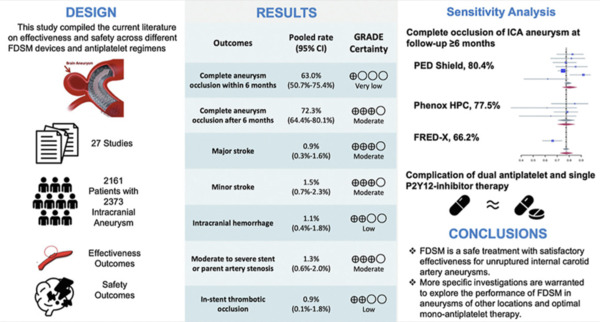
Surface-modified FD treatment of ruptured aneurysms resulted in high rates of thromboembolic complications and acceptable rates of hemorrhagic complications. A considerable proportion of aneurysms were nonsaccular. Rates of complete occlusion were high and retreatment were low. Importantly, no statistically significant difference was found between SAPT and DAPT with respect to complications and mortality.
|
|
Scooped by
Beeyond
September 22, 2024 6:01 AM
|
FDSM were safe with satisfactory effectiveness for intracranial ANs. More specific investigations are warranted to explore their performance in ANs beyond the ICA and optimal antiplatelet therapy.
|
|
Scooped by
Beeyond
September 9, 2024 6:36 AM
|
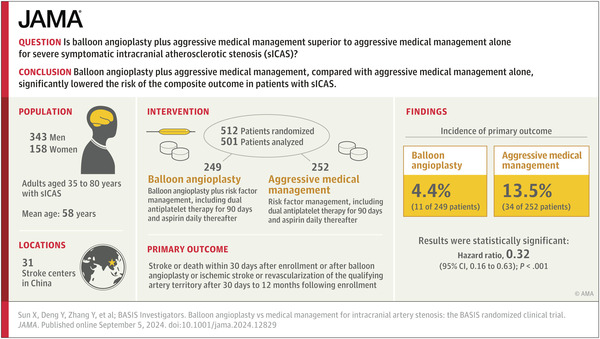
For patients with symptomatic intracranial atherosclerotic stenosis (sICAS), balloon angioplasty plus aggressive medical management is associated with a lower risk for a composite outcome of any stroke or death, according to a study published online Sept. 5 in the Journal of the American Medical Association.
|
|
Scooped by
Beeyond
September 8, 2024 6:48 AM
|
In patients with sICAS, balloon angioplasty plus aggressive medical management, compared with aggressive medical management alone, statistically significantly lowered the risk of a composite outcome of any stroke or death within 30 days or an ischemic stroke or revascularization of the qualifying artery after 30 days through 12 months. The findings suggest that balloon angioplasty plus aggressive medical management may be an effective treatment for sICAS, although the risk of stroke or death within 30 days of balloon angioplasty should be considered in clinical practice.
|
|
Scooped by
Beeyond
September 2, 2024 9:00 AM
|
Our findings demonstrated that LP(a) was an independent risk factor for END post-thrombolysis and that LP(a) level≥ 300 mg/L could be associated with END post-thrombolysis in this study population.
|
|
Scooped by
Beeyond
September 2, 2024 8:58 AM
|
The findings, reported Sept. 1 at the European Society of Cardiology meeting and published in the Journal of the American College of Cardiology, provide inconclusive data about whether atrial fibrillation screening lowers stroke rates. The COVID pandemic led to an early halt of the study before fully enrolling, so it did not have enough participants to establish definitive results about stroke.
|
|
Scooped by
Beeyond
August 26, 2024 6:04 AM
|
Inari Medical is updating use instructions for the ClotTriever XL Catheter after discovering serious adverse events caused when the device becomes entrapped or blocks the lung arteries (pulmonary emboli). These events occurred in patients who had: - The catheter inserted through the vein above the collarbone (venous access through the jugular vein)
- A clot (thrombus) that is tough, scarred (fibrotic), thick and dense (organized), and/or attached to the vessel (adherent)
A clot formed in the blood vessel by tumor cells (tumor thrombus) - An extremely large clot that can’t be removed in pieces (excessive clot volume with an inability to sequentially remove it in pieces).
|
|
Scooped by
Beeyond
August 23, 2024 7:05 AM
|
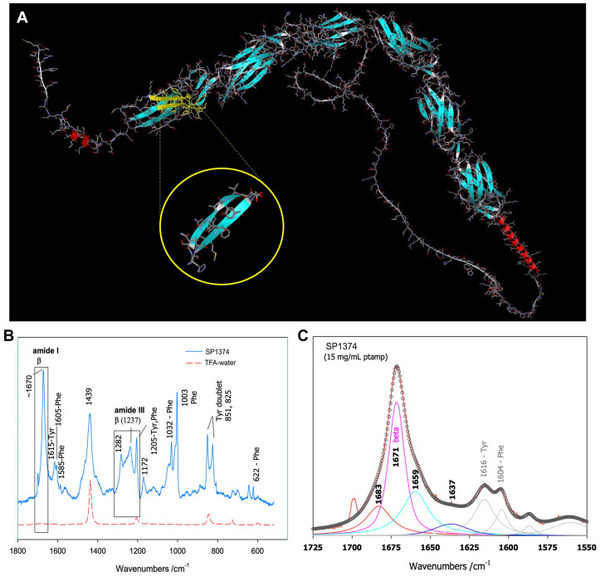
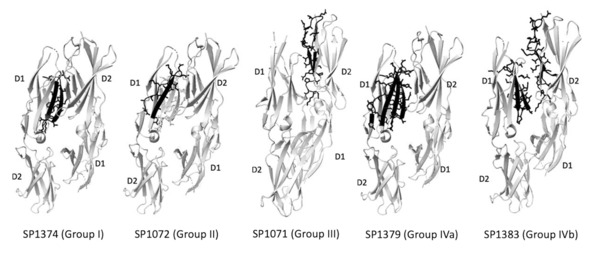
Using peptides replicating the membrane-distal portion of CD31, which is prominently exposed on the inner side of healthy vessels, can simulate the surface of a healthy endothelium. This approach effectively prevents the deposition and activation of blood platelets and leukocytes, which are abnormally prolonged by the presence of a foreign body at sites of endovascular stent implantation, and promotes the acquisition of physiological phenotype by the ECs covering the surface.
|
|
Scooped by
Beeyond
August 12, 2024 11:49 AM
|
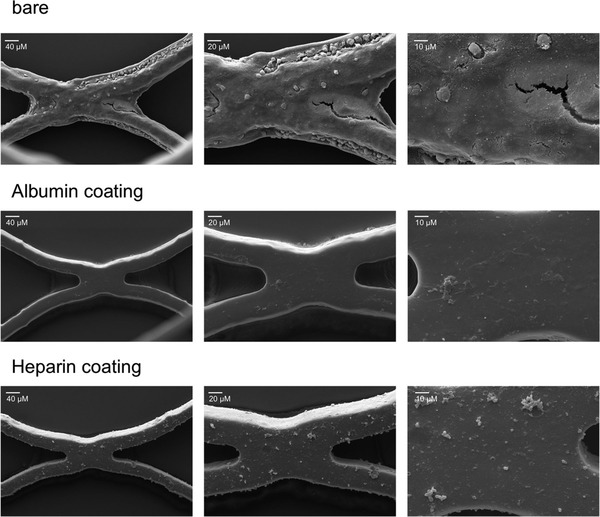
Although the application of low-profile stents has greatly expanded the possibilities in treating intracranial aneurysms, improving the performance of stents with regard to biocompatibility is still necessary and can be achieved by implant surface modifications. In this in vitro study, albumin and heparin coatings reduced the thrombogenicity of the stents in comparison with the bare metal stent. Therefore, a surface that decreases platelet and coagulation activation can represent crucial progress in the treatment of intracranial aneurysms.
|
|
Scooped by
Beeyond
August 12, 2024 9:33 AM
|
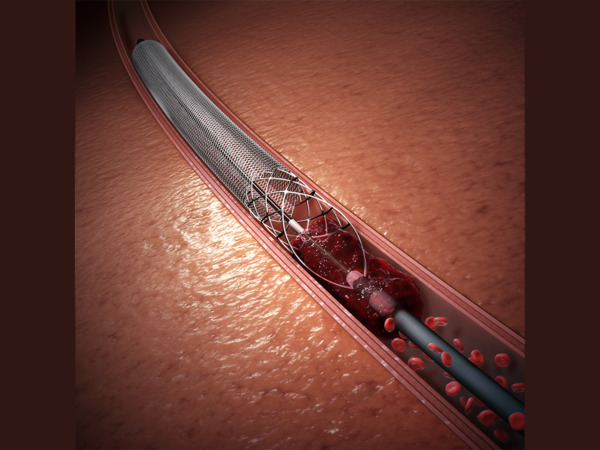
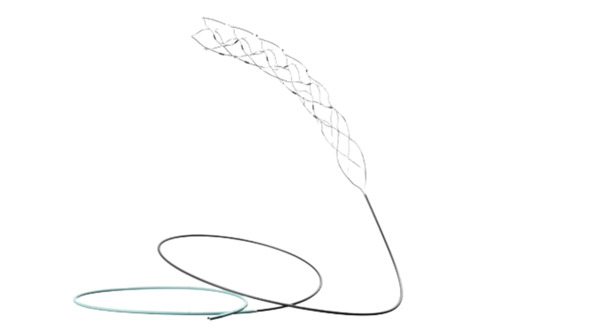
The Supernova stent retriever’s innovative design enhances the capture and removal of hard fibrin-rich (white) clots, which tend to present more in non-Caucasian populations. The Neutron aspiration catheter, with its enhanced kink resistance, ensures consistent aspiration power to effectively remove blood clots.
|
|
Scooped by
Beeyond
August 5, 2024 7:11 AM
|
CD31-coated surfaces promoted the acquisition of a physiologic endothelial cell phenotype and rapid coverage at a significantly higher extent as compared to bare metallic surfaces in vitro. Nitinol and cobalt-chromium stents coated with CD31-mimetic peptides were rapidly integrated within the arterial wall in vivo without thrombo-inflammatory signs up to 30 days after implantation.
|

Curated by Beeyond
BEEYOND is a consulting company in the field of disruptive innovation, accompanying established companies on out-of-the-core growth strategy, from creation of new concepts to product launch. Reach us at: contact@beeyond.fr.
|