Your new post is loading...

|
Scooped by
Beeyond
July 9, 7:24 AM
|
Sitting down in the CX Studio after presenting the results for the first time in Europe at CX 2026, Barco explains the thought process behind the “unique” SirPAD trial design, how the primary outcome of major adverse limb events (MALE) occurred in 8.8% of patients enrolled in the sirolimus-coated balloon group compared to 15% in the uncoated balloon group at one year, and how there was a statistically significant reduction in the composite key secondary endpoint of any unplanned target limb amputation or target limb revascularisation.
|
|
Scooped by
Beeyond
July 7, 10:12 AM
|
In 2020, the US government made a bet. To approve the merger of T-Mobile and Sprint, regulators needed to pretend the country would still have four wireless carriers, so they picked a successor. Dish Network, a satellite TV company run by Charlie Ergen, a former professional poker player who had spent two decades quietly hoarding spectrum licenses, would inherit Boost Mobile and its 9 million subscribers, buy divested spectrum, and build a brand new nationwide 5G network to challenge Verizon, AT&T, and T-Mobile.
Ergen built it. Between 2020 and 2025, Dish Wireless installed more than 144,000 radios on roughly 24,000 towers, covering over 80% of the US population. Court filings put the total investment at about $46 billion, more than $30 billion on spectrum and more than $16 billion on construction. And it was not a copy of anyone else’s network. Dish built the world’s first nationwide cloud native Open RAN network, with radios from Samsung and Fujitsu, software from Mavenir, and a core running in Amazon’s cloud. Engineers around the world studied it as the future of network construction.
But customers never showed up. Boost shrank rather than grew, sliding from 9 million subscribers to 7.53 million by early 2026, while quarterly net additions collapsed to a rounding error. A network sized for tens of millions of users carried a small fraction of that, and the bills kept arriving anyway. Tower rent alone ran to $567.8 million in 2025. By last year, Dish had quietly given up, moving Boost’s traffic onto AT&T’s network under a wholesale deal and, in August 2025, beginning the abandonment of the network it had just finished building.
|
|
Scooped by
Beeyond
July 6, 9:51 AM
|
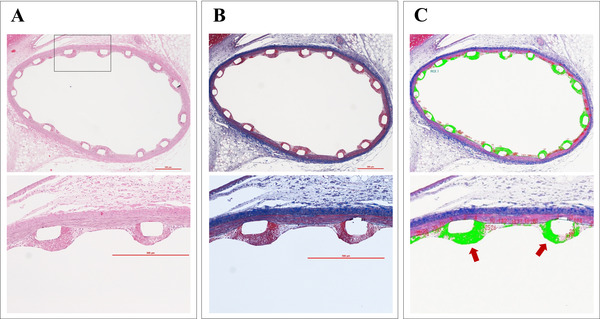
Endothelial cells in BP-SES demonstrated a significantly greater number of tight junctions than those in DP-EES according to by transmission electron microscopy for both days (p<0.05). Various parameters, including an inflammatory reaction and neointimal formation, were comparable among the groups at 7 and 10 days. An abluminal biodegradable polymer-coated SES showed the least fibrin deposition and greatest endothelial cell recovery at an early stage following implantation in the coronary arteries of mini-pigs.
|
|
Scooped by
Beeyond
July 6, 9:33 AM
|
Antiplatelet therapy represents the cornerstone of treatment for the prevention of local and systemic ischaemic complications in patients with CAD undergoing PCI. Over the past decades different antiplatelet regimens using aspirin and P2Y12 inhibitors have been developed and implemented in clinical practice. A better understanding of the ischaemic and bleeding risk profile, as well as individual responsiveness to antiplatelet agents, has been instrumental in defining the optimal regimen for the individual patient. In particular, the intensity and the duration of aspirin and P2Y12 inhibiting therapy should be adjusted to reduce the risk of ischaemic complications while minimising the risk of bleeding. Strategies developed to mitigate the risk of bleeding include shortening DAPT duration, P2Y12 inhibitor monotherapy and de-escalation. In the absence of high bleeding risk, patients at increased ischaemic risk may consider prolonging intensified antithrombotic therapy either by means of DAPT or DPI. The use of platelet function and genetic testing can indeed be of aid in the selection of P2Y12 inhibitor therapy. An integrated approach, including scores/definitions to define ischaemic and bleeding risk, procedural characteristics, and tools to help assess drug response, represents the most promising approach for a personalised selection of antiplatelet agents among patients undergoing PCI.
|
|
Scooped by
Beeyond
July 5, 10:32 AM
|
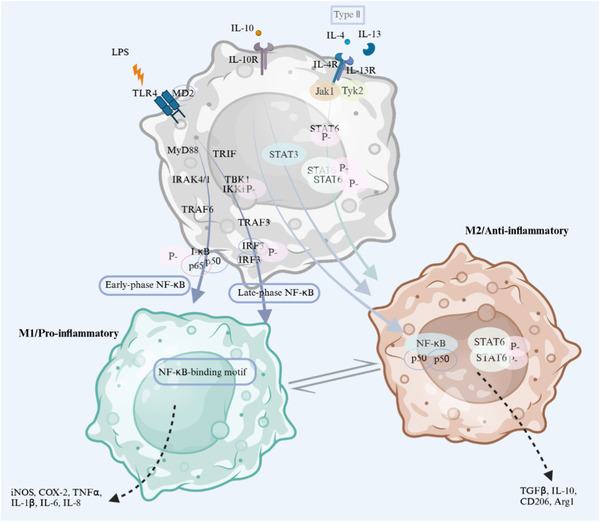
Macrophages, as central orchestrators of tissue homeostasis, exhibit remarkable developmental and functional plasticity across diverse physiological and pathological contexts. Mechanistically, microenvironmental cues govern phenotypic switching, while dysregulated crosstalk with stromal cells drives fibrosis and chronic inflammation. Emerging therapeutic strategies targeting macrophages demonstrate potential in restoring tissue homeostasis. However, challenges persist in achieving spatiotemporal precision and balancing pro-repair versus pro-fibrotic outcomes. This review synthesizes current understanding of macrophage biology, encompassing their developmental origins, phenotypic heterogeneity in tissue-specific niches, and multifaceted roles in extracellular matrix (ECM) remodeling, immune surveillance, and organ homeostasis. A comprehensive view of the macrophage regulatory landscape highlights that precise spatiotemporal regulation serves as the cornerstone for macrophages to restore tissue homeostasis.
|
|
Scooped by
Beeyond
July 5, 10:18 AM
|
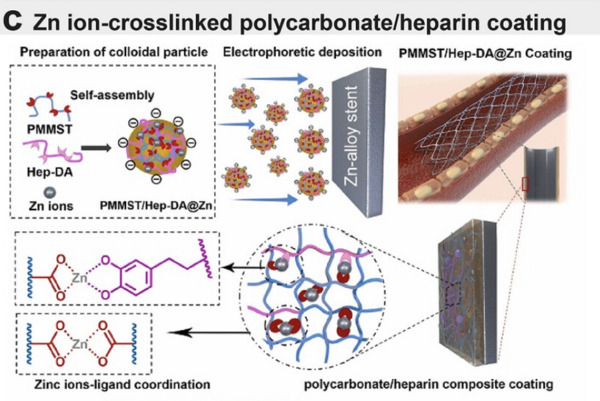
As a new generation of biomaterials, biodegradable zinc (Zn)-based implants hold substantial promise for clinical use due to their favorable biocompatibility and controllable degradation behavior. This review summarizes recent progress in Zn-based implants, focusing on the physiological roles of Zn, current Zn-based implant systems, and relevant applicable standards. To address the critical challenges faced in practical applications, such as optimizing corrosion rate, antibacterial performance, and biocompatibility, researchers have employed innovative strategies, including alloying (e.g., Zn-Mg, Zn-Mn, Zn-Li), surface modifications, and functional coatings. Meanwhile, a detailed overview is provided of in vitro and in vivo degradation evaluation systems, advances in preclinical animal studies, and the status of clinical trials, together with regulatory requirements for biodegradable metals set by domestic and international authorities. Key mechanistic and translational bottlenecks that currently limit clinical adoption are identified, together with critical directions for the rational design and standardized evaluation of next-generation Zn-based implants.
|
|
Scooped by
Beeyond
July 5, 10:14 AM
|
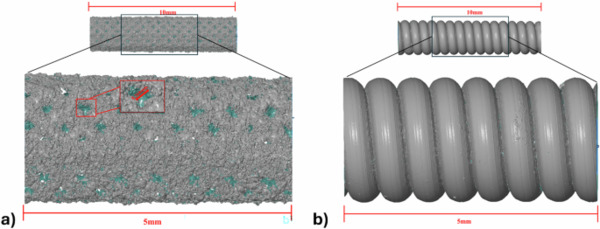
Ureteral stents are fundamental devices in urology but currently used stents are associated with adverse events such as encrustation and infections. Biodegradable magnesium yttrium (Mg-Y) has shown potential as base material for a next-generation biodegradable ureteral stent due to reported lower corrosion rates than pure Mg, homogeneous corrosion and associated antibacterial activity. In the present work, meshed tubes were produced via additive manufacturing (AM) and extruded, and coiled, wire tubes were fabricated. The corrosion behavior in dynamic conditions was studied, as well as the cytotoxicity and antibacterial activity. AM samples showed faster corrosion (associated with higher surface area and impurity level), while the extruded ones showed some localized corrosion points. Additionally, AM samples demonstrated lower toxicity compared with the extruded-coiled ones to urinary tract derived cell lines, at a low metal exposed surface area/volume ratio of 27.5 mm2/ml. AM samples also showed antibacterial activity against E. coli. This study highlights the potential of Mg-Y for the development of a biodegradable ureteral stent, an innovative concept with expected improved patient outcomes.
|
|
Scooped by
Beeyond
July 5, 9:23 AM
|
Although cardiovascular implants encompass diverse device categories and clinical applications, their evolution has been driven by a common set of biological, engineering, and translational challenges. Across stents, heart valves, vascular grafts, cardiac patches, and implantable bioelectronic systems, the field has progressively transitioned from passive structural replacements toward biologically interactive, regenerative, and increasingly intelligent therapeutic platforms. This evolution reflects a growing recognition that long-term clinical success depends not only on restoring anatomy or hemodynamic function, but also on achieving durable integration with the dynamic cardiovascular microenvironment.
|
|
Scooped by
Beeyond
July 4, 8:31 AM
|
Graphene-coated coronary stents demonstrated favorable vascular compatibility and mid-term safety in a clinically relevant swine coronary artery model. Multimodal assessment using QCA, OCT, and cryogenic scanning electron microscopy confirmed stable vascular integration without evidence of thrombosis, excessive restenosis, systemic toxicity, or adverse vascular remodeling. The vascular response observed for graphene-coated stents was comparable to that of commercially available drug-eluting stents, while imaging findings suggested a tendency toward enhanced tissue coverage and favorable healing characteristics. These results support the feasibility of graphene-based surface modification for coronary stents and justify further long-term preclinical studies incorporating histopathological and molecular evaluation of endothelialization and inflammatory responses.
|
|
Scooped by
Beeyond
July 4, 8:18 AM
|
Even under extreme mechanical stress known to delay endothelial recovery, the CD31-coated stent preserved lumen geometry and flow comparable to a DES while achieving complete endothelial coverage without drug release. Higher minimum stent and mean lumen areas suggest maintained expansion and limited neointimal growth despite the absence of antiproliferative drug. These findings indicate that the CD31 coating preserves mechanical integrity and vascular compatibility even in a stringent injury model, warranting further evaluation under standard implantation (BAR ≈ 1.05) and high-bleeding-risk conditions. By promoting rapid vascular healing without an antiproliferative agent, this biomimetic approach may represent a path toward safer DAPT de-escalation in interventional cardiology.
|
|
Scooped by
Beeyond
July 2, 7:18 AM
|
In patients with ACS undergoing PCI, short DAPT followed by P2Y12 inhibitor monotherapy is superior to standard DAPT with respect to NACE. Although a brief period of DAPT appears warranted after ACS, the optimal timing of aspirin discontinuation remains uncertain. While earlier aspirin discontinuation may be associated with greater net clinical benefit owing to reduced bleeding, 3-month DAPT may be associated with more favourable ischaemic outcomes, underscoring the importance of individualising DAPT duration according to bleeding and ischaemic risk.
|
|
Scooped by
Beeyond
June 29, 9:39 AM
|
While stents are a vital part of cardiac care, they can also carry risks. A new study conducted by Dr. Mladen Vidovich with the University of Illinois, Chicago found the company’s device, the DynamX Coronary Bioadaptor System, can address localized rigidity due to the implant. Rigidity or “caging” is common after traditional stent placement and is thought to lead to continuing cardiac risk. Elixir’s drug-eluting implant can potentially restore near-natural vessel movement.
|
|
Scooped by
Beeyond
June 29, 9:17 AM
|
Uremic toxins may worsen endothelial injury by disrupting intercellular connections, highlighting the complex pathogenic environment in CKD. Given these insights, the need for standardized diagnostic thresholds for endothelial dysfunction in geriatric CKD patients is clear. Serum sVE-cadherin emerges as a promising novel biomarker for assessing endothelial health, offering potential for earlier intervention and improved cardiovascular outcomes. It may be a potent indicator of endothelial dysfunction and should be featured in future studies of elderly CKD patients.
|
|
Scooped by
Beeyond
June 29, 8:43 AM
|
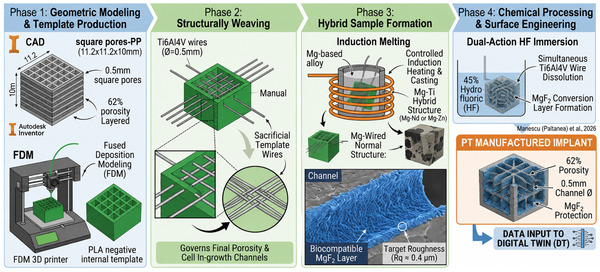
In this paper, we have developed and computationally evaluated an AI-augmented Digital Twin framework designed to correlate the modeled degradation process with new bone formation. Based on a stochastic approach, it was demonstrated that the major risks associated with Mg-based alloy degradation, such as hydrogen emission and the cytotoxicity of Mg2+ ions at certain concentrations, could be theoretically managed within the modeled bounds.
It was concluded that the Mg-Zn alloy exhibited favorable simulated behavior, with a computed protection efficiency of 92.97%, indicating a high probability of suppression of hydrogen gas evolution under the selected boundary assumptions. In addition, a synchronization index greater than 1, as within the model’s logic, indicates that bone regeneration replaces implant degradation.
|
|
Scooped by
Beeyond
June 23, 7:03 PM
|
This study demonstrates the involvement of the adventitia in the vascular repair process after medial injury. The hypercellularity of the adventitial layer, proliferation of fibroblasts, and modulation of their phenotype to myofibroblasts are associated with the development of the thickened adventitia. It is postulated that these phenomena affect vascular remodeling and may provide an important insight into the mechanisms of vascular disorders.
|
|
Scooped by
Beeyond
June 23, 7:00 PM
|
This study demonstrates translocation of adventitial fibroblasts to neointima, their phenotypic modulation to myofibroblasts, and distinct characteristics of myofibroblasts within neointima after severe endoluminal coronary injury. These findings suggest the significance of vascular fibroblasts in the process of arterial repair.
|
|
Scooped by
Beeyond
June 23, 6:59 PM
|
Restenosis appears to be determined primarily by the direction and magnitude of vessel wall remodeling (ΔEEM). An increase in EEM is adaptive, whereas a decrease in EEM contributes to restenosis.
|
|
Scooped by
Beeyond
June 23, 6:59 PM
|
In the ABSORB II trial, BVS use showed frequent dynamic vessel remodeling with larger increase in mean lumen and vessel area than the comparator DES. This vessel remodeling was determined by patient baseline characteristics and periprocedural factors including balloon-artery ratio and expansion index. The clinical effect of this observed lumen and vessel remodeling requires investigation in further large clinical studies.
|
|
Scooped by
Beeyond
June 23, 6:57 PM
|
Late residual stenosis, defined histologically as the difference between the luminal areas of a proximal reference site and lesion site normalized by the luminal area of the reference site, was 52±32%. Histological indices of chronic constriction, neointimal-medial growth, and adventitial growth were defined on the basis of the areas of these arterial wall layers at the lesion site relative to the reference site. Another parameter defined as the ratio of adventitial area to the area of intima+media at the lesion site allowed evaluation of the relative importance of these layers. Surprisingly, late residual stenosis correlated with chronic constriction (P=.0003) but not with neointimal-medial growth or adventitial growth. The ratio of adventitial area to the area of intima+media at the lesion site also correlated with chronic constriction (P=.01). These findings suggest that factors related to arterial remodeling rather than neointimal-medial growth may dominate the response to angioplasty.
|
|
Scooped by
Beeyond
June 22, 11:54 AM
|
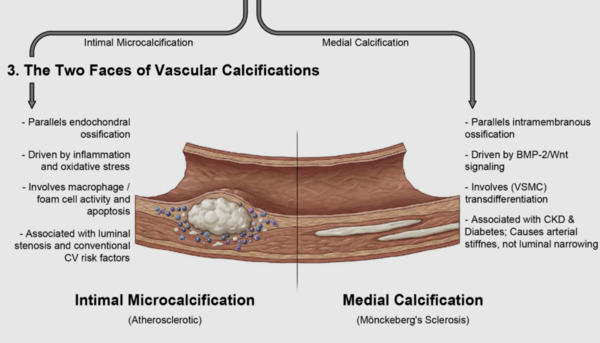
Coronary artery calcification (CAC) represents a clear sign of advanced atherosclerosis and a strong indicator of coronary artery disease burden and cardiovascular risk. Beyond its established prognostic value, CAC significantly influences plaque biology, lesion morphology, and the technical complexity of percutaneous coronary intervention (PCI). This review summarizes current knowledge on the mechanisms of vascular calcification, its clinical determinants, diagnostic assessment, and therapeutic implications. Vascular calcification is now understood as an active, regulated process involving osteogenic transdifferentiation of vascular smooth muscle cells, inflammatory signaling pathways, extracellular vesicle release, and disturbances in mineral metabolism. Distinct calcification phenotypes exert different effects on plaque stability: micro- and spotty calcifications are frequently linked to plaque vulnerability, whereas dense, sheet-like calcification is more typical of stable fibrocalcific lesions.
|
|
Scooped by
Beeyond
June 22, 8:00 AM
|
Despite a more complex lesion profile in RMS, no statistically significant differences in 1-year clinical outcomes were observed between the two registries. This analysis is hypothesis-generating though not conclusive. Conclusive analysis can only be provided by a randomized controlled trial.
|
|
Scooped by
Beeyond
June 22, 7:59 AM
|
While multiple studies have demonstrated the safety of DCB, the optimal duration and type of antiplatelet therapy following DCB treatment remain unclear. The decision on the optimal duration and type of antiplatelet drugs after DCB treatment should depend on the clinical and angiographic characteristics of each patient. DCB may offer several advantages over DES, including a shorter duration of DAPT or the possibility of using a SAPT in selected cases, which carries a lower risk of bleeding, particularly in high-risk patients.
|
|
Scooped by
Beeyond
June 22, 6:01 AM
|
Despite improvements in stent platform technology, in-stent restenosis (ISR) remains a significant clinical concern. There are several potential strategies for treatment of ISR including implantation of further drug-eluting stents which provides good clinical and angiographic results, and the use of drug-eluting balloons which deliver antiproliferative therapy whilst avoiding the addition of a further layer of stent in the vessel(1).
|
|
Scooped by
Beeyond
June 22, 5:59 AM
|
Though angiographic outcomes are slightly worse with drug-coated balloons, experts agree that they’ll continue to have a clinical role.
|
|
Scooped by
Beeyond
June 22, 5:58 AM
|
Percutaneous coronary intervention plays an important role in the management of both acute and chronic coronary syndrome. Despite advances in stent technology, in-stent restenosis remains a major Achilles heel in percutaneous coronary intervention and can confer high risk of adverse outcomes for patients. We describe a novel technique (the double-DCB technique) for the treatment of recurrent in-stent restenosis by applying 2 different drug-coated balloons, thereby avoiding the implantation of another layer of metal in our patients. More studies are required to understand the long-term outcomes of this technique and compare it with other treatment modalities in a randomized setting.
|

Curated by Beeyond
BEEYOND is a consulting company in the field of disruptive innovation, accompanying established companies on out-of-the-core growth strategy, from creation of new concepts to product launch. Reach us at: contact@beeyond.fr.
|