Your new post is loading...

|
Scooped by
Beeyond
June 18, 8:50 AM
|
The high incidence of in-stent restenosis (ISR) associated with bare-metal stents (BMS) undermines the viability of endovascular treatment as a treatment option for patients with severe symptomatic intracranial atherosclerotic stenosis (ICAS). The study aimed to evaluate whether durable fluoropolymer drug-eluting stents (DES) reduce the incidence of ISR compared with BMS in the treatment of severe ICAS.
|
|
Scooped by
Beeyond
June 15, 6:59 AM
|
This study shows preliminary evidence that there is significant variation in reported preferences for endovascular aneurysm occlusion. Some of this variation occurs between specialty types, but overall, there is a wide range of preferences when considering difficult-to-treat aneurysms. The findings underscore the dynamic nature of the field, where interventionalists demonstrate a willingness to incorporate new technologies into their practice regardless of when they received their training. Moreover, the study highlights ongoing debates surrounding the management of ruptured aneurysms. Importantly, respondents showed preferences for endovascular treatment modalities for clinical situations not yet studied in the literature, highlighting several areas meriting further investigation. Further studies are needed to see true variations in trends in clinical practice.
|
|
Scooped by
Beeyond
June 15, 4:55 AM
|
Despite major advances in intravenous thrombolysis and endovascular thrombectomy, nearly half of patients with acute ischemic stroke fail to achieve functional recovery even after technically successful recanalization. The recanalization-reperfusion gap—the discordance between angiographic vessel opening and tissue-level perfusion recovery—has brought thromboinflammation, the pathological interplay of coagulation and innate immunity, to the forefront of stroke biology. Neutrophil extracellular traps, platelet-leukocyte aggregates, complement activation, and vessel wall inflammation render clots resistant to lysis, promote microvascular obstruction and the no-reflow phenomenon, and amplify ischemia-reperfusion injury.
|
|
Scooped by
Beeyond
June 14, 7:28 AM
|
Integrating human factors into post-market surveillance represents a critical evolution in medical device safety management. While premarket usability studies establish baseline performance, real-world use generates insights that traditional surveillance mechanisms often miss. Both EU MDR and FDA regulations increasingly emphasize continuous demonstration of device usability and safety throughout product lifecycles. By incorporating human factors methodology into post-market surveillance activities, manufacturers can identify user interaction issues, understand root causes of problems, and proactively address safety risks. This integration strengthens regulatory compliance, reduces costly recalls and corrective actions, and ultimately delivers safer, more user-friendly devices that better serve clinical needs in practice.
|
|
Scooped by
Beeyond
June 2, 12:18 PM
|
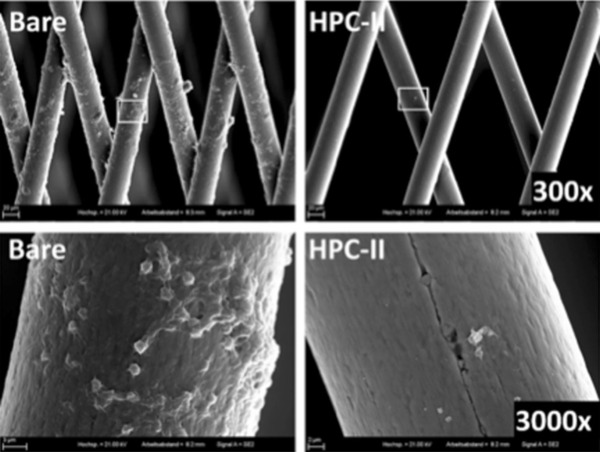
Flow-diverting stents (FDs) for the treatment of cerebrovascular aneurysms are revolutionary. However, these devices require systemic dual antiplatelet therapy (DAPT) to reduce thromboembolic complications. Given the risk of ischemic complications as well as morbidity and contraindications associated with DAPT, demonstrating safety and efficacy for FDs either without DAPT or reducing the duration of DAPT is a priority. The former may be achieved by surface modifications that decrease device thrombogenicity, and the latter by using coatings that expedite endothelial growth. Biomimetics, commonly achieved by grafting hydrophilic and non-interacting polymers to surfaces, can mask the device surface with nature-derived coatings from circulating factors that normally activate coagulation and inflammation.
|
|
Scooped by
Beeyond
June 2, 6:07 AM
|
Endovascular thrombectomy (EVT) has emerged as an effective treatment option. Unfortunately, interfacility transfers to thrombectomy-capable centers often delay treatment time. The direct to angio suite (DTA) pathway reduces interfacility transfer time by foregoing the emergency department at the thrombectomy-capable center and directing patients immediately to the angio suite. Up to 22% of patients transferred under the DTA pathway will not have a large vessel occlusion on cerebral angiography or will experience significant neurological improvement, obviating the need for EVT. This study evaluated predictive factors associated with EVT under the DTA protocol.
|
|
Scooped by
Beeyond
June 1, 9:44 AM
|
The benefit of IV thrombolysis (IVT) before thrombectomy in patients with anterior-circulation large-vessel occlusion (LVO) due to carotid artery dissection (CAD) remains uncertain. We aimed to evaluate the safety and efficacy of IVT in this specific population in clinical practice.
|
|
Scooped by
Beeyond
May 27, 4:59 AM
|
There is a significant decrease in the number of adherent CD61 +ve platelets on nickel titanium surfaces coated with the HPC-II coating compared to uncoated surfaces. The coating can be successfully applied to the wires of flow diverters. The results of this study are promising with regard to the development of new anti-thrombogenic endovascular devices.
|
|
Scooped by
Beeyond
May 26, 5:21 PM
|
Tranexamic acid (TXA) is a synthetic lysine analog widely used as an antifibrinolytic agent. Large randomized trials have demonstrated life-saving benefits when TXA is administered early in acute hemorrhage, but results regarding prophylactic administration have been conflicting, and several trials have not shown improved clinical outcomes. The mechanisms underlying this discrepancy remain incompletely understood. Objectives: To investigate the molecular and structural mechanisms that determine TXA efficacy in purified fibrin clots under conditions mimicking therapeutic versus prophylactic administration.
|
|
Scooped by
Beeyond
May 26, 7:32 AM
|
Endologix, a medtech that focuses on treatments for vascular diseases, expanded its offerings with the purchase of a mechanical thrombectomy system from Surmodics. The deal for the Pounce thrombectomy system, which is designed for non-surgical removal of thrombi and emboli from peripheral arteries, closed Monday. Financial details of the sale weren’t disclosed. A “core group” of Surmodics employees who support the Pounce system are also moving over to Endologix as part of the deal, the company said in a May 19 press release.
|
|
Scooped by
Beeyond
May 18, 5:47 AM
|
The guidelines are introduced by NMPA Center of Medical Device Evaluation (CMDE). It is not legally binding but highly recommended by regulatory authorities. The revision plan will not only impact the new product registration but also renewals and modifications. It involves type testing, clinical, registration review guidelines, technical guidelines, e.g., Real World Study design, and documentation guidelines, e.g., Indication for Use (IFU) writing.
NMPA issues new or updated guidelines throughout the year. Given their importance in understanding what the NMPA reviewers are looking for, it is essential that manufacturers keep up to date with the guidelines that are latest to their specific products. One source to get updates on these guidelines is through our complimentary monthly news roundup that you can opt in from our website www.ChinaMedDevice.com
|
|
Scooped by
Beeyond
May 18, 5:46 AM
|
Mechanical thrombectomy can lead to an improvement in 90-day functional outcome compared to standard medical care in anterior-circulation large vessel occlusion (LVO) stroke patients presenting 24–72 hours after symptom onset, as per the findings of the LATE-MT randomised controlled trial (RCT). However, within the trial, thrombectomy was also associated with increased rates of mortality, symptomatic intracranial haemorrhage (ICH) and other clinically relevant adverse events.
|
|
Scooped by
Beeyond
May 18, 5:45 AM
|
A pioneering study led by Dr. Youxiang Li at Beijing Tiantan Hospital, Capital Medical University, together with Dr. Wei Feng from Songyuan Jilin Oilfield Hospital, offers a robust analysis of treatment outcomes for BTAs in the modern era defined by flow diverter innovations. Published in the March 2026 issue of the Chinese Neurosurgical Journal, this important research fills a notable void in neurosurgical literature by systematically evaluating the efficacy and safety of minimally invasive endovascular treatments in a sizable cohort despite the aneurysms’ rarity.
|
|
Scooped by
Beeyond
May 18, 5:45 AM
|
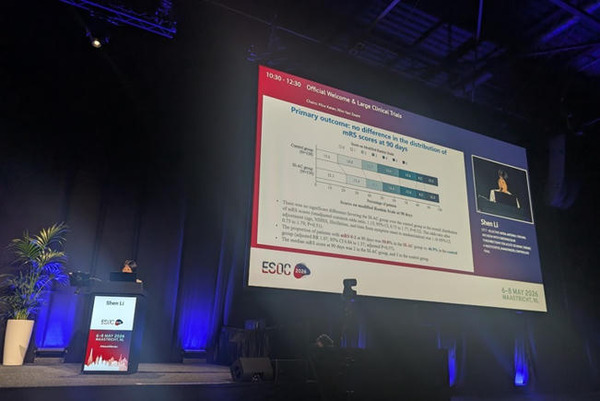
The strategy of administering intra-arterial (IA) thrombolysis immediately after thrombectomy in patients with acute ischemic stroke has come under renewed scrutiny after results from the TECNO trial showed no clear improvement in reperfusion rates with this approach.
The idea of giving a dose of IA thrombolysis immediately after thrombectomy in patients with acute ischemic stroke has become more uncertain, with the results of a new trial showing no clear benefit on reperfusion rates using this approach.
These results are in contrast to the previous CHOICE-2 trial, first presented earlier this year at the International Stroke Conference, and now published in JAMA. CHOICE-2 showed positive results in terms of good functional outcomes with an IA thrombolysis strategy, although this was dampened by an increased mortality rate.
|
|
Scooped by
Beeyond
May 18, 5:44 AM
|
Patients in the study underwent a range of minimally invasive procedures, including simple coiling, stent-assisted coiling, and flow diverters, devices designed to redirect blood flow away from the aneurysm. Stent-assisted coiling was the most common treatment, used in just over half of cases, while flow diverters were employed in nearly 30 %, particularly for more complex or larger aneurysms.
The results were largely positive. At follow-up imaging, about 72 % of patients achieved complete aneurysm occlusion, meaning the aneurysm was fully sealed off, while nearly 19 % had near-complete occlusion. Clinically, about 89 % of patients had favorable outcomes, defined as minimal or no disability.
|
|
Scooped by
Beeyond
May 17, 11:13 AM
|
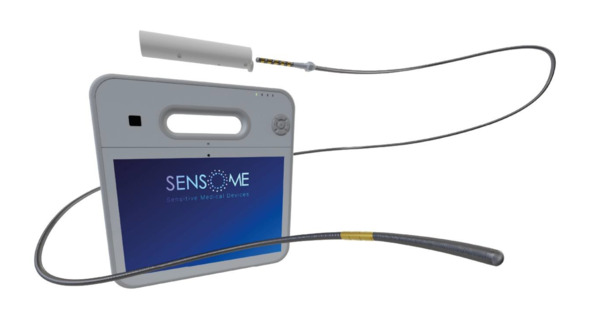
Large vessel occlusion (LVO) stroke is associated with a high risk of permanent disability. There are no reliable tools providing periprocedural information on clot characteristics, such as composition and length, that may impact first pass effect, which has been shown to improve functional outcomes. In the first study of a novel technology, we evaluated whether the Clotild Smart Guidewire System (Clotild), an impedance-based device, can provide in situ information on clot characteristics during a mechanical thrombectomy procedure.
|
|
Scooped by
Beeyond
May 11, 2:55 AM
|
According to the TECNO researchers, these results highlight the need for further refinement of patient selection and treatment protocols in this setting to tackle the “common and clinically important challenge” of incomplete reperfusion after a thrombectomy.
TECNO was a multicentre, randomised, open-label, blinded-endpoint trial designed to test whether a 3mg dose of direct intra-arterial tenecteplase in addition to best medical treatment improves reperfusion in patients with incomplete post-thrombectomy reperfusion. The trial was coordinated by researchers from Switzerland and conducted across multiple high-volume stroke centres in Europe.
|
|
Scooped by
Beeyond
May 11, 2:54 AM
|
The CASES trial investigated the optimal management of acute ischaemic stroke patients with coexisting intracranial large vessel occlusion (LVO) and carotid artery stenosis ≥50% or occlusion, otherwise known as tandem lesions. Investigators compared immediate CAS versus deferred management with the aim of demonstrating the non-inferiority of immediate CAS performed during thrombectomy.
CASES is an open-label, multicentre, international randomised controlled trial (RCT) that recruited patients from 26 centres across the Netherlands and Belgium. Eligible patients had ischaemic stroke due to a tandem lesion and were suitable candidates for thrombectomy. Patients were randomised to CAS at the time of thrombectomy, or to deferred treatment, which included carotid endarterectomy (CEA), delayed CAS or best medical management.
|
|
Scooped by
Beeyond
May 11, 2:51 AM
|
“CHILL-ART and FOCUS suggest that intra-arterial cooling remains a promising neuroprotective adjunct to thrombectomy,” ESO guideline board co-chair Diana Aguiar de Sousa (University of Lisbon, Lisbon, Portugal) told NeuroNews. “While CHILL-ART provides an encouraging efficacy signal, FOCUS is more reassuring on safety than on functional benefit. Taken together, these studies support further investigation—ideally through larger, standardised, preferably international trials designed to clarify protocol, patient selection and the consistency of the treatment effect.”
|
|
Scooped by
Beeyond
May 11, 2:47 AM
|
Tenecteplase, a genetically engineered variant of tissue plasminogen activator, has been considered a promising thrombolytic agent due to its longer half-life and ease of administration via single bolus injection. Its theoretical advantage in dissolving clots and facilitating more effective EVT has been supported by some preliminary trials. Yet, the current investigation challenges the routine use of tenecteplase as a bridging agent within the extended therapeutic window.
|
|
Scooped by
Beeyond
May 8, 6:40 PM
|
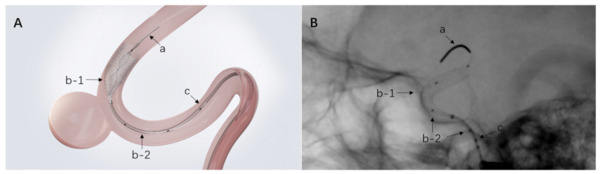
The mechanical balloon-based FD showed a remarkable occlusion rate alongside minimal ischemic and hemorrhagic adverse events compared with existing FDs. This innovative mechanical balloon-based design may be an important direction for future FD design.
|
|
Scooped by
Beeyond
April 27, 3:39 AM
|
The first comparative analysis from the ENGULF (A Safety and Feasibility Single-Arm Study of a Novel Catheter Thrombectomy Device For the Treatment of Pulmonary Embolism) trial shows that using blood return during continuous aspiration thrombectomy dramatically reduces blood loss by 97%, while maintaining hemodynamic efficacy and improving procedural efficiency. Researchers presented the late-breaking data today at the Society for Cardiovascular Angiography & Interventions (SCAI) 2026 Scientific Sessions & Canadian Association of Interventional Cardiology/Association Canadienne de cardiologie d'intervention (CAIC-ACCI) Summit in Montreal.
|
|
Scooped by
Beeyond
April 27, 3:38 AM
|
In a groundbreaking advancement for stroke therapy, a recent randomized clinical trial published in Nature Communications brings to light the synergistic effects of albumin administration combined with endovascular therapy for treating acute ischemic stroke patients. Acute ischemic stroke, a leading cause of disability and mortality worldwide, results from an abrupt obstruction of cerebral blood flow, often eliciting irreversible brain damage if not rapidly managed. While mechanical thrombectomy through endovascular techniques has revolutionized treatment by physically removing the occlusion, therapeutic adjuncts to enhance outcomes remain a critical unmet need. This study, led by Liu, Dong, Zhang, and colleagues, pioneers the exploration of albumin—a naturally abundant plasma protein—as a potential amplifier of neuroprotection and vascular restoration when paired with endovascular intervention.
|
|
Scooped by
Beeyond
April 26, 2:55 PM
|
“Engineered for the rapid removal of pulmonary and venous thrombus, the latest Flash 3.0 algorithm is designed for enhanced clot detection capabilities with increased sensitivity to thrombus and blood,” Penumbra reported in a press release. The latest iteration includes enlarged tubing coupled with an automated backflush feature tailored for large thrombus burdens and to reduce friction from aspirated thrombus.
The STORM-PE randomised controlled trial, recently published in Circulation, found that the use of Penumbra’s CAVT technology with anticoagulation achieved superior reduction in right heart strain compared to anticoagulation therapy alone in patients with acute intermediate-high risk pulmonary embolism (PE). This marks the first level-1 evidence demonstrating superior results for mechanical thrombectomy over traditional anticoagulation for the treatment of pulmonary embolism (PE).
|
|
Scooped by
Beeyond
April 8, 4:54 PM
|
California-based medtech E2 (Endovascular Engineering) has raised $80 million in a series C funding round as it looks to commercialize its pulmonary embolism treatment. The Hēlo Thrombectomy Platform received FDA clearance late last year for use in peripheral veins to treat pulmonary embolism without the need for surgical intervention. The innovation behind the tech is its dual-action mechanism, which combines aspiration with mechanical clot disruption and is delivered through a small-profile catheter.
|

Curated by Beeyond
BEEYOND is a consulting company in the field of disruptive innovation, accompanying established companies on out-of-the-core growth strategy, from creation of new concepts to product launch. Reach us at: contact@beeyond.fr.
|