Your new post is loading...

|
Scooped by
Beeyond
April 8, 4:54 PM
|
California-based medtech E2 (Endovascular Engineering) has raised $80 million in a series C funding round as it looks to commercialize its pulmonary embolism treatment. The Hēlo Thrombectomy Platform received FDA clearance late last year for use in peripheral veins to treat pulmonary embolism without the need for surgical intervention. The innovation behind the tech is its dual-action mechanism, which combines aspiration with mechanical clot disruption and is delivered through a small-profile catheter.
|
|
Scooped by
Beeyond
April 7, 5:29 AM
|
Wallaby, with its main offices in Laguna Hills, California and Shanghai, China achieves a significant portion of sales of its world-class and premier-quality products in the U.S. and other major developed markets. phenox, headquartered in Bochum, Germany, provides a broad portfolio of neurovascular devices to treat ischemic and hemorrhagic strokes that are sold in over 45 countries worldwide. The two companies have been strategic partners since 2019. phenox has been the exclusive distributor for Wallaby’s Avenir® Coil System in the U.S. and European markets as well as for Wallaby’s EsperanceTM Aspiration Catheters in the U.S. market.
|
|
Scooped by
Beeyond
April 6, 6:33 AM
|
Big ideas are common in medicine. Turning them into real products is not. David Ferrera has spent nearly 30 years doing exactly that. He is an engineer, entrepreneur, and inventor based in Lake Forest, California. Over his career, he has helped build and sell multiple medical device companies. He holds more than 80 U.S. and international patents. He is also the author of Innovation in Translation: How Big Ideas Really Happen. But his focus is simple. “Innovation is important,” Ferrera says. “Translation is everything.”
|
|
Scooped by
Beeyond
April 6, 6:32 AM
|
The molecule EMA601 precisely targets glycoprotein VI (GPVI), a platelet-specific receptor crucially implicated in thrombus formation and thrombo-inflammatory disease pathways. Unlike general antithrombotic agents that often interfere with primary hemostasis, EMA601 selectively inhibits pathological platelet activation without compromising the essential clotting functions necessary for safe hemostasis. This specificity stems from GPVI’s unique expression profile and its pivotal role in triggering platelet responses upon vascular injury, by binding exposed collagen and initiating intracellular signaling cascades.
|
|
Scooped by
Beeyond
April 6, 6:22 AM
|
As detailed in a company press release, intracranial atherosclerotic disease (ICAD) is a leading cause of ischaemic stroke worldwide and remains “one of the most challenging areas in cerebrovascular therapy”. Patients with medically refractory ICAD face limited treatment options, and effective interventional approaches to restore cerebral blood flow represent a “significant unmet clinical need”. To this end, Apollo Dream—MicroPort NeuroScientific’s investigational, balloon-expandable, rapid-exchange drug-eluting stent system—has been designed to provide vascular scaffolding and restore cerebral blood flow. The company says it is not aware of any other devices with this specific combination of features that have received a US FDA Breakthrough Device designation covering this indication.
|
|
Scooped by
Beeyond
April 3, 7:50 AM
|
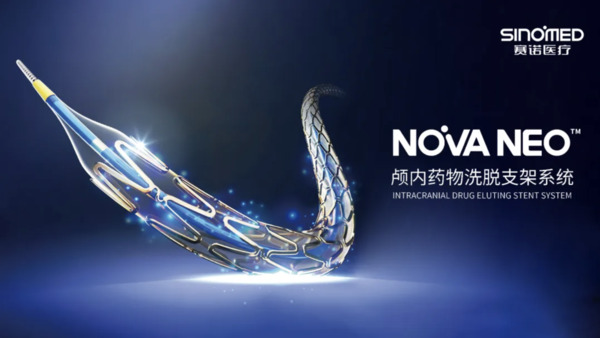
The diameter of NOVA NEO stent covers 2.25mm to 4.00mm, and the length is 7mm to 20mm, which adapts to the needs of different blood vessel diameters and lesion lengths. The expansion of the balloon is completed synchronously with the release of the stent, which simplifies the surgical process and reduces the difficulty of operation. When passing through severe tortuous blood vessels, its flexibility, The passability performance is good, and the support for blood vessels after stent expansion is good, which can prevent the risk of stenosis of the stent after plaque retraction.
|
|
Scooped by
Beeyond
March 28, 10:17 AM
|
Stent thrombosis (ST) is a catastrophic event and efforts to reduce its incidence by altering blood-stent interactions are longstanding. A new electret coating technology that produces long-lasting negative charge on stent surface could make them intrinsically resistant to thrombosis. We assessed the thrombogenicity of stents using an annular perfusion model with confocal microscopy, and determined the efficacy of electret coating technology to confer thrombo-resistant properties to standard stents. Using an annular perfusion chamber, Bare Metal Stent (BMS), standard uncoated DES (DES), and Electret-coated DES (e-DES) were exposed to human blood under arterial flow conditions. Deposits of fibrinogen and platelets on the stent surface were analyzed using immunofluorescence staining and confocal microscopy. Surface coverage by fibrinogen and platelets and the deposit/aggregate size were quantified using computerized morphometric analysis.
|
|
Scooped by
Beeyond
March 16, 5:56 AM
|
Early FD implantation in carefully selected ruptured aneurysms, including small saccular and morphologically complex lesions can achieve high functional recovery and complete angiographic occlusion, even in a resource-limited environment. Ideal case selection and standardized DAPT and hemodynamic protocols are critical. These findings support broader use in challenging aneurysms, but larger prospective studies are warranted to validate outcomes and refine management strategies.
|
|
Scooped by
Beeyond
March 16, 5:55 AM
|
XCath has secured US$30 million in Series C funding, bringing the total raised since the company’s inception to US$92 million, with these latest funds set to support XCath’s ongoing efforts to bring “the world’s first commercially practical endovascular robot” to the market—and to perform a clinical telerobotic mechanical thrombectomy procedure.
|
|
Scooped by
Beeyond
March 11, 11:08 AM
|
Early FD implantation in carefully selected ruptured aneurysms, including small saccular and morphologically complex lesions can achieve high functional recovery and complete angiographic occlusion, even in a resource-limited environment. Ideal case selection and standardized DAPT and hemodynamic protocols are critical. These findings support broader use in challenging aneurysms, but larger prospective studies are warranted to validate outcomes and refine management strategies.
|
|
Scooped by
Beeyond
March 8, 1:04 PM
|
The overall blood flow distribution of stents with different cross-sections is similar, but there are differences in the local average flow velocity of the tumor cavity: the circular one is the highest, and the quadrilateral one is the lowest. (3) The wall pressure gradient change of the polygonal stent is gentler than that of the circular one. Among them, the wall pressure of the hexagonal and decagonal stents is the maximum and the average pressure in the cavity is the lowest. (4) The area of the low WSS region on the aneurysm wall is the largest in quadrilaterals and the smallest in circles. On the maternal artery segment, the hexagon is the largest and the quadrilateral is the smallest. Comprehensive comparison shows that quadrilateral and decagonal cross-section stents exhibit better comprehensive performance.
|
|
Scooped by
Beeyond
February 28, 8:17 AM
|
Features of the NOVA Intracranial Drug-Eluting Stent:
1. Precise Positioning: The stent can accurately reach its intended location during deployment, reducing the risk of stent migration;
2. Excellent Conformability: Typically navigates tortuous vascular segments with ease. Even in severely tortuous vessels, techniques such as adjusting guidewire tension or employing intermediate catheters for additional support facilitate successful stent placement, thereby reducing procedure failure rates due to vascular tortuosity;
3. Excellent Adherence: Post-deployment, the stent adheres closely to the vessel wall, effectively reducing complications such as intrastent thrombosis and facilitating the restoration of normal vascular function post-surgery. This case utilised a 2.25-10mm NOVA NEO™ intracranial drug-eluting stent, requiring high-positioning of the guidewire and a micro-guidewire with strong support capability to ensure successful placement and prevent stent displacement during deployment.
|
|
Scooped by
Beeyond
February 23, 4:06 AM
|
An investigational stent retriever device was highly effective in restoring blood flow in distal vessel ischemic stroke.
Data on key secondary efficacy and safety endpoints will be presented at a later date.
|
|
Scooped by
Beeyond
February 15, 6:01 AM
|
At first glance, the platelet is a simple cell. However, its small size hides an extremely well conserved structure that is vital for its function in both hemostasis and vascular integrity and development. A combination of electron microscopy, light microscopy, biochemical, and cell biology studies has, over the years, revealed this structure to us and allowed the important functions of the various organelles and subcellular components to be understood. This chapter reviews the structure of the resting platelet and discusses the dramatic and dynamic changes, especially in the cytoskeleton, that occur upon activation to allow platelets to carry out their primary function in hemostasis.
|
|
Scooped by
Beeyond
February 9, 8:35 AM
|
Large-artery ischemic (clot-caused) strokes account for about 1 in 4 ischemic strokes, according to study author ángel Chamorro, M.D., Ph.D., professor of neurology at the University of Barcelona and head of the Comprehensive Stroke Center Hospital Clinic in Barcelona. These types of strokes can cause death and long-term disability because they block large arteries that supply blood to significant areas of the brain.
|
|
Scooped by
Beeyond
February 7, 5:06 AM
|
Initiée par le Ministère de la Recherche de l’Enseignement Supérieur et de l’Innovation, cette démarche est coordonnée par le Gircor, et fait écho à des initiatives similaires dans d’autres pays européens. En tant que signataire de cette Charte de transparence, la Société des Neurosciences s’engage à mieux informer le grand public sur l’utilisation d’animaux dans la recherche scientifique française en neurosciences.
|
|
Scooped by
Beeyond
February 4, 9:12 AM
|
Naox Technologies has become the first medtech company to receive FDA clearance for its in-ear EEG device that can negate the need for complex and limited scalp electrodes that have been used for brain monitoring for decades.
Naox Link is an electroencephalography (EEG) platform that patients use via a small sensor worn in the ear, allowing brain activity to be monitored while they move around. According to a Jan. 6 release, the approach “enables long-duration, real-world brain monitoring beyond traditional hospital environments.”
|
|
Scooped by
Beeyond
February 2, 4:44 AM
|
Stroke is now the fourth leading cause of death in the US, with one person dying about every 3 minutes, according to the latest statistics. Over the past decade, several landmark trials have reshaped acute stroke care, including interventions for large vessel occlusion, thrombolysis, or endovascular thrombectomy (EVT), and streamlined hospital workflows.
“The 2026 guidance brings that progress together to standardize stroke care across hospitals of all sizes and ensure rapid, evidence-based treatment for every patient, regardless of where they live,” the AHA/ASA noted.
|
|
Scooped by
Beeyond
January 26, 9:20 AM
|
China-based Sino Medical Sciences Technology Inc. (SHA: 688108) announced that its holding subsidiary Neurovita has received market approval from the National Medical Products Administration (NMPA) for its AUCURA flow-diverting stent. This approval is for the treatment of adult patients with ruptured cystic or fusiform wide neck aneurysms (neck width ≥ 4mm or tumor/neck ratio < 2) of the internal carotid artery (from the petrous segment to the distal end) and vertebral artery, with a diameter of the tumor-carrying vessel ranging from 2.0mm to 6.0mm.
|
|
Scooped by
Beeyond
January 26, 9:14 AM
|
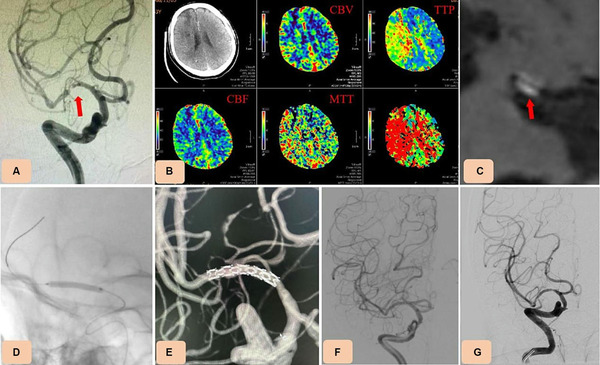
This study indicated a favorable midterm clinical outcome of the novel intracranial DES NOVA stent, with a low rate of ISR and without increasing the incidence of periprocedural complications in highly selected patients. The NOVA stent represents a promising new therapy to treat ICAS. However, the clinical results need to be further verified by larger sample size controlled studies with longer follow-up periods.
|
|
Scooped by
Beeyond
January 26, 9:07 AM
|
COMETIU is safe and effective for treating ICAS, with minimal risk during the procedure and a low rate of ISR during medium-term follow-up.
|
|
Scooped by
Beeyond
January 26, 3:29 AM
|
In patients with acute ischaemic stroke receiving reperfusion therapies such as mechanical thrombectomy (MT) or intravenous thrombolysis (IVT), an elevated neutrophil‑to‑lymphocyte ratio before treatment was associated with poor functional outcomes, whereas a higher lymphocyte‑to‑monocyte ratio was linked to better functional outcomes after MT.
|
|
Scooped by
Beeyond
January 26, 3:28 AM
|
Accurately predicting the prognosis of patients with acute ischemic stroke at discharge remains highly challenging after active treatment. The aim of this retrospective nationwide registry-based study was to identify key predictors associated with favorable outcomes and to develop machine learning models for patient outcome prediction.
|
|
Scooped by
Beeyond
January 26, 3:27 AM
|
L’accident vasculaire cérébral ischémique résulte de l’occlusion d’une artère intracrânienne, et son traitement nécessite une recanalisation artérielle rapide afin de rétablir la perfusion cérébrale. Les traitements actuels de recanalisation artérielle, la thrombolyse intraveineuse et la thrombectomie mécanique, ont amélioré le pronostic, mais leur faisabilité est restreinte et leur capacité à rétablir une bonne reperfusion cérébrale reste limitée. Des expériences dans des modèles animaux d’accident vasculaire cérébral ischémique, ainsi que des données cliniques, suggèrent que la thromboinflammation serait un facteur clé de résistance à ces traitements, non seulement en limitant l’efficacité de la thrombolyse intraveineuse, mais également en découplant recanalisation artérielle et reperfusion cérébrale.
|
|
Scooped by
Beeyond
January 19, 6:36 AM
|
In this study, we address the issue of whether applying transcranial magnetic and vibrotactile stimulation can improve the motor imagery BMI performance. Our findings provide evidence that applying transcranial magnetic stimulation with specified parameters (frequency 5 Hz, duration 6 min, 90% of the muscle activation threshold at rest) leads to preactivation of the occipital brain region and facilitates sensorimotor integration during motor imagery. We found that this process results in TMS-induced decrease of the motor imagery BMI latency. Integration of vibrotactile feedback in motor imagery BMI leads to enhancement of the BMI performance by an increase of the ERD level of EEG patterns over the contralateral motor cortex area corresponding to the MI of the non-dominant hand and an increase in motor cortical excitability.
|

Curated by Beeyond
BEEYOND is a consulting company in the field of disruptive innovation, accompanying established companies on out-of-the-core growth strategy, from creation of new concepts to product launch. Reach us at: contact@beeyond.fr.
|