1
The immune system is becoming a map of brain risk
Work on gut bacteria, airway memory, microglia and the blood-brain barrier is reframing cognition and neurological disease as immune-context problems.
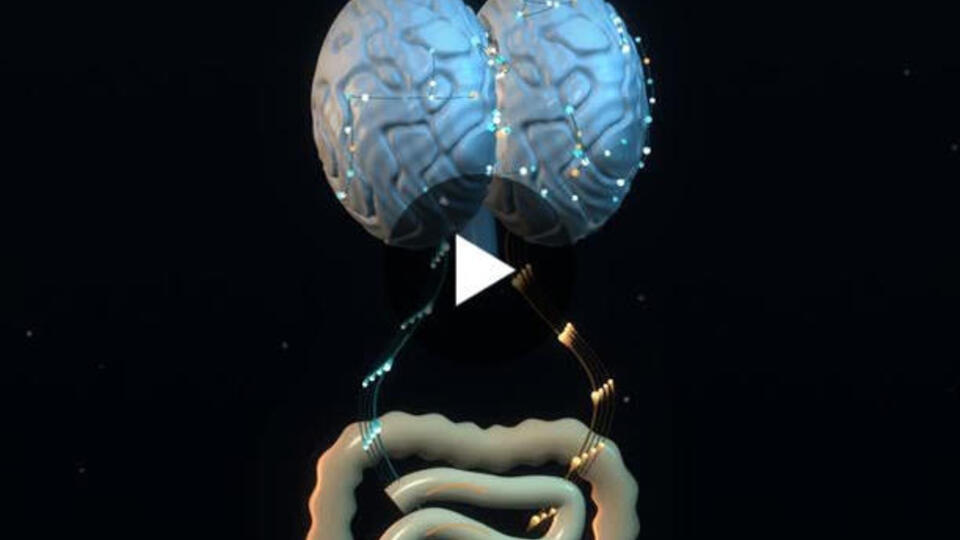
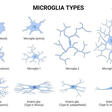
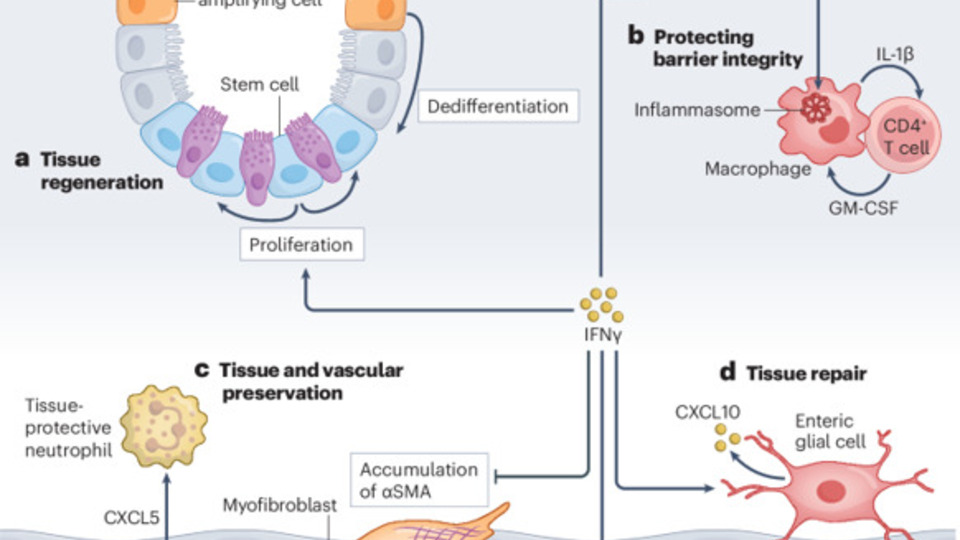
NeuroImmunology and Mucosal Immunity meet around the idea that immune activity is not only a response to infection. A shared item on gut bacteria and cognitive decline puts the microbiome into the same frame as brain aging, while posts on microglia and the blood-brain barrier show immune mechanisms embedded in neurological tissue.
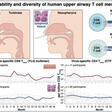
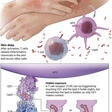
The mucosal side adds the entry-point view. A post on T cell memory in the upper airway asks how long local immune memory lasts in the nose and throat, where respiratory viruses first arrive. That matters for vaccines and for understanding why systemic immune measures may miss tissue-level protection.
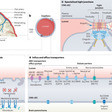
The brain side broadens the frame from inflammation to defense architecture. Posts on a viral defense network in the brain and on blood-brain-barrier signaling point to a nervous system that manages immune risk through specialized cells and barriers, not through one generic immune reaction.
Taken together, the selected pieces show neuroimmunology moving into a wider biology of aging, infection, memory and cognition. The gut, airway and brain are treated as connected immune habitats, each with its own timing and constraints.
Further reading