1
Programmable biology is outgrowing the CRISPR shorthand
Genome editing, synthetic cells and engineered crop traits are converging on modular biological programming, with delivery and reproducibility now setting the pace.
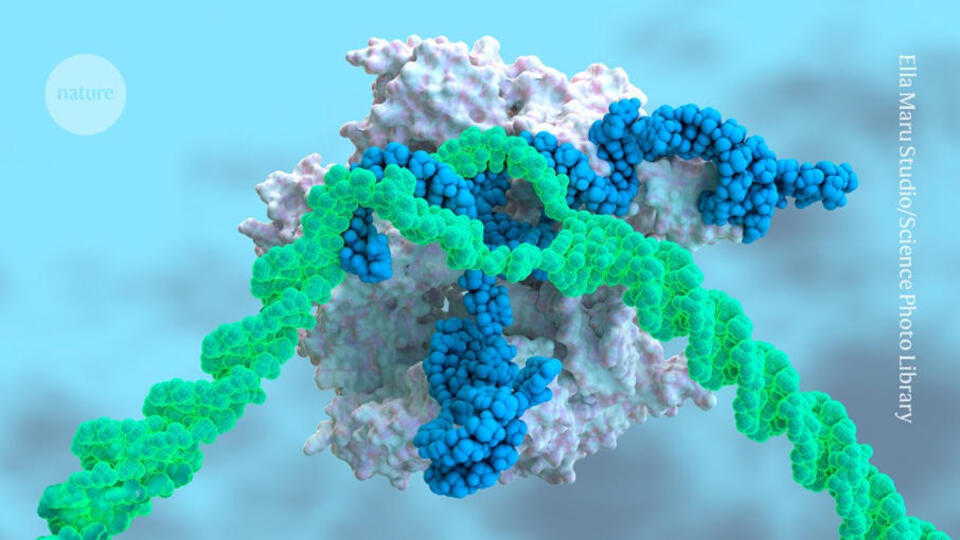
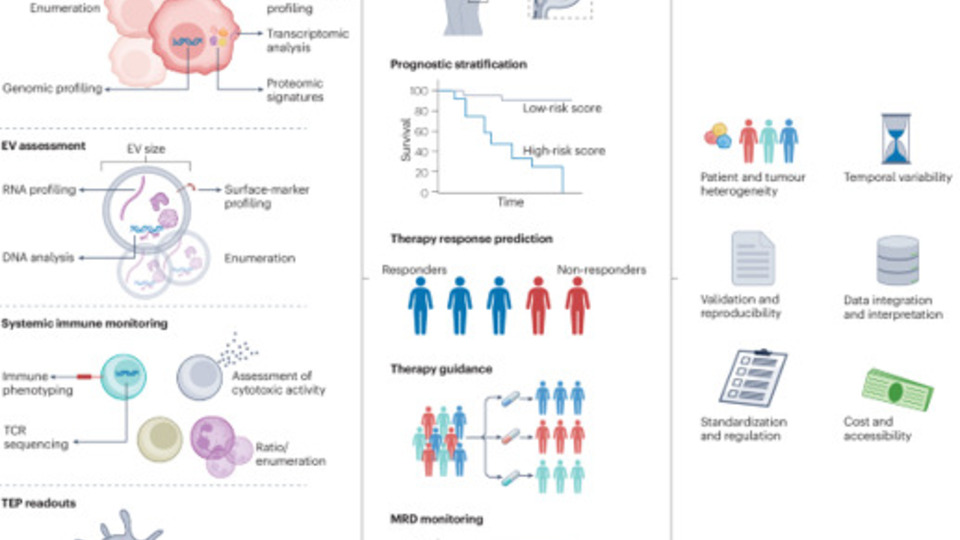
Genetic Engineering Publications - GEG Tech top picks, SynBioFromLeukipposInstitute and Collaborations meet around the same problem: biology can now be written in more ways, but the writing still has to work inside living systems. The Nature overview selected in Genetic Engineering Publications frames editing as a move from fixing mutations to delivering timed biological programs to particular cells.
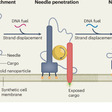
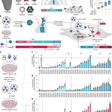
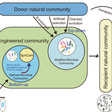
SynBioFromLeukipposInstitute adds the machinery layer. Posts on nanosyringes in synthetic cells and RNA transfer vehicles made from synthetic protein assemblies show the field trying to build modular routes for moving instructions across membranes and into target systems. The selected post on SynComs adds a caution: naming matters less than rigorous definition when engineered communities are meant to be reproducible.
The therapeutic stakes appear in the mouse-model base-editing work on Hutchinson-Gilford progeria syndrome. It is not presented as a finished cure story; it points to delivery, duration and tissue specificity as hard conditions for turning a powerful editor into a reliable intervention.
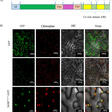
Collaborations broadens the issue beyond medicine. The post on boosting beta-carotene in rice and wheat grains through seed-specific expression places programmable biology in crop traits as well as therapies. Across these topics, the live question is no longer whether editing is possible, but whether biological programs can be made predictable enough for repeated use.
Further reading