Covering the last 90 days

Agriculture

Agriculture is active here where markets, climate and practical growing meet. In the last 90 days, the strongest signals come from Mediterranean grain trade, food-system policy, rice resilience, greenhouse risk management and a surge of beginner gardening advice built around small spaces and everyday crops.

The subject area draws on 20 topics maintained by 18 people. They range from CIHEAM and MED-Amin coverage of Mediterranean agriculture to SRI field updates, horticulture trade media, conservation agriculture research and home-gardening guides. The result is a page where agribusiness, public policy, plant science and household cultivation sit side by side.

Recent selections show agriculture being pushed by water stress, climate adaptation, grain-market pressure and demands for lower-risk production. Accelerating terms include Maghreb, climate, Tunisie, santé, eau, changement climatique, MENA, crops and Portugal, which reflects how regional policy and production risk are shaping the conversation.

Key figures

  • 20 topics
  • 18 curators
  • 350563 views
  • October 5, 2026 last activity

Cross-cutting issues

1

Grain markets are forcing policy into the open

Mediterranean agriculture is treating grain supply as a policy problem shaped by trade controls, import dependence, water and crop choice.
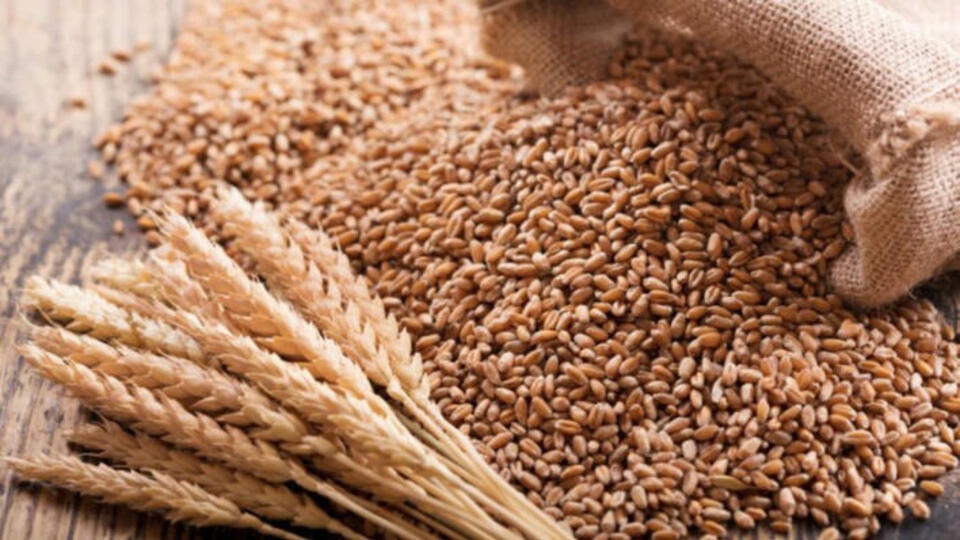
Wheat stocks tighten among major importers in Asia, the Middle East and Africa ukragroconsult.com

The MED-Amin network supplies the market pressure: tighter wheat stocks among major importers, rising wheat prices, export-support appeals from Ukraine, and Jordan looking to local grain as a buffer against disruption. The story is not only price discovery; it is about how dependent buyers protect supply when trade lanes and policy signals shift.

CIHEAM Press Review widens the frame. Items on transforming food systems, Euro-Mediterranean water debates, labor in food systems, and sorghum as a possible cereal show the same pressure moving into policy language. Grain security is being discussed alongside water, work, crop choice and institutional coordination.

The most useful reading comes from putting the two topics together. Market posts show immediate exposure to wheat and wider grain flows. Policy posts show why Mediterranean agriculture is being asked to manage vulnerability before it becomes a shortage, a farm-income shock, or a public-food issue.

Further reading

2

Rice resilience now has to prove itself

Rice productivity work is being tied to adaptation, remote sensing, modeling and finance, so impact has to be visible beyond the field plot.

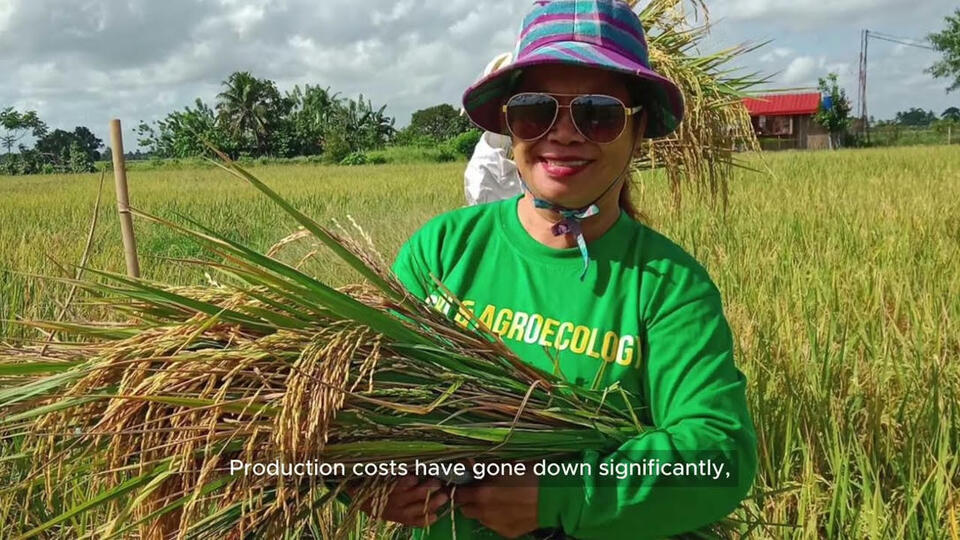
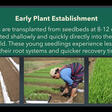
PHILIPPINES: Rooted in Resilience: A Field Documentation of SRI, Agroecology and Heirloom Rice youtube.com

SRI Global News follows rice work that is no longer presented only as a yield story. The selected items include field documentation from the Philippines, microbial bioinoculants in Indonesia, Earth Observation for West African rice production, and modeling work on mitigation and adaptation in Bangladesh.

CIHEAM Press Review adds the systems context. Food-system transformation and Euro-Mediterranean water discussions help explain why rice projects now need to show resilience, resource use and institutional relevance, not just farm-level technique.

The combination points to a shift in evidence. Training and agroecology remain central, but monitoring, modeling and climate finance are becoming part of the package. Rice intensification is being asked to demonstrate what changes on the ground and how those changes can be measured.

Further reading

3

Growers are planning for disruption at every scale

From greenhouse businesses to balcony gardens, recent selections favor practical planning for unstable conditions.

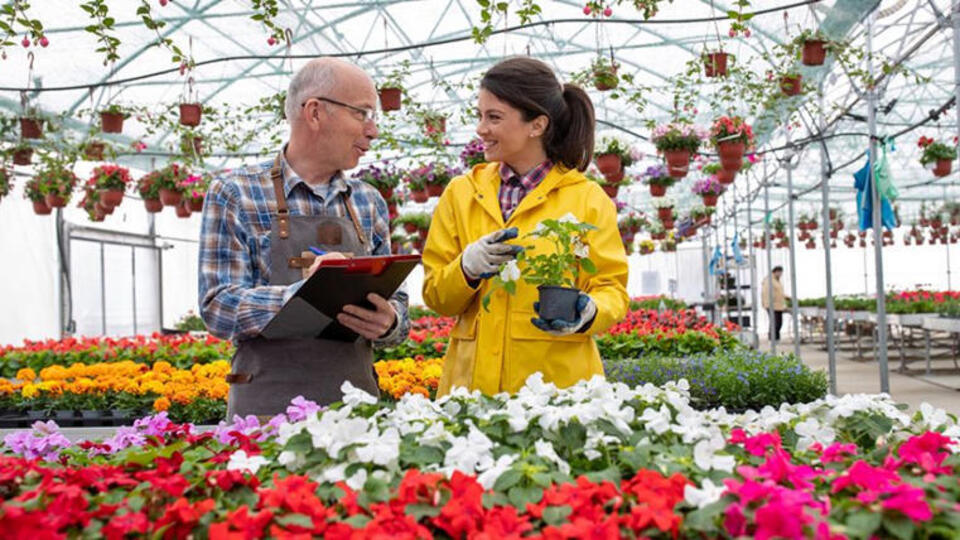
Business Continuity Planning for Greenhouse Leaders: 5 Questions to Ask greenhousegrower.com

Horticulture brings the professional side of disruption. Greenhouse and landscape items focus on continuity planning, clearer communication, economic drivers that operators can control, and whether a business is ready for the next shock.

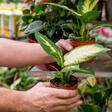
Tannu Ka Garden brings a different scale but a similar search for control. Its beginner posts emphasize fast vegetables, first-garden guidance, seasonal care in Jaipur and balcony flowers in pots. The advice is practical because the intended reader has little room for trial and error.

Together, the topics show agriculture as a set of decisions under constraint. Commercial growers are managing labor, markets and biological risk. Home gardeners are managing space, climate and confidence. Both are being served by concrete checklists rather than abstract inspiration.

Further reading

4

Low-input growing is moving from niche to toolkit

Biological alternatives, agroecology and practical home-garden advice are converging around lower-risk ways to grow.

Why Growers Need Faster Access to Biological Alternatives greenhousegrower.com

Horticulture puts biological alternatives into a commercial setting, with growers needing faster access to non-conventional tools. The concern is operational: if biological options are not available when pressure rises, producers have fewer ways to respond.

SRI Global News shows biology as part of crop-system design. Microbial bioinoculants, agroecology documentation and farmer training connect low-input practice with rice productivity and resilience, rather than treating it as a lifestyle preference.

Tannu Ka Garden adds the household version of the same movement. Beginner advice on plant care and first gardens sits close to the desire for simpler, lower-risk growing. The shared thread is not anti-technology; it is the search for tools that work with living systems and are usable by growers.

Further reading

5

Horticulture is becoming both food strategy and design practice

Recent selections connect horticulture to diets, crop diversification, landscape value and small-space growing.

« Vers une alimentation saine pour tous » : le boom de la filière HORTICULTURE | Cirad cirad.fr

CIHEAM Press Review treats horticulture and crop choice as food-system questions, with items on healthy food for all through a growing horticulture sector and on sorghum as a possible cereal. The emphasis is on what crops can do for diets, resilience and regional production choices.

Horticulture contributes the design and market-facing layer. Posts on color theory, modular outdoor spaces and commercial tree diversity show plants as economic products, landscape infrastructure and long-term assets, not just crops to be harvested.

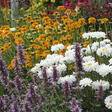
Tannu Ka Garden brings that same blend into the home. Flowers, vegetables and balcony pots are presented as accessible growing projects. The result is a broad view of horticulture: food strategy, urban greening, household practice and professional design are no longer separate conversations.

Further reading

Curators to follow

  • CIHEAM News

    Connects Mediterranean food-policy coverage with grain-market monitoring across two agriculture topics.

  • SRI-Rice

    Follows rice intensification through field documentation, training, biological inputs and climate-resilience evidence.

  • Paul Winski

    Tracks greenhouse, nursery and landscape operations, with emphasis on risk, communication, design and biological alternatives.

  • tannukagarden

    Supplies practical home-gardening material for beginners, especially vegetables, balcony plants and seasonal care in India.

Frequently asked questions

What does the Agriculture page cover?

The page brings together 20 agriculture topics selected over the last 90 days. It spans Mediterranean grain markets, food-system policy, rice intensification, greenhouse operations, horticulture, home gardening, conservation agriculture research, food security, land use and climate adaptation. The live material comes from 18 people maintaining those topic streams.

Why are grain markets so visible here?

Mediterranean grain trade is prominent because several recent selections point to tighter wheat stocks, rising wheat prices, transit restrictions, export-support demands and importers seeking buffers. The strongest cluster comes from the MED-Amin network, while CIHEAM Press Review adds policy context on water, labor, food systems and crop choice.

How does this page track climate and agriculture?

Climate appears through rice resilience, water, crop choice and adaptation. Recent rice items connect SRI with Earth Observation, modeling, agroecology, microbial inputs and climate finance. Mediterranean policy posts also bring water and food-system transformation into view, showing climate as a production, monitoring and governance issue.

Is gardening part of agriculture on this page?

Yes. The subject area includes professional horticulture and beginner gardening. Recent selections range from greenhouse continuity planning, biological alternatives and landscape tree diversity to first-garden advice, fast vegetables, kitchen-garden plants and balcony flowers. The common thread is practical growing under limits of time, space and risk.

Where does the material come from?

The page reflects 68 recent posts across the agriculture corpus, with last activity recorded on 2026-10-05. Frequently quoted sources include ukragroconsult.com, Reuters and several Mediterranean news and agriculture outlets. The mix favors market intelligence, policy signals, research updates and applied growing advice rather than one single publication type.

Most quoted sources

  • ukragroconsult.com 2
  • reuters.com 2
  • ecomnewsmed.com 2
  • lapresse.tn 2
  • leconomistemaghrebin.com 2
  • letemps.news 2
  • agrimaroc.ma 2
  • ecotimesdz.com 2
  • icibeyrouth.com 2
  • theportugalnews.com 2

On the rise

  • Maghreb 25
  • climate 20
  • Tunisie 13
  • santé 13
  • eau 13
  • changement climatique 12
  • MENA 9
  • crops 7
  • Portugal 7

This page was written by an AI from the public curation of Scoop.it topics. The posts, topics and curators it cites are real and linked directly.

Updated on October 6, 2026