Covering the last 90 days

Medicine

Medicine is active here at both ends of care: immune therapies and genome editing on one side, dementia support, cost anxiety and family coordination on the other. Across the last 90 days, the subject area holds 138 topics, 74 curators and 240 posts, with last activity on 2026-10-06.

The feed is shaped by clinicians, health writers and research-focused selectors. Some topics follow hospital care, laboratory medicine, rheumatology, hematology and oncology. Others track chiropractic rehabilitation, functional medicine, spine injury, substance abuse, dental care, skin and hair treatment, and emergency skills.

What is moving now is the spread of medical frames across older boundaries. Immunology links vaccines, antibodies and cancer treatment. Precision medicine joins biomarkers with editing tools. Chiropractic care is being presented as part of chronic-disease management. Dementia and advance care planning show how much medicine depends on conversation and families.

Key figures

  • 138 topics
  • 74 curators
  • 2863065 views
  • October 6, 2026 last activity

Cross-cutting issues

1

When does chiropractic stop being back care?

The current push recasts chiropractic care as a broad management model for metabolic, inflammatory and lifestyle-related illness.

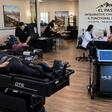
Integrative Chiropractic Benefits to Reduce Insulin Resistance | Call: 915-850-0900 dralexjimenez.com

The chiropractic cluster is not presenting itself as a narrow back-pain beat. In Detox Yourself!, Functional Medicine "Advancing The Medical Health Model", The Gut "Connections to Health & Disease" and PUSH-as-Rx ®™ Wellness Exercise & Fitness, the selected posts connect manual care with insulin resistance, systemic inflammation, skin inflammation, heart health and obesity care.

Functional Medicine "Advancing The Medical Health Model" gives the strongest signal. Posts on insulin resistance and metabolic restoration place chiropractic rehabilitation inside a broader lifestyle and metabolic plan, while another post links rehabilitation to cardiovascular wellness. The language is clinical, but the frame is whole-body management rather than one complaint.

The Gut "Connections to Health & Disease" adds the inflammation bridge. A post on systemic inflammation presents chiropractic rehabilitation as part of pain control and healing, tying musculoskeletal care to immune and gut-linked disease narratives. Detox Yourself! adds sleep, hydration, meal timing and caffeine cutoff as practical levers for the same recovery vocabulary.

PUSH-as-Rx ®™ Wellness Exercise & Fitness brings obesity care into the same lane. Its selected post treats integrative medicine as a support structure for weight-loss efforts. Together, these topics show an accelerating attempt to make chiropractic care a gateway into chronic-disease coaching, not only a response to injury.

Further reading
2

Immunology is becoming one continuous therapy feed

Research, diagnostics and biotherapies now reach readers through the same stream, making immunology look increasingly translational.

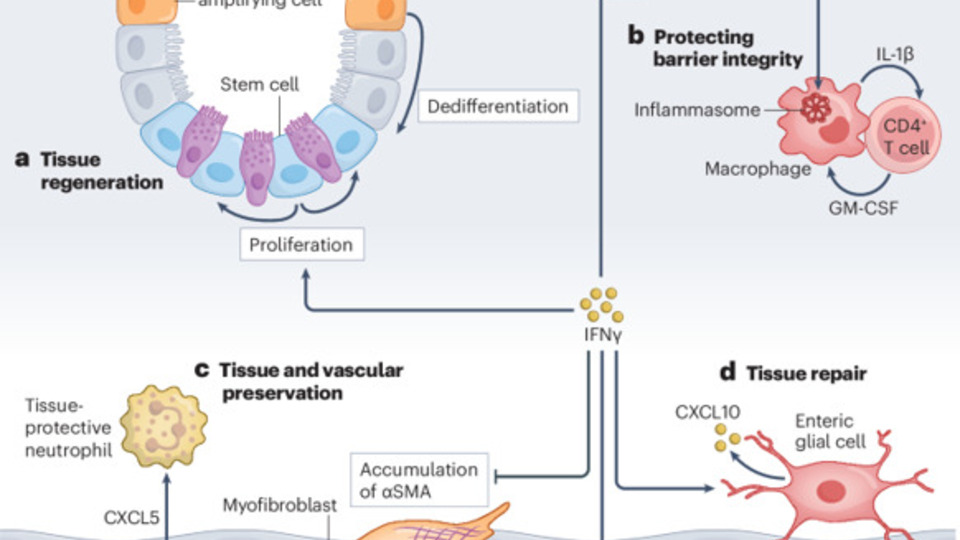
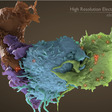
The effects of IFNγ on tissue physiology through structural cells - Nature… | Stéphane Paul linkedin.com

Immunology updates are moving through a mixed channel in which social posts, journal reviews and clinical summaries sit side by side. Immunology, Immunology and Biotherapies, Laboratory Medicine and NeuroImmunology all appear in this stream, with LinkedIn acting as a distribution layer for papers, expert summaries and therapeutic claims.

Immunology and Biotherapies supplies the therapeutic center of gravity. Posts point readers toward immunopharmacology, antibody engineering, cancer vaccines and PI3K inhibitors, showing how immune mechanisms become drug strategies. The mix of Nature Reviews Immunology, Medscape and LinkedIn makes the topic feel like a live translational feed.

Laboratory Medicine brings the diagnostic edge. A post on basophil activation testing frames food allergy workups around lab assays that may reduce reliance on risky oral food challenges. NeuroImmunology adds the disease frontier, with a post on CAR-T therapy and glioblastoma linking cellular therapy to the tumor microenvironment.

The effect is a compressed news beat. Structural-cell biology, mucosal vaccine discussion, antibody adaptability, allergy testing and neuro-oncology are not treated as separate silos. They are presented as connected parts of an immune-system medicine pipeline.

Further reading

3

Precision medicine needs both editors and evidence

Genome editing, liquid biopsy and autoimmune biomarkers point to medicine built around measurable patient signals.

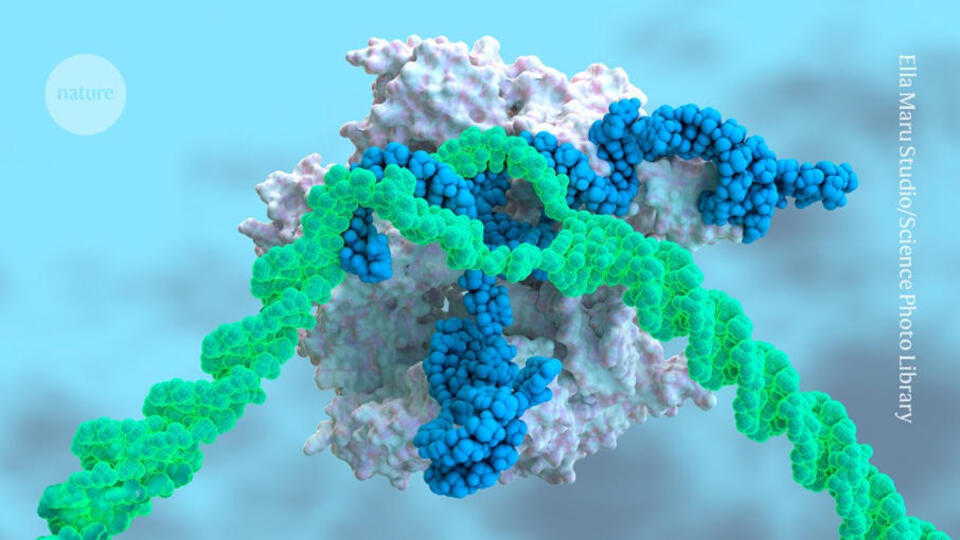
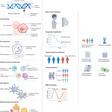
Bigger than CRISPR? A guide to the latest genome editors | Nature nature.com

The precision-medicine material converges around one question: how to match the right biological intervention to the right patient signal. Genetic Engineering Publications - GEG Tech top picks, from Flow Cytometry to Cytomics, Rheumatology-Rhumatologie and Hematology each approach that problem from a different technical route.

Genetic Engineering Publications - GEG Tech top picks brings genome editing and delivery to the front. A Nature guide to newer genome editors is paired with a NEJM report on in vivo generation of CD19-targeted CAR T cells for refractory neurological autoimmune disorders. Another post on base editing in a progeria model extends the same programmable-medicine logic into inherited disease research.

from Flow Cytometry to Cytomics supplies the monitoring side. Posts on liquid biopsies and antitumour immunity treat circulating signals as a way to read cancer without relying only on tissue. Hematology adds disease definition through a NEJM item on myeloproliferative neoplasms.

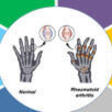
Rheumatology-Rhumatologie shows the same shift in autoimmune disease. Posts on TLR7 in systemic lupus erythematosus and biomarkers in rheumatoid arthritis connect genetics, prognosis and emerging therapies. Across these topics, diagnosis is no longer just classification; it becomes a guide to intervention.

Further reading

4

Spine care is shifting from advice to procedures

Back, neck and accident-related pain are being framed around targeted procedures, regenerative options and second opinions.

Why Your Back Hurts Monday After a Weekend of Yard Work, Cleaning, or Home Projects | Call 915-850-0900 or 915-412-6677 elpasobackclinic.com

Spine and injury care in these selections is moving beyond rest, exercise and general pain advice. Spine Health & Spinal Hygiene, Sciatica "The Scourge & The Treatments" and Accidents and Injuries bring together second opinions, nerve blocks, regenerative procedures and accident recovery.

Spine Health & Spinal Hygiene still keeps a prevention layer. One post explains how weekend projects can overload the spine and lead to Monday pain, using spinal hygiene as the recovery frame. But other posts in the same topic move quickly toward targeted interventions, including occipital nerve blocks and second opinions for complex spinal joint and nerve pain.

Sciatica "The Scourge & The Treatments" adds pattern recognition. A post on pain after a long stand distinguishes one sciatica pattern from the familiar sitting-disc story and discusses when mobility, decompression or an epidural window may matter. That narrows care decisions around mechanism rather than symptom alone.

Accidents and Injuries extends the procedure-led model to trauma. Posts on MFAT therapy and joint trauma after motor vehicle accidents place regenerative options and team-based recovery alongside chiropractic care. The result is a care pathway where conservative and interventional choices compete for the same patient moment.

Further reading
5

Care is strained where medicine meets family life

Dementia, pain, cost anxiety and safety show how health systems depend on families and communication as much as treatment.

Women suffer more pain than men across the whole body, major global study finds  theguardian.com

Hospitals and Healthcare and AIHCP Magazine, Articles & Discussions show a system under pressure from problems that are clinical, emotional and logistical at once. Dementia care, pain, advance planning, cost anxiety and forensic nursing all point to medicine as a communication system, not only a treatment system.

Hospitals and Healthcare carries most of the dementia material. Posts selected from The Conversation discuss how to talk with people with dementia, how families become coordinators of fragmented care, and what people with dementia say about voluntary assisted dying. Another post points to free online advance care planning learning.

The same topic also broadens the risk conversation. A Guardian post on sex differences in pain and an Age post on alcohol and dementia risk keep research findings close to everyday decisions. These are not only disease updates; they affect how patients, families and clinicians talk about risk, suffering and future care.

AIHCP Magazine, Articles & Discussions adds system anxiety and safety. A post reports healthcare costs as a leading source of anxiety in the United States, while another highlights specialist forensic nursing in a criminal case. Together, the topics show care work extending into affordability, trust, legal evidence and family burden.

Further reading
Curators to follow

  • Gilbert C FAURE

    This selector maintains 12 topics in the subject area and regularly feeds immunology, biotherapy, rheumatology, hematology and laboratory medicine material, with activity recorded on 2026-10-05.

  • Dr. Alex Jimenez DC, APRN, FNP, IFMCP, CFMP

    This selector maintains 11 topics and supplies much of the recent material on chiropractic care, functional medicine, spine recovery, gut health and integrative wellness, with activity recorded on 2026-10-05.

  • BigField GEG Tech

    This selector maintains 3 topics and contributes genome-editing and programmable-medicine research, including posts on newer editors, CAR-T delivery and base editing, with activity recorded on 2026-09-29.

  • American Institute Health Care Professionals

    This selector maintains 4 topics and adds healthcare-system and patient-experience items, including cost anxiety and forensic nursing, with activity recorded on 2026-10-05.

  • Peter Mellow

    This selector maintains 1 topic and follows hospitals, dementia care, pain research and advance care planning, with activity recorded on 2026-10-06.

Frequently asked questions

What does the Medicine category cover here?

This page covers clinical medicine, diseases and treatments as selected across Scoop.it topics. The recent material includes immunology, cancer care, spine and injury treatment, chiropractic and functional medicine, dementia care, laboratory testing, rheumatology, hematology and health-system pressure. It draws on 240 posts from the last 90 days.

What medical themes are moving right now?

The most active current themes are immunology and biotherapies, precision medicine, chiropractic expansion, spine intervention, dementia care and health-system strain. The supplied figures also identify chiropractic care, Dr. Alex Jimenez and functional medicine as accelerating terms in the last 90-day window.

Why does immunology appear so often in this category?

Several topics follow immune-system medicine from basic mechanisms to treatment. Immunology, Immunology and Biotherapies, Laboratory Medicine and NeuroImmunology include posts on IFNγ, mucosal vaccines, antibody engineering, basophil activation testing, cancer vaccines, immunopharmacology and CAR-T therapy for glioblastoma.

How is precision medicine represented?

Precision medicine appears through genome editing, liquid biopsy, biomarkers and immune-targeted therapy. The material includes newer genome editors, in vivo CAR-T generation, base editing in a disease model, liquid biopsies for cancer, biomarkers in rheumatoid arthritis and emerging therapeutic work in systemic lupus erythematosus.

What kinds of pain and spine topics are included?

The spine-care material includes prevention advice, second opinions and procedure-based treatment. Posts discuss spinal hygiene after weekend overuse, sciatica patterns after standing, occipital nerve blocks, regenerative options for disc herniations, MFAT therapy for auto injury recovery and joint trauma after motor vehicle accidents.

Does this category cover healthcare systems as well as treatments?

Care delivery appears through dementia communication, advance care planning, family coordination, cost anxiety and forensic nursing. Hospitals and Healthcare follows dementia and planning issues, while AIHCP Magazine, Articles & Discussions adds items on healthcare costs and specialist nursing roles in safety and legal contexts.

Most quoted sources

  • linkedin.com 10
  • nature.com 8
  • dralexjimenez.com 5
  • wellnessdoctorrx.com 5
  • medium.com 4
  • chiropracticscientist.com 4
  • slideshare.net 3
  • behance.net 3
  • psychologytoday.com 3
  • pushasrx.com 3

On the rise

  • chiropractic care 8
  • Dr. Alex Jimenez 7
  • functional medicine 7

This page was written by an AI from the public curation of Scoop.it topics. The posts, topics and curators it cites are real and linked directly.

Updated on October 6, 2026