Your new post is loading...

|
Scooped by
Beeyond
August 1, 2024 6:46 AM
|
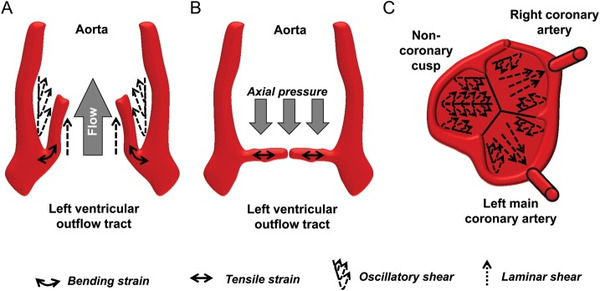
The stress and strain exerted on the aorta and the aortic valve induce changes directly sensed by the structural cells, and also alter the ECM, both contributing to structural alterations. Associated pathologies, such as aortic aneurysms and aortic stenosis, may result from either an enhanced intrinsic propensity of the arterial wall to dilate in response to normal biomechanics (Marfan, bicuspid valve), or as a result of pathologic biomechanical load in a given arterial segment. Several disease-specific pathophysiological processes directly depend on biomechanical factors, such as macromolecule transport, gene expression alterations, cell death pathways, calcification, inflammation, and neoangiogenesis.
|
|
Scooped by
Beeyond
July 19, 2024 3:58 PM
|
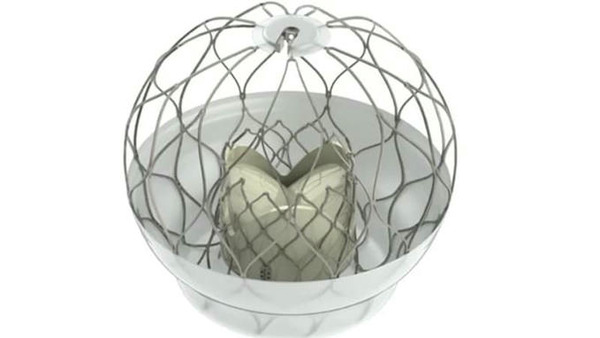
The acquisition enhances the company’s TMVR technologies to address large unmet structural heart patient needs and support sustainable long-term growth, the press release goes on to state. Innovalve will join the transcatheter mitral and tricuspid therapies (TMTT) product group, led by corporate vice president, Daveen Chopra.
|
|
Scooped by
Beeyond
July 4, 2024 1:44 AM
|
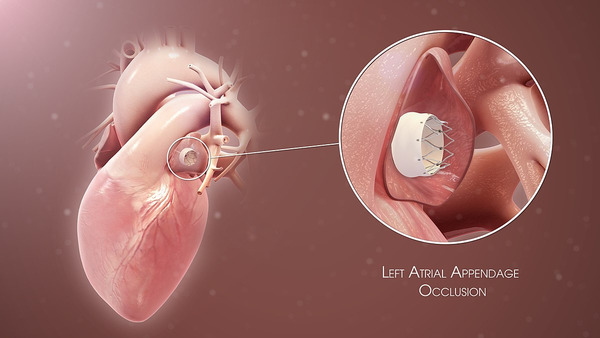
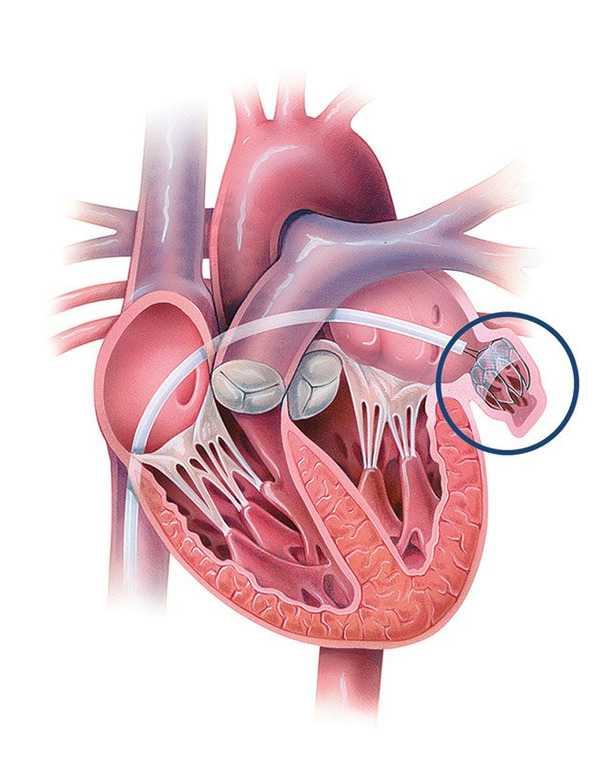
Oral anticoagulation therapy (OAC) is a mainstay for mitigating stroke and other embolic events in patients with atrial fibrillation (AF). Despite the demonstrated efficacy of OAC in reducing events, many patients are unable to tolerate OAC due to bleeding risks. Left atrial appendage occlusion (LAAO) devices were developed as implantable technologies to moderate stroke risk in patients with intolerance to OAC. Despite clinical data supporting near-comparable protection against thromboembolic events with OAC, device-related thrombus formation has emerged as a critical complication following LAAO that remains a potential limitation to the safety and efficacy of LAAO. Improved biocompatibility of LAAO devices with fluoropolymers, a well-established stent-coating technology used to reduce thrombus formation and promote endothelialization, may optimize outcomes after LAAO.
|
|
Scooped by
Beeyond
July 4, 2024 1:43 AM
|
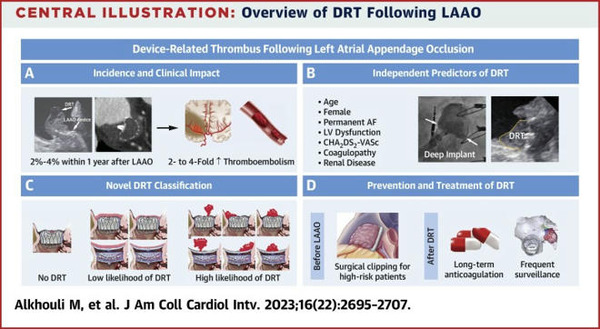
Device-related thrombus after left atrial appendage occlusion is rare but is associated with adverse clinical outcomes and is challenging to manage. Independent predictors of DRT include nonmodifiable clinical characteristics (eg, permanent AF) and modifiable procedural factors (eg, deep implantation). This report proposes a novel mechanistic classification of DRT and HAT that can be used to guide future research.
|
|
Scooped by
Beeyond
July 4, 2024 1:42 AM
|
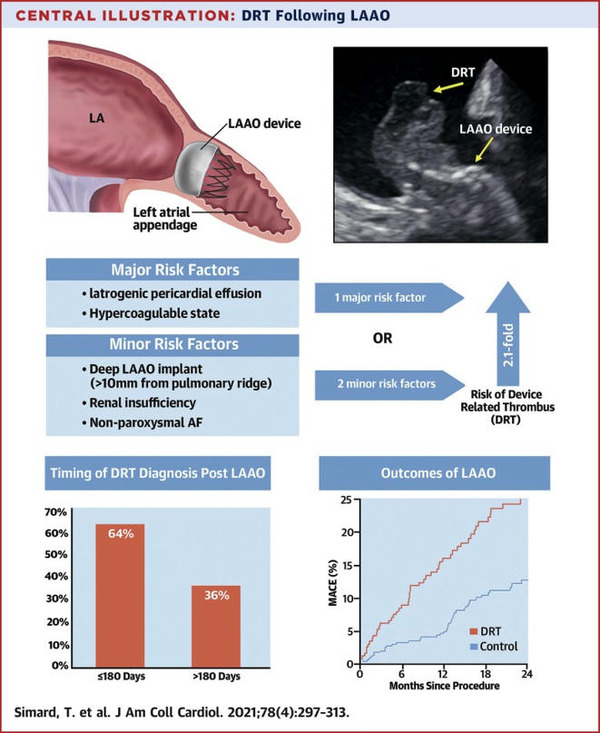
DRT after LAAO is associated with ischemic events. Patient- and procedure-specific factors are associated with the risk of DRT and may aid in risk stratification of patients referred for LAAO.
|
|
Scooped by
Beeyond
June 28, 2024 12:15 PM
|
Left atrial appendage occlusion (LAAO) is a promising stroke prevention strategy for atrial fibrillation patients who are intolerant to oral anticoagulants (OAC). Although the premise of LAAO is to replace OAC, a brief course of antithrombotic therapy is recommended post-procedure to mitigate the risk of device-related thrombus (DRT). However, the optimal duration and regimen of antithrombotic therapy remain unclear, leading to diverse practices and continuous debate. Indeed, studies supporting specific antithrombotic regimens after LAAO included heteroÂgeneous populations treated with various devices, and these yielded conflicting results.
|
|
Scooped by
Beeyond
June 28, 2024 12:05 PM
|
The type and duration of antithrombotic thrombotic treatment following LAAC remains unclear, with a wide variation in regimens used in published studies. The type of patients included in these studies (with bleeding risk ranging from low to extreme) contributes to the uncertainty regarding antithrombotic therapy selection. While mechanistic studies suggest OAC as the most appropriate regimen early after the procedure, controversial clinical data exist regarding the efficacy of different antithrombotic therapies for preventing DRT and ischemic events, especially with the use of newer LAAC devices, where lower rates of DRT have been reported. As such, avoiding major bleeding events should probably guide antithrombotic regimen selection in LAAC recipients, while taking into consideration the risk factors for DRT.
|
|
Scooped by
Beeyond
June 18, 2024 4:18 AM
|
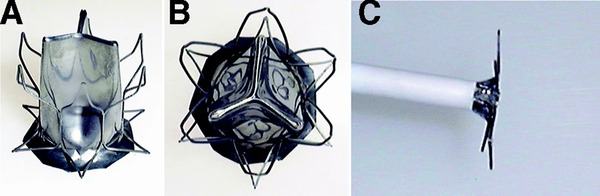
DurAVR™ restores near-normal flow dynamics. When compared to a healthy aortic valve, DurAVR™ THV showed no significant difference in flow.
|
|
Scooped by
Beeyond
June 17, 2024 3:30 AM
|
Venus Medtech (02500. HK), a leading provider of integrated solutions for transcatheter structural heart valvular therapies in China, announced today that its in-house developed innovative transcatheter pulmonic valve replacement (TPVR) system, VenusP-Valve, has completed its first implantation in the PROTEUS IDE Pivotal Clinical Study at the University of Virginia School of Medicine. This momentous procedure was performed by a multidisciplinary team coordinated by Prof. Scott Lim and Prof. Michael Hainstock of the center.
|
|
Scooped by
Beeyond
June 15, 2024 4:35 PM
|
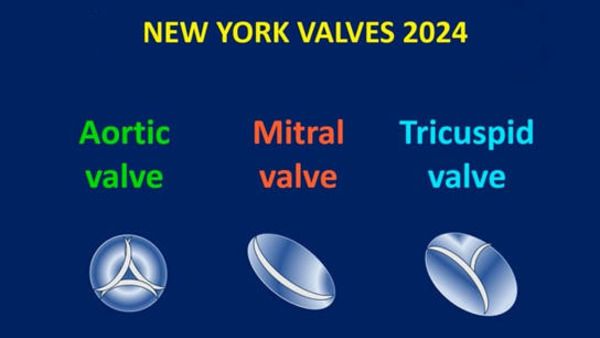
Alex Sticchi provides his take on the trials which were presented at New York Valves 2024, offering a concise summary, a short description and final thoughts.
|
|
Scooped by
Beeyond
June 15, 2024 4:26 PM
|
Smart materials have an amazing potential to impact the care of the pediatric patient. Many applications of smart materials in pediatric devices are already being developed and many others are in development. Even the early stage applications of shape-memory alloys, magnetostrictive materials and piezoelectrics for pediatric cardiovascular devices may begin to make a huge impact on our patients in the next decade.
|
|
Scooped by
Beeyond
June 10, 2024 3:03 AM
|
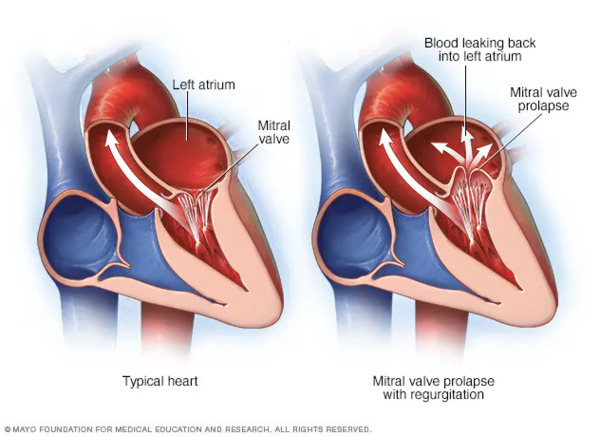
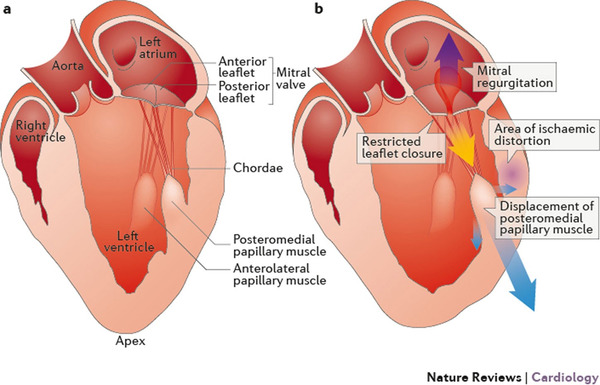
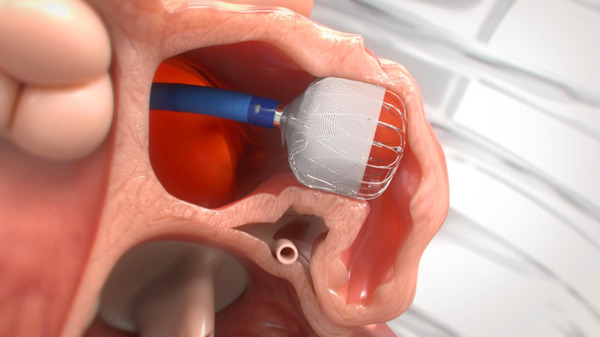
Mitral valve technology developers were urged to go back to the drawing board due to current-generation devices not meeting the needs of enough patients with mitral regurgitation (MR), some said. With lots of devices in development -- including transseptal devices Sapien M3, HighLife Valve, Cephea, Intrepid, and AltaValve -- transcatheter mitral valve replacement (TMVR) is in theory poised to help those ill suited for transcatheter edge-to-edge repair (TEER) and surgery.
|
|
Scooped by
Beeyond
June 3, 2024 4:06 AM
|
Mitigating the foreign body response (FBR) to implantable medical devices (IMDs) is critical for successful long-term clinical deployment. The FBR is an inevitable immunological reaction to IMDs, resulting in inflammation and subsequent fibrotic encapsulation. Excessive fibrosis may impair IMDs function, eventually necessitating retrieval or replacement for continued therapy. Therefore, understanding the implant design parameters and their degree of influence on FBR is pivotal to effective and long lasting IMDs. This review gives an overview of FBR as well as anti-FBR strategies. Furthermore, we highlight recent advances in biomimetic approaches to resist FBR, focusing on their characteristics and potential biomedical applications.
|
|
Scooped by
Beeyond
June 3, 2024 3:50 AM
|
Excellent hemodynamic results are reported for the patient, a 79 year old female suffering from severe mixed (degenerative and functional) mitral regurgitation, the company announced in a press release.
|
|
Scooped by
Beeyond
June 3, 2024 3:39 AM
|
Our data demonstrate that, in patients younger than 65 years, the treatment of choice for FMR should be MV repair. This advantage was even more evident in patients with an ischemic origin of MR, a poor ejection fraction, a severe LV dilatation, and atrial fibrillation.
|
|
Scooped by
Beeyond
June 3, 2024 3:38 AM
|
Le dispositif a l’avantage de pouvoir bénéficier aux patients présentant des calcifications sur les feuillets de la valve mitrale. « Des patients inéligibles au TEER [réparation transcathéter bord à bord de type Mitraclip, ndr] et pour lesquels il n’y a pas vraiment d’option », a rappelé le Dr Sebastian Ludwig (University Heart & Vascular Center Hamburg, Hambourg, Allemagne), lors d’un échange en fin de présentation.
|
|
Scooped by
Beeyond
May 27, 2024 4:08 AM
|
In conclusion, our findings affirm the procedural success and safety of LAA closure across a spectrum of occluder devices and patient anatomies. The ongoing evolution of device technology and procedural techniques promises to further enhance the outcomes of this important therapeutic option by decreasing the bleeding rate, incidence of pericardial effusion, radiation exposure, peridevice leak, and device-related thrombi.
|
|
Scooped by
Beeyond
May 20, 2024 8:15 AM
|
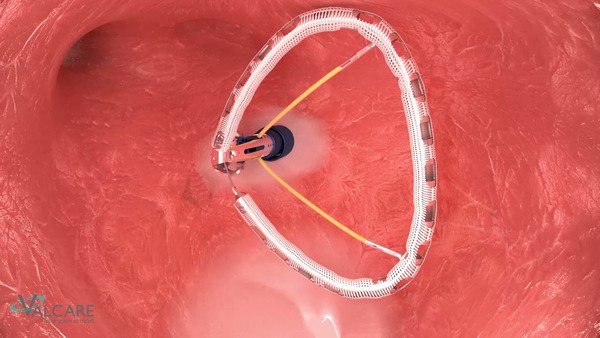
The AMEND TS EU pilot study will evaluate the safety and performance of the Amend transseptal system as the primary technique in a comprehensive mitral repair approach comprising mitral annuloplasty as a standalone therapy or in combination with additional approved technologies to achieve a surgical-level repair.
|
|
Scooped by
Beeyond
May 17, 2024 6:29 AM
|
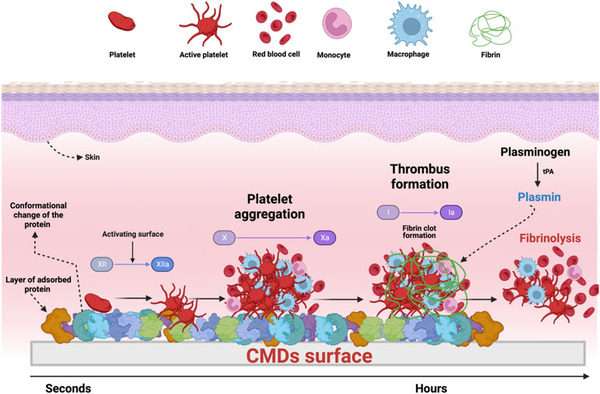
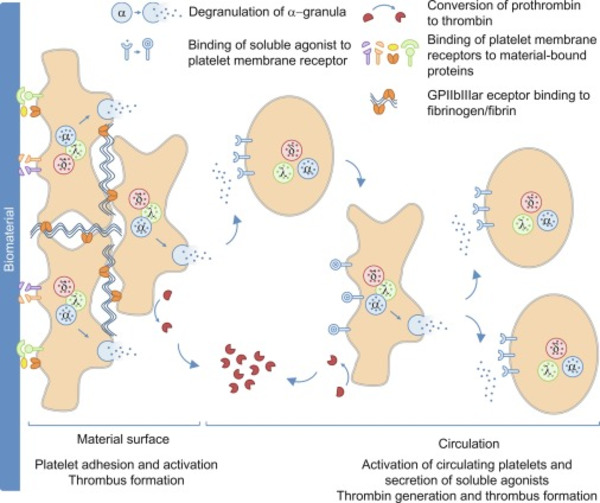
The design of blood-compatible materials requires understanding the physiological mechanisms that give rise to undesirable blood-material interactions. In particular, the materials used in the design of CMDs are determined by the disease for which the CMDs are intended. For example, we review the utility of polymers in developing CMDs when the necessary materials need to be flexible and durable. On the other hand, when there is a need of materials with high mechanical resistance or more remarkable conductors, metals, and metals alloys are the best option. Also, the combination of these two types of materials is used to develop and enhance the ability to perform high workflow rates in CMDs. Even though metals and polymers have tremendous advantages in developing CMDs, there is a predominant recurring challenge, which is biocompatibility.
|
|
Scooped by
Beeyond
May 13, 2024 3:40 AM
|
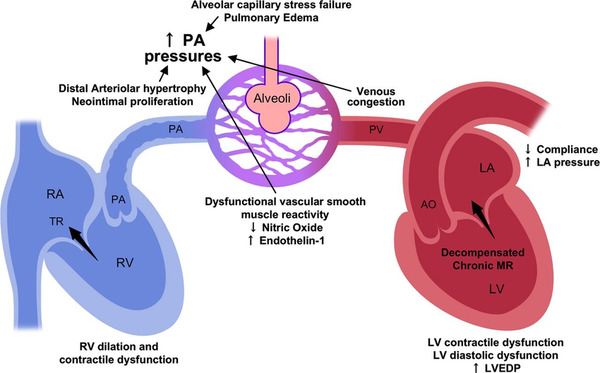
The new PH definition discriminates PH groups and mortality better than the old definition. The lower threshold of mPAP of 20mmHg improved prognostication in this cohort of patients.
|
|
Scooped by
Beeyond
May 13, 2024 3:40 AM
|
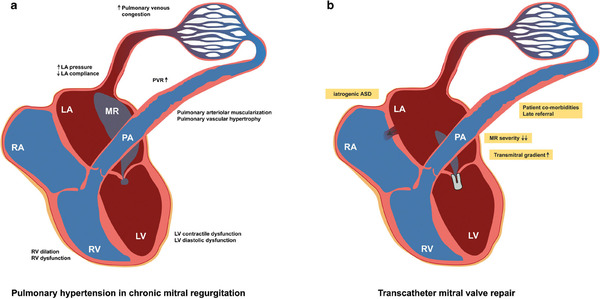
Pulmonary hypertension is associated with increased mortality and heart failure readmissions in patients undergoing TMVr using MitraClip. Further prospective studies are needed to determine whether earlier intervention will improve clinical outcomes.
|
|
Scooped by
Beeyond
May 13, 2024 3:37 AM
|
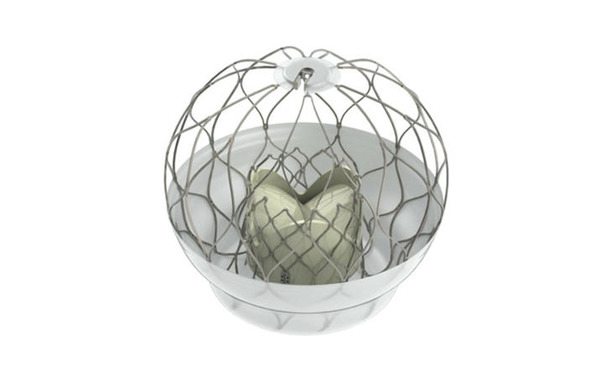
Specifically, the FDA granted the AltaValve system breakthrough Ddevice designations for two therapeutic indications, which include treatment of moderate-to-severe or severe mitral regurgitation (MR), and treatment of moderate-to-severe or severe MR with moderate/severe mitral annular calcification (MAC).
|
|
Scooped by
Beeyond
April 23, 2024 10:32 PM
|
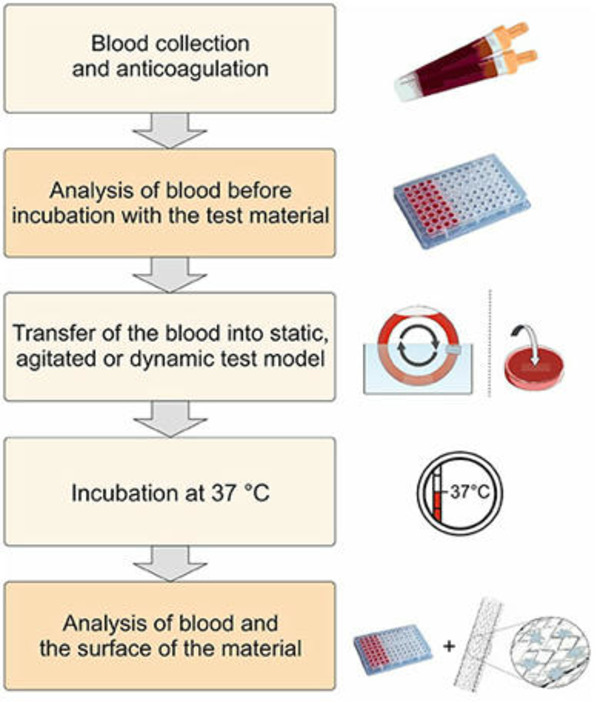
The interaction of biomaterials with blood leads to cellular as well as humoral reactions, which can result in an unwanted inflammation and activation of coagulation and/or fibrinolysis. Thus, the development of biomaterials with an improved hemocompatibility increases the tolerability and minimizes unwanted side effects, such as thrombus formation. Therefore, during the development of new blood-contacting medical devices, not only the mechanical and chemical characteristics should play an important role, but also the hemocompatibility. Furthermore, to prove the safety and reliability of new products, hemocompatibility analyses should include appropriate references and follow the ISO 10993-4 standard.
|
|
Scooped by
Beeyond
April 23, 2024 10:31 PM
|
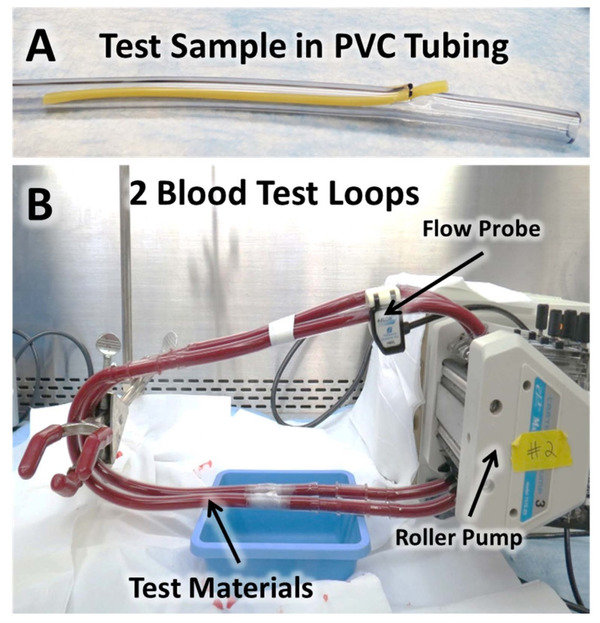
There is currently no standardized test method for in vitro dynamic thrombogenicity assessment of medical devices and biomaterials. This tool will effectively enable users to differentiate device materials with different thrombogenic potentials against standard negative and positive control materials and a marketed comparator device with known thrombogenicity profile.
|
|
Scooped by
Beeyond
April 23, 2024 10:29 PM
|
These results demonstrated that multiple animal blood sources (particularly donor ovine and bovine blood) may be suitable alternatives to fresh human blood for dynamic thrombogenicity testing when appropriate control materials and donor-specific anticoagulation levels are used.
|

Curated by Beeyond
BEEYOND is a consulting company in the field of disruptive innovation, accompanying established companies on out-of-the-core growth strategy, from creation of new concepts to product launch. Reach us at: contact@beeyond.fr.
|