Your new post is loading...

|
Scooped by
Beeyond
April 5, 2020 1:09 PM
|
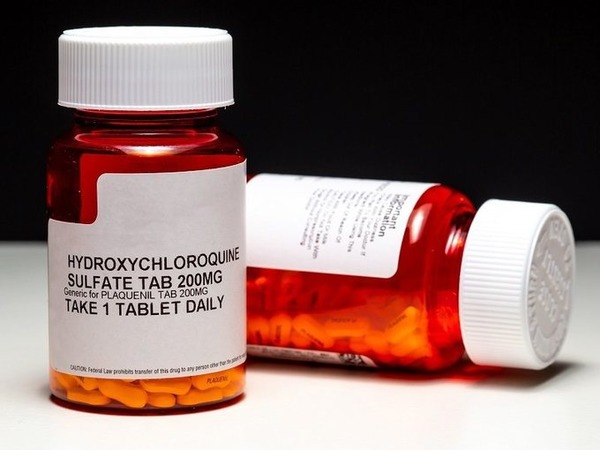
There’s worrying news around the world of people self-medicating at home with the drugs chloroquine and hydroxychloroquine to treat Covid-19. There’s since been reports of chloroquine poisoning and even death after taking the drug. Scientists first reported chloroquine’s potential against coronaviruses after the SARS epidemic in 2003.
|
|
Scooped by
Beeyond
April 5, 2020 1:08 PM
|
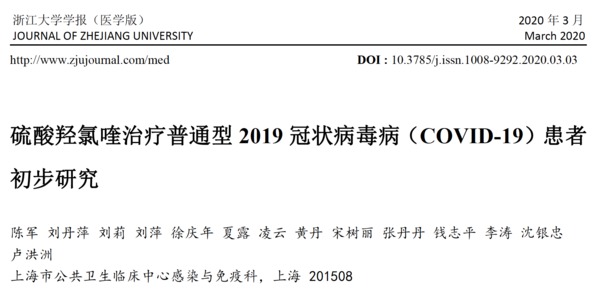
The prognosis of common COVID-19 patients is good. Larger sample size study are needed to investigate the effects of HCQ in the treatment of COVID-19. Subsequent research should determine better endpoint and fully consider the feasibility of experiments such as sample size.
|
|
Scooped by
Beeyond
April 5, 2020 1:01 PM
|
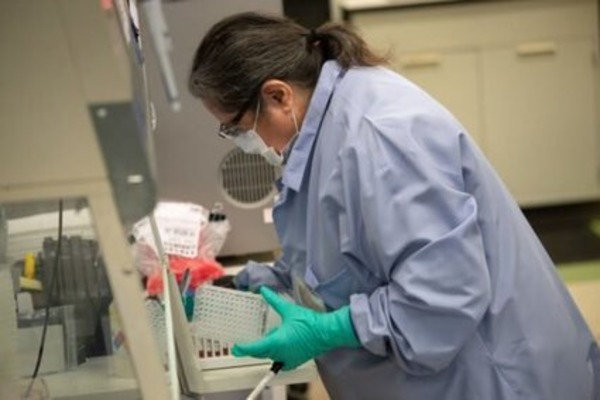
The randomized trial looked at 62 patients admitted to Renmin Hospital at Wuhan University from Feb. 4 until Feb. 28. Half were treated with a five-day regimen of 400 milligrams of HCQ. The study excluded patients with several or critical cases of coronavirus.
Four patients in the study progressed to severe illness, but all of those were in the group not treated with the malaria drug.
|
|
Scooped by
Beeyond
April 5, 2020 12:56 PM
|
Mayo Hospital CEO and Corona Advisory Group Co-Chairperson Professor Dr Asad Aslam on Thursday said that 18 COVID-19 patients have been successfully treated with anti-malaria drug Hydroxychloroquine and antibiotic Azithromycin during the past five days.
|
|
Scooped by
Beeyond
April 5, 2020 12:54 PM
|
India has imposed a blanket ban on the export of the anti-malaria drug hydroxychloroquine (HCQ) that has caught the world’s attention as a possible cure to the novel coronavirus Covid-19, even as US President Donald Trump has requested Prime Minister Narendra Modi for an urgent supply of the drug.
|
|
Scooped by
Beeyond
April 5, 2020 12:53 PM
|
Doctors and other clinicians should avoid misuse of the drugs “for the prophylaxis of COVID-19, because there are absolutely no data to support this,” according to two doctors, writing in an “ideas and opinions” piece in the Annals of Internal Medicine.
|
|
Scooped by
Beeyond
April 5, 2020 12:52 PM
|
In guidance Wednesday, the European Medicines Agency restricted general use of the drugs—already approved to treat malaria and autoimmune diseases—to patients taking them for approved indications. COVID-19 patients can receive the drugs as part of clinical trials or through national emergency use programs, the EMA said.
|
|
Scooped by
Beeyond
April 5, 2020 12:52 PM
|
Following President Donald Trump’s touting of anti-malaria drug chloroquine (and its analog hydroxychloroquine) as a potential “game changer” in treating Wuhan coronavirus, several states instituted what were initially reported as “bans” on using the anti-virals. But other than the response by Michigan Gov. Gretchen Whitmer — a response so inept it screamed of partisan pandering and required a prompt walk-back by the novice Democrat’s administration — the states all acted within the realm of reasonableness in carving out standards to prevent hoarding of the drugs.
|
|
Scooped by
Beeyond
April 5, 2020 12:51 PM
|
Twitter removed a tweet from Fox New host Laura Ingraham that suggested hospitals using hydroxychloroquine as treatment for the Wuhan coronavirus are showing promising results, despite the FDA’s approval of the drug for emergency use.
|
|
Scooped by
Beeyond
April 5, 2020 12:50 PM
|
Dr Jeff Colyer, the former governor of Kansas who is a practicing physician, reported Sunday in the Wall Street Journal that the combination of hydroxychloroquine and azithromycin is continuing to show "promising" results in coronavirus patients.
|
|
Scooped by
Beeyond
April 5, 2020 12:49 PM
|
Coronavirus vaccine candidates are already being trialled in animals and humans. Plus, the cutting-edge drugs being developed to counter the pandemic.
|
|
Scooped by
Beeyond
April 5, 2020 12:46 PM
|
This is going to be a long post on the whole issue, so if you don’t feel like reading the whole thing, here’s the summary: these new results are still not from randomized patients and still do not have any sort of control group for comparison. The sample is larger, but it’s still not possible to judge what’s going on. And on further reading, I have doubts about Dr. Raoult’s general approach to science and doubts about Dr. Raoult himself. Despite this second publication, I am actually less hopeful than I was before. Now the details.
|
|
Scooped by
Beeyond
April 5, 2020 12:45 PM
|
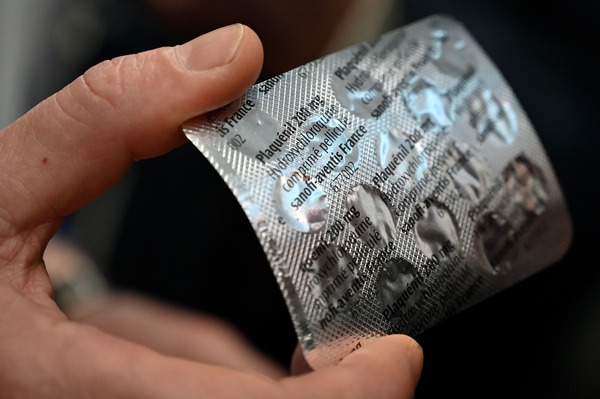
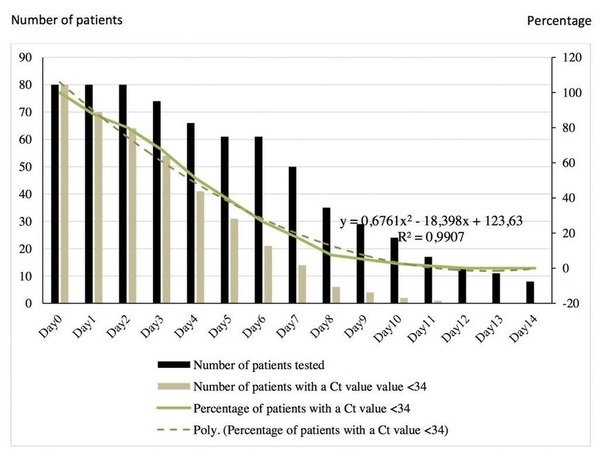
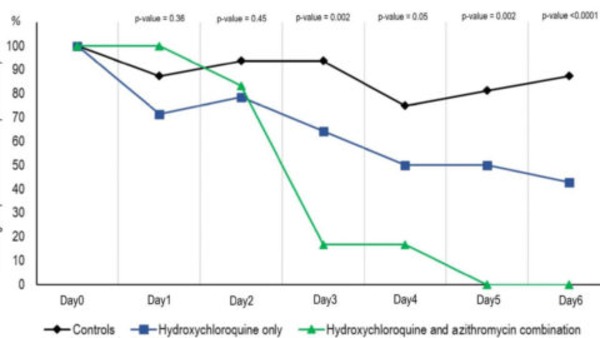
In conclusion, we confirm the efficacy of hydroxychloroquine associated with azithromycin in the treatment of COVID-19 and its potential effectiveness in the early impairment of contagiousness. Given the urgent therapeutic need to manage this disease with effective and safe drugs and given the negligible cost of both hydroxychloroquine and azithromycin, we believe that other teams should urgently evaluate this therapeutic strategy both to avoid the
spread of the disease and to treat patients before severe irreversible respiratory complications take hold.
|
|
Scooped by
Beeyond
April 5, 2020 12:40 PM
|
Based on the totality of scientific evidence available to FDA, it is reasonable to believe that chloroquine phosphate and hydroxychloroquine sulfate may be effective in treating COVID-19, and that, when used under the conditions described in this authorization, the known and potential benefits of chloroquine phosphate and hydroxychloroquine sulfate when used to treat COVID-19 outweigh the known and potential risks of such products.
|
|
Scooped by
Beeyond
April 5, 2020 12:39 PM
|
Saturday morning, President Trump Tweeted a claim that the combination of azithromycin and hydroxychloroquine “have a real chance to be one of the biggest game changers in the history of medicine” and hoped that they be “put in use IMMEDIATELY” to treat COVID-19. His claims were based on a single clinical trial out of France. Unfortunately, although it is not implausible that these drugs could inhibit viral replication in humans, the trial touted last week had some very glaring methodological flaws. That’s why the answer to the question is: We still don’t know.
|
|
Scooped by
Beeyond
April 5, 2020 12:38 PM
|
On March 28 the Food and Drug Administration approved the use of two antimalarial drugs, hydroxychloroquine and a related medication, chloroquine, for emergency use to treat COVID-19. The drugs were touted by President Trump as a “game changer” for COVID-19.
However, a study just published in a French medical journal provides new evidence that hydroxychloroquine does not appear to help the immune system clear the coronavirus from the body. The study comes on the heels of two others – one in France and one in China – that reported some benefits in the combination of hydroxychloroquine and azithromycin for COVID-19 patients who didn’t have severe symptoms of the virus.
|
|
Scooped by
Beeyond
April 5, 2020 11:27 AM
|
Limited evidence that a common lupus drug might combat Covid-19 is driving up demand. Lupus patients are worried.
|
|
Scooped by
Beeyond
April 5, 2020 11:26 AM
|
The survey conducted by Sermo, a global health care polling company, of 6,227 physicians in 30 countries found that 37% of those treating COVID-19 patients rated hydroxychloroquine as the “most effective therapy” from a list of 15 options.
|
|
Scooped by
Beeyond
April 5, 2020 11:25 AM
|
The drug “is already giving good results,” Bartoletti says while Malaysia reveals they have been using it since the very beginning. Bartoletti further adds that the drug: “Must be used with all the necessary precautions, it must be evaluated patient by patient. It can have side effects. But those that take it are responding really well.
|
|
Scooped by
Beeyond
April 5, 2020 11:25 AM
|
Last week, I wrote about an experimental treatment for COVID-19 that repurposes old drugs. One version of the treatment uses chloroquine (which is sold under the trade name Aralen and others), an anti
|

Curated by Beeyond
BEEYOND is a consulting company in the field of disruptive innovation, accompanying established companies on out-of-the-core growth strategy, from creation of new concepts to product launch. Reach us at: contact@beeyond.fr.
|