Covering the last 90 days

Society

Society on Scoop.it is moving around rights, belonging and accountability. The recent selections track women’s rights under pressure, migration as a long-term social systems issue, racial bias in public life, Indigenous recognition and the ability of institutions to respond to overlapping crises.

The page is fed by 39 curators across 63 topics, with 159 posts in the last 90 days. The most active material draws from global bodies, newsrooms, research outlets and local reporting, including sources such as The Conversation, The Guardian, United Nations press material, CBC, ABC and the BBC.

What stands out now is the shift from broad values to concrete tests. Equality is measured through care systems and domestic violence policy. Migration is measured through settlement services and credential recognition. Anti-racism is measured through employment gaps, licensing, policing and civic life.

Key figures

  • 63 topics
  • 39 curators
  • 999142 views
  • November 13, 2026 last activity

Cross-cutting issues

1

Women’s rights promises are meeting hard tests

The live question is whether commitments on equality can survive contact with violence, care burdens, workplace power and weak legal protection.

Recognizing reproductive violence within the Women, Peace and Security agenda unwomen.org

Women and Gender Studies brings the global policy frame: reproductive violence is being placed inside the Women, Peace and Security agenda, while care systems, business leadership and political representation are treated as tests of whether equality commitments reach daily life.

Women's Economic Empowerment, Gender Equality, Women in Politics, Indigenous Women and Children adds the legal accountability layer. A United Nations committee discussion of Lao People's Democratic Republic points to the gap between new legislation and unresolved concerns over rape and domestic violence policy.

Operation Oya shows the same pressure at the level of criminal cases and local services. Coverage of a Milwaukee domestic violence high-risk team overwhelmed by strangulation cases sits beside reporting on sex trafficking charges, making the issue less abstract and more institutional.

The convergence is clear: rights language is no longer enough. The material links violence, care, political leadership and workplace power, and asks whether systems can protect women before harm becomes a headline.

Further reading

2

Bias becomes visible only after systems fail

Racism and exclusion are tracked here through public incidents, employment gaps, civic life and the design of services meant to support people.

New youth-led VR project brings the realities of anti-Black racism into focus | News - Concordia University concordia.ca

Race and Society follows bias as it appears in public encounters, workplaces and civic campaigns. Reports include a violent traffic-stop allegation involving the RCMP, a racist video linked to transit space, hateful campaign-sign vandalism and a Reuters item on a widening racial employment gap among new US lawyers.

The same topic also highlights attempts to make racism visible before it is dismissed. A youth-led virtual reality project on anti-Black racism suggests a shift from documenting incidents after the fact to using media and education to show lived harm.

Newcomers and Immigrants in Canada adds a service-delivery dimension. Coverage of digital settlement services argues that artificial intelligence should support workers rather than replace them, a warning that public systems can reproduce exclusion even when they are built to help.

Together, these posts show accountability moving through many venues: courts, employers, transport systems, campaigns, licensing bodies and settlement agencies. Bias becomes undeniable when it leaves evidence, but the deeper issue is how institutions respond once it does.

Further reading

3

Migration is becoming a belonging test

The coverage shifts migration away from border control and toward rights, services, recognition and the social costs of moving people across systems.

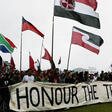
Migrants, refugees, supporters march in Toronto’s west end ahead of Parliament resuming | CBC News cbc.ca

Newcomers and Immigrants in Canada frames migration as belonging, not just movement. The posts cover marches by migrants and refugees, regional support reports, demographic change in the economy, digital settlement services and the limits of credential recognition for internationally educated health professionals.

Trans Tasman Migration brings a different but connected pressure point. Māori and Pacific communities are shown weighing whether they can stay before a New Zealand election, while reporting on Australia's migrant labour scheme points to family separation among Pacific Islanders.

The Indigenous dimension makes the migration story more complex. A piece on rolling back Māori rights in Aotearoa New Zealand and another on aged-care reform for Māori show that mobility, settlement and social policy intersect with sovereignty and recognition.

Across these topics, migration appears as a long systems challenge. Legal rights, service access, labour markets, family ties and Indigenous status all shape whether people are treated as temporary labour, newcomers, citizens or communities with claims that predate the state.

Further reading
4

The UN’s reform debate is also a rights debate

Global institutions are judged not only by speeches about reform, but by whether their frameworks reach poverty, care, violence and legal protection.

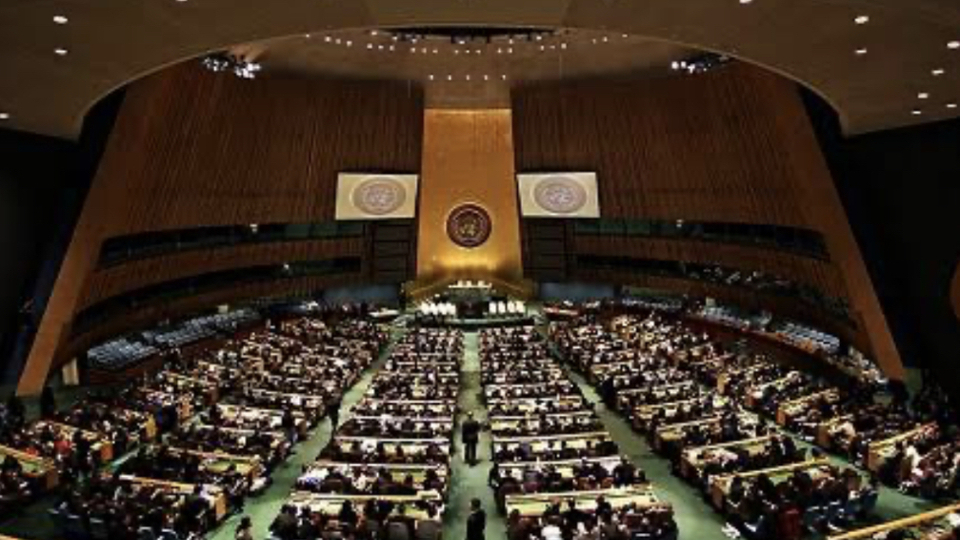
Deputy Secretary-General Spells Out Organization’s Joint Initiatives in Response to Multiple Crises, as Second Committee Begins Sixty-fourth Session press.un.org

United Nations, UNGA, UNDESA, UNDSPD, ECOSOC, UNSDN, UNNGLS presents the institution as both forum and target. General Assembly coverage stresses multiple crises, inclusive multilateralism, reform and the need for dialogue through a revitalized Assembly.

The pressure is not only procedural. A Secretary-General address on food, energy and recession frames the UN as a place the world turns to for answers when crises overlap, while a closing statement says the organization must be urgently reinvented.

Women and Gender Studies and Women's Economic Empowerment show where legitimacy is tested in practice. UN Women material on reproductive violence and care systems, and committee scrutiny of domestic violence policy, turn institutional language into concrete rights questions.

The result is a legitimacy test with two sides. The UN must prove it can coordinate states through broad crises, but it must also show that its frameworks matter to people facing violence, care gaps and discriminatory laws.

Further reading
5

Who controls visibility when technology enters society

AI, data, public licensing and representation are becoming arenas where communities contest who is seen, protected and heard.

AI is stealing Indigenous Australian art and churning out ‘Temu slop’, artist says theguardian.com

Trans Tasman Migration includes cultural recognition as a live social conflict. Reporting on Indigenous Australian art being copied by artificial intelligence places technology inside older struggles over ownership, extraction and who gets to profit from culture.

Race and Society brings representation into public infrastructure. A BBC report on racial bias in London music event licensing and a university item on virtual reality work about anti-Black racism show how culture can be blocked by regulation or used to teach social reality.

Newcomers and Immigrants in Canada adds a warning about automated settlement services. The issue is not whether technology appears in public systems, but whether it strengthens workers and communities or turns complex human support into a thinner service.

Women and Gender Studies contributes another form of visibility through material on women in business and political leadership. Across these topics, representation is not symbolic decoration. It affects markets, public permits, service access, cultural ownership and whose experience counts as evidence.

Further reading
Curators to follow

  • KRII-KROTOASA RESEARCH-INTENSIVE INSTITUTE

    Tracks United Nations institutions, global social policy and gender equality debates through official proceedings and committee coverage.

  • Here Magazine

    Follows race, newcomers and immigrant life in Canada, with attention to rights, public services and local accountability stories.

  • heather dawson

    Gathers gender equality and women’s rights material from international organizations, including care, leadership, violence and economic participation.

  • Peter Mellow

    Follows trans-Tasman migration and Indigenous issues across New Zealand, Australia, Māori communities and Pacific mobility.

  • Anonymous Hades

    Selects recent domestic violence, sexual misconduct and trafficking-related coverage for a topic focused on gendered harm.

Frequently asked questions

What does the Society category cover on Scoop.it?

The Society page follows social issues through topics on gender equality, migration, race, Indigenous rights, public institutions, community safety and social policy. The current material comes from 63 topics and 159 posts selected over the last 90 days, with recent activity reaching 2026-11-13.

Why are women’s rights such a large part of the recent coverage?

Women’s rights are prominent because several topics connect global policy with concrete tests: reproductive violence, business leadership, care systems, political representation, femicide, rape law and domestic violence policy. The coverage moves between UN Women material, ILO work, UN committee proceedings and local reporting on abuse cases.

How is migration being covered here?

Recent selections frame migration as a systems issue. Posts cover migrant and refugee marches, newcomer supports, digital settlement services, demographic change, credential recognition and Pacific labour mobility. The material connects legal rights, work, family separation, Indigenous recognition and public services rather than treating migration only as a border question.

What kinds of racism and bias stories appear in this category?

The race-related material follows how discrimination appears in institutions and everyday life. Posts include legal battles, policing allegations, transit-related racism, hateful campaign messages, employment gaps, music licensing and education projects. The emphasis is on accountability after bias becomes visible through harm, complaint, evidence or public controversy.

Why does United Nations coverage appear in Society?

The United Nations appears as a central source because several topics track global governance, development and gender equality. Recent posts focus on overlapping crises, reform, General Assembly debate, multilateral legitimacy, women’s rights frameworks and committee scrutiny of national policy. The UN is shown both as a forum and as an institution under pressure.

How does technology connect to society in these topics?

Technology enters through questions of power and representation. Posts discuss artificial intelligence copying Indigenous Australian art, virtual reality work on anti-Black racism, digital settlement services for newcomers and public licensing decisions affecting music events. The common issue is whether tools and systems amplify communities or reproduce existing exclusion.

Most quoted sources

  • theconversation.com 7
  • theguardian.com 7
  • press.un.org 4
  • globalnews.ca 4
  • independent.co.uk 4
  • youtube.com 4
  • cbc.ca 3
  • ctvnews.ca 3
  • abc.net.au 3
  • bbc.com 3

This page was written by an AI from the public curation of Scoop.it topics. The posts, topics and curators it cites are real and linked directly.

Updated on November 13, 2026