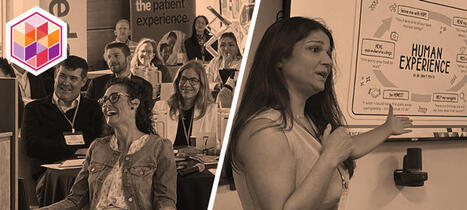
Half-day, online (MS Teams) 11th February 2027, (9.30-13.00) This interactive half-day webinar from the Stoneygate Centre for Empathic Healthcare explores
Half-day, online (MS Teams)
11th February 2027, (9.30-13.00)
This interactive half-day webinar from the Stoneygate Centre for Empathic Healthcare explores the what, why, and how of teaching empathy. Drawing on current evidence and practice from the Stoneygate Centre for Empathic Healthcare, participants will examine frameworks such as therapeutic empathy and the CARE Measure, and learn practical strategies to foster empathy in medical education. Participants will also work collaboratively to design a teaching intervention tailored to their clinical or educational context.
This course is aimed at clinical educators, supervisors, and healthcare professionals involved in training students or junior colleagues. Whether you’re based in a university, hospital, or community setting, if you’re looking to embed empathy in medical education or workplace learning, this session is for you.
For years, business leadership was built on a single idea: whoever endures the most, leads. The people who never showed fatigue got rewarded, and toughness got mistaken for vision.
Empathy, meanwhile, was filed away as a "soft skill" — nice to have but expendable once it was time to execute. That hierarchy no longer holds up the companies that are actually growing, and the numbers make the case better than any speech.
Businessolver's 10th annual workplace empathy study, published in 2025, found that companies seen as low in empathy put US$180 billion a year at risk in the United States alone through talent attrition, and that their people are 1.5 times more likely to quit within six months.
Half-day, online (MS Teams) 11th February 2027, (9.30-13.00) This interactive half-day webinar from the Stoneygate Centre for Empathic Healthcare explores
Half-day, online (MS Teams)
11th February 2027, (9.30-13.00)
This interactive half-day webinar from the Stoneygate Centre for Empathic Healthcare explores the what, why, and how of teaching empathy. Drawing on current evidence and practice from the Stoneygate Centre for Empathic Healthcare, participants will examine frameworks such as therapeutic empathy and the CARE Measure, and learn practical strategies to foster empathy in medical education. Participants will also work collaboratively to design a teaching intervention tailored to their clinical or educational context.
This course is aimed at clinical educators, supervisors, and healthcare professionals involved in training students or junior colleagues. Whether you’re based in a university, hospital, or community setting, if you’re looking to embed empathy in medical education or workplace learning, this session is for you.
Reactivating Healthcare Empathy via Transdisciplinary Research, Patient Perspectives, and Immersive Learning
The Healthcare EmpathyRx Lab conducts transdisciplinary research to develop healthcare education interventions that sustain empathy, cultural awareness, and health-related literacy challenges within health professions and across the health education and professional development journey.
We blend insights from neuroeducation, the art and science of nursing and medical education with innovative technologies to enhance healthcare practice. With the support of SDSU’s VITaL Research Center and the expertise of our industry advisors, we aim to nurture a more compassionate and competent healthcare future for all. Our advisors bring invaluable expertise and real-world perspectives, ensuring our interventions are both innovative and practical, meeting the evolving needs of the healthcare industry.
We tend to think of empathy and compassion as traits we either have or don't. But research tells a different story. Empathy unfolds. It deepens layer by layer as we encounter, sit with, and genuinely engage a human story. Which means that every time we interrupt, assume, or finish someone's story, we don't just miss information—we short-circuit the empathy process itself.
This session draws on original research into empathy decline in healthcare and the conditions that reverse it. Using complexity theory as a lens, participants will explore why empathy erosion is a wicked problem that resists single solutions, and why storytelling, story listening, and intentional reflection and structured debrief protocols are among the most powerful micro-interventions available. Grounded in both science and practice, the session uses story as both subject and method.
Participants will leave with: • A new mental model: empathy as a dynamic process grounded in story • A practical, repeatable storytelling, listening, and reflection protocol for clinical settings • One insight they can apply in their next patient encounter
From healthcare providers in the UK, Europe and the US, evidence is mounting that empathy is more than a bedside virtue. by Jeremy Howick
Organisations that support their staff and build compassionate cultures achieve better patient outcomes, lower costs and stronger performance, argues Professor Jeremy Howick at the University of Leicester.
A hospital that treats its staff well, maintains manageable workloads, fosters empathic leadership and creates an environment where people feel heard and valued: is that good management, or good medicine? The answer, it turns out, is both. And we can now measure it.
Research from England, Europe and the United States points to the same trend: empathy is not just a quality of individual clinicians. It is a characteristic of high-performing healthcare organisations.
To test whether empathy could be measured, we analysed data from 104 NHS hospital trusts in England, drawing on regulator (Care Quality Commission) ratings, staff surveys, workforce records and financial accounts.[1]
Empathy and compassion in One Health: Perspectives across disciplines, species and ecosystems Royal (Dick) School of Veterinary Studies, University of Edinburgh
Please join us at this inaugural event of the Edinburgh Empathy Place, an initiative of the Royal (Dick) School of Veterinary Studies at the University of Edinburgh. The conference will host international leaders and experts from the Global Empathy in Healthcare Network and is being held in collaboration with the University of Edinburgh’s Global Compassion and Empathy Initiative. We are delighted this conference is part of the Edinburgh Medical School’s 300th year anniversary celebrations.
Dr. Jeremy Howick is a clinical epidemiologist and Director of the Stoneygate Centre for Excellence in Empathic Healthcare at the University of Leicester. In this episode, using evidence based-research, he describes how why it’s critical to embed empathy in the delivery of healthcare, and how empathy can prevent burnout in practitioners.
00:00 Preview 00:29 Introduction 00:50 About Jeremy Howick 02:21 The science behind empathic healthcare 04:04 The value of empathy training for practitioners 10:37 The connection between empathy and practitioner burnout 14:09 Shortcomings of the medical school curriculum 18:52 The importance of fostering interprofessional empathy 22:48 Building an empathic ecosystem in healthcare 25:55 Jeremy Howick’s Purposeful Empathy Story
Empathy is the foundation of effective therapy, and our Postgraduate Certificate in Empathy in Therapy will equip you with the skills to deliver compassionate and informed care. By studying this course, you'll gain a deeper understanding of the complexities of human emotions and develop the ability to build strong therapeutic relationships.
With empathy at its core, this course will help you navigate the intricacies of human behavior and provide a supportive environment for clients to explore their thoughts and feelings. Upon completion, you'll be well-positioned for a career in therapy or counseling, with opportunities to work in various settings, including mental health organizations and private practice.
Health policy is motivated by a variety of factors including moral concerns, values and convictions. Policymakers are motivated to consider how constituents and those directly impacted by policies will react to the policies they enact. Thus, it is advantageous for policymakers to understand the psychological processes that shape constituents' reactions toward health policies. We outline how and when policymakers and constituents are motivated to empathize, moralize, and compromise on divisive health policies, such as opioid-related policies, by considering the motivational frameworks of empathy and the plurality of moral values that inform attitudes.
We offer insight for policymakers balancing tradeoffs between different moral values and concerns, suggesting that policymakers should consider cultivating an active dialogue around the relevant moral emotions felt by both supporters and opponents. For example, when considering syringe services programs, supporters and opponents may both be motivated by the moral concern of harm—as supporters may see services as preventing infections and keeping people healthy, while opponents may see services as promoting drug use and in turn, harmful health outcomes.
We suggest that such a morally pluralistic effort will (1) highlight moral alignment amongst supporters to cultivate collective resolve and (2) acknowledge the competing moral concerns of opponents so that they feel understood and in turn, feel more willing to understand competing perspectives. While leaning into moral emotions may feel like a turn toward divisiveness, we suggest that acknowledging the plurality of moral values at stake sets the foundation for support and compromise.
Dan’s experience reveals the power of empathy in healing. Research by Kitzmüller et al. (2019) backs it up by showing that empathic care and listening to people’s stories led to improved recovery and a greater sense of meaning and manageability. Yet, what happens when the healing power of empathy backfires and leads to burnout?
Empathy often triggers compassion, which helps cement our social relationships.
Empathy varies with gender, age, and political preference. Both empathy and compassion can be taught using Compassion Meditation.
In 2025, the Muhammad Ali Center published a report on compassion in the United States that revealed that 61 percent of the more than 5,000 people surveyed between 2020 and 2024 said they perceived a decline in compassion in America (the Muhammad Ali Center, 2025). The majority of us apparently see wider gulfs and taller walls between groups in our world.
Latin American Conference on Empathy in Healthcare: Education, evidence and practice Virtual event – Friday 25th September 2026, from 9am to 5pm (CST)
Keynote lectures Professor Jeremy Howick, Director, Stoneygate Centre for Empathic Healthcare, University of Leicester, UK. With over 100 scientific publications in journals such as The Lancet and the British Medical Journal, Professor Howick is the founder of the Oxford Empathy Programme and the Global Empathy in Healthcare Network. His research demonstrates that empathetic care reduces pain, improves clinical outcomes, and protects the well-being of healthcare professionals.
Dr Mohammadreza Hojat, Research Professor & Director, Jefferson Longitudinal Study Sidney Kimmel Medical College, Thomas Jefferson University, USA. Dr Hojat is the creator of the Jefferson Scale of Empathy – the most widely used instrument worldwide to measure clinical empathy in health professions students and practitioners.
Disclaimer: The Stoneygate Centre for Empathic Healthcare and Global Empathy in Healthcare Network is promoting this event. We are not involved in the organisation, management, or delivery of the event and do not collect, process, or hold any attendee data. Any questions regarding registration, data protection, or privacy should be directed to the event organisers at the Center for Empathy in Healthcare in Brazil.
In conclusion, our study provided preliminary insights into empathy and compassion differences between four cohorts of medical students during the 2023–2024 academic year. While lower levels of empathy and related constructs were noted during both preclinical and clinical stages, levels were higher during the fourth year.
These preliminary findings contribute to the growing body of literature on empathy and compassion among medical students. Additional waves of data will provide a more comprehensive examination of both cohort differences and the longitudinal progression of students from different cohorts over time. Our future research will also investigate the effects of mandatory and elective curricula focused on enhancing empathy and compassion by comparing outcomes across different levels of curricular exposure in order to examine a potential dose–response effect.
University of Phoenix has launched "Communicating with Compassion and Empathy," a new professional development training pathway designed to help organizations strengthen empathetic communication, support employee well-being and navigate emotionally complex workplace interactions. The four-hour pathway provides practical learning experiences focused on active listening, emotional management, sensitive conversations and strategies for addressing compassion fatigue.
"As organizations continue to prioritize employee well-being and meaningful workplace interactions, there is growing value in helping employees develop communication skills that support empathy, understanding and professionalism," said Mukund Sudarsan, vice president and general manager of Professional Development Programs at University of Phoenix. "This pathway provides practical tools that can help employees communicate effectively, manage emotional situations and contribute to supportive workplace environments."
We must teach students how to protect themselves In medical education, we lionize empathy. It is all over our mission statements, student evaluations and admissions essays. But what we do not always acknowledge is this: empathy, in its rawest form, comes at a cost. If we ask students to feel everything without teaching them how to protect themselves, we set them up for compassion fatigue and burnout.
We often teach empathy as “putting yourself in someone else’s shoes.” Official definitions label empathy as the act of understanding or being sensitive (even vicariously experiencing) the feelings, thoughts and experiences of others.
Empathic Leadership and Culture Change The New Drivers of Patient Experience Excellence Healthcare organizations are under growing pressure from workforce burnout, staffing shortages, rising patient expectations, technology overload, and increasing complexity across care delivery. In this timely panel discussion, leaders from across Mass General Brigham will explore why empathic leadership and culture transformation have become critical drivers of both workforce well-being and patient experience.
Moderated by empathy researcher Helen Riess, this panel brings together senior clinical, quality, patient experience, and operational leaders from Mass General Brigham to share practical lessons and measurable strategies for leading through today’s healthcare challenges. Attendees will leave with actionable insights to strengthen leadership communication, supporting clinical teams, and creating more sustainable cultures that improve both the workforce and patient experience.
Strengthen organizational resilience, trust, retention, and patient outcomes through empathic leadership
Address burnout, communication breakdowns, workforce fatigue, and technology burden across care environments
Implement culture change strategies drawn from real-world frontline experience and operational leadership
Connect patient experience, quality, safety, and workforce well-being as part of a unified organizational strategy
Build accountable, compassionate, and engaged cultures during periods of ongoing stress and transformation
Do empathetic healthcare organisations deliver better care? Howick has spent more than a decade researching what empathy does inside healthcare systems and, critically, what destroys it. His most recent study, the first of its kind, built a system empathy index across NHS trusts in England and tested whether more empathic organisations actually deliver better care.
The results are stark. A healthcare trust scoring just 2.5% higher on the empathy index had 76% higher odds of being rated good or outstanding for patient safety, and 46% greater odds of being rated good or outstanding for effectiveness. Higher empathy scores were also associated with lower staff burnout, lower sickness absence, and lower spending on agency and temporary staff – the very pressures that Nottingham’s maternity unit was drowning in.
But hearing the public is not the same as listening.
Communities often mistake the opportunity to speak for the opportunity to influence. Public meetings and comment periods create space for residents to voice their views. That matters. At the same time, having a voice is not the same as having that voice heard.
Graham Bodie Credit: Courtesy photo Many public processes are built around what communication scholar Jim Macnamara calls an “architecture of speaking.” Governments and organizations invest heavily in messaging: presentations, announcements, public meetings and media campaigns. Far less investment goes toward the harder work of listening.
Empathy is often seen as a natural and essential part of the patient encounter - but reality tends to look quite different. In a new doctoral thesis from Umeå University, doctors describe how not only time pressure, but also the structure of medical education and the culture of the workplace, can make it difficult to live up to the ideal.
In her thesis, Johanna von Knorring interviewed medical students, practicing doctors, and patients about how they experience and understand empathy in healthcare. The results show that empathy is relational and constantly changing - and that it is influenced by far more than an individual doctor's will or personality.
Facilitator: Dr Andy Ward – Director of Education and Training at the Stoneygate Centre for Empathic Healthcare, Leicester Medical School
This 1-hour free webinar is open to all healthcare professionals, educators, and students.
A MS Teams link and joining instructions will be provided to delegates by email before the event.
About the session:
This interactive webinar is designed for clinical educators and healthcare professionals who want to strengthen how they teach empathy in everyday practice. Drawing on evidence-based approaches from the Stoneygate Centre for Empathic Healthcare, the session will explore what therapeutic empathy is, why it matters for patient and practitioner outcomes, and how it can be effectively taught in clinical settings.
Participants will be introduced to key frameworks, including therapeutic empathy and the CARE Measure, and will gain practical strategies to embed empathic practice into clinical teaching and supervision.
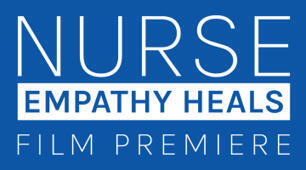
On Jan. 8, the film “NURSE: Empathy Heals” premiered at the ETSU Martin Center. The film is the culmination of the Nurse Narratives Initiative, a collaborative effort of ETSU College of Nursing, Ballad Health, the Tennessee Center for Nursing Advancement and StoryCollab. The initiative has worked with nurses, nursing students, faculty and patients to tell their stories through a series of reflective workshops.
Executive Director of StoryCollab Allison Myers said the organization, which is a platform of the ETSU Research Corporation, supports participatory media. In participatory media, StoryCollab works to help individuals and communities tell their stories and focuses on building processes that equip participants to share their own experience the way they feel is best. The storytellers own the rights to their stories, helping establish authenticity and autonomy with respect to their stories.
“NURSE: Empathy Heals” documents a particular workshop from the initiative. Directed by an Emmy Award-winning filmmaker, the documentary uses a narrative style to tell the often-untold story of nurses.
“It’s important that people see nurses as human,” Myers said.
Allison Myers and Dr. Dena Evans, share with us all the details of the film "Nurse: Empathy Heals" that premieres this Thursday evening at Martin Center for the Arts at ETSU! Please watch the video to discover more about this powerful film that tells the narrative and stories of Nurses lived experiences.
AI now outperforms doctors in empathy, and patients feel cared for by code.
Artificial empathy works, but techno-perfection is precarious.
When AI fluency replaces feeling, compassion risks losing its place in care.
Two years ago, I wrote "Artificial Empathy: A Human Construct Borrowed by AI." Back then, the idea that a machine could convincingly simulate compassion felt speculative. Today, we might call it empirical. A meta-analysis in the British Medical Bulletin found that in text-based clinical settings, chatbots are consistently rated as more empathic than physicians. That’s not a headline for artificial intelligence (AI) marketing; it’s a shift in how we manage and measure care.
Empathy Weaponizes Wanting Empathy, however, lives and dies in the realm of want… wants met… pain alleviated… living with the sufferer in their moment of suffering without the detached perspective needed to confront real problems… especially when the real problem is the sufferer himself… ignorance, poor choices, self-destructive patterns of thought and behavior, delusional engagements of reality.
Empathy serves wants by imagining that one is melded with the sufferer, feeling their feelings and wanting for them what they want for themselves. This is highly limiting, as noted in our previous discussion because it only proposes to enter into the suffering of certain people. You can sympathize with the perpetrator and the victim of evil acts, but you cannot empathize with them both. You’d go mad. So you have to choose.
User Friendly Churches and the Curse of Empathy I was first entering the ministry in the late 80s. “User Friendly” churches were springing up. I actually got involved with planting a “User Friendly church.” I was doubtful about the process but wanted to understand and learn. It was not very hard. Find out what people want in a church and give it to them.
To get content containing either thought or leadership enter:
To get content containing both thought and leadership enter:
To get content containing the expression thought leadership enter:
You can enter several keywords and you can refine them whenever you want. Our suggestion engine uses more signals but entering a few keywords here will rapidly give you great content to curate.


 Your new post is loading...