



Researchers in France report the correction of three duplications in the dystrophin gene in cells from Duchenne muscular dystrophy patients, using CRISPR-Cas9 gene editing and a single guide RNA. The findings highlight the potential of using CRISPR-Cas9 to correct DMD duplications in exons that are not addressed by any of the fou


 Your new post is loading...

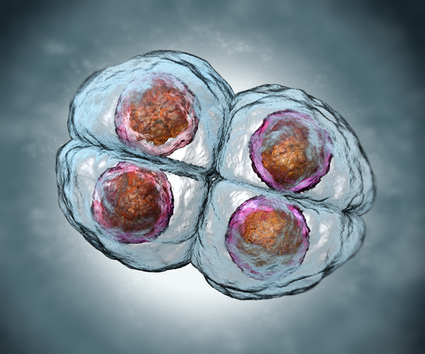
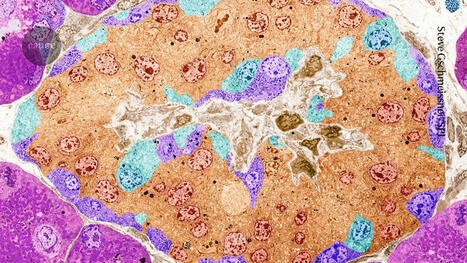












Duchenne muscular dystrophy (DMD) is a rare, incurable muscular disease affecting around 1 in every 3,500 to 5,000 male births worldwide. The disease follows an X-linked pattern of inheritance, and exonic duplications of the gene coding for DMD dystrophin are frequently observed in DMD patients. Dystrophin is a cytoplasmic protein that plays a mechanical role in muscle. In a recent study, French researchers used the CRISPR-Cas9 gene-editing technique to target intronic regions of the DMD gene. Their aim was to delete certain duplicated regions in patients' immortalized myogenic (muscle progenitor) cells, in particular duplications of exon 2, exons 2 to 9 or exons 8 to 9, which are known hotspots for mutations in DMD patients.They confirmed restoration of the DMD open reading frame and rescued dystrophin expression by Western blotting and mytotube immunostaining after CRISPR-based deletion of the target duplications. RNA sequencing suggested gene rescue in dystrophin-related pathways. Off-target analysis based on predicted nearby off-targets revealed no significant unintended genetic changes at these loci.