




Within a large group of more than 700 patients treated with CAR T cell therapy, researchers found no evidence that the therapy itself caused any type of secondary cancer in the modified T cells, according to new analysis reported today in Nature Medicine from the Perelman School of Medicine at the University of Pennsylvania and Penn Medicine's Abramson Cancer Center.


 Your new post is loading...

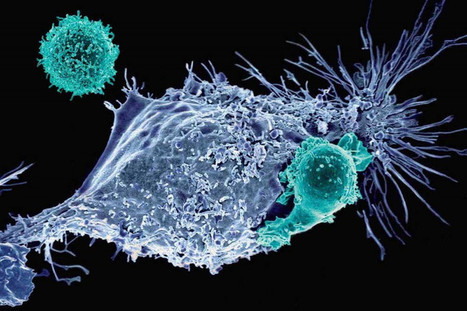











CAR T cell therapy is a personalized form of immunotherapy that uses a deactivated virus to program an individual's T cells to target and kill their cancer cells. Since the first CAR T cell therapy was approved in 2017, more than 30,000 patients with blood cancers have been treated. Some of the first patients treated in clinical trials have experienced durable remissions of a decade or more. In late 2023, the FDA announced that it was investigating several reported cases of secondary T-cell malignancies in patients who had previously received CAR T cell therapy products. In 2024, the FDA also began requiring drug manufacturers to add a safety warning to the label of CAR T cell products. As a result, researchers analysed samples from 783 adult and paediatric patients in Philadelphia who had been treated with CAR T cell therapy in clinical trials and found 18 cases of secondary cancers. None of the 18 cases showed evidence that they were caused by insertional mutagenesis. The researchers attributed the rarity of secondary cancers to immune system suppression due to previous anti-cancer treatments.