


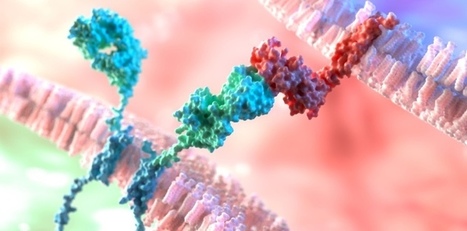

Researchers have identified a method to enhance the effectiveness of a promising cancer treatment. They found that modifying a specific gene improves the ability of immune cells to combat cancer for an extended period, potentially reducing the chance of cancer recurring.


 Your new post is loading...
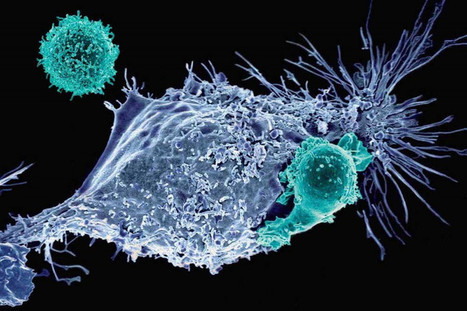



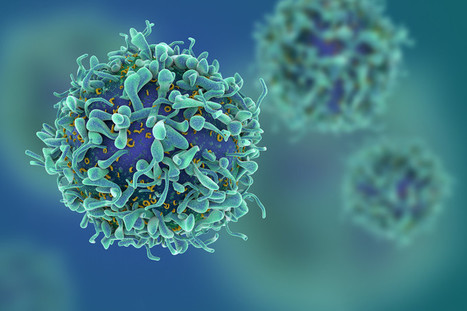
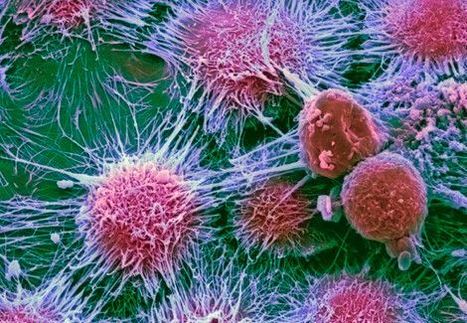
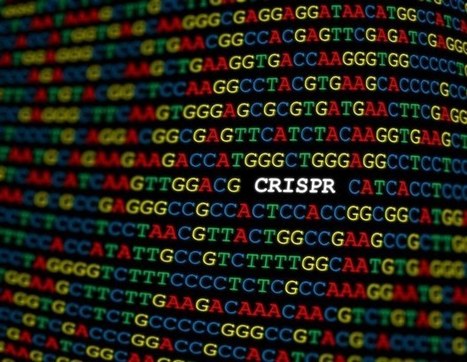
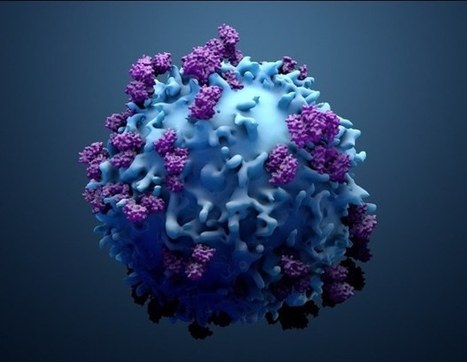

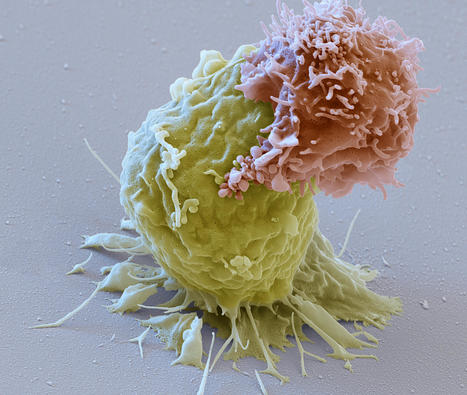

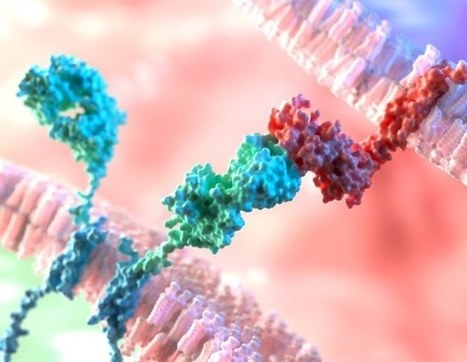






Although clinicians have successfully used CAR-T cells in cancer, many patients experience a cancer relapse caused by the hostile environment created by the cancer cells. After repeated encounters with cancer cells, CAR-T cells lose their ability to effectively divide and attack the tumour. Therefore, a research team used CRISPR screening to identify potential genes that could improve CAR-T cell therapy. The researchers found that knocking out the CUL5 gene improved the growth and longevity of CAR-T cells, even after repeated exposure to cancer cells. The gene of interest, CUL5, is involved in the degradation of specific proteins inside cells. When this gene is inactive, a cell signalling pathway known as the JAK-STAT signalling pathway becomes more sustained. This pathway sends signals encouraging T lymphocytes to grow and multiply, making them more effective at fighting cancer. Therefore, a new way of partially reducing CUL5 activity has been developed by using a virus to deliver genetic material to CAR-T cells.