
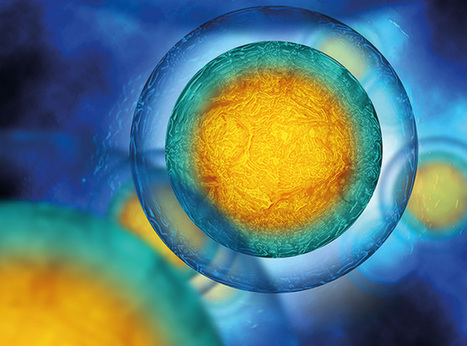

Cell-to-cell communication through nanosized particles, working as messengers and carriers, can now be analyzed in a whole new way, thanks to a new method involving CRISPR gene-editing technology.


|
Scooped by
BigField GEG Tech
onto Genetic Engineering in the Press by GEG January 7, 2025 6:20 AM
|
 Scoop.it!
Cell-to-cell communication through nanosized particles, working as messengers and carriers, can now be analyzed in a whole new way, thanks to a new method involving CRISPR gene-editing technology.

 Your new post is loading...
 Your new post is loading...
Your new post is loading...
Scoop.it!
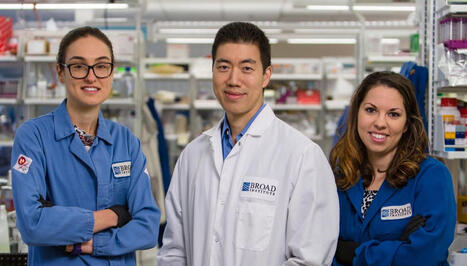
The inventor of base and prime editing shares insights on medicine's efforts to make serious genetic diseases treatable or preventable, with recent clinical milestones.
BigField GEG Tech's insight:
Are base and prime editing technologies not only a scientific and therapeutic breakthrough, but also a potential business turning point?
This article highlights a major shift for the biopharmaceutical industry: the genome-editing technologies developed by David Liu enable a transition from an artisanal, high-cost model centered on ultra-personalized therapies to a platform-based approach capable of addressing a wide range of rare genetic diseases using the same technological toolbox. This shift unlocks a substantial market opportunity: nearly 400 million patients affected by genetic disorders that are largely untreated today. Standardizing key technological components could drive significant cost reduction and scalability previously unattainable in gene therapy. The development of specialized centers dedicated to rapid design and manufacturing of such therapies is a strategic lever—supporting industrialization, economies of scale, faster regulatory pathways, and shared infrastructure investment. For pharma and biotech players, these technologies represent both a major market opportunity and a new economic model, built around modular therapeutic platforms rather than one-off products.
Scoop.it!
BigField GEG Tech's insight:
A company’s plan to edit the genomes of human embryos worries some researchers — but it might reflect the changing attitudes towards the controversial approach.
Scoop.it!
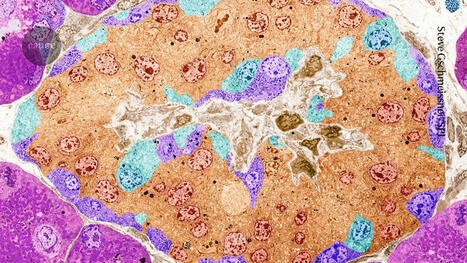
Edits create cells that don’t trigger an immune response, allowing implant recipient to forego immune-suppressing drugs.
BigField GEG Tech's insight:
Edits create cells that don’t trigger an immune response, allowing implant recipient to forego immune-suppressing drugs.
Scoop.it!
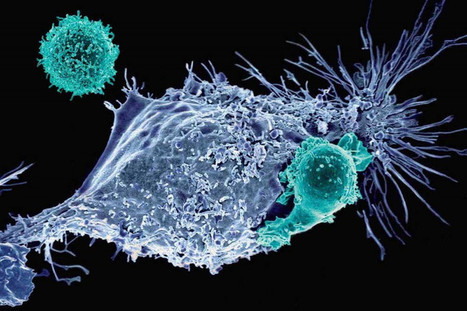
Researchers at the National University of Singapore (NUS) have developed a scalable, non-viral technology that efficiently delivers genetic material into human immune cells.
BigField GEG Tech's insight:
CAR-T cell therapy is one of the most promising cancer treatment strategies to have emerged recently. This personalized approach has demonstrated its effectiveness, particularly in patients who have exhausted conventional options. However, it remains costly and logistically complex. One of the main obstacles to CAR-T manufacturing lies in the introduction of genetic material into immune cells. Methods currently used in the industry include viral vectors and mass electroporation. While viral approaches are effective, they raise concerns about safety, immunogenicity and random gene integration. What's more, mass electroporation, which relies on high-voltage electrical pulses, can stress and damage cells, reducing their therapeutic efficacy. A new NExT platform created by researchers overcomes these limitations. It works by connecting cells to a dense forest of nanopairs, microscopic hollow tubes less than a thousandth the width of a human hair. When a gentle electrical signal is applied, the nanopins open temporary pores in the cell membrane, allowing biomolecules such as mRNA or CRISPR/Cas9 complexes to penetrate directly into the cell cytoplasm.
Scoop.it!
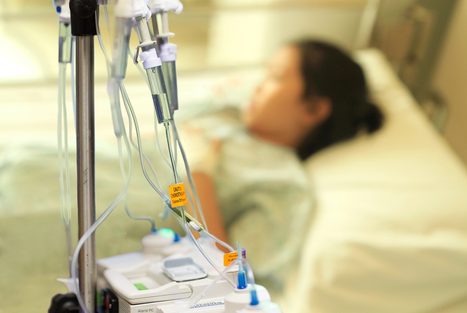
A new type of immunotherapy that targets aggressive blood cancers shows promising results alongside manageable side effects, according to the results of an international phase 1/2 clinical trial led by researchers at Washington University School of Medicine in St. Louis.
BigField GEG Tech's insight:
A new type of immunotherapy, called WU-CART-007, targeting aggressive blood cancers is showing promising results as well as manageable side effects, according to the results of an international phase 1/2 clinical trial conducted by researchers. Participants in the trial had been diagnosed with a rare cancer: T-cell acute lymphoblastic leukemia or T-cell lymphoblastic lymphoma, and had run out of treatment options as standard therapy had proved ineffective. In the process of its production, CRISPR deletes the T-cell receptor from donor cells, thereby considerably reducing the risk of graft-versus-host disease, in which donor T cells attack healthy tissue. Deletion of another key antigen also prevents CAR-T cells from attacking each other. After using CRISPR gene editing to modify CAR-T cells to prevent these harmful side effects, the cells are then modified to target a protein called CD7 on the surface of cancer T cells to destroy the cancer. The clinical trial evaluated the safety and efficacy of an innovative CAR-T cell-based immunotherapy, specifically designed to attack cancer T cells. Thanks to this new immunotherapy, most patients in the study who received the full dose of cells achieved complete remission of their cancer.
Scoop.it!
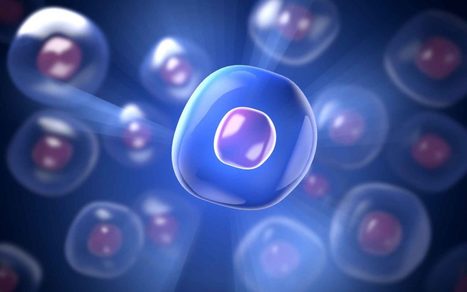
Researchers in South Korea have proposed a novel cancer immunotherapy approach that could complement existing CAR-T (Chimeric Antigen Receptor T-cell) treatments.
BigField GEG Tech's insight:
Although highly effective against blood cancers such as leukemia, CAR-T therapy faces significant challenges in the treatment of solid tumors such as lung cancer. Macrophages, a type of immune cell, have the inherent ability to infiltrate solid tumors more effectively than T lymphocytes. This makes them a promising candidate for cancer treatment. However, existing macrophage-based therapies have limitations, not least the short duration of genetic modifications, which reduce therapeutic efficacy. A research team developed a series of innovative techniques to efficiently deliver synthetic CAR-encoding genes into macrophages without causing cell damage, by eliminating polybrene, optimizing the VSV-G (vesicular stomatitis virus G) protein, a key component facilitating viral entry into cells, and using the EF1α promoter, which enabled macrophages to maintain CAR gene expression for up to 20 days. CAR-M cells demonstrated potent antitumor effects. In co-culture with Nalm6 and Raji cells, CAR-M macrophages effectively engulfed and destroyed cancer cells, as observed by fluorescence microscopy. The research team plans to increase CAR-M production and further develop high-efficacy treatment protocols for clinical applications
Scoop.it!
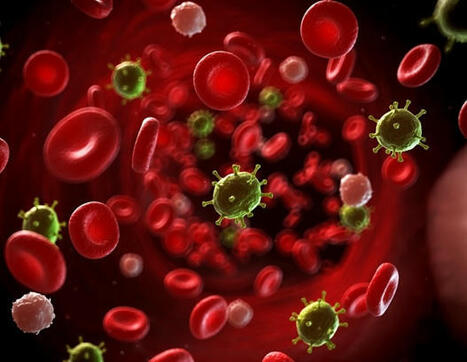
Researchers from the J. Craig Venter Institute (JCVI), the Friedrich-Loeffler-Institut (FLI), and the International Livestock Research Institute (ILRI) have developed a reverse genetics system for African swine fever virus (ASFV).
BigField GEG Tech's insight:
Researchers have developed a reverse genetics system for the African swine fever virus (ASFV). The scientists construct synthetic DNA, a laboratory-made version of the virus’s genetic material. Fragments of ASFV are then modified and assembled into complete genomes in yeast using its natural recombination mechanism. The modified genomes are subsequently transferred to E. coli, allowing them to be isolated in larger quantities. The synthetic DNA is then transfected (artificially introduced) into mammalian host cells, which are subsequently infected by a helper virus. This helper virus is an attenuated version of ASFV, modified using CRISPR/Cas9 technology—a powerful genetic editing tool capable of cutting DNA at precise locations. These alterations prevent the helper virus from replicating on its own. Despite this inhibition, the helper virus still provides the proteins and machinery necessary for the replication and assembly of the synthetic DNA into new viral particles. This process enables the production of live recombinant viruses containing the specific genetic modifications introduced into the synthetic DNA. The new system will help researchers develop vaccines and study the pathogenesis and biology of ASFV, a deadly and highly contagious viral disease affecting domestic and wild pigs.
Scoop.it!

Researchers at the University of Colorado Anschutz Medical Campus have successfully developed a supercharged iteration of CAR-T cell therapy that can enhance the effectiveness and longevity of the cells, particularly against cancer cells that are harder for prior CAR-T therapies to detect and fight.
BigField GEG Tech's insight:
Chimeric Antigen Receptor T-cell (CAR-T) therapy has revolutionized cancer treatment by engineering a patient's T-cells to target and eliminate malignant cells. However, certain cancers still evade detection, leading to treatment resistance and relapse. American researchers have recently introduced an innovative approach known as ALA-CART (adjunctive LAT-activating CAR-T cells), designed to overcome these challenges. In preclinical studies, ALA-CART demonstrated enhanced efficacy against acute lymphocytic leukemias that were unresponsive to traditional CAR-T therapies. By optimizing T-cell activation and targeting capabilities, this next-generation therapy not only improved cancer cell eradication but also showed potential in reducing associated side effects. These findings suggest that ALA-CART could offer a more robust and durable treatment option for patients with resistant cancers, marking a significant advancement in the field of immunotherapy.
Scoop.it!

New precision genome editing technologies are transforming the therapeutic landscape for patients with certain cancers and genetic diseases.
BigField GEG Tech's insight:
This year’s Breakthrough Prize in Life Sciences has been awarded to David Liu, a biochemist at Harvard University, for the development of base editing and prime editing, two novel genome editing technologies. The Breakthrough Prize in Life Sciences honors researchers whose work has improved scientific understanding of living systems and contributed towards extending human life.
Scoop.it!

The FDA has granted orphan drug and rare pediatric disease designations to Arbor Biotechnologies' ABO-101, a gene-editing therapeutic candidate for primary hyperoxaluria type 1. The one-time treatment aims to reduce oxalate production in patients with this rare genetic kidney disease.
BigField GEG Tech's insight:
Primary hyperoxaluria (PH) is a group of rare, autosomal recessive metabolic diseases characterized by excessive oxalate production by the liver and subsequent accumulation of oxalate in the kidneys and other organs. Type I PH (PH1), the most common and severe subtype, is thought to affect 1 to 3 people per 1,000,000 in the general population. PH is incurable, and current therapeutic approaches focus on relieving symptoms and preventing the accumulation of oxalate in the kidneys and blood vessels. However, Arbor Biotechnologies has developed a treatment for PH1, called ABO-101, and announced in a recent press release that the FDA has granted both Orphan Drug Designation and Rare Pediatric Disease Designation to this treatment. ABO-101 is a novel investigational gene-editing therapy designed as a single liver-directed treatment that permanently deactivates the HAO1 gene to reduce PH1-associated oxalate production. The candidate uses a lipid nanoparticle delivery system (licensed from Acuitas Therapeutics) encapsulating messenger RNA expressing a CRISPR Cas12i2 type V nuclease and an optimized guide RNA targeting the HAO1 gene.
Scoop.it!
BigField GEG Tech's insight:
Chronic diseases such as cancer and chronic infections often leave the immune system in a state of exhaustion, where its front-line defenders, the T lymphocytes, lose their ability to function effectively. Research has identified a rare type of immune cell, called a T stem cell, which holds the key to maintaining robust, long-term immune responses. The study reveals that the stamina of these stem-type T lymphocytes is fuelled by a protein called ID3, expressed by a gene of the same name. These ID3+ T cells have a unique ability to self-renew and resist depletion, allowing them to maintain immune responses for much longer than other T cells that do not express ID3. The study also revealed that specific signals in the body could increase the number of ID3+ T cells, paving the way for improved treatments such as CAR T cell therapy. Although CAR T therapy has been transformative in treating certain cancers, its effectiveness can diminish over time due to T cell depletion.
Scoop.it!
Cell-to-cell communication through nanosized particles, working as messengers and carriers, can now be analyzed in a whole new way, thanks to a new method involving CRISPR gene-editing technology.
BigField GEG Tech's insight:
Researchers at the University of Tokyo have developed a groundbreaking CRISPR-based barcoding system to study small extracellular vesicles (sEVs), nanosized particles crucial in intercellular communication and disease progression. The system uses CRISPR gene-editing technology to introduce RNA barcodes into sEVs, allowing thousands of genes to be analyzed simultaneously in a single pooled experiment. CIBER (CRISPR-assisted individually barcoded extracellular vesicle-based release regulator) offers detailed insights into sEV subpopulations, enabling more efficient and comprehensive studies than conventional methods. This innovation opens new pathways for sEV-based diagnostics and therapeutic applications.
Scoop.it!
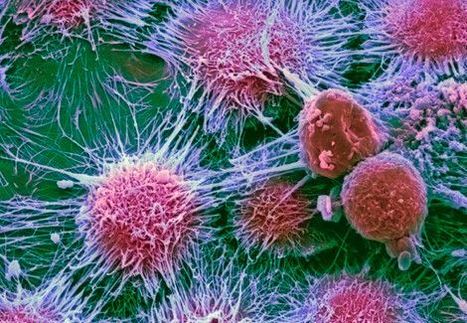
In the quest to enhance the efficacy of chimeric antigen receptor T (CAR-T) cell therapy against hepatocellular carcinoma (HCC), a recent study has identified a pivotal role for CD39 expression in modulating the function of CAR-T cells.
BigField GEG Tech's insight:
In the quest to improve the efficacy of CAR-T cell therapy against hepatocellular carcinoma (HCC), a recent study has identified a pivotal role for CD39 expression in modulating CAR-T cell function. The research, conducted by a team of scientists, investigated the impact of CD39 modulation on CAR-T cells, hypothesising that optimal levels of CD39 could increase the therapeutic potential of these cells against HCC. The study began with the isolation and culture of primary human T lymphocytes, transduced with a lentiviral vector encoding the CAR CD39 construct. The study also used a combination of in vitro and in vivo experiments, including a mouse model of subcutaneous HCC, to demonstrate that CAR-T cells with moderate levels of CD39 expression displayed superior antitumour activity to those with high or low levels of CD39. In addition, the study explored the use of mdivi-1, a small molecule inhibitor, to modulate CD39 expression, revealing a synergistic effect when combined with CD39 suppression that significantly improved the antitumour response.
|
Scoop.it!
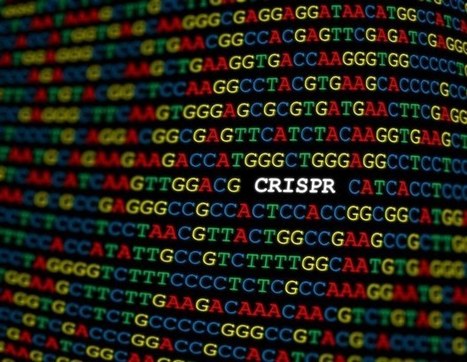
Genetic editing holds promise to treat incurable diseases, but the most popular method - CRISPR - sometimes does more harm than good.
BigField GEG Tech's insight:
A team at UC San Diego and Yale has developed a novel RNA editing approach using small nuclear RNAs (snRNAs) that promises greater precision and reduced risk compared to classical CRISPR-based methods. Unlike CRISPR, which permanently changes DNA and can lead to off-target mutations or immunogenic reactions, the snRNA-based system makes temporary, highly specific edits to RNA transcripts. This system can convert adenine → inosine (A-to-I) or uracil → pseudouridine (U → Ψ), and it handles complex or non–protein-coding RNAs better than existing editors. In a cystic fibrosis model, it corrected faulty transcripts more effectively, with far fewer off-target changes. Because RNA is transient, interventions are less likely to create permanent unintended consequences. This work advances RNA editing tools by offering a more efficient, safer, and versatile platform, ideal for treating diseases caused by premature stop codons or splicing defects, without altering genomic DNA.
Scoop.it!
BigField GEG Tech's insight:
In a world first, a bespoke gene-editing therapy benefited one child. Now researchers plan to launch a clinical trial of the approach.
Scoop.it!
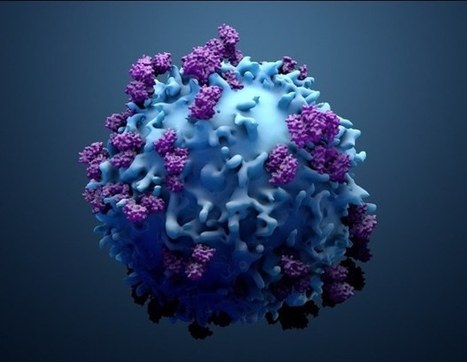
Physicians from Bochum have used a cancer treatment method to treat severe autoimmune diseases.
BigField GEG Tech's insight:
Chronic Inflammatory Demyelinating Polyneuropathy (CIDP) is an autoimmune disease in which the immune system's B lymphocytes attack the peripheral nervous system. In one study, CAR CD19 T cell therapy was used to combat these abnormal B cells. Doctors drew blood from patients using leukopheresis and isolated millions of immune T cells. By viral genetic manipulation, the American biotech company Kyverna Therapeutics integrated fully humanized chimeric antigen receptors into these immune cells, capable of identifying pathologically altered B lymphocytes. Each patient was treated with autologous CAR T lymphocytes. The treatment showed a rapid and long-lasting effect. Within a few days, pathogenic B lymphocytes had completely disappeared from the blood. Functional improvements were also observed: patients regained the ability to move about safely, some for the first time in years. Objective parameters, including clinical scores and neurophysiological tests, improved by over 200%. No further immunotherapy was required after the single CAR-T treatment in either patient.
Scoop.it!

AbbVie said on Monday it would acquire privately held cell therapy developer Capstan Therapeutics in a deal worth up to $2.1 billion, expanding its product pipeline with experimental treatments for autoimmune diseases.
BigField GEG Tech's insight:
AbbVie said on Monday it would acquire privately held cell therapy developer Capstan Therapeutics in a deal worth up to $2.1 billion, expanding its product pipeline with experimental treatments for autoimmune diseases.
Scoop.it!
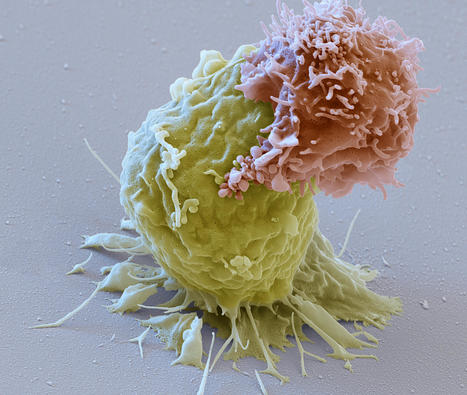
The tumor microenvironment (TME) is a complex and dynamic network consisting of tumor cells, immune cells, stromal cells, extracellular matrix (ECM), cytokines, and growth factors, all interacting to influence tumorigenesis, progression, and metastasis.
BigField GEG Tech's insight:
The tumor microenvironment (TME) is a complex and dynamic network composed of tumor cells, immune cells, stromal cells, extracellular matrix (ECM), cytokines and growth factors, all of which interact to influence tumorigenesis, progression and metastasis. Long non-coding RNAs (lncRNAs), a class of non-coding RNAs over 200 nucleotides in length, have recently attracted considerable interest for their role in regulating gene expression within the MCT. They contribute to crucial processes such as immune evasion, angiogenesis, metabolic reprogramming and cancer stem cell maintenance, and their influence extends to the transcriptional, post-transcriptional and epigenetic levels. Targeting lncRNAs represents a promising therapeutic strategy for disrupting tumor-stroma interactions and improving the efficacy of current treatments. As research continues to reveal the complex roles of lncRNAs in cancer biology, these molecules have the potential to revolutionize cancer diagnosis and treatment, offering new hope to patients with advanced, treatment-resistant cancers.
Scoop.it!
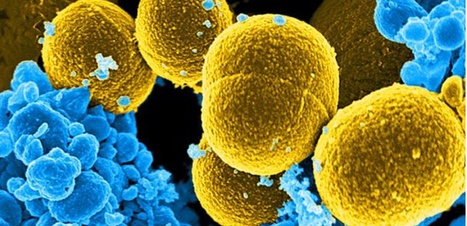
A team of researchers from the Hospital del Mar Research Institute, the Universitat Autònoma de Barcelona and the Pompeu Fabra University has developed a new tool that allows modifying these NK cells to make them immune to the tumor’s defense mechanism.
BigField GEG Tech's insight:
One of the functions of Natural Killer (NK) cells is to detect and eliminate cancer cells. However, in some cases they are unable to overcome the tumour's defence mechanism, and cancer develops. To date, NK lymphocyte-based treatments have been effective in haematological tumours, but have not achieved the same level of efficacy in solid tumours. A study published in Nature Immunology proposes a new approach for strengthening NK cells in their fight against tumour cells. Using CRISPR-Cas 9, the researchers deactivated a specific gene, SMAD4, involved in TGF-β and activin A signalling in preclinical models of HER2-positive breast cancer tumour cells and metastatic colorectal cancer cells. The modified NK cells were able to overcome the negative effects of TGF-β and activin A.
Scoop.it!
Allogene Therapeutics recently released exciting results from the Phase 1 ALPHA/ALPHA2 trials of the Allogeneic CAR T 'Cemacabtagene Ansegedleucel/ALLO-501' in Relapsed/Refractory Large B-Cell Lymphoma.
BigField GEG Tech's insight:
Recent developments in allogeneic CAR-T cell therapy have shown promise in treating relapsed or refractory large B-cell lymphoma (LBCL). Californian biotech Allogene Therapeutics reported encouraging results from their Phase 1 ALPHA and ALPHA2 trials, evaluating the efficacy of ALLO-501, an allogeneic CAR-T product, in LBCL patients. The trials demonstrated complete response rates of 67% and 58%, respectively, with a median duration of response of 23.1 months among responders. Notably, patients with minimal disease burden at treatment initiation exhibited particularly favorable outcomes. These findings suggest that allogeneic CAR-T therapies could serve as effective "off-the-shelf" treatments, offering a more accessible and timely alternative to autologous CAR-T therapies, which require individualized cell harvesting and processing. Pitfalls however include accepting the “non-self” and graft versus-host disease (GvHD). An ongoing third trial aims to further assess the potential of this approach to redefine standard care practices in oncology
Scoop.it!

The potential of regenerative medicine in the clinical space is vast, given its ability to repair and replace damaged tissues, restore lost functions …
BigField GEG Tech's insight:
Recent developments in CRISPR-Cas9 gene-editing technology have significantly advanced the field of regenerative medicine. CRISPR-Cas 9 offers precise and efficient methods for tissue repair and the treatment of genetic disorders. It enables targeted genome modifications, including gene knock-ins, knockouts, and base conversions, facilitating the correction of mutations responsible for diseases such as cystic fibrosis, sickle cell disease, and osteogenesis imperfecta. Beyond genetic corrections, CRISPR is instrumental in reprogramming somatic cells into induced pluripotent stem cells (iPSCs), which can then be differentiated into specific cell types for therapeutic applications. It is also a key research tool facilitating genetic screening and disease models creation. While challenges remain, especially with safe delivery and minimizing off-target effects, the potential is undeniably vast. These advancements underscore CRISPR's pivotal role in enhancing tissue repair processes and developing innovative treatments for previously intractable conditions.
Scoop.it!
Within a large group of more than 700 patients treated with CAR T cell therapy, researchers found no evidence that the therapy itself caused any type of secondary cancer in the modified T cells, according to new analysis reported today in Nature Medicine from the Perelman School of Medicine at the University of Pennsylvania and Penn Medicine's Abramson Cancer Center.
BigField GEG Tech's insight:
CAR T cell therapy is a personalized form of immunotherapy that uses a deactivated virus to program an individual's T cells to target and kill their cancer cells. Since the first CAR T cell therapy was approved in 2017, more than 30,000 patients with blood cancers have been treated. Some of the first patients treated in clinical trials have experienced durable remissions of a decade or more. In late 2023, the FDA announced that it was investigating several reported cases of secondary T-cell malignancies in patients who had previously received CAR T cell therapy products. In 2024, the FDA also began requiring drug manufacturers to add a safety warning to the label of CAR T cell products. As a result, researchers analysed samples from 783 adult and paediatric patients in Philadelphia who had been treated with CAR T cell therapy in clinical trials and found 18 cases of secondary cancers. None of the 18 cases showed evidence that they were caused by insertional mutagenesis. The researchers attributed the rarity of secondary cancers to immune system suppression due to previous anti-cancer treatments.
Scoop.it!
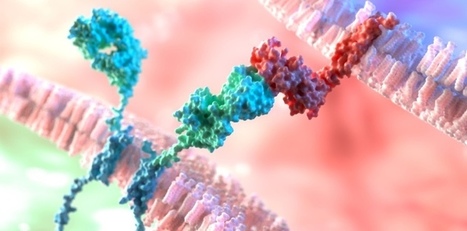
Researchers have identified a method to enhance the effectiveness of a promising cancer treatment. They found that modifying a specific gene improves the ability of immune cells to combat cancer for an extended period, potentially reducing the chance of cancer recurring.
BigField GEG Tech's insight:
Although clinicians have successfully used CAR-T cells in cancer, many patients experience a cancer relapse caused by the hostile environment created by the cancer cells. After repeated encounters with cancer cells, CAR-T cells lose their ability to effectively divide and attack the tumour. Therefore, a research team used CRISPR screening to identify potential genes that could improve CAR-T cell therapy. The researchers found that knocking out the CUL5 gene improved the growth and longevity of CAR-T cells, even after repeated exposure to cancer cells. The gene of interest, CUL5, is involved in the degradation of specific proteins inside cells. When this gene is inactive, a cell signalling pathway known as the JAK-STAT signalling pathway becomes more sustained. This pathway sends signals encouraging T lymphocytes to grow and multiply, making them more effective at fighting cancer. Therefore, a new way of partially reducing CUL5 activity has been developed by using a virus to deliver genetic material to CAR-T cells.
Scoop.it!
Russell W. Jenkins, MD, PhD, a physician investigator in the Krantz Family Center for Cancer Research at the Mass General Cancer Center and an assistant professor of Medicine at Harvard Medical School, is senior author of a new study in Cancer Immunology Research, "TBK1 is Identified as a Therapeutic Strategy to Enhance CAR T-Cell Efficacy Using Patient-Derived Organotypic Tumor Spheroids".
BigField GEG Tech's insight:
CAR-T therapy treatments have proven effective in patients with blood tumors, however, their efficacy in solid tumors has been limited due to a variety of factors, including the tumor microenvironment. For this reason, researchers used a 3D microfluidic model made from patient-derived organotypic tumor spheroids (PDOTS) to study the mechanisms of treatment resistance of CAR-T cells designed in particular to target B7-H3, a common antigen in solid tumor cancers. By inhibiting the function of TBK1, a gene previously associated with immune evasion, they were able to restore CAR-T cell activity, prevent dysfunction and increase T cell proliferation. The researchers also found that inhibiting or suppressing TBK1 made cancer cells more sensitive to immune cell targeting and killing. The results therefore suggest that targeting TBK1 could reduce treatment resistance and improve CAR T efficacy in solid tumor cells expressing B7-H3, and also demonstrate the feasibility and utility of using PDOTS to study tumor-immune cell interactions.
Scoop.it!

Nature Medicine asks leading researchers to name their top clinical trial for 2025, from gene therapies for prion disease and sickle-cell disease to digital tools for cancer and mental health.
BigField GEG Tech's insight:
Nature Medicine asks leading researchers to name their top clinical trial for 2025, from gene therapies for prion disease and sickle-cell disease to digital tools for cancer and mental health.
|




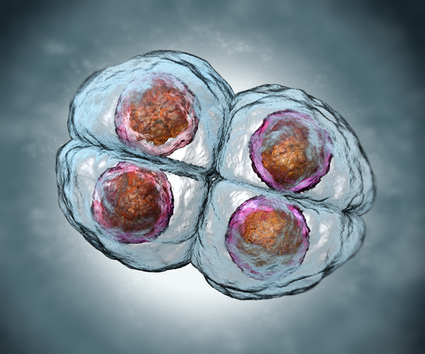
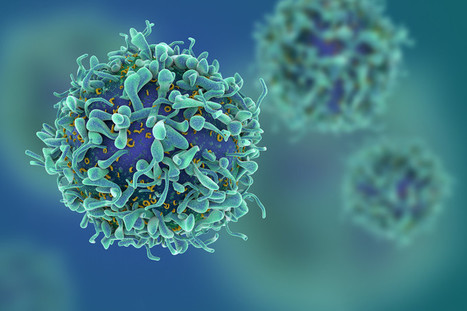


Researchers at the University of Tokyo have developed a groundbreaking CRISPR-based barcoding system to study small extracellular vesicles (sEVs), nanosized particles crucial in intercellular communication and disease progression. The system uses CRISPR gene-editing technology to introduce RNA barcodes into sEVs, allowing thousands of genes to be analyzed simultaneously in a single pooled experiment. CIBER (CRISPR-assisted individually barcoded extracellular vesicle-based release regulator) offers detailed insights into sEV subpopulations, enabling more efficient and comprehensive studies than conventional methods. This innovation opens new pathways for sEV-based diagnostics and therapeutic applications.