


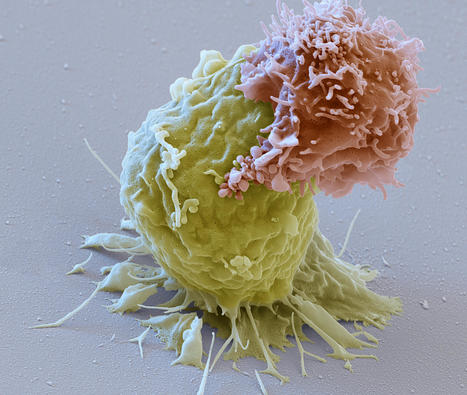

The tumor microenvironment (TME) is a complex and dynamic network consisting of tumor cells, immune cells, stromal cells, extracellular matrix (ECM), cytokines, and growth factors, all interacting to influence tumorigenesis, progression, and metastasis.


 Your new post is loading...

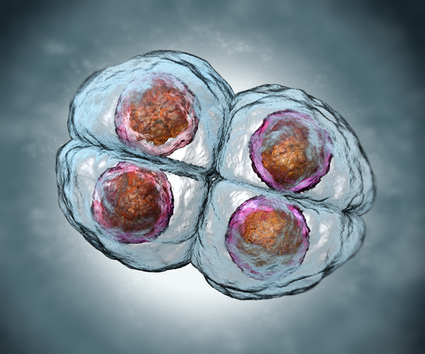
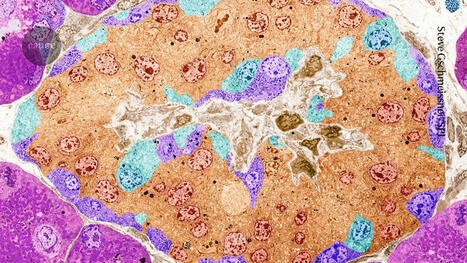
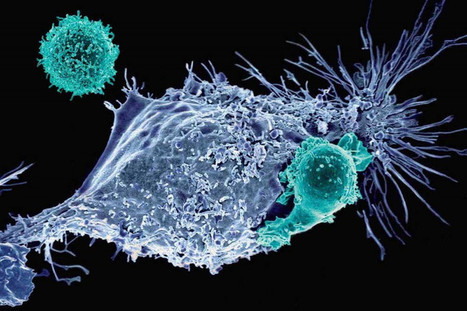




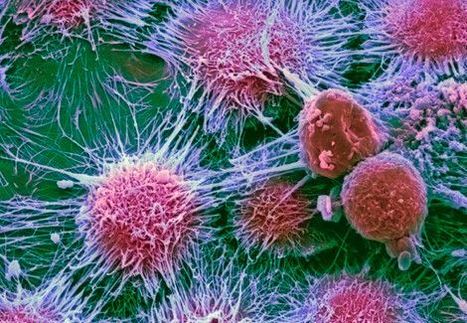
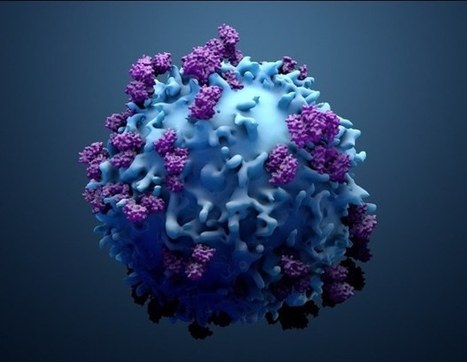








The tumor microenvironment (TME) is a complex and dynamic network composed of tumor cells, immune cells, stromal cells, extracellular matrix (ECM), cytokines and growth factors, all of which interact to influence tumorigenesis, progression and metastasis. Long non-coding RNAs (lncRNAs), a class of non-coding RNAs over 200 nucleotides in length, have recently attracted considerable interest for their role in regulating gene expression within the MCT. They contribute to crucial processes such as immune evasion, angiogenesis, metabolic reprogramming and cancer stem cell maintenance, and their influence extends to the transcriptional, post-transcriptional and epigenetic levels. Targeting lncRNAs represents a promising therapeutic strategy for disrupting tumor-stroma interactions and improving the efficacy of current treatments. As research continues to reveal the complex roles of lncRNAs in cancer biology, these molecules have the potential to revolutionize cancer diagnosis and treatment, offering new hope to patients with advanced, treatment-resistant cancers.