


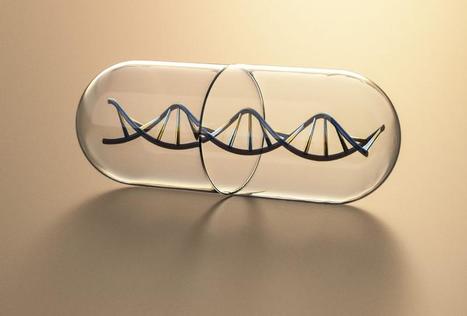

The FDA has granted orphan drug and rare pediatric disease designations to Arbor Biotechnologies' ABO-101, a gene-editing therapeutic candidate for primary hyperoxaluria type 1. The one-time treatment aims to reduce oxalate production in patients with this rare genetic kidney disease.


 Your new post is loading...


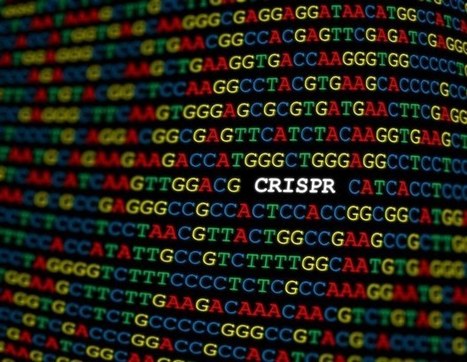


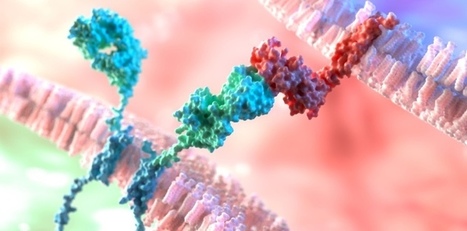






Primary hyperoxaluria (PH) is a group of rare, autosomal recessive metabolic diseases characterized by excessive oxalate production by the liver and subsequent accumulation of oxalate in the kidneys and other organs. Type I PH (PH1), the most common and severe subtype, is thought to affect 1 to 3 people per 1,000,000 in the general population. PH is incurable, and current therapeutic approaches focus on relieving symptoms and preventing the accumulation of oxalate in the kidneys and blood vessels. However, Arbor Biotechnologies has developed a treatment for PH1, called ABO-101, and announced in a recent press release that the FDA has granted both Orphan Drug Designation and Rare Pediatric Disease Designation to this treatment. ABO-101 is a novel investigational gene-editing therapy designed as a single liver-directed treatment that permanently deactivates the HAO1 gene to reduce PH1-associated oxalate production. The candidate uses a lipid nanoparticle delivery system (licensed from Acuitas Therapeutics) encapsulating messenger RNA expressing a CRISPR Cas12i2 type V nuclease and an optimized guide RNA targeting the HAO1 gene.