




Researchers at the University of Colorado Anschutz Medical Campus have successfully developed a supercharged iteration of CAR-T cell therapy that can enhance the effectiveness and longevity of the cells, particularly against cancer cells that are harder for prior CAR-T therapies to detect and fight.


 Your new post is loading...
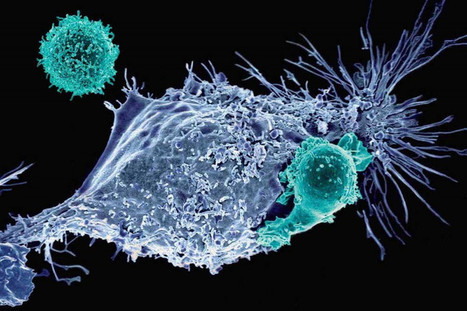

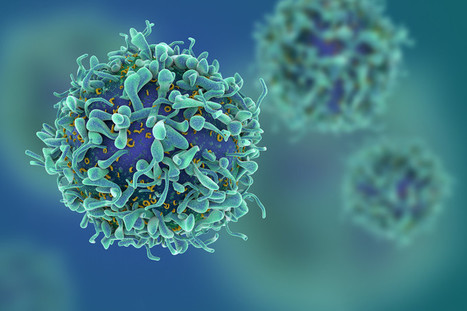
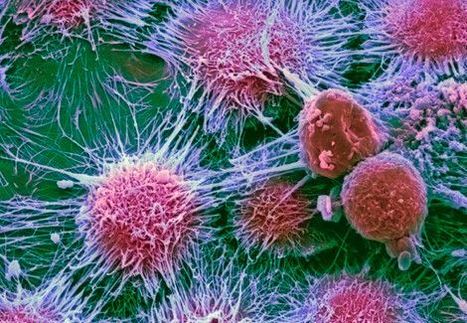
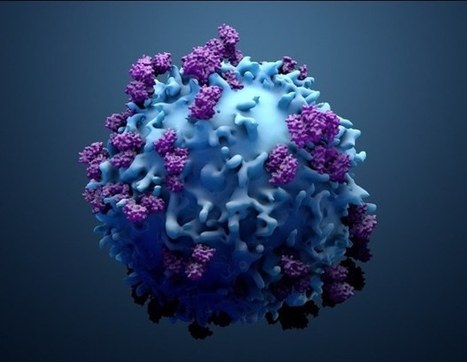

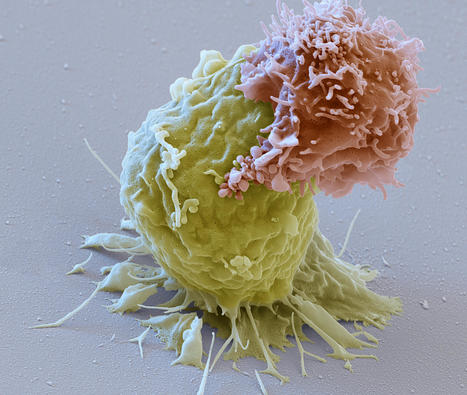

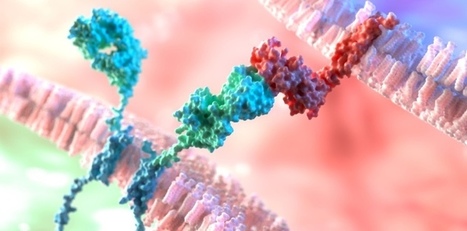






Chimeric Antigen Receptor T-cell (CAR-T) therapy has revolutionized cancer treatment by engineering a patient's T-cells to target and eliminate malignant cells. However, certain cancers still evade detection, leading to treatment resistance and relapse. American researchers have recently introduced an innovative approach known as ALA-CART (adjunctive LAT-activating CAR-T cells), designed to overcome these challenges. In preclinical studies, ALA-CART demonstrated enhanced efficacy against acute lymphocytic leukemias that were unresponsive to traditional CAR-T therapies. By optimizing T-cell activation and targeting capabilities, this next-generation therapy not only improved cancer cell eradication but also showed potential in reducing associated side effects. These findings suggest that ALA-CART could offer a more robust and durable treatment option for patients with resistant cancers, marking a significant advancement in the field of immunotherapy.