


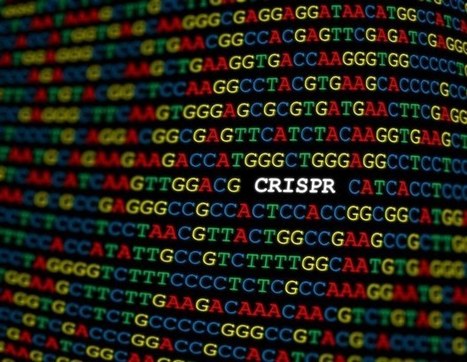

A study aiming to develop a low-cost, rapid detection technique for the widescale detection and screening of oral microorganisms suitable for point-of-care settings was presented at the 102nd General Session of the IADR, which was held in conjunction with the 53rd Annual Meeting of the American Association for Dental, Oral, and Craniofacial Research and the 48th Annual Meeting of the Canadian Association for Dental Research, on March 13-16, 2024, in New Orleans, LA, USA.


 Your new post is loading...




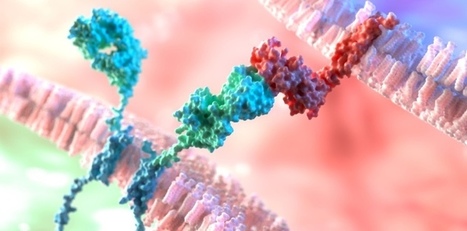






The study adapted the novel CRISPR-Cas Specific High-Sensitivity Enzymatic Reporter Unlocking (SHERLOCK) based diagnostic platform for species-specific detection of oral bacterial and human pathogens papillomavirus (HPV) nucleic acids. The investigators developed a computer pipeline capable of generating guide RNAs and species-specific genetic primers suitable for SHERLOCK. These constructs were synthesized by cell-free biosynthesis systems, and their specificity and sensitivity were experimentally validated by fluorescence readings of reporter RNAs. The study detected oral bacteria in the single-molecule range that remained specific in the presence of non-targeted DNA found in saliva. In addition, the assay was refined to detect common oral pathogens (e.g. P. gingivalis, F. nucleatum) directly from untreated saliva samples. Detection results, when tested on 30 patient saliva samples, are perfectly aligned with those of other detection methods such as qPCR and 16S rRNA sequencing. This oral pathogen detection method is highly scalable and can be easily optimized for point-of-care implementation. Detection takes around 35 minutes or less, is extremely inexpensive and requires no special skills or techniques.