


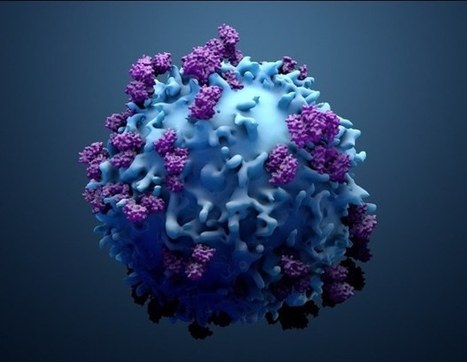

Scientists at the UCLA Health Jonsson Comprehensive Cancer Center have built and demonstrated the potential efficacy of a new chimeric antigen receptor (CAR) T-cell-based immunotherapy specifically designed to treat patients with cutaneous and rare subtypes of melanoma.


 Your new post is loading...
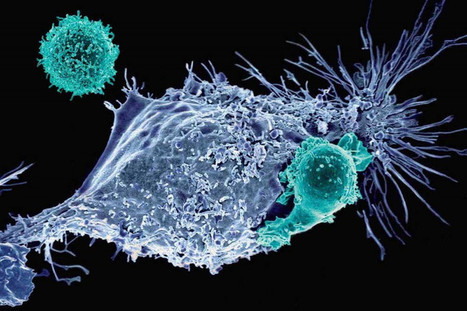



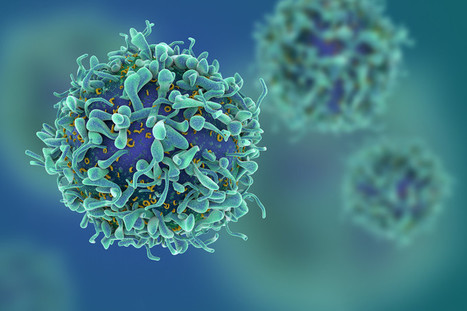
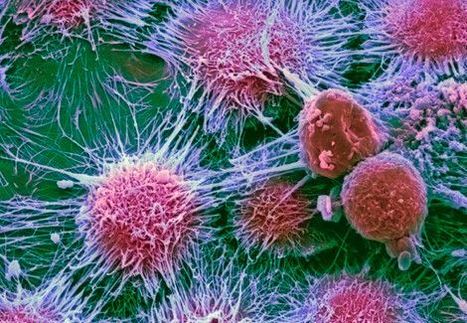


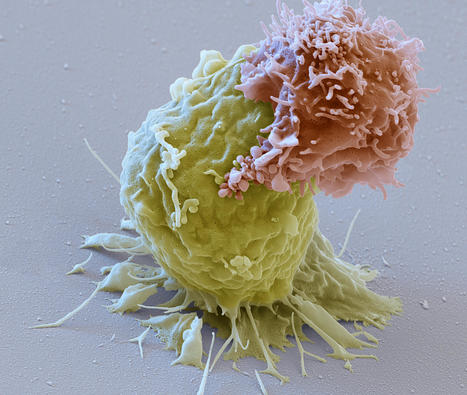

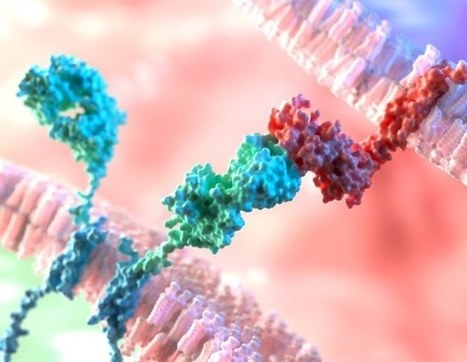






Despite the success of immune checkpoint blockade, a considerable number of melanoma patients do not respond well or suffer relapse after initial success. To find better ways of using CAR T cells to treat melanoma, researchers first looked for an antigen that could be used to target a protein expressed on the surface of cancer cells, but showing lower expression in normal cells. By analyzing three different melanoma datasets, they identified TYRP1, which plays a key role in melanin synthesis, and its surface expression is higher in melanoma cells than in normal tissue. The researchers showed that 60% of acral and mucosal melanoma patients and around 90% of uveal melanoma patients overexpress TYRP1. To investigate the potential new target, the team designed a CAR construct that specifically targeted cells with high TYRP1 expression, and then tested the newly designed CAR T cell in different types of melanoma models. According to their study, CAR T cells completely eradicated cancer cells in cell lines and animal models, showing promising results without inducing toxicity or causing treatment-related adverse effects. The research team plans to launch a clinical trial to evaluate the efficacy of CAR T cells.