




The development of any type of second cancer following CAR T cell therapy is a rare occurrence, as found in an analysis of more than 400 patients treated at Penn Medicine, researchers from the Perelman School of Medicine at the University of Pennsylvania reported today in Nature Medicine.


 Your new post is loading...





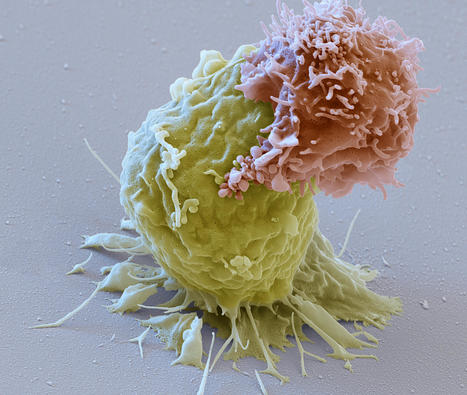







Researchers at the University of Pennsylvania's Perelman School of Medicine have conducted a study, published in Nature Medicine, which shows that the development of any type of second cancer after CAR T cell therapy is a rare phenomenon. Of 449 patients treated with commercially available CAR T cell therapies at Penn Medicine between January 2018 and November 2023, only 16 were diagnosed with a second cancer after receiving CAR T cell therapy. Most of the secondary cancers (12 of 16) were solid tumors, including skin cancer, prostate cancer and lung cancer. In one patient who developed a secondary lung tumor after CAR T cell therapy, an incidental T-cell lymphoma was also identified in a lymph node removed during surgery for the lung tumor. Molecular analyses showed that the T-cell lymphoma did not harbor the CAR transgene, meaning that it was not a CAR-positive lymphoma and that there was no clear link with CAR T cell therapy.