


CAR T cell therapy, a powerful type of immunotherapy, has begun to revolutionize cancer treatment. Pioneered at Memorial Sloan Kettering Cancer Center (MSK), the therapy involves engineering a patient's T cells so they recognize and attack cancer cells.


 Your new post is loading...
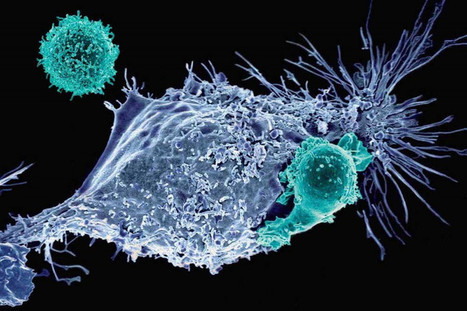


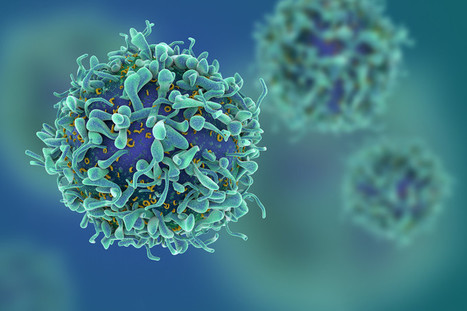
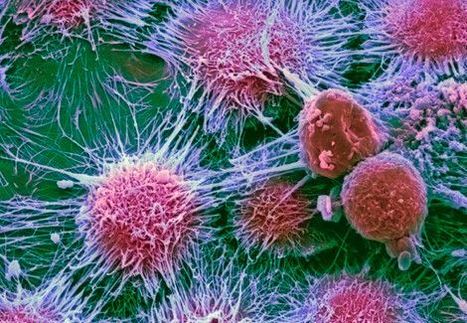
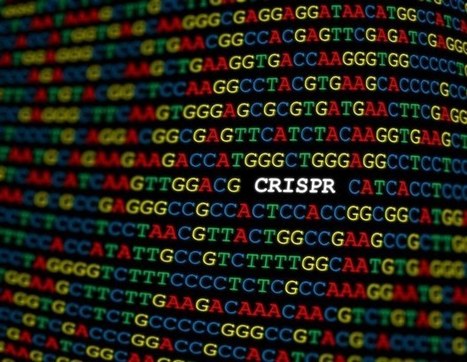








The tendency of CAR T cells to lose their function over time, a phenomenon known as T-cell exhaustion, has been a major obstacle to treatment. Even when CAR T cells are effective in the short term, cancer often returns. This problem partly explains why CAR T cell therapy has not worked as well against solid tumors as it has against blood cancers. However, the researchers noted that disruption of the SUV39H1 gene has a knock-on effect: it restores the expression of several genes that help maintain T cell longevity. The researchers used the CRISPR/Cas9 gene-editing tool to modify SUV39H1 in human CAR T cells. They placed these modified CAR T cells in mice that had been implanted with either human leukemia cells or prostate cancer cells. For both cancers, the CAR T cells were able to maintain their function without depleting, leading to tumor elimination. In contrast, mice with unedited CAR T cells did not survive the cancer. There did not appear to be any serious side effects in the mice, although researchers will need to confirm the safety of this approach in humans. This new approach also requires fewer CAR T cells, and could therefore broaden the pool of patients likely to be eligible for this treatment