


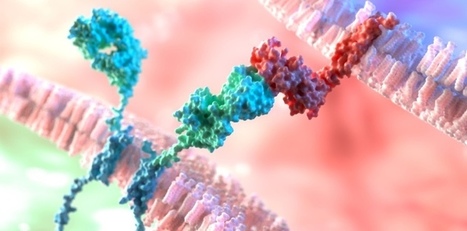

Looking to replicate the impressive findings with CAR T-cell therapies observed in patients with hematologic malignancies, investigators have initiated the BASECAMP-1 trial with the hope of identifying patients with advanced solid tumors who will be suitable candidates for treatment in the EVEREST trial.


 Your new post is loading...
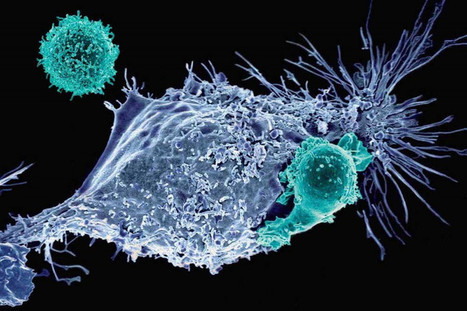





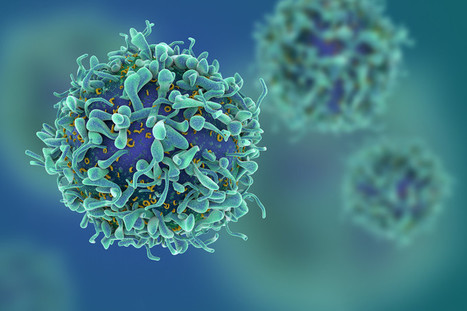
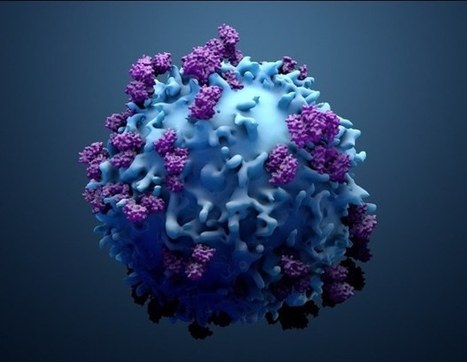

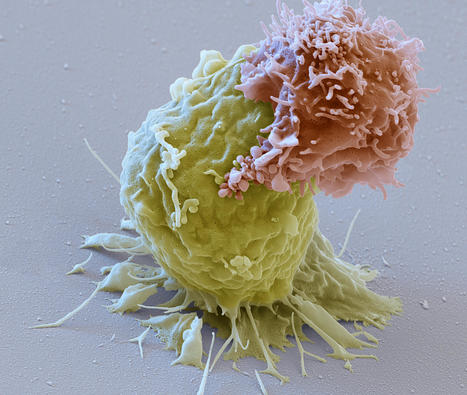

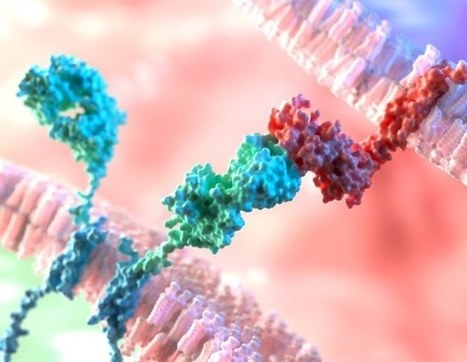






Currently, no CAR T agents have been approved by the FDA for the treatment of solid malignancies. Several other Phase 1 clinical trials are underway to evaluate the safety and efficacy of CAR T agents, as monotherapy or in combination, in solid malignancies such as glioblastoma, as well as in other cancers. Seeking to replicate the impressive results of CAR-T cell therapies seen in patients with hematological malignancies, researchers launched the BASECAMP-1 trial (NCT04981119) in the hope of identifying patients with advanced solid tumors who would be suitable candidates for treatment in the phase 1/2 EVEREST trial (NCT05736731) evaluating the A2B530 agent. This agent was designed using the novel Tmod logical T cell therapy platform. Tmod agents contain an activating receptor, either a CAR or a T cell receptor, which recognizes an antigen on the surface of tumor cells, specifically CEA in the case of A2B530, and an inhibitory receptor, or blocker, based on the LIR-1 protein, designed to enhance the tumor specificity of the agent. The blocking part of A2B530 exploits the loss of heterozygosity of the HLA-A*02 antigen, one of the most common alleles observed in tumor cells from a US population, to prevent the CAR from affecting healthy tissues.