Autoimmune Neurology Group DCN NDCN Contacts Test results: neuro.immunology@nhs.net, paddy.waters@ndcn.ox.ac.uk Clinical enquiries: sarosh.irani@ndcn.ox.ac.uk, maria.leite@ndcn.ox.ac.uk The immune system is our body's means of defence against harmful foreign substances such as bacteria and viruses. One of its roles is to produce antibodies, which are designed to selectively destroy disease-causing agents. Occasionally, however, antibodies attack the body itself, leading to an 'autoimmune' condition. Examples include rheumatoid arthritis, or thyroid disease, but can involve almost any organ. If the nervous system is affected, a variety of autoimmune neurological conditions can result. Such conditions can affect any part of the nervous system, and the part targeted by the autoantibody will reflect the symptoms. For example, the brain is affected in a condition called encephalitis, and the spinal cord can be affected in myelitis. Increasingly, the distinctive nature of the patient's symptoms can help identify the underlying condition. In many cases the autoantibodies can be depleted with treatment such as steroids and washing the blood with plasma exchange. But many patients don't respond well to the initial drugs, and require further medication to suppress the immune system. Patients are also often left with problems, typically involving memory, thinking or behaviour. There is a pressing need to develop new medications based on a better understanding of the conditions. OUR TEAM PARTICIPATE IN OUR RESEARCH Donations: You can contribute to our research here. Patient recruitment: Find out about the research projects for which we are recruiting participants here. SELECTED PUBLICATIONS N-methyl-D-aspartate receptor antibody production from germinal center reactions: Therapeutic implications. Journal article Makuch M. et al, (2018), Ann Neurol, 83, 553 - 561 Condition-dependent generation of aquaporin-4 antibodies from circulating B cells in neuromyelitis optica. Journal article Wilson R. et al, (2018), Brain, 141, 1063 - 1074 Intracellular and non-neuronal targets of voltage-gated potassium channel complex antibodies. Journal article Lang B. et al, (2017), J Neurol Neurosurg Psychiatry, 88, 353 - 361 Neurexin-3α: A new antibody target in autoimmune encephalitis. Journal article Waters PJ. and Irani SR., (2016), Neurology, 86, 2222 - 2223 Brain lesion distribution criteria distinguish MS from AQP4-antibody NMOSD and MOG-antibody disease. Journal article Juryńczyk M. et al, (2017), J Neurol Neurosurg Psychiatry, 88, 132 - 136 Antibodies to Kv1 potassium channel-complex proteins leucine-rich, glioma inactivated 1 protein and contactin-associated protein-2 in limbic encephalitis, Morvan's syndrome and acquired neuromyotonia. Journal article Irani SR. et al, (2010), Brain, 133, 2734 - 2748 OUR WORK We are trying to characterise the cells which produce the antibodies in patients with these diseases. This would allow us to begin to understand which medications can destroy these cells and help reduce antibody levels. We are also working to better understand the residual symptoms in patients which may respond to novel medications. Find out more about our diagnostics and research work. OUR TEAM Team members Alumni Visitors PARTNERSHIP AND FUNDING Wellcome Trust British Medical Association Epilepsy Research UK Association of British Neurologists Guarantors of Brain European Academy of Neurology UCB-Oxford Alliance Encephalitis Society Guthy-Jackson Foundation Donations NEWS AND EVENTS Patient and Public Engagement Vacancies
Autoimmunity is indeed one of the biggest challenge of Immunology!
Understanding the mechanisms of this physiological immune phenomenon inducing such a diverse array of diseases, joint and muscular, digestive, endocrinological, neurological, cutaneous..
Fatty liver disease is not just a liver problem. It is a whole-body metabolic disease.
A major review by Prof. Norbert Stefan, Hannele Yki-Järvinen and Brent A. Neuschwander-Tetri shows that metabolic dysfunction-associated steatotic liver disease affects nearly 4 in 10 adults worldwide and most people with it do not die from liver failure, but from heart disease and cancer…
Important:
• Fatty liver comes in different types, driven by metabolism, fat distribution, or genetics • The liver actively worsens blood sugar, cholesterol, and clotting risk • Weight loss helps many…but not everyone responds the same way • Some treatments improve liver health even without weight loss
The key message is simple:
One-size-fits-all medicine does not work for fatty liver disease!!!
Prevention, early detection and treatment need to focus on metabolic health across the whole body, not just liver enzymes…
If we treat fatty liver early, we also reduce diabetes, heart attacks and strokes later 🤞🏼
What should come first in routine care: liver screening, metabolic screening or both?
If useful, save, share or add your perspective below.
🧬 Autoimmunity in the CAR era: from chronic suppression to immune reset Autoimmune diseases affect close to 10% of the global population, and many patients still rely on life-long, non-selective immunosuppression with incomplete control and high toxicity. ⚠️🌍 A new Blood Reviews article on “CARing about autoimmune disorders” reframes CAR-based cell therapies as tools to actively reset immune tolerance, not just turn immunity “down” forever. 🔁🧠 🎯 Layer 1B-cell directed CAR-T as the backbone CD19 CAR-T has become the leading strategy, inducing deep B-cell depletion and clinical remissions across SLE, IIM, MS, MG and SSc.🦋💪 BCMA CAR-T targets long-lived plasma cells and persistent autoantibodies in SLE, Sjögren’s syndrome and MG.🧫 Next-wave targets (CD20, CD22, CD70, BAFFR) aim for more selective depletion of pathogenic B- and plasma-cell subsets, with dual CD19/BCMA or CD20/BCMA CARs now in trials across multiple autoimmune indications.🌐📊 🧪 Layer 2 Precision tolerance: CAAR-T and CAR-Tregs CAAR-T cells use the autoantigen as “bait” to delete only autoantigen-specific B cells (MuSK-CAART, pemphigus and others). 🎯 CAR-Tregs are engineered regulatory T cells that restore organ-specific tolerance without global B-cell ablation, with promising data in preclinical models of MS, T1D and vitiligo. 🧠🩺 Together, these platforms turn CARs into precision tolerance inducers rather than purely cytotoxic weapons. 🤖 Layer 3 – Expanding the cellular toolbox The review maps an ecosystem of CAR platforms for autoimmunity: CAR-NK cells for off-the-shelf cytotoxicity, CAR-macrophages that rewire inflamed tissues, in vivo CAR-T that programs T cells directly in the patient, and allogeneic CRISPR-edited CAR-T products (such as BMS-986515) designed to avoid GVHD and rejection while achieving rapid, durable B-cell depletion. 🧬🧱 🌎 Trials & equity Around 100 CAR-T/autoimmunity trials are registered worldwide. China and the US lead the field, while many regions remain under-represented, underscoring the need for global manufacturing and regulatory networks so immune reset is not restricted to a few countries. 🌍🤝 🚀 Take-home CAR technology is emerging as a platform to recalibrate immune balance in autoimmunity and change the natural history of severe, refractory disease: CD19 / BCMA / CD20 / CD22 / CD70 / BAFFR-directed CAR-T CAAR-T for autoantigen-specific B cells CAR-Tregs for organ-specific tolerance CAR-NK and CAR-macrophages for innate re-programming In vivo and allogeneic CAR-T for scalable, off-the-shelf access From chronic immunosuppression to one-time or few-time immune reset with durable remission that is the horizon now opening for autoimmune patients. 🧬🔥 Doi: 10.1016/j.blre.2025.101354 #AutoimmuneDisease #CART #CAART #CARTreg #CARNK #CARMacrophages #CD19CAR #CD20CAR #CD22CAR #CD70CAR #InVivoCART #AllogeneicCART #ImmuneTolerance #SLE #MS #MyastheniaGravis #SystemicSclerosis #T1D #TranslationalImmunology #CellTherapy
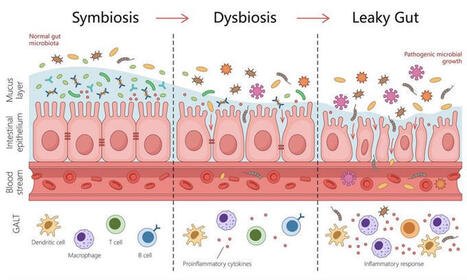
🔍 Maladies auto-immunes : et si tout commençait dans vos intestins ? 🔍
Diabète de type 1, sclérose en plaques, polyarthrite rhumatoïde…
Et si ces maladies n’étaient pas uniquement liées à vos gènes ou à votre environnement, mais aussi à la façon dont votre intestin filtre (ou non) ce que vous mangez, respirez ou ressentez ?
Un concept révolutionnaire, longtemps négligé, bouscule aujourd’hui notre compréhension de l’auto-immunité : l’hyperperméabilité intestinale, aussi connue sous le nom de leaky gut.
🧱 L’intestin, votre première ligne de défense
Votre intestin n’est pas qu’un organe digestif.
C’est une frontière immunitaire stratégique : 70 % de vos cellules immunitaires y résident. Il décide de ce qui entre dans votre corps... ou pas.
Mais face à une vie moderne marquée par : . une alimentation ultra-transformée, . le stress chronique, . les toxines environnementales, . ou encore les infections persistantes…
Cette barrière se fragilise. Des molécules indésirables pénètrent, semant la confusion dans votre système immunitaire, qui peut alors… se retourner contre vous.
C’est ce dérèglement qui précède souvent l’apparition de nombreuses maladies auto-immunes, comme l’ont révélé plusieurs études scientifiques.
🧬 Zonuline : le messager qui ouvre (trop) les portes
Découverte par le Dr Fasano, la zonuline est une protéine qui module l’ouverture des jonctions serrées de votre intestin.
Quand elle est surproduite, ces jonctions s’ouvrent… trop. Résultat : des fragments alimentaires mal digérés, des toxines et même des bactéries peuvent s’infiltrer.
Ce n’est pas une conséquence de la maladie auto-immune. C’est souvent un élément déclencheur.
🌱 Peut-on réparer l’intestin… et freiner l’auto-immunité ?
Contrairement à ce qu’on pense souvent, une maladie auto-immune n’est pas toujours irréversible. Si la perméabilité intestinale en est un déclencheur, restaurer la barrière intestinale peut être une piste thérapeutique puissante.
🎯 Voici les 4 piliers pour agir dès maintenant :
1️⃣ Manger anti-inflammatoire : aliments bruts, riches en polyphénols, oméga 3, fibres, épices (curcuma, gingembre…). 2️⃣ Éliminer les agresseurs : gluten, produits ultra-transformés, sucres raffinés, additifs… 3️⃣ Apaiser le stress : cohérence cardiaque, méditation, sommeil réparateur… 4️⃣ Soutenir la muqueuse : L-glutamine, zinc, quercétine, collagène, probiotiques et prébiotiques sont vos alliés.
💡 Une approche fonctionnelle pour agir à la racine
En santé fonctionnelle, on ne masque pas les symptômes, on cherche les causes. Et souvent, elles résident dans l’interconnexion de vos systèmes internes.
💬 Et vous, avez-vous déjà exploré la piste intestinale pour comprendre vos symptômes auto-immuns ?
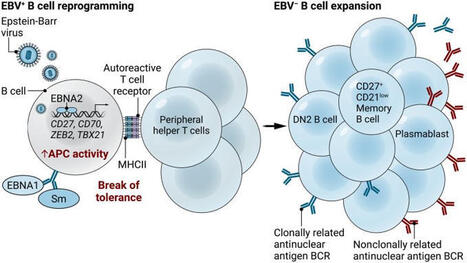
Epstein-Barr virus–mediated B cell reprogramming may initiate systemic lupus erythematosus
- Epstein-Barr virus (EBV) has been making waves as a candidate driver of diseases like multiple sclerosis and Long Covid. It has also long been linked to systemic lupus erythematosus (SLE), although the “why” behind this link has not been defined.
- Here, the authors provide evidence for a link between EBV infection and disease development using an original EBV sequencing (EBV-seq) approach, which combines EBV transcript detection with single-cell transcriptomics.
- The authors evaluated peripheral blood samples from 11 patients with SLE, finding a mean EBV+ B cell frequency of approximately 25 per 10,000 sequenced B cells. In contrast, EBV+ B cell frequencies ranged from 0 to 3 per 10,000 B cells in 10 healthy controls.
- By combining EBV-seq data with single-cell transcriptomics, the authors demonstrated that these latently infected EBV+ B cells were predominantly CD27+CD21low memory B cells exhibiting up-regulation of genes related to antigen processing and presentation, such as IFI30, TAP2, and PSMB6, a population not observed in EBV+ B cells from healthy controls.
- These EBV-infected B cells with antigen-presenting abilities had the capacity to activate autoreactive helper T cells, setting off a chain reaction where those T cells could activate other autoreactive B cells, including uninfected ones.
- These findings support a model in which extremely rare, but overpotent EBV+ “driver” B cells activate helper T cells, which then expand autoreactive EBV− B cells capable of generating the characteristic autoantibodies associated with SLE.
Decompensated cirrhosis describes an advanced clinical stage with clinical complications, such as ascites, variceal bleeding or hepatic encephalopathy, associated with considerable mortality. Portal hypertension is the main risk factor for developing decompensation in patients with compensated cirrhosis, whereas systemic inflammation is the key driving force for organ failure, that is, for acute-on-chronic liver failure in later stages of cirrhosis. As portal hypertension and systemic inflammation coexist in patients with cirrhosis, an improved understanding of their interaction and dynamic role in distinct stages of cirrhosis is an important step forward towards the development of urgently needed therapeutic interventions. Based on emerging evidence from clinical and translational studies, a novel concept of different predominant pathomechanisms of decompensated cirrhosis is presented, which includes portal hypertension-predominant, systemic inflammmation-predominant and mixed portal hypertension–systemic inflammation phenotypes. A comprehensive set of biomarkers and surrogates of portal hypertension and systemic inflammation might assist clinicians in identifying a predominance of one over the other cirrhosis phenotype. As survival rates of patients with decompensated cirrhosis have remained detrimental without liver transplantation over the past decades, future studies should build on this knowledge to develop effective portal hypertension and systemic inflammation-directed therapies for this underserved population. Portal hypertension and systemic inflammation are key factors driving decompensation and organ failure in cirrhosis. This Review examines those two factors and, based on their mechanistic interaction, proposes a new concept of the clinical phenotypes in decompensated cirrhosis.
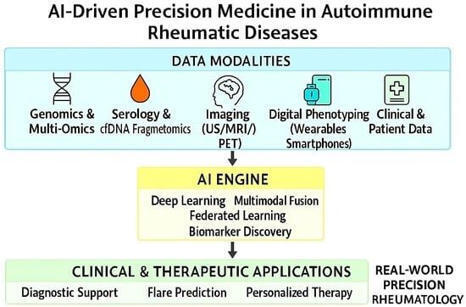
Novartis immunology advancements autoimmune diseases Sjögren’s disease ianalumab rapcabtagene autoleucel systemic lupus erythematosus Cosentyx ACR congress 2025. Discover late-breaking Phase III data from ianalumab trials in Sjögren’s disease, biomarker insights for CAR-T therapy in lupus, and real-world evidence on Cosentyx for psoriatic arthritis. This video explores Novartis's commitment to innovative medicines for complex autoimmune conditions, highlighting potential first-in-class therapies and an investor update on their immunology pipeline. Learn how these developments aim to transform care for millions suffering from rheumatic diseases.
Rinella ME, et al. Reply: A multi-society Delphi consensus statement on new fatty liver disease nomenclature. Hepatology. 2023;79(3):E93–E94.View this article via: PubMed CrossRef Google Scholar Alqahtani SA, et al. Poor awareness of liver disease among adults with NAFLD in the United States.
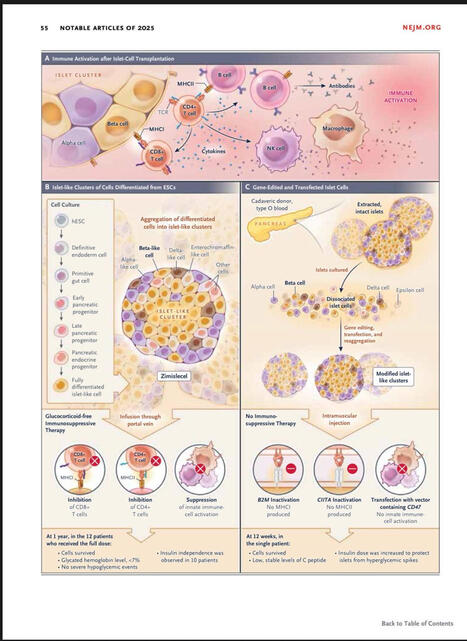
The NEJM has just released the usual end-of-the-year list of most influential papers of 2025.
I found particularly amazing the paper and the editorial concerning allogeneic transplantation of CRISPR genetically-modified Beta cells for type 1 diabetes. A groundbreaking clinical observation that could revolutionise completely this deadly disease. More to come in 2026!
- Chronic kidney disease affects 1 in 10 people worldwide, with damage to specialized blood filter cells of the kidney, called podocytes, playing a critical role.
- In membranous nephropathy (MN), a major cause of nephrotic syndrome, circulating autoantibodies attack proteins on podocyte foot processes (FPs), damaging the kidney’s filtration barrier.
- This study shows that these autoantibodies trigger the formation of antigen-autoantibody aggregates on the podocyte FP plasma membrane.
- These aggregates bud off as stalked vesicles, termed autoimmunoglobulin-triggered extracellular vesicles (AIT-EVs), which are released into the urine.
- AIT-EVs carry disease-causing autoantibodies, their target antigens, essential FP proteins, and disease-associated stressors representing a mechanism for removing immune complexes (ICs) and waste. However, their excessive release leads to podocyte dysfunction and injury.
- The discovery of AIT-EVs bridges the gap between circulating autoantibodies and podocyte responses and can be harnessed in MN patients.
- Clinically, analysis of urinary AIT-EVs represents a novel non-invasive diagnostic tool to sensitively detect and monitor renal autoimmune activity in patients.
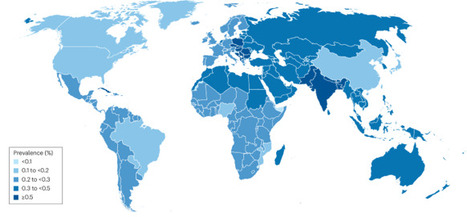
Vitiligo is an acquired autoimmune depigmenting disorder that affects approximately 0.36% of the global population and presents in three forms based on lesion distribution: non-segmental, segmental and mixed vitiligo. Beyond its visible impact on the skin, vitiligo deeply affects mental well-being and quality of life. The pathogenesis of non-segmental vitiligo is influenced by genetic polymorphisms that are linked to immune response and melanogenesis pathways, whereas environmental factors contribute to disease onset. Diagnosis is generally clinical, with laboratory tests or biopsies rarely required. Melanocyte loss involves mechanisms, such as cellular stress, innate immune activation and adaptive immune responses, that specifically target melanocytes, with a central role for tissue-resident memory T cells. This cascade ultimately leads to the depletion of epidermal melanocytes and impairs melanocyte stem cell regeneration. Clinical management emphasizes shared decision-making with three primary objectives: halting depigmentation, initiating repigmentation and sustaining pigment restoration. Signs of active disease help clinicians to identify patients in need of intervention. Treatments approved in the past 2 years offer potential for reversing disease progression, and emerging therapies targeting key pathways to modulate immune activation and stimulate melanocyte regeneration and differentiation are being tested in clinical trials. Vitiligo is a chronic, autoimmune, depigmenting disorder that has both physiological and psychological effects on affected individuals. In this Primer, Seneschal and colleagues provide an overview of the epidemiology, pathogenesis, diagnosis and management of the condition as well as of its effect on quality of life, and highlight current and emerging treatments.
Read the Review now➡️ Anti-ADAMTS13 Autoantibodies in Immune-Mediated Thrombotic Thrombocytopenic Purpura By Michael R. Snyder and Robert W. Maitta Cited 3 times | Viewed 3406 times Th
Encouraging to see the rapidly evolving translational landscape of CAR-T cell therapy in autoimmune diseases highlighted in Nature. The field is progressing from first-in-human studies in lupus toward phase I/II trials in rheumatoid arthritis, systemic sclerosis, and myositis - including our ongoing efforts at Charité. These developments point toward a potential shift from continuous immunosuppression to time-limited immune reset with the prospect of sustained, treatment-free remission.
Nature: “They don’t have symptoms”: CAR-T therapies send autoimmune diseases into remission https://lnkd.in/dc2QEThC #AutoimmuneDiseases #Rheumatology #TranslationalMedicine #Immunotherapy
The 2023 ACR/EULAR Antiphospholipid Syndrome Classification Criteria (main paper, which includes the final criteria and phase IV validation report [2023]) - https://lnkd.in/eXnYY72D
Efforts to Better Characterize "Antiphospholipid Antibody Nephropathy" for the 2023 ACR/EULAR Antiphospholipid Syndrome Classification Criteria: Renal Pathology Subcommittee Report (2024) - https://lnkd.in/epbMZXvS
Researchers at Academia Sinica have developed the first population-specific polygenic risk score (PRS) models for people of Han Chinese ancestry, achieving unprecedented accuracy in predicting risks for common diseases such as diabetes, heart disease, autoimmune disorders.
Buy 13-Day Protocol Here, 1st Day is FREE on this page: https://www.healyourgutguy.com/13-day-protocol . . Autoimmune disease is a Scam. Everything you know about it is a LIE slowing stealing your life.
Each November, we observe National Diabetes Month and engage in discussions surrounding prevention, management and the impact of this increasingly common autoimmune disease.
Objective Primary Sjögren’s syndrome (pSS) is a systemic autoimmune exocrinopathy affecting salivary and lacrimal glands. This study presents an exploratory single-cell transcriptomic analysis of labial salivary glands to generate hypotheses about B-cell–associated gene modules in pSS, and to...
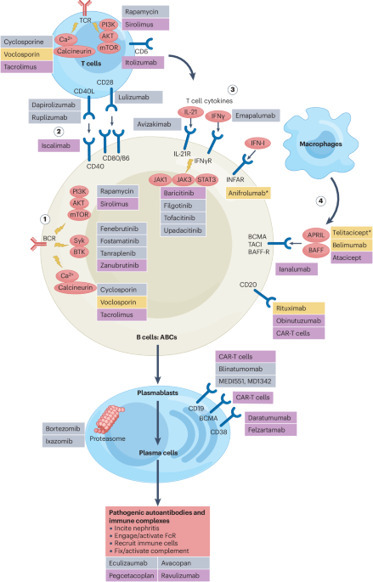
Lupus nephritis (LN) is a type of glomerulonephritis and one of the most serious complications of systemic lupus erythematosus (SLE). LN affects 25–60% of patients with SLE, with incidence and prevalence varying by age, sex, ethnicity and socioeconomic factors. LN predominantly develops within 5 years of an SLE diagnosis and, for many patients, it is the initial manifestation that leads to the recognition of SLE. In some patients, LN may develop late in the disease course, highlighting the importance of persistent awareness of its symptoms and signs. Despite an increasing understanding of disease biology and more effective treatment options, LN remains a substantial cause of morbidity and mortality as it can lead to irreversible kidney failure and associated complications. Risk factors for progression to kidney failure include persistent proteinuria, low glomerular filtration rate, hypertension at diagnosis and frequent disease flares. LN pathogenesis involves complex immune dysregulation, with key pathways including type I interferon signalling, calcineurin activation, and B and T cell dysfunction. Several immunomodulatory drugs are used for the management of LN, and treatment paradigms are increasingly shifting towards multi-agent regimens. Along with appropriate pharmacotherapy, multidisciplinary care tailored to the patient’s individual needs, involving rheumatologists, nephrologists, social workers and other health professionals, is crucial for holistically addressing both the immune and non-immune risk factors for progressive kidney function loss and for maximizing kidney lifespan in LN. Lupus nephritis is an autoimmune-mediated glomerulonephritis and a serious complication of systemic lupus erythematosus. In this Primer, Parodis and colleagues describe the epidemiology and pathophysiology of this disease, discuss current diagnosis and management, and highlight the effects on patient quality of life as well as future areas of research.
To get content containing either thought or leadership enter:
To get content containing both thought and leadership enter:
To get content containing the expression thought leadership enter:
You can enter several keywords and you can refine them whenever you want. Our suggestion engine uses more signals but entering a few keywords here will rapidly give you great content to curate.




 Your new post is loading...