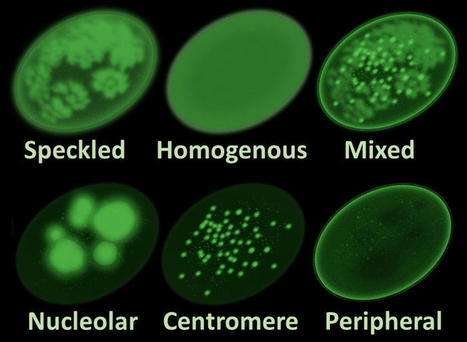
Sjögren’s Syndrome (SjS) has historically been associated with classical anti-Ro60/SSA, Ro52/SSA and La/SSB, however they are lacking in one third of the patients, which induces delays in diagnosis, and their disease-contributing role is debated. Here we have applied a SjS-tailored Systems Serology approach to a cohort of 58 SjS and 16 non-SjS sicca syndrome patients, and 40 healthy individuals, involving a multiplex assay measuring antibody isotype, subclass, Fc Receptor and complement engagement to 14 SjS-related autoantigens, an antibody-glycosylation profiling assay and a phagocytosis cell-based assay. Via a machine learning approach, we have identified unique autoantibody signatures, including classical and non-classical autoantigens-related features especially involving autoantigen-specific Fc Receptor binding, with apparent functional consequences. These findings provide interesting insights into the autoantibody responses in SjS, possibly paving the way for improved diagnostics, especially in difficult-to-diagnose patients (e.g., seronegative SjS and non-SjS sicca syndrome patients), and novel therapeutic options targeting autoantibody-specific Fc/Fc Receptor-related effector functions.
🧬 Autoimmunity in the CAR era: from chronic suppression to immune reset Autoimmune diseases affect close to 10% of the global population, and many patients still rely on life-long, non-selective immunosuppression with incomplete control and high toxicity. ⚠️🌍 A new Blood Reviews article on “CARing about autoimmune disorders” reframes CAR-based cell therapies as tools to actively reset immune tolerance, not just turn immunity “down” forever. 🔁🧠 🎯 Layer 1B-cell directed CAR-T as the backbone CD19 CAR-T has become the leading strategy, inducing deep B-cell depletion and clinical remissions across SLE, IIM, MS, MG and SSc.🦋💪 BCMA CAR-T targets long-lived plasma cells and persistent autoantibodies in SLE, Sjögren’s syndrome and MG.🧫 Next-wave targets (CD20, CD22, CD70, BAFFR) aim for more selective depletion of pathogenic B- and plasma-cell subsets, with dual CD19/BCMA or CD20/BCMA CARs now in trials across multiple autoimmune indications.🌐📊 🧪 Layer 2 Precision tolerance: CAAR-T and CAR-Tregs CAAR-T cells use the autoantigen as “bait” to delete only autoantigen-specific B cells (MuSK-CAART, pemphigus and others). 🎯 CAR-Tregs are engineered regulatory T cells that restore organ-specific tolerance without global B-cell ablation, with promising data in preclinical models of MS, T1D and vitiligo. 🧠🩺 Together, these platforms turn CARs into precision tolerance inducers rather than purely cytotoxic weapons. 🤖 Layer 3 – Expanding the cellular toolbox The review maps an ecosystem of CAR platforms for autoimmunity: CAR-NK cells for off-the-shelf cytotoxicity, CAR-macrophages that rewire inflamed tissues, in vivo CAR-T that programs T cells directly in the patient, and allogeneic CRISPR-edited CAR-T products (such as BMS-986515) designed to avoid GVHD and rejection while achieving rapid, durable B-cell depletion. 🧬🧱 🌎 Trials & equity Around 100 CAR-T/autoimmunity trials are registered worldwide. China and the US lead the field, while many regions remain under-represented, underscoring the need for global manufacturing and regulatory networks so immune reset is not restricted to a few countries. 🌍🤝 🚀 Take-home CAR technology is emerging as a platform to recalibrate immune balance in autoimmunity and change the natural history of severe, refractory disease: CD19 / BCMA / CD20 / CD22 / CD70 / BAFFR-directed CAR-T CAAR-T for autoantigen-specific B cells CAR-Tregs for organ-specific tolerance CAR-NK and CAR-macrophages for innate re-programming In vivo and allogeneic CAR-T for scalable, off-the-shelf access From chronic immunosuppression to one-time or few-time immune reset with durable remission that is the horizon now opening for autoimmune patients. 🧬🔥 Doi: 10.1016/j.blre.2025.101354 #AutoimmuneDisease #CART #CAART #CARTreg #CARNK #CARMacrophages #CD19CAR #CD20CAR #CD22CAR #CD70CAR #InVivoCART #AllogeneicCART #ImmuneTolerance #SLE #MS #MyastheniaGravis #SystemicSclerosis #T1D #TranslationalImmunology #CellTherapy
Novartis immunology advancements autoimmune diseases Sjögren’s disease ianalumab rapcabtagene autoleucel systemic lupus erythematosus Cosentyx ACR congress 2025. Discover late-breaking Phase III data from ianalumab trials in Sjögren’s disease, biomarker insights for CAR-T therapy in lupus, and real-world evidence on Cosentyx for psoriatic arthritis. This video explores Novartis's commitment to innovative medicines for complex autoimmune conditions, highlighting potential first-in-class therapies and an investor update on their immunology pipeline. Learn how these developments aim to transform care for millions suffering from rheumatic diseases.
Systemic lupus erythematosus (SLE) and primary Sjögren’s syndrome (pSS) are two autoimmune diseases characterised by the production of pathogenic autoreactive antibodies. Their aetiology is poorly understood. Nevertheless, they have been shown to involve several factors, such as infections and epigenetic mechanisms. They also likely involve a physiological process known as glycosylation. Both SLE T cell markers and pSS-associated autoantibodies exhibit abnormal glycosylation. Such dysregulation suggests that defective glycosylation may also occur in B cells, thereby modifying their behaviour and reactivity. This study aimed to investigate B cell subset glycosylation in SLE, pSS and healthy donors and to extend the glycan profile to serum proteins and immunoglobulins. We used optimised lectin-based tests to demonstrate specific glycosylation profiles on B cell subsets that were specifically altered in both diseases. Compared to the healthy donor B cells, the SLE B cells exhibited hypofucosylation, whereas only the pSS B cells exhibited hyposialylation. Additionally, the SLE B lymphocytes had more galactose linked to N-acetylglucosamine or N-acetylgalactosamine (Gal-GlcNAc/Gal-GalNAc) residues on their cell surface markers. Interestingly, some similar alterations were observed in serum proteins, including immunoglobulins. These findings indicate that any perturbation of the natural glycosylation process in B cells could result in the development of pathogeni
IntroductionPrimary Sjögren’s Syndrome (PSS) is a chronic disease characterised by symptoms of oral and ocular dryness, pain, fatigue, anxiety and depression. PSS patients can be subclassified by the pattern of severity of these five key symptoms using the Newcastle Sjögren’s Stratification Tool (NSST). Although PSS is often associated with one or more comorbidities, the relationship between comorbidities, polypharmacy, and PSS symptom burden is unclear. Using data from the UK Primary Sjögren’s Syndrome Registry (UKPSSR) we describe the landscape of polypharmacy and comorbidities in PSS.MethodsThe UKPSSR is research biobank of clinically well-defined PSS patients where clinical, demographic, comorbidities and concomitant medications data are recorded. Patients were subclassified into the four NSST subgroups: Low Symptom Burden (LSB), High Symptom Burden (HSB), Dryness Dominated Fatigue (DDF) and Pain Dominated Fatigue (PDF). Group analyses of comorbid conditions and polypharmacy scores were performed. Comorbidity and Polypharmacy Scores (CPS) were modelled as a function of age, sex, symptom duration, body mass index (BMI), current immunosuppressant and hydroxychloroquine prescriptions and NSST subgroup.ResultsThere were marked differences in the number and the nature of comorbidities associated with the NSST subgroups. LSB and DDF patients were characterized by fewer comorbidities and medications. In contrast, HSB and PDF patients were associated with more comorbiditie
ObjectivesThe aim of this study was to evaluate the clinical validity of early Sjögren’s syndrome (SS) autoantibodies (eSjA), which were originally marketed for early diagnosis of SS, for juvenile SS (JSS) in a recently identified pediatric cohort.MethodsA total of 105 symptomatic subjects with eSjA results available were evaluated at the Center for Orphaned Autoimmune Disorders at the University of Florida and enrolled for this study. JSS diagnosis was based on the 2016 ACR/EULAR SS criteria. Demographic/clinical/laboratory parameters were compared between JSS (n = 27) and non-JSS (n = 78) for % positivity, sensitivity, and specificity of eSjA (SP1, anti-salivary protein; CA6, anti-carbonic anhydrase VI; PSP, anti-parotid secretory protein) and classic SS-autoantibodies (cSjA; ANA, SSA/SSB, RF, and others) either alone or in combination. Associations between eSjA and diagnostic/glandular parameters were also determined by Fisher’s exact test.ResultsCompared to non-JSS, JSS patients exhibited sicca symptoms demonstrating reduced unstimulated salivary flow rate (USFR) and abnormal glandular features revealed by salivary gland ultrasound (SGUS). Among cSjA, ANA demonstrated the highest sensitivity of 69.2%, while SSA, SSB, and RF showed around 95% specificities for JSS diagnosis. The % positive-SSA was notably higher in JSS than non-JSS (56% vs. 5%). Of eSjA, anti-CA6 IgG was the most prevalent without differentiating JSS (37%) from non-JSS (32%). Sensitivity an
Objectives To compare hematologic and serological parameters among patients with Sjogren’s syndrome (SS), dry eye syndrome (DES) and controls, and validate a novel multiplex-serology method for identifying auto-antibodies in these populations.
Sjögren's syndrome is a lymphoproliferative disease with autoimmune features characterized by mononuclear cell infiltration of exocrine glands, notably the lacrimal and salivary glands. These lymphoid infiltrations lead to dryness of the eyes ...
Abstract Objectives Ectopic lymphoid structures (ELS) develop at sites of infection, autoimmunity and cancer. In patients with Sjogren's syndrome (SS), ELS support autoreactive B‐cell activation an...
The severity of Sjögren’s syndrome and its organ involvement has direct links to clinical characteristics that include age, gender, ethnicity, and geographical
Summary Primary Sjögren’s syndrome (pSS) is a chronic inflammatory, autoimmune and systemic disorder commonly associated with dry eyes and a dry mouth. Recently, the hypothetical link between epith...
Recent advancements in the field of biomedical research have unveiled profound insights into Sjögren’s syndrome, a chronic autoimmune disorder primarily affecting the exocrine glands. This condition is notorious for causing significant dry mouth and dry eyes, but its effects extend far beyond...
Objective Primary Sjögren’s syndrome (pSS) is a systemic autoimmune exocrinopathy affecting salivary and lacrimal glands. This study presents an exploratory single-cell transcriptomic analysis of labial salivary glands to generate hypotheses about B-cell–associated gene modules in pSS, and to...
Sjögren syndrome or Sjögren disease is a chronic form of autoimmune epithelitis characterized by lymphocytic infiltration of the exocrine glands, particularly the salivary and lacrimal glands, leading to progressive glandular dysfunction and subsequent xerostomia and xerophthalmia. Other common manifestations include pain and fatigue, various systemic manifestations and non-Hodgkin’s lymphoma. Sjögren syndrome is therefore a complex and disabling disease associated with a reduced quality of life and with considerable long-term damage. Most of the available treatments are merely symptomatic with limited efficacy in both preventing glandular damage and suppressing systemic disease activity. In the past 10 years, great progress has been made in understanding the pathophysiology of Sjögren syndrome, opening new avenues towards a more targeted and individualized therapeutic approach to the disease. Indeed, several randomized controlled trials have just been completed or are poised to commence evaluating the effectiveness of novel drugs targeting both innate and adaptive immune pathways, including pro-inflammatory cytokines, the type I interferon system, B cell activation, B cell and T cell co-stimulation pathway, and ectopic germinal centre formation. Novel clinical trials are also ongoing exploring various targeted approaches (that is, IgG recycling inhibition, nuclease therapy and CAR-T cell therapy) for Sjögren syndrome. Sjögren syndrome is a chronic autoimmune disease affecting exocrine glands, causing dryness and systemic symptoms. Treatment has been primarily symptomatic, but advances in our understanding of its pathophysiology offer promise for targeted therapies, aiming for personalized care and improved outcomes.
Sjögren syndrome is a phenotypically varied autoimmune disorder that can occur alone in primary Sjögren syndrome or in association with other connective tissue diseases (CTDs), including rheumatoid arthritis, systemic lupus erythematosus (SLE) and systemic sclerosis (SSc). The estimation of the prev …
Key Clinical Points Primary Sjögren’s Syndrome A diagnosis of primary Sjögren’s syndrome is often made on the basis of a classic triad of symptoms: dryness of the mouth and eyes, fatigue, an
Autoimmune diabetes arises spontaneously in Non-Obese Diabetic (NOD) mice, and the pathophysiology of this disease shares many similarities with human type 1 diabetes. Since its generation in 1980, the NOD mouse, derived from the Cataract Shinogi strain, has represented the gold standard of spontaneous disease models, allowing to investigate autoimmune diabetes disease progression and susceptibility traits, as well as to test a wide array of potential treatments and therapies. Beyond autoimmune diabetes, NOD mice also exhibit polyautoimmunity, presenting with a low incidence of autoimmune thyroiditis and Sjögren’s syndrome. Genetic manipulation of the NOD strain has led to the generation of new mouse models facilitating the study of these and other autoimmune pathologies. For instance, following deletion of specific genes or via insertion of resistance alleles at genetic loci, NOD mice can become fully resistant to autoimmune diabetes; yet the newly generated diabetes-resistant NOD strains often show a high incidence of other autoimmune diseases. This suggests that the NOD genetic background is highly autoimmune-prone and that genetic manipulations can shift the autoimmune response from the pancreas to other organs. Overall, multiple NOD variant strains have become invaluable tools for understanding the pathophysiology of and for dissecting the genetic susceptibility of organ-specific autoimmune diseases. An interesting commonality to all autoimmune diseases developing i
Abstract Sjögren’s syndrome (SS) is a chronic autoimmune disease that mainly damages the salivary and lacrimal glands. Immune complex (IC) formation triggers local inflammation through IC depositio...
Analysis of saliva samples obtained from 16 patients with Sjögren’s syndrome and 10 sicca controls revealed reduced methylation levels of the H19 locus imprinting control region in the patient grou
To systematically review and assess the efficacy and safety of hydroxychloroquine (HCQ) for treating primary Sjogren’s syndrome (pSS). Five electronic databases (Pubmed, EMBASE, Web of science, Ovid, Cochrane Library) were searched for randomized controlled trials and retrospective or prospective...
Natural killer (NK) cell cytotoxicity toward self-cells is restrained by the inhibitory HLA class I-binding receptors CD94/NKG2A and the killer cell immunoglobulin-like receptors (KIRs). CD94/NKG2A and KIRs are also essential for NK cell education, which is a dynamic functional maturation process where a constitutive binding of inhibitory receptors to cognate HLA class I molecules is required for NK cells to maintain their full cytotoxic capacity. Previously, we described autoantibodies to CD94/NKG2A in patients with systemic lupus erythematosus (SLE). In this study we analyzed sera from 191 patients with SLE, 119 patients with primary Sjögren's syndrome (pSS), 48 patients with systemic sclerosis (SSc), and 100 healthy donors (HD) for autoantibodies to eight different KIRs. Anti-KIR autoantibodies were identified in sera from 23.0% of patients with SLE, 10.9% of patients with pSS, 12.5% of patients with SSc, and 3.0% of HD. IgG from anti-KIR-positive SLE patients reduced the degranulation and cytotoxicity of NK cells toward K562 tumor cells. The presence of anti-KIR-autoantibodies reacting with >3 KIRs was associated with an increased disease activity (p p p = 0.001), and the presence of anti-Sm (p = 0.007), and anti-RNP (p = 0.003) autoantibodies in serum. Together these findings suggest that anti-KIR autoantibodies may contribute to the reduced function of NK cells in SLE patients, and that a defective NK cell function may be a risk factor for the development of lupu
To get content containing either thought or leadership enter:
To get content containing both thought and leadership enter:
To get content containing the expression thought leadership enter:
You can enter several keywords and you can refine them whenever you want. Our suggestion engine uses more signals but entering a few keywords here will rapidly give you great content to curate.


 Your new post is loading...