Covering the last 90 days

Travel and Tourism

Travel and tourism is active here where the trip meets the industry behind it: destination strategy, hotel distribution, airline networks, airport transfers, local culture, food, heritage, outdoor travel and planning advice all appear in the topic mix.

Across 60 topics, 43 people maintain streams that have produced 181 posts in the last 90 days, with activity reaching 2026-10-06. The strongest signals come from destination and hospitality watchers, outbound-market trackers and travel news digests that follow both consumer behaviour and operational change.

What is moving now is the control of the journey. Hotels are trying to keep pricing and guest data as platforms and AI search move upstream. Destinations are weighing climate, trust and dispersal. Asian outbound markets are being read through shorter trips, social discovery, beauty travel, premium targeting and tighter value choices.

Key figures

  • 60 topics
  • 43 curators
  • 684978 views
  • October 6, 2026 last activity

Cross-cutting issues

1

Hotels want the guest relationship back as platforms and AI move upstream

The fight over lodging is shifting from room rates to visibility, packages, regulation and control of the whole stay.

Gericht erklärt Interlakner Airbnb-Initiative für gültig htr.ch

Hotel and accommodation trends, eTourism Trends and News, and Destination Management Issues converge on the same pressure point: the guest relationship is moving away from a simple room sale. Posts on booking-cost measurement, white-label branding and platform dependence frame distribution as a strategic problem, not just a sales channel problem.

The AI layer sharpens that concern. One post argues that hotels are disappearing in AI searches, with consequences for corporate event bookings. Another tracks how AI-driven channels could package upgrades, breakfast, spa access or late checkout before a guest reaches the property, shifting pricing power from the hotel to the intermediary.

Destination Management Issues adds the public-policy side. The valid Airbnb initiative in Interlaken shows that accommodation supply is also a destination issue, not only a hotel issue. Regulation, platform visibility and hotel brand choices now affect how value is captured locally.

The operational question is increasingly practical. A post on the front desk as a sensor for AI-generated expectations suggests that staff will see the gap between what digital systems promise and what the stay can deliver. The useful signal is not whether AI is new, but whether it improves control over demand, pricing and service.

Further reading
2

Tourism tech is being measured by use, not novelty

AI, sustainability and destination strategy are being filtered through their effect on demand, labour, trust and climate response.

Forschungsprojekt New Work in der Tourismusbranche - Fakultät für Tourismus tourismus.hm.edu

Innovation and trends in tourism, Destination Management Issues and eTourism Trends and News are judging new ideas by what they change in the field. The material moves from research on new work in tourism to conscious traveller segments, trust signals and climate adaptation in destinations.

The destination posts make climate and demand concrete. Travel demand and dispersal are discussed alongside a piece on making destinations climate-fit and another on heat changing travel behaviour in Switzerland. These are not abstract sustainability claims; they point to where visitors go, when they go and how destinations prepare.

The innovation topic brings the traveller back into the equation. European conscious traveller segments and the trust economy show that sustainability and digital communication both depend on credibility. Destinations and providers have to be believed before they can influence behaviour.

The technology posts are strongest where they show a usable outcome. Freelap’s Prix Montagne coverage, a tourism new-work research project and demand-dispersal analysis all point to the same editorial test: novelty matters less than whether it helps operators, workers or destinations respond to real pressure.

Further reading

3

Asian outbound demand is fragmenting by motive, budget and trip length

Destinations are competing for more precise traveller segments, where social discovery, trust, price and purpose shape the trip.

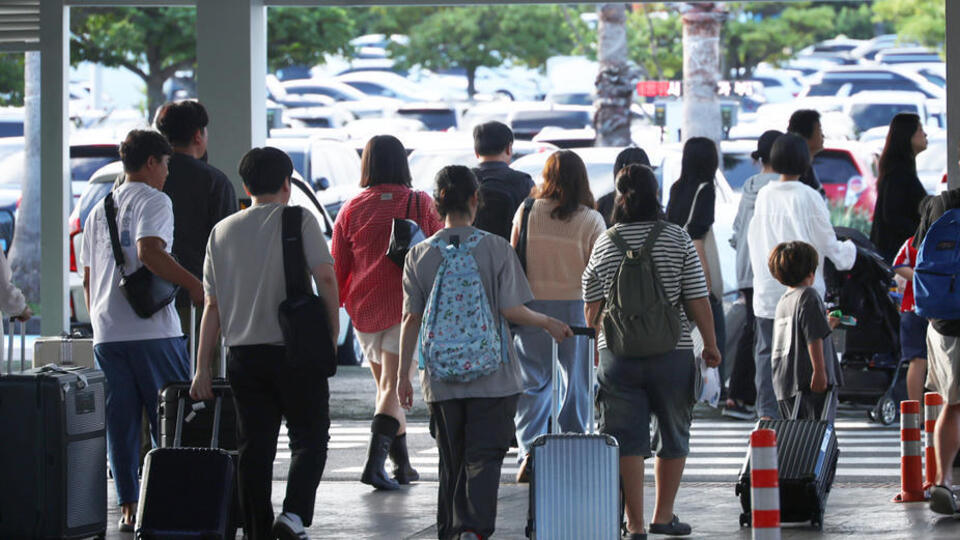
Where are Koreans traveling for Chuseok? This country tops the list koreaherald.com

Indian Travellers, Japanese Travellers and South Korean & VietnameseTravellers show outbound demand becoming more segmented. The posts no longer describe one generic Asian traveller. They point to quick city trips, beauty-led travel, premium targeting, social discovery, budget pressure and travel tied to personal growth.

The Indian material shows both resilience and selectivity. Booking.com’s view of Indian demand sits beside reporting on airspace curbs and high fares steering travellers toward Asia’s East. Posts on Reels discovery, aspirational purchases and wellbeing suggest that inspiration is abundant, but trust and value still decide the booking.

Japanese traveller coverage is more specific about trip purpose and format. Seoul appears as a destination for quick, condensed trips and beauty travel, while Thailand targets high-value Japanese tourists and Rajasthan reports interest from Japanese solo travellers on Palace on Wheels. The market is being addressed by motive, not just origin.

The Korean Chuseok travel post adds the calendar effect: holidays can concentrate demand around a country or route. Taken together, the posts suggest that destination marketers need sharper propositions, from short urban breaks to luxury rail and beauty experiences, rather than broad campaigns aimed at nationality alone.

Further reading

Curators to follow

  • Roland Schegg

    This contributor follows destination management, hotel distribution, eTourism and tourism innovation, with recent selections on AI search, climate adaptation and platform dependence.

  • Trevor Lee @ TravConsult

    This contributor tracks Asian outbound travel topics, including Indian, Japanese, Korean and Vietnamese traveller behaviour and destination targeting.

  • CTM

    This contributor maintains a weekly travel update focused on airline partnerships, route changes, onboard product and related business travel news.

Frequently asked questions

What travel and tourism themes are most active here?

The strongest recent themes are hotel control of the guest relationship, AI visibility in travel search, climate adaptation for destinations and more segmented outbound demand from Asian markets. The material also follows practical travel planning, city guides, airport transfers, airline route changes, local culture and sports or events tourism across the topic list.

How is AI affecting hotels and travel booking?

AI appears mainly as a distribution and visibility issue. Posts discuss hotels vanishing in AI searches, AI-driven packaging of the whole stay and front desks handling expectations created before arrival. The common concern is not novelty, but whether AI changes who controls pricing, demand and the guest relationship.

Does this page cover sustainable tourism?

Yes. Destination management posts connect travel demand, dispersal and climate readiness, including coverage of heat changing travel behaviour in Switzerland and destinations adapting rather than waiting. Other topics also touch sustainable tourism, but the strongest evidence here treats climate as an operational planning issue for destinations.

What is changing in Indian outbound travel?

The recent posts point to resilience, social media discovery and more selective spending. Indian travellers are shown discovering offbeat destinations through Reels, weighing trust before booking, turning to travel for wellbeing and adjusting routes when fares and airspace constraints change options. The picture is aspirational but value-conscious.

Are airline route and product changes included?

Airline material is present through the Weekly Travel Update topic. Recent items include American Airlines and Alaska Airlines joint-business plans, a STARLUX codeshare, Delta route additions and cuts, Aer Lingus transatlantic Wi-Fi, Alaska premium seats and lounges, and Qantas plans for New York-Sydney flights.

Most quoted sources

  • linkedin.com 6
  • htr.ch 4
  • skift.com 4
  • hotelinside.ch 3
  • hevs.ch 3
  • medium.com 3
  • tageskarte.io 3
  • phocuswright.com 3
  • hospitality.today 2
  • phocuswire.com 2

This page was written by an AI from the public curation of Scoop.it topics. The posts, topics and curators it cites are real and linked directly.

Updated on October 6, 2026