Covering the last 90 days

Culture

Culture is moving here through videos, festivals, language debates and public acts of memory. The last 90 days show artists using YouTube, communities defending names and translations, and local calendars turning exhibits, music, food and civic gatherings into cultural signals.

The page draws on 39 topics maintained across the subject area by 35 curators, with 72 posts in the corpus. The strongest recent activity comes from local culture in Cayo, language and identity coverage, African design, empathy in institutions and education-facing culture topics.

The sources reflect that spread. YouTube, CBC, Facebook, The Guardian and other frequently quoted publishers sit beside topic-specific blogs and event pages, so the category reads as both a live cultural diary and a record of longer debates over heritage, representation and belonging.

Key figures

  • 39 topics
  • 35 curators
  • 796752 views
  • October 6, 2026 last activity

Cross-cutting issues

1

Video is becoming culture’s shared front door

Arts discovery, local identity and education increasingly meet in video-led posts, changing how readers first encounter culture online.

Discover This Hidden Talent in Africa youtube.com

Afrodizziak shows how video sits beside arts reporting rather than replacing it. A YouTube post on hidden talent in Africa appears in the same stream as coverage of a Gambian artist renewing traditional printmaking and reporting on young artists presenting contemporary culture in Ethiopia.

Voices in the Feminine - Digital Delights brings the same pattern into education and online culture. A YouTube lecture on teaching after the introduction of AI frames culture as something learned through mediated talks, not only through essays or reviews.

Cayo Scoop! adds a local layer. The music video “ELLKA - Belize Is Belize” turns place identity into a shareable performance, while the Cayo topic also tracks events and community activity around that cultural scene.

Together, the topics show YouTube as a practical delivery layer for discovery, instruction and local belonging. The shift is not away from culture writing, but toward a mixed feed where video carries art, pedagogy and place.

Further reading

2

Language change is now a culture story, not a grammar panic

Dialect, naming and translation are being used to argue over identity, memory and who gets represented in public culture.

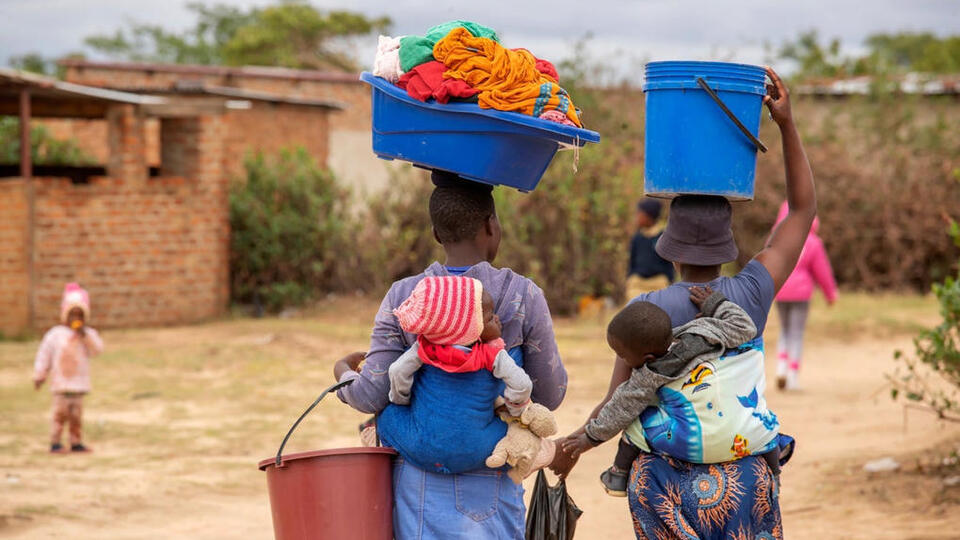
Africa’s mother tongues are finding new life as youth connect with roots and relatives independent.co.uk

English Wider Reading treats language as a moving social record. Posts on African mother tongues, northern English dialects, new slang in Cambridge Dictionary, AAVE and accent-linked class signals all place speech inside identity, migration and status rather than inside rules alone.

Language and Culture adds the politics of naming. A CBC explainer on Lake Ontario’s name, the removal of landmark names tied to Joseph Trutch, and reporting on the loss of the last fluent Ditidaht speaker show that words can carry memory, power and erasure.

The Quebec fight to preserve a local version of The Simpsons broadens the point. Translation is presented not as a technical task but as cultural adaptation, where accent, joke structure and local references become part of a community’s claim on a global text.

Across the two topics, language change is not framed as decline. It is a sign of communities negotiating roots, class, colonial history and popular culture in public.

Further reading

3

Empathy is being built into institutions

Workplaces, healthcare systems and civic projects are treating empathy as a design principle with cultural consequences.

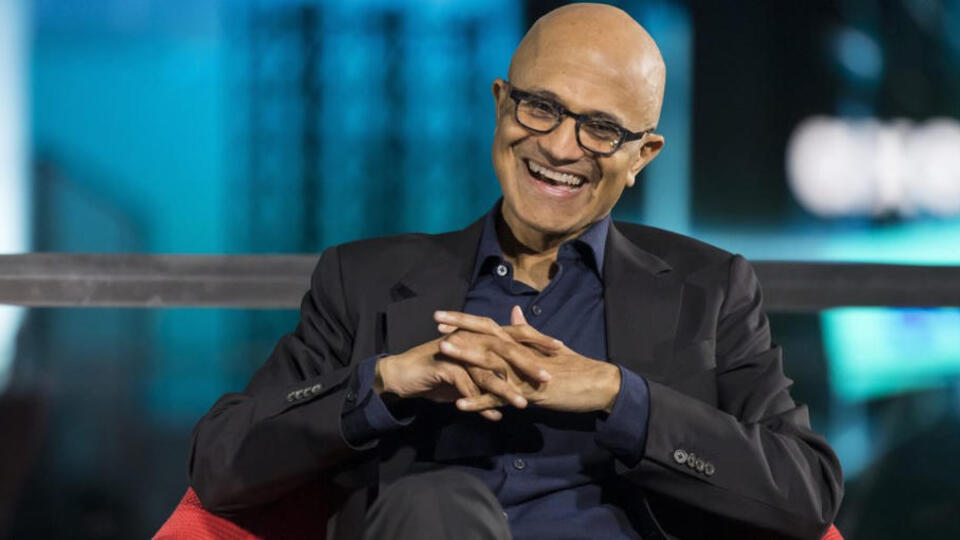
Microsoft CEO Satya Nadella doesn't see empathy as a soft skill: 'It’s the hardest skill we learn' fortune.com

Empathy in the Workplace follows a term moving from private virtue into formal practice. Posts on Satya Nadella, leadership skill and empathic leadership in patient experience all treat empathy as work that can be trained, organized and measured.

Healthcare gives the idea institutional weight. The Monash symposium on reimagining healthcare through empathy and the patient experience material connect care, leadership and culture change, making empathy part of service design rather than bedside manner alone.

Language and Culture offers a community example through Ucluelet’s Japanese pavilion, reported as a celebration of cross-cultural relationships. It shows how public places can embody recognition and relationship-building in material form.

The common thread is that empathy is being built into settings: companies, hospitals and civic spaces. Culture here is not only expression; it is the design of how people are expected to relate to one another.

Further reading

4

Can contemporary culture build institutions as well as images?

Design, museum culture, fashion and public art are being used to define modern cultural authority from within communities.

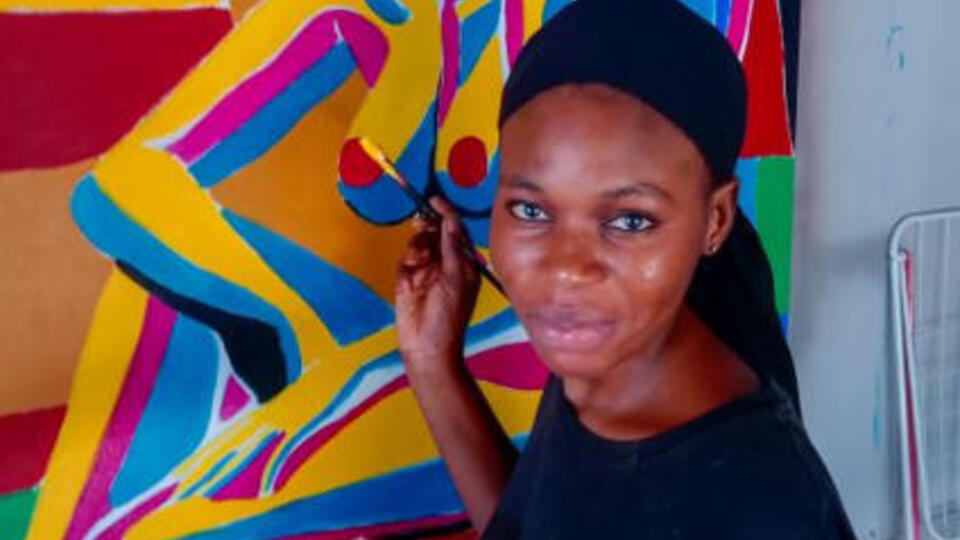
Young Gambian Artist Giving Traditional Printmaking New Life – AfricaNewsAnalysis africanewsanalysis.com

Afrodizziak tracks contemporary African culture through makers, markets and institutions. The feed moves from a Gambian artist giving traditional printmaking new life to a Benin collector working on museum culture and Ivory Coast designers gaining international visibility.

The topic also uses video and international reporting to widen the frame. Posts on hidden talent in Africa and young artists in Ethiopia present cultural modernity as something visible across studios, fashion platforms and public narratives, not only in established museum centers.

Language and Culture contributes a parallel case of art as resilience through a massive artwork on a historic Winnipeg building marking Métis presence. It is not an African design story, but it helps show the shared cultural work of visibility, institution-building and public memory.

Read together, these posts resist a narrow split between heritage and the contemporary. Printmaking, fashion, museums and public art all become ways to claim the present while carrying older forms and histories forward.

Further reading

5

When culture becomes a calendar, place becomes visible

Festivals, exhibits, fundraisers and civic gatherings show how local identity is maintained through recurring public events.

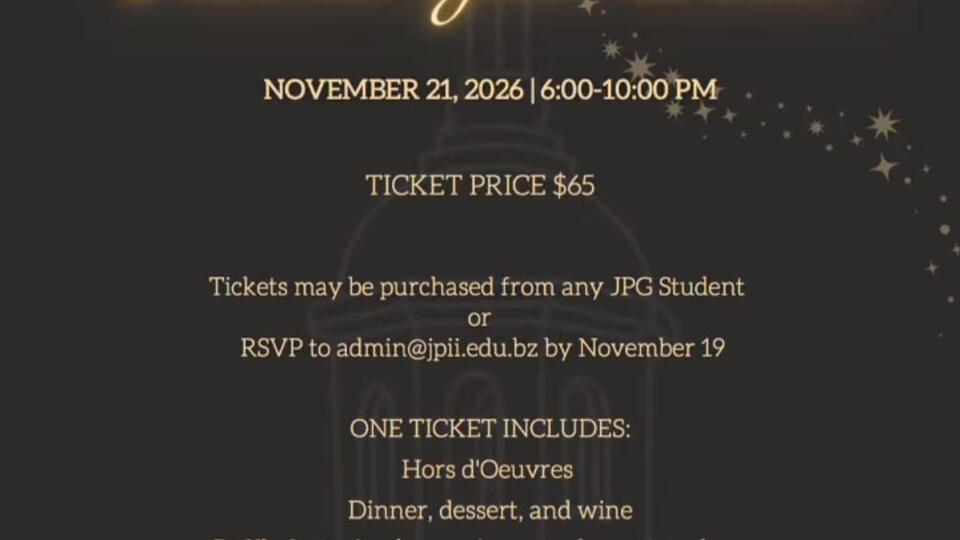
John Paul the Great College Gala Dinner 2026 facebook.com

Cayo Scoop! turns local culture into a sequence of gatherings. An art exhibit, a beer festival, an urban bird watch and a college gala dinner sit together as markers of civic life, mixing arts, leisure, fundraising and family-oriented activity.

Language and Culture shows that event coverage can carry broader identity work. Ottawa’s African music and culture celebration and Ucluelet’s Japanese pavilion are not just listings; they are occasions where communities make cross-cultural relationships visible.

The event format matters because it makes culture easy to enter. A reader can encounter heritage, music, environment or public art as something happening this weekend, not only as a museum category or an academic theme.

Across these topics, place-based culture is practical and recurring. Calendars, festivals and civic unveilings become a record of how communities keep identity active in public.

Further reading

Curators to follow

  • Best of Cayo

    Tracks Cayo cultural life through local events, community listings and place-based posts, with activity through 2026-10-06.

  • Ana Cristina Pratas

    Adds a digital and literary stream through Voices in the Feminine - Digital Delights, including online culture and teaching material.

  • Edwin Rutsch

    Follows empathy as a workplace and healthcare culture issue, gathering leadership, patient experience and organizational change material.

  • Susan Myburgh

    Focuses on contemporary African design and art, including artists, fashion, museums and video-led discovery.

  • Here Magazine

    Follows language, naming, Indigenous culture and cross-cultural relationships, with recent activity through 2026-10-01.

Frequently asked questions

What does the Culture category cover here?

This Culture page brings together 39 topics from the last 90 days, spanning arts, heritage, language, festivals, design, workplace culture, music, travel and education. The current mix includes African contemporary design, Indigenous language and naming stories, local event listings, empathy at work and video-led cultural discovery.

Why is language treated as part of culture?

Recent posts frame language as identity and power. English Wider Reading follows dialects, AAVE, slang, mother tongues and accents. Language and Culture adds place names, translation and Indigenous language survival, including stories on Lake Ontario, renamed landmarks and the loss of the last fluent Ditidaht speaker.

How is African contemporary culture represented?

It appears through museum building, printmaking, fashion, video and young artists. Afrodizziak includes posts on a Gambian artist renewing traditional printmaking, museum culture in Benin, Ivory Coast fashion designers and contemporary culture in Ethiopia, showing African modernity through makers and institutions.

Are local events part of the Culture category?

Yes. Cayo Scoop! is built around local cultural life, including an art exhibit, a beer festival, an urban bird watch and a gala dinner. Language and Culture also includes public gatherings such as Ottawa’s African music and culture celebration and Ucluelet’s Japanese pavilion.

How does workplace culture fit into this page?

The corpus shows empathy as a cultural practice inside institutions. Empathy in the Workplace includes posts on Satya Nadella, leadership skill, patient experience and healthcare symposia. These items present empathy as something organizations can design into leadership, care and culture change.

Most quoted sources

  • youtube.com 3
  • cbc.ca 1
  • facebook.com 1
  • themarginalian.org 1
  • zindagiwithricha.com 1
  • ctvnews.ca 1
  • theguardian.com 1
  • 2ndbreakfast.audreywatters.com 1
  • montrealgazette.com 1
  • thesun.co.uk 1

This page was written by an AI from the public curation of Scoop.it topics. The posts, topics and curators it cites are real and linked directly.

Updated on October 6, 2026