Your new post is loading...

|
Scooped by
ulcriv
September 29, 11:46 AM
|
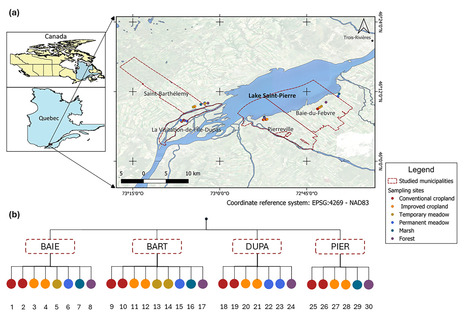
Floodplain ecosystems play a key role in soil organic carbon (SOC) storage, as they integrate inputs from both vegetation and deposited sediments. Promoting land uses with low anthropogenic disturbances helps maintain the function of these ecosystems as soil carbon (C) sinks. However, the tipping points along a disturbance gradient where land use transitions generate the largest SOC losses or gains remain unclear, though they are key for effective land use management and climate change mitigation. Because flood events can mobilize and enhance the loss of labile C, determining the main origin of stable SOC, whether from plants or soil microorganisms, is also important to identify the optimal combination of land use, vegetation, and soil type for SOC stabilization in floodplains. We examined how SOC stabilization and origin vary in the floodplain of Lake Saint-Pierre, Québec, Canada along an anthropogenic disturbance gradient of six land uses: conventional and improved croplands, temporary and permanent meadows, marshes, and forested swamps. In all 6 land uses at the same elevation, we quantified SOC stocks, mineral-associated organic matter - C (MAOM-C), soil δ13C and sugar biomarkers. Driven by land use change, variations in plant inputs were associated with changes in topsoil SOC storage. Forested swamps had the highest MAOM-C due to greater plant biomass inputs that increased both microbial- and plant-derived C. Across all land uses, microbial-derived sugars, particularly of fungal origin, were more abundant in MAOM than plant-derived sugars. Notably, MAOM remained below its saturation capacity. Soil C pools, including MAOM-C, and both microbial- and plant-derived C, increased nonlinearly with decreasing disturbance, with a tipping point occurring at the transition from temporary to permanent meadows. Our results highlight the importance of increasing both microbial- and plant-derived C inputs to promote SOC stabilization, while emphasizing the persistent key role of fungal metabolism in floodplain soils.
|
|
Scooped by
ulcriv
September 4, 4:37 PM
|
A 2-year field experiment (2022–2023) was conducted on a clay loam soil in Quebec, Canada, to evaluate the short-term effect of spring-seeded cover crop termination methods on soil health indicators. A mixture of field peas (Pisum sativum L.) with oats (Avena sativa L.) in 2022 and with faba beans (Vicia faba L.) in 2023 was seeded in early May and terminated in early July before transplanting a vegetable crop. The experimental design followed a randomized complete block design, comparing three cover crop termination methods — roller-crimping (ROLL), flail mowing and tarping (TARP), flail mowing and disking (DISK)—alongside a fallow control without cover crops (CTRL). Soil samples (0–10 cm) were collected during vegetable harvest in September each year, 8 to 10 weeks after cover crop termination. In 2023, treatments with cover crops resulted in a greater mean-weight diameter of water-stable aggregates in comparison to the CTRL treatment. The termination of field peas and faba beans (2023) led to a greater flush of CO2 and microbial biomass nitrogen concentrations under the ROLL and TARP treatments compared to the CTRL treatment. No significant differences in soil organic carbon fractions or chemical indicators were found between treatments in either year. Overall, in the short term, the use of cover crops had a greater impact on soil health than termination methods. Future research should further explore the interaction between tillage and other spring-seeded cover crop mixtures on contrasting soil textures for optimizing management practices in organic vegetable production systems.
|
|
Scooped by
ulcriv
August 20, 10:29 AM
|
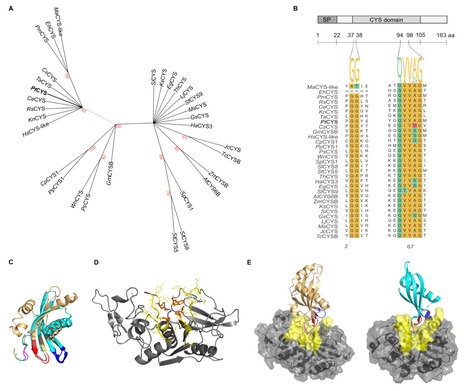
The marine diatom Phaeodactylum tricornutum is an emerging platform for metabolic engineering and recombinant protein production. However, heterologous protein accumulation often shows strong cell-to-cell variability and decreases over successive generations in bioengineered diatoms. In this study, we investigated whether overexpression of an endogenous cysteine protease inhibitor, cystatin (PtCYS), could stabilize heterologous protein production in P. tricornutum. We generated extrachromosomal expression strains co-expressing the yellow fluorescent protein (yfp) gene with PtCYS. The anti-protease activity of PtCYS was verified in vitro. Co-expression of YFP with the full-length PtCYS coding sequence resulted in higher YFP accumulation (~1.6-fold). Increased heterologous protein accumulation was impaired by fusion with PtCYS and dependent on the presence of an endogenous signal peptide. The reintroduction of PtCYS into three independent YFP-only lines with low initial fluorescence led to a marked increase, by ~2-fold, in YFP signal in one genetic background, highlighting the potential of this strategy as well as strain-dependent effects. Importantly, changes in YFP accumulation were not associated with increased yfp transgene copy number. Together, these results demonstrate that cystatin-mediated modulation of proteolytic activity can influence heterologous protein stability in P. tricornutum, while also revealing strong context- and genetic background–dependent limitations. This work provides critical design considerations for improving recombinant protein production in diatom-based biofactories.
|
|
Scooped by
ulcriv
August 19, 3:27 PM
|
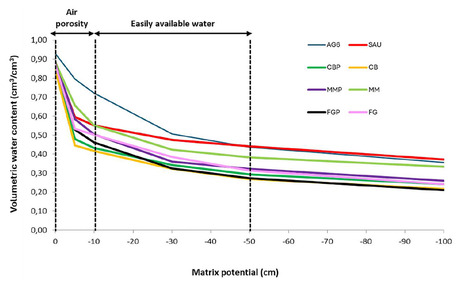
Rooftop agriculture is gaining popularity worldwide, although technical challenges, such as restriction on materials used in growing media, can negatively affect plant growth and yields. Incorporating inorganic recycled materials into rooftop growing media offers a promising approach to improving productivity while reducing the environmental footprint of these production systems. In 2022 and 2023, an experiment was conducted at Université Laval (Québec, Canada) to evaluate the performance of different growing media composed of crushed brick, mineralized mulch (MM), and foamed glass (FG), with or without perlite, for rooftop cultivation of tomato (Solanum lycopersicum), lettuce (Lactuca sativa), basil (Ocimum basilicum L.), and tiny bok choy (Brassica rapa subsp. chinensis). Physical, chemical, and biological properties of the growing media, along with plant growth and yield parameters, were monitored, and results were analyzed using analyses of variance and protected least significant differences (p < 0.05). Overall, yields obtained with brick- and FG-based growing media were similar to or higher than those of the commercial peat-based rooftop controls, except for lettuce in 2023. For all species, the addition of perlite to brick-based media had no significant effect on yield. In 2022, tomato, lettuce, and basil grown in pure FG growing media outperformed those grown in the FG-perlite mix. In contrast, media containing MM generally performed poorly, likely due to their high pH, which limited nutrient availability and reduced leaf nutrient content. Our results demonstrate the potential to incorporate inorganic recycled materials in rooftop growing media, thus potentially improving its sustainability.
|
|
Scooped by
ulcriv
August 18, 5:18 PM
|
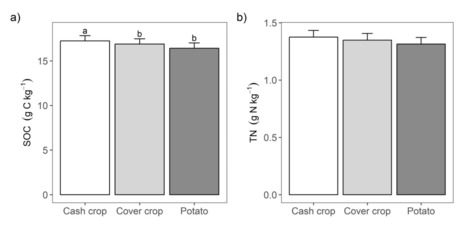
Cover cropping may enhance soil organic carbon (SOC) stocks in intensive cropping systems. Conducted on two adjacent
fields in Prince Edward Island, Canada, the study aimed to assess (1) whether the SOC concentration in the topsoil (<15 cm)
varies between crop phases and whether (2) SOC and total nitrogen (TN) stocks differ depending on the potato rotation. This
study compared contrasting 3-year crop rotations: Standard, Biomass, and Biofumigant. Each crop rotation included a potato
(Solanum tuberosum L.) phase, a full season cover crop phase, and a second cash crop phase. Annual changes in SOC and TN
were tracked over 6 years in bulk soil, particulate organic matter, and mineral-associated organic matter fractions at 0–15 and
15–30 cm depths. Additionally, the SOC and TN stocks were measured in the soil profile (0–45 cm) after 7 years. Mean 3-year
cumulative soil tillage intensity rating (STIR) ranged between 417 and 584 and estimated annual carbon inputs ranged between
1.3 and 2.6 Mg C ha−1 year−1. During the first 6 years of the study, crop phase had a greater influence on SOC concentration
than type of rotation. After 7 years, soil SOC stocks at 0–45 cm depth were 61.5 Mg C ha−1, and did not differ among crop
rotations. At 0–15 cm, however, the Standard rotation resulted in the greatest SOC stocks (31.1 Mg C ha−1). Our results indicate
that regardless of differences in annual carbon input and tillage intensity, SOC stocks remained comparable among these
rotations in this intensive production system.
|
|
Scooped by
ulcriv
August 18, 4:38 PM
|
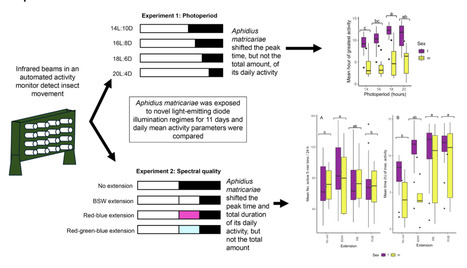
Supplemental lighting, such as with LED lamps, allows greenhouse producers to maintain yields when natural light levels arelow. Since both insect pests and their natural enemies are sensitive to light, both the duration and spectrum of LED daylengthextensions could affect biological pest control in greenhouses. For example, they could extend periods of foraging activity for bio-logical control agents. Insect responses to light can be species-specific, so it would be useful to have a high-throughput method tostudy the effects of novel light regimes on many different greenhouse biological control agents. It is unknown to what extent par-asitoids change their daily activity patterns under longer days due to artificial illumination on multi-day timescales. In growthchambers, we examined the locomotor activity of the parasitoid biocontrol agent Aphidius matricariae Haliday (Hymenoptera:Braconidae) over multiple days under different illumination regimes. We compared the effects of 14, 16, 18, and 20 h photoper-iods, and 12 h days extended by 6 h with three different spectral qualities. The parasitoids adjusted how their activity was dis-tributed throughout the lit period of the day (i.e., total activity duration and peak timing) without changing the total amount ofdaily activity, regardless of the photoperiod or the light spectrum used for daylength extension. Our results suggest that at leastsome behavioral traits of parasitoids can be resilient to changes in their light environment, and may help to mechanistically in-terpret subsequent experiments showing that their biological control effects are also resilient to different LED lighting regimes.This experimental approach may be useful in screening other biological control agents for strong responses to LED spectra orartificially-extended photoperiods, which can then be confirmed through more in-depth research in more realistic settings.
|
|
Scooped by
ulcriv
August 18, 3:52 PM
|
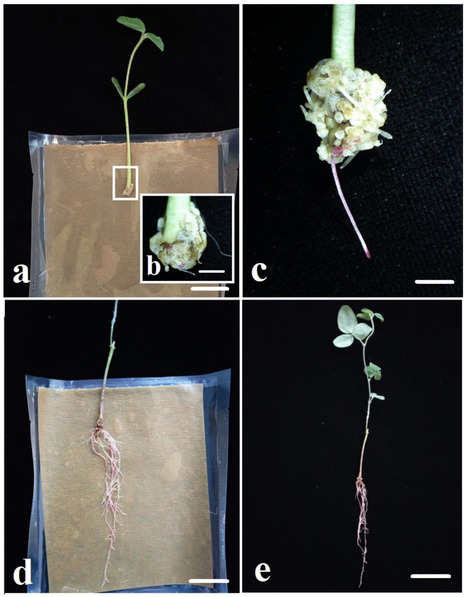
Rhizobium rhizogenes (formerly Agrobacterium rhizogenes)-mediated hairy root transformation is one of the most efficient genetic engineering methods in soybean. In this study, we explored the feasibility of using the RUBY reporter gene in a one-stepex vitro (hypocotyl cutting) transformation protocol in soybean. The inoculated seedlings were cultivated in growth pouches, facilitating easy monitoring of transformation efficiency and visualization of the resulting red transgenic roots. The R. rhizogenesstrains R1000, ARqual, and K599 demonstrated a 100% hairy root induction in four soybean genotypes (20SS01, Bert, Jack, and Williams). The highest transformation efficiency (78.33%) was obtained by inoculation of 7-d-old seedlings of cv. Bert with the R1000 strain. This streamlined method offers a rapid and cost- effective means for real-time, high-throughput phenotyping of transgenic roots. The utilization of the RUBY reporter gene in conjunction with ex vitro hairy root transformation represents a promising avenue to accelerate in-root genetic modifications in soybeans.
|
|
Scooped by
ulcriv
August 18, 2:29 PM
|
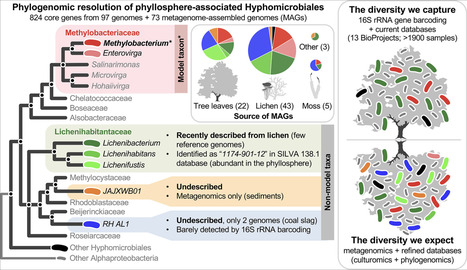
The phyllosphere, or above-ground part of plants, hosts diverse bacterial communities that play critical ecological roles and provide beneficial functions for the plant. The Hyphomicrobiales (Alphaproteobacteria) are a highly diverse and ecologically important clade known to be key members of the plant microbiome, in particular in association with plant roots, but their diversity remains largely uncharacterized in the phyllosphere. Using a meta-analysis combining metabarcoding, metagenomics and phylogenomics, we explored the diversity of leaf-associated Hyphomicrobiales. We confirmed Methylobacterium was ubiquitous in the phyllosphere and revealed the dominance of two under-characterized Hyphomicrobiales taxa: Lichenihabitantaceae, a lichen-associated family previously identified as “1174–901-12” in taxonomic databases, and RH-AL1, an undescribed lineage of bacteria related to Beijerinckiaceae. Despite their abundance in the phyllosphere, Lichenihabitantaceae and RH_AL1 could not be properly identified by 16S rRNA gene barcoding, due in part to limitations of short read sequencing leading to a lack of recognition of certain Hyphomicrobiales genera, and to incongruencies in the assignment of genera to families among existing taxonomic databases. A significant proportion of Lichenihabitantaceae were detected in association with lichens and in environments with harsh conditions like exposed surfaces, air and snow. Overall, our study stresses the need to agree on a common systematic framework to properly classify and identify key leaf-associated Hyphomicrobiales taxa, and to move toward metagenomics and culturomics to increase their representation in reference databases, to provide a better understanding of the evolutionary and functional mechanisms underpinning bacteria adaptations to living on plants.
|
|
Scooped by
ulcriv
July 28, 5:46 PM
|
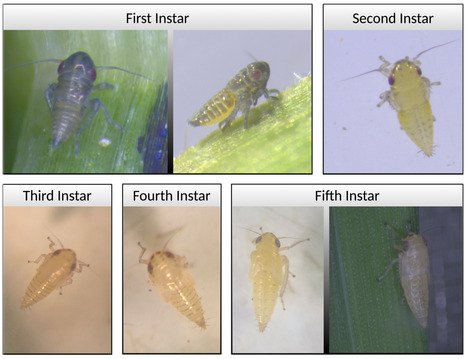
The aster leafhopper (Hemiptera: Cicadellidae: Macrosteles quadrilineatus Forbes) is considered to be a significant pest in the Western Canadian Prairies and the United States Upper Midwest due to its ability to transmit a bacterial plant pathogen known as Aster Yellows phytoplasma (AYp) to several plant species. Aster Yellows (AY) disease can be devastating to growers and home gardeners, as common symptoms in infected plants include altered pigmentation of leaves, changes in size and structure of grain heads, and sterile pods. Since there are no resistant crop varieties and leafhoppers remain infective for life, control strategies primarily focus on surveillance of populations on both crops and weedy hosts and on managing aster leafhopper populations. Several crops and wild species can sustain leafhopper populations; however, cereals are optimal hosts for their reproduction and development. Depending on environmental conditions, aster leafhoppers can complete between 2 and 5 generations per growing season. Collaborative research efforts across multiple institutions have expanded our understanding of this pathosystem, including leafhopper movement at various scales, seasonal changes in AY infection levels, and the effectiveness of different management tactics. The development of diagnostic tools has improved the identification of infection sources, which, alongside action thresholds, can help guide decisions on the need for additional insecticide applications. This article compiles this information into a single extension resource.
|
|
Scooped by
ulcriv
July 28, 5:38 PM
|
- Pollen provides a wealth of nutrients crucial to pollinators, including proteins, lipids, minerals, essential amino acids and fatty acids, vitamins, as well as flavonoids and phenols. However, pollen can be contaminated by some pesticides, pharmaceuticals, and heavy metals.
- There is an increasing need to characterize pollinator nutritional landscapes to implement efficient conservation measures and halt pollinator decline. However, the nutritional content of pollen is absent from most datasets on floral resources and floral traits, limiting our ability to characterize essential nutrients available in the landscape for pollinators.
- We reviewed the literature and provide a primary dataset on pollen nutrients of 283 plant species from 54 families. While data on proteins, lipids, and amino acids (with the exception of tryptophan) were available in the literature, information on other nutrients was scarce (e.g., for minerals, vitamins, fatty acids). Moreover, extensively characterized pollen belonged to food-producing plants, with important gaps for other flowering plants.
- To fill these gaps, we conducted a multidimensional assessment of 20 pollen samples from cultivated and wild plants by HPLC and mass-spectrometry (including 32 nutrients, 100 contaminants, and pollen imaging). We provide an open and dynamic database with results from this assessment—composed of nutrient and contaminant datasets and an imaging database—which will be updated over time with new species and locations.
- Practical implications: this database is anticipated to be used to (1) characterize pollinator nutritional landscape and (2) identify plants with nutritional value for pollinators and make recommendations for conservation management.
|
|
Scooped by
ulcriv
July 28, 5:04 PM
|
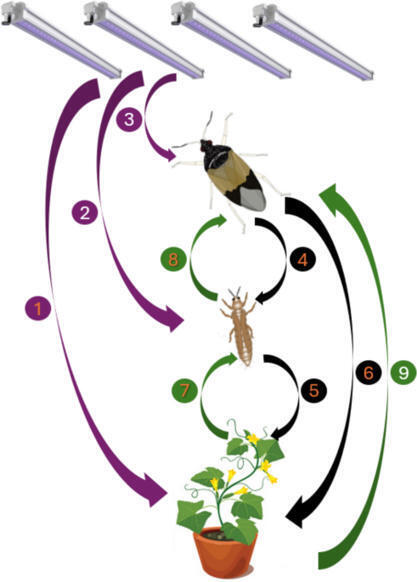
Artificial lighting, particularly light-emitting diodes (LEDs), is widely used in controlled-environment agriculture (CEA) to enhance crop productivity. However, the impacts of LEDs on multitrophic interactions remain poorly understood. This study assessed how spectral photoperiod extension modulates top-down effects (predator effects on pest density, pest-related damage to plants, and plant defense-related gene expression) and bottom-up effects (plant morphology, light assimilation, defense and growth hormone-related gene expression) in a tri-trophic system involving a plant, greenhouse cucumber (Cucumis sativus), a pest insect, the western flower thrips (Frankliniella occidentalis), and a predator used for biological control, the minute pirate bug (Orius insidiosus). Plants were exposed for two weeks to a 12-h artificial sunlight, with or without an 8-h extension of blue, blue–red, or blue–green–red LEDs. Orius insidiosus reduced thrips populations by 96 ± 9%, regardless of light treatment, and decreased foliar damage due to thrips by 46% on average. Orius insidiosus produced offspring under all lighting conditions, although total numbers of the predator were lower under blue–green–red lighting. Pest densities remained similar across all light treatments, suggesting that light supplementation did not benefit F. occidentalis. Blue and blue–red spectra improved plant light assimilation, and photoperiod extension generally increased dry biomass (9 ± 6%). Defense-related phytohormones were only marginally affected. Surprisingly, some jasmonic acid pathway-related genes were upregulated in the presence of predators, suggesting additional plant-mediated effects. Our results underscore the potential of O. insidiosus to provide biological pest control services under artificial lighting regimes already used in crop production.
|
|
Scooped by
ulcriv
July 28, 11:49 AM
|
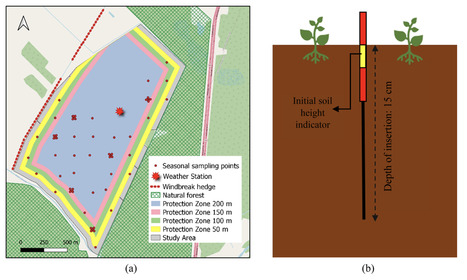
Wind erosion is a major threat to organic soils under intensive agriculture, reducing their productivity and long-term sustainability. Up to 2.5 cm of soil can be lost in a single storm. This study examined how soil water content and vegetation cover
influence wind erosion in cultivated organic soils of the Montérégie region, Quebec, using satellite data and predictive modeling. Sentinel-1 radar was used to estimate relative soil water content, while Sentinel-2 optical imagery monitored vegetation cover
through the Normalized Difference Vegetation Index (NDVI). Field measurements of soil height change validated satellite estimates and supported model development. The results showed that soils were most vulnerable to erosion at moderate (40%–60%) to high (60%–80%) water content, while very dry (<20%) or very wet (>80%) soils were more resistant. Erosion decreased sharply when NDVI exceeded 0.4, indicating protective vegetation cover. A random forest model predicted soil height change from relative water content with an R2 of 0.71, and an exponential plateau model from vegetation cover with an R2 of 0.48. These results demonstrate that soil water content and vegetation cover strongly control wind erosion in organic soils. Combining field data with satellite monitoring provides a reliable tool for assessing and
mitigating erosion risk. Maintaining adequate surface moisture and vegetation cover can substantially reduce soil loss, supporting sustainable agriculture and long-term soil conservation in organic farming systems.
|
|
Scooped by
ulcriv
July 28, 11:12 AM
|
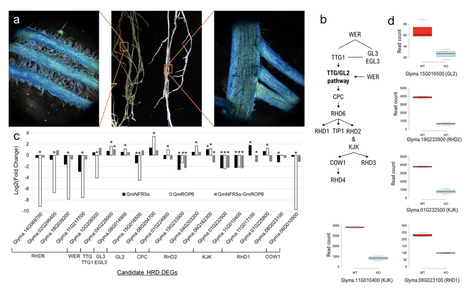
Nitrogen fixation in soybeans, facilitated by symbiotic interactions with rhizobia, isa cornerstone of sustainable agriculture, reducing reliance on synthetic fertilizers.However, the efficiency of symbiotic nitrogen fixation (SNF) varies due to natu-ral genetic variation in SNF-related genes. Our study underscores the pivotal roleof the GmNFR5α gene not only in nodulation but also in root hair development,which is crucial for effective nutrient uptake and plant yield. Through detailed geneticanalyses and clustered regularly interspaced short palindromic repeats (CRISPR)-based manipulations, we identified and characterized multiple knockout mutants,notably GmNFR5α-KO and combined GmNFR5α+GmROP6-KO, which exhibitedsignificant reductions in root hair density and nodulation. These phenotypic changescorrespond with the downregulation of key root hair development genes such as TTG,RHD1, RHD2, and KJK, establishing a clear link between GmNFR5α function androot hair formation. The potential of leveraging these genetic insights to improvenitrogen fixation in legumes and introduce SNF capabilities into cereal crops couldrevolutionize crop fertilization strategies, offering a sustainable solution to globalagricultural challenges.
|
|
|
Scooped by
ulcriv
September 4, 4:59 PM
|
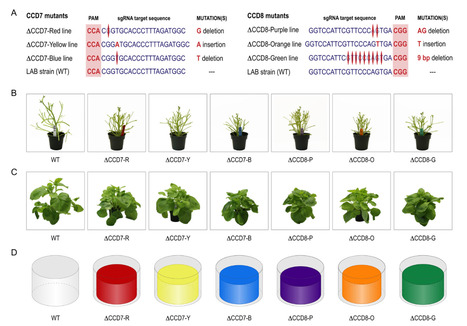
Indoor vertical farming (VF) offers practical advantages for the cultivation of plant protein bio-factories including plant uniformity, product consistency, water/nutrient recycling and production cycles on a year-round basis. Much progress has been achieved toward the development of innovative systems for artificial lighting, automated irrigation, plant handling, environmental control and space use optimization in VF systems. Here, we used a CRISPR/Cas9 gene editing approach to generate mutant lines of protein expression host Nicotiana benthamiana presenting a compact, space-efficient phenotype suited to VF systems. Our strategy consisted of altering apical dominance by suppressing the synthesis of strigolactone, a negative regulator of axillary bud outgrowth. Strigolactone-depleted lines were generated by hindering the expression of either Carotenoid cleavage dioxygenase 7 (CCD7) or Carotenoid cleavage dioxygenase 8 (CCD8), two key enzymes of the strigolactone synthetic pathway. Knocking out of either enzyme had no impact on the plant's growth rate but drastically influenced its auxin/cytokinin ratio, leaf proteome and overall architecture. The ΔCCD mutants exhibited an axillary growth-oriented development pattern, altered glycolytic and malate-processing metabolic fluxes to drive pyruvate and cytokinin production, and a spatial footprint reduced by 45%–50% compared to the LAB strain commonly used for protein expression. Most importantly, recombinant protein yields per plant were maintained in the mutant lines, as illustrated with GFP and rituximab, a chimeric antibody of therapeutic value. Our data confirm the usefulness of ΔCCD7 and ΔCCD8 knockouts leading to strigolactone depletion for the generation of compact, space-efficient N. benthamiana lines better suited to VF systems.
|
|
Scooped by
ulcriv
September 4, 4:18 PM
|
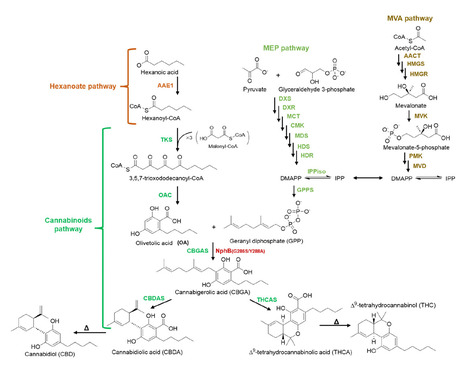
Cannabinoids are high-value bioactive compounds whose sustainable production remains challenging, prompting interest in biocatalytic and microbial platforms as alternatives to plant extraction. In this study, we investigated the heterologous expression and functionality of two key cannabinoid-related enzymes in the photosynthetic microalga Chlamydomonas reinhardtii: the aromatic prenyltransferase, NphBG286S/Y288A from Streptomyces sp., and the plant-derived cannabidiolic acid synthase (CBDAS) from Cannabis sativa. Codon-optimized genes were introduced into the nuclear genome of C. reinhardtii using several construct configurations and promoters, and stable transformants were generated and characterized for genomic integration, transcript accumulation, protein production, enzymatic activity, and cannabinoid-related metabolite formation. While NphB protein accumulation was achieved under the PSAD promoter control, CBDAS was not detected at the protein level under any condition tested. In vitro enzymatic assays using soluble algal protein extracts from NphB-expressing lines confirmed catalytic activity, yielding cannabigerolic acid (CBGA), reaching up to 633 ± 58 µg L−1. However, no CBGA production was detected in vivo, despite substrate supplementation. These results indicate that, although bacterial prenyltransferase can be functionally expressed in C. reinhardtii, efficient metabolic conversion in vivo is limited by cellular and biochemical constraints, including substrate availability, intracellular compartmentalization, and potential competition with endogenous pathways. In contrast, the absence of detectable CBDAS highlights the challenges associated with expressing complex plant oxidocyclases in this photosynthetic host. Overall, this work provides mechanistic insights into enzyme compatibility and metabolic bottlenecks in microalgal systems and outlines key considerations for the future development of photosynthetic platforms for cannabinoid biocatalysis.
|
|
Scooped by
ulcriv
August 19, 3:30 PM
|
BACKGROUND: Amaranthus tuberculatus (waterhemp) is a major agricultural weed known for its rapid evolution of resistance to
multiple herbicide modes-of-action. Resistance to 4-hydroxyphenylpyruvate dioxygenase (HPPD) inhibitors such as mesotrione
is particularly concerning, yet the underlying genetic and molecular mechanisms remain incompletely understood. This study
investigated the basis of mesotrione resistance in a Canadian waterhemp population (biotype 714) using an integrated genomic and transcriptomic approach.
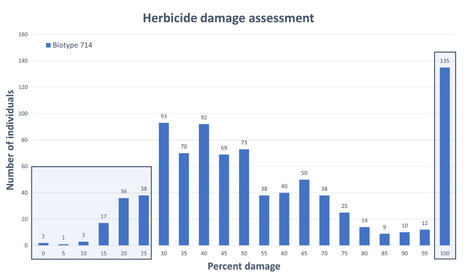
RESULTS: A genome-wide association study (GWAS) on 152 individuals identified 11 unique single nucleotide polymorphisms
(SNPs) significantly associated with resistance, with the most significant SNP located on chromosome 13 (P < 10−26). Gene
Ontology (GO) enrichment of genes proximal to these SNPs implicated pathways related to electron transport and oxidoreductase activity. Transcriptomic analysis of treated plants revealed 187 differentially expressed genes (DEGs) between resistant
and susceptible phenotypes. GO enrichment of these genes highlighted significant upregulation of pathways related to redox
homeostasis, glutathione metabolism, lipid signaling and secondary metabolism. Weighted Gene Co-expression Network Analysis (WGCNA) further corroborated these findings, identifying gene modules correlated with resistance that were enriched for
functions in oxidative stress response and detoxification.
CONCLUSION: Mesotrione resistance in this A. tuberculatus population is a complex, polygenic trait. Our findings indicate that
resistance is not conferred by a single mechanism, but rather by an enhanced metabolic capacity to mitigate herbicide-induced
oxidative stress. This multifaceted defense involves the coordinated regulation of numerous detoxification, signaling, and metabolic pathways. Understanding this complex form of nontarget-site resistance (NTSR) is critical for devising future management strategies to combat the spread of herbicide-resistant weeds.
|
|
Scooped by
ulcriv
August 19, 10:15 AM
|
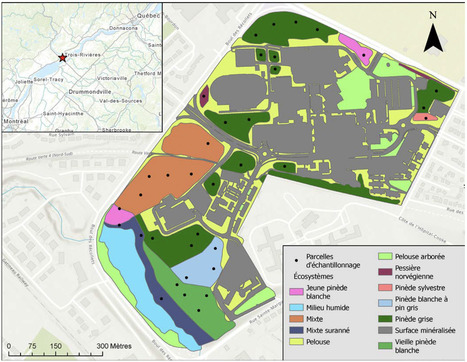
Urban nature provides multiple benefits, both ecological and sociological, with the latter including supporting physical and mental health. Therefore, many municipal initiatives worldwide are focusing on identifying and maintaining these ecosystem services. However, this comes at a time when urban nature risks being severely affected by climate change. Despite this, few studies have examined the factors governing the combination of services provided by urban nature and the risks to which it is exposed. The present study aimed to quantify 6 services (soil permeability, surface temperature regulation, carbon sequestration, biodiversity, human-ecosystem interactions, and edible wild mushroom harvesting) and 5 risks (tree mortality, disease or decline, snow deposits, vulnerability to extreme weather, and invasive alien species) across 12 ecosystems on the campus of the Université du Québec à Trois-Rivières (Canada). The results show that services and risks vary according to ecosystem type. Young white pine stands and mature mixed stands provide the highest levels of services, while jack pine stands and younger mixed stands are most exposed to risks. Older ecosystems located farther from anthropogenic disturbances, deliver a greater number of services without increasing their average level of risk. This study provides a methodology that can be easily adjusted to evaluate the spatial dynamics of services delivered and risks faced by urban nature, thereby offering actionable recommendations for managers.
|
|
Scooped by
ulcriv
August 18, 4:42 PM
|
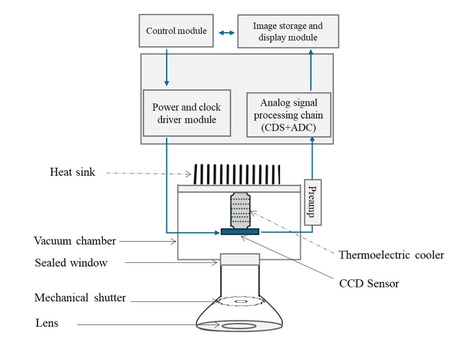
The In Vivo Imaging System (IVIS) is an advanced optical imaging platform initially designed for biomedical research, combining fluorescence and bioluminescence. It integrates a highly sensitive cooled charge-coupled device (CCD) camera, a filter system, and a customized software for optical signal control and analysis. This configuration enables non-invasive monitoring of biological processes at the whole-organism level and allows the detection of extremely weak luminescent or fluorescent signals. Accordingly, this review presents an overview of the system's fundamental principles, technical components, image acquisition modalities and application across biological systems, along with perspectives for postharvest research. Although current applications in postharvest research remain limited, its capabilities show great promise. It could facilitate studies on the physiological mechanisms of fresh produce and the evaluation of redox state during postharvest storage. Given its potential for a wide range of applications, our objective is therefore to promote its use in postharvest research.
|
|
Scooped by
ulcriv
August 18, 4:05 PM
|
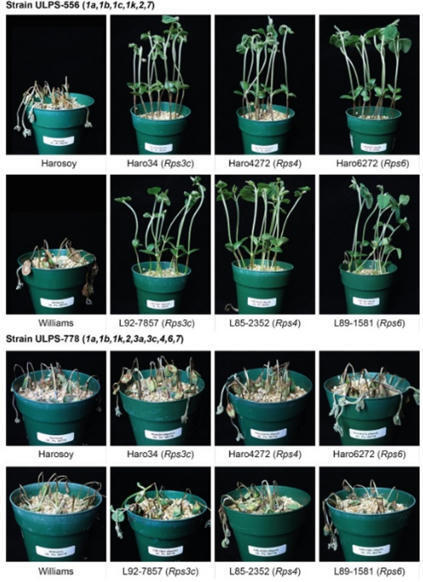
Effective management of Phytophthora root rot in soybean is compromised by the rapid loss of efficacy of the most widely deployed resistance genes to Phytophthora sojae (Rps). However, some genes such as Rps3a and Rps6 are still offering a strong protection but are nonetheless rare in elite material, probably owing to the fact that they have never been properly characterized. In this study, we have employed RenSeq, and whole genome sequencing to unravel the nature of Rps6 as a complex locus composed of 10 NLR genes. In a cell death assay using soybean protoplasts, we show that one of the candidates from the cluster interacts robustly with Avr6. Transfer of the candidate gene into a susceptible root system confirmed its function and status as the bona fide Rps6. Through sequence comparison with other Rps differentials, we further discovered that Rps3c and Rps4, originally thought to be distinct genes on different chromosomes, are, in fact, the exact same resistance gene as Rps6, mediating recognition to the same effector, Avr6. These results clarify a long-standing confusion regarding the identity of some elusive Rps genes and offer the precise sequence and position of Rps6. At the same time, along with the recently exposed homology between Rps3b and Rps11, these findings raise some concerns about the apparent multiplicity of Rps genes. Indeed, there may be fewer sources of resistance than assumed, which should instill caution in using current Rps genes to ensure durable management of Phytophthora root rot.
|
|
Scooped by
ulcriv
August 18, 2:48 PM
|
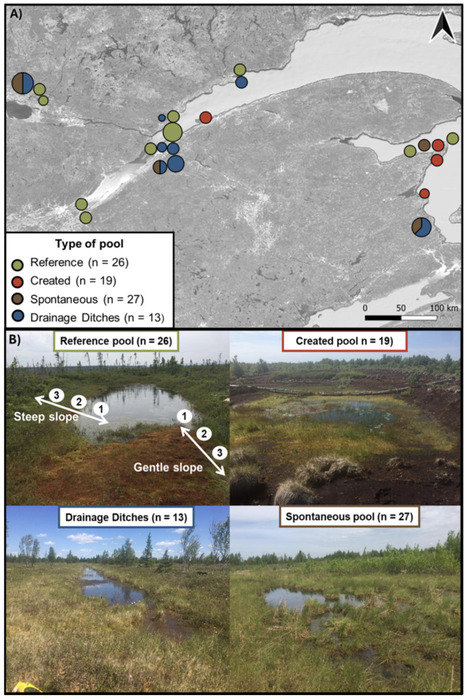
Peatland pools are crucial habitats for biodiversity, but peat extraction removes vegetation and drains sites, often eliminating pools. This study compared environmental conditions and vegetation in 59 pools from 14 restored Sphagnum peatlands (≥7 years post-restoration) with 26 pools from nine reference peatlands in Eastern Canada. We examined three restored pool types: (1) created pools, (2) spontaneous pools, and (3) open water in ditches. Pool type explained 19% of the variation in species composition, while regionality, morphology, and water chemistry accounted for 32%. Larger restored pools resembled reference pools morphologically and had higher dissolved organic carbon and nitrogen. Spontaneous pools exhibited elevated nitrogen (2.1 mg/L vs. 0.57 mg/L) and phosphorus (0.08 mg/L vs. 0.02 mg/L), and a higher pH that may favor non-target species, e.g., Typha latifolia. Reference pools had a uniform composition, comprising 20 associated species, whereas restored pools exhibited greater variability, reduced richness, and higher beta diversity. Post-restoration surveys emphasized the importance of deeper pools for water retention and chemical stability. Complementary measures, such as reintroducing typical pool species, are essential to ensure their establishment and enhance plant biodiversity in restored peatlands.
|
|
Scooped by
ulcriv
August 18, 2:25 PM
|
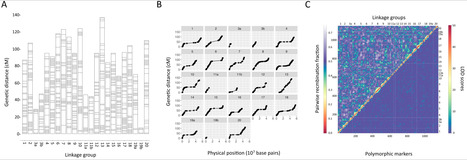
Due to the current prevalence and shift in virulence of Heterodera glycines, the soybean cyst nematode (SCN), there is a pressing need to find sustainable alternatives or complements to the commonly found Rhg1 and Rhg4 resistance loci. The objective of this study was to find novel quantitative trait loci (QTL) to expand the toolbox for SCN resistance. To do so, a population of recombinant inbred lines named QS13073 was generated from a biparental cross between an SCN-susceptible cultivar (S12-A5) and an SCN-resistant accession (PI 507354, also named Tokei 421). Using four mapping algorithms (SMA, ICIM, GCIM, and R/qtl2), seven loci, including rhg1a and Rhg4-a, involved in the resistance to SCN Hg type 5.7 were identified. To the best of our knowledge, two QTL (Chr.10-QTL and Chr.19-QTL) were novel, while three others (Chr.07-QTL, Chr.14-QTL, and Chr.20-QTL) were previously identified by other researchers. Based on statistical analyses, two loci, Chr.10-QTL and Chr.20-QTL, seemed to be partially viable alternatives to the rhg1a and Rhg4-a loci, as they were demonstrated to be effective in the Rhg1 and/or Rhg4 susceptible backgrounds. Using a four-step prediction pipeline, seven candidate genes (Glyma.07G196800, Glyma.07G199700, Glyma.07G203300, Glyma.07G206200, Glyma.14G019600, Glyma.14G025800, and Glyma.20G197600) were identified in the narrow regions of Chr.07-QTL, Chr.14-QTL, and Chr.20-QTL. Based on these predictions and a thorough literature review, we consider that Glyma.07G196800, Glyma.07G203300, and Glyma.07G206200 are the best candidates for Chr.07-QTL. In conclusion, our study strengthens our understanding of the genetic loci underlying SCN resistance and diversifies the single nucleotide polymorphism marker catalog currently available to breeders.
|
|
Scooped by
ulcriv
July 28, 5:41 PM
|
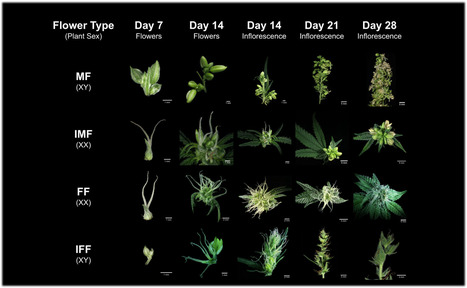
Cannabis sativa L. exhibits pronounced sexual plasticity in which both XX and XY plants can undergo floral phenotypic sex reversal in response to ethylene modulation, yet the underlying molecular mechanisms remain poorly defined. Here, we present the most extensive multi-omic analysis of ethylene-induced sex change in C. sativa to date, integrating over 130 RNA-seq libraries, ethylene pathway metabolite quantification, and whole-genome sequencing across three XX and XY genotypes. Treatments with silver thiosulfate and ethephon induced more than 80% phenotypic conversion, but transcriptomic responses diverged sharply between XX and XY plants. Profiling 47 ERGs revealed 14 high-confidence candidates, including CsACS1, CsACO5, CsERF1, and CsMTN, with sex-specific and temporal expression patterns that show dynamic ethylene mediation of plasticity. Early transcriptional activation occurred prior to the emergence of flowers, within 18 h of sex-change treatments and the photoperiod-induced transition to flowering. As opposite-sex floral tissues emerged, ethylene-related gene expression shifted accordingly within developing floral organs, with distinct sets of genes stabilizing the opposite-sex phenotype in XX and XY plants. Several candidates were located in non-recombining regions of the X chromosome or were absent from the Y chromosome, and most exhibited low nucleotide diversity, consistent with functional constraint. These results provide a high-resolution view of ethylene-responsive sexual plasticity in cannabis and show that the shared capacity for sex reversal in XX and XY plants is implemented through distinct regulatory trajectories that produce opposite-sex floral phenotypes. This work expands the mechanistic understanding of sex expression in dioecious species and identifies candidate genes relevant to the development of sex-stable cultivars.
|
|
Scooped by
ulcriv
July 28, 5:33 PM
|
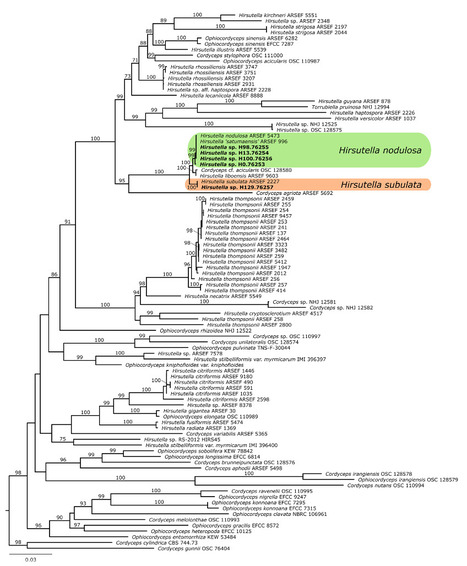
Effective control strategies are needed against Phytonemus pallidus Banks (Acari: Tarsonemidae), a major pest in strawberry worldwide. A total of 25 strawberry (Fragaria × Ananassa Duch.) fields in Québec were surveyed for the presence of P. pallidus naturally mycosed by entomopathogenic fungi (EPF) of the genus Hirsutella (Ascomycota: Sordariomycetes). Parameters such as management type (conventional versus organic), growing system (plastic mulch versus matted rows), and meteorological variables (temperature, precipitation, and relative humidity) were monitored to determine their possible impact on the presence of naturally mycosed P. pallidus. Naturally mycosed P. pallidus were observed on 17 of the sites sampled. The number and the proportion of naturally mycosed P. pallidus relative to their total number were influenced by meteorological variables, but not by management type or growing system. Two species, Hirsutella nodulosa and Hirsutella subulata, were identified on mycosed mites. H. nodulosa was previously reported in the province of Québec while H. subulata is reported in the literature for the first time in Canada. This also represents the first report of H. subulata on a mite. Evaluation of the distribution of these EPF combined with a better understanding of the factors contributing to the spread of mycosis among P. pallidus would enable the development of a conservation biological control strategy against this pest in strawberry fields.
|
|
Scooped by
ulcriv
July 28, 3:30 PM
|
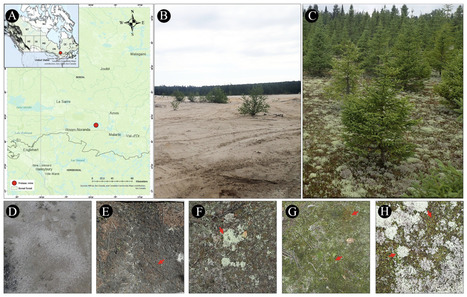
Mine tailings are inhospitable to plant establishment because of substrate instability, nutrient limitation, heavy metals, and temperature fluctuations at the soil surface. Biological soil crusts (biocrusts) and their associated microbial communities can initiate primary succession and facilitate plant–soil interactions, thereby supporting ecosystem recovery. Here, we characterized soil bacterial communities beneath biocrusts along a successional gradient in abandoned and rehabilitated molybdenum–bismuth mine tailings in Western Boreal Quebec. We collected 125 soil samples from bare soil, cyanobacterial-, chlorolichen-, and bryophyte-dominated biocrusts, as well as from a mixed bryophyte–lichen cover layer. Bacterial communities were assessed using amplicon sequencing (16S rRNA and nifH genes) and linked to soil physicochemical properties to infer functional potential. Soil pH, electrical-conductivity, and sulfur content were associated with bacterial diversity (distance-based redundancy analysis, R2 = 0.20, p < 0.01). Rehabilitated sites exhibited moderate relative abundances of Proteobacteria (6.9%), whereas Actinobacteriota prevailed in nutrient-poor abandoned sites (17.1%), consistent with oligotrophic adaptation. Additionally, functional potential from chemoheterotrophy in later stages was associated with sulfur-oxidation (Spearman’s ρ = 0.6, p < 0.05), with anoxygenic photoautotrophs potentially contributing to sulfur oxidation. Overall, our study indicates that bacterial communities may contribute to soil stabilization and could serve as key bioindicators of restoration success.
|
|
Scooped by
ulcriv
July 28, 11:30 AM
|
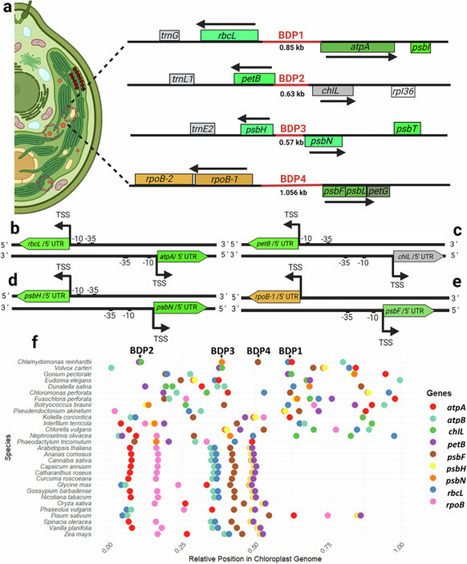
Chloroplasts offer significant potential for multigene engineering in microalgae, but the lack of well-characterized regulatory elements and limited understanding of plastid transcriptional mechanisms have hindered progress. Here, through a comparative conservation analysis across fifteen species of microalgae and higher plants, we identified bidirectional promoter (BDP) intergenic regions (IRs) showing diverse evolutionary trajectories, from lineage-specific rearrangements of atpA/rbcL (BDP1) and chlL/petB (BDP2), to strict conservation of the psbH/psbN IR (BDP3), and complete loss of rpoB-1/psbF (BDP4). Based on promoter signature analysis, we selected three candidate regions (BDP1, BDP2, and BDP3) from the Chlamydomonas reinhardtii chloroplast genome for functional characterization. A semi-rational screen revealed that BDP1 supports expression of two transgenes, mVenus and tdTomato in opposing orientations; BDP2 drives balanced expression, but low protein accumulation; and BDP3 exhibits minimal activity, suggesting UTR-dependent post-transcriptional regulation. Strikingly, methyl-jasmonate selectively enhanced tdTomato expression from BDP1, offering a chemical method to regulate chloroplast transgene expression. Collectively, these results underscore the evolutionary diversity and functional potential of natural BDPs, particularly BDP1, as powerful tools for multigene engineering and chemical modulation in microalgae and higher plants. This study also provides fundamental insights into chloroplast transcription, establishing a basis for future investigations into its regulatory mechanisms. Evolution-guided engineering of chloroplast bidirectional promoters enables tunable multigene co-expression in Chlamydomonas reinhardtii, revealing distinct transcriptional regulatory mechanisms and chemical modulation in the plastid.
|