Covering the last 90 days

Wellness

Wellness on Scoop.it is moving through the body and the mind at the same time. In the last 90 days, contributors have selected posts on chiropractic care, mobility, nutrition for recovery, meditation, stress and healthy aging, with chiropractic care standing out as the accelerating term.

The area spans 48 topics and 165 posts, fed by 30 curators. Some topics track clinical-style rehabilitation and functional medicine. Others gather meditation routines, emotional wellness, healthy foods, fitness, aging, skin care, massage and family wellbeing.

What is alive now is the practical turn. Meditation is being framed around anxiety, grief and daily routines. Food is being tied to injury recovery and energy. Movement loss is being treated as a health problem with consequences for work, sleep and everyday function.

Key figures

  • 48 topics
  • 30 curators
  • 586988 views
  • November 13, 2026 last activity

Cross-cutting issues

1

Can whole-body recovery stay precise enough to help?

Pain care is being widened to include movement, diet and causation, but the useful promise depends on keeping claims specific.

Chiropractic Rehabilitation for Relief From Migraines | Call: 915-850-0900 dralexjimenez.com

Chiropractic + Wellness brings the clearest clinical frame: headache, migraine, muscle pain and personal injury posts are presented through causation, relief and rehabilitation rather than one-off symptom control. That makes pain a question of history, function and evidence, not just discomfort.

Diet and Supplements extends the frame by tying omega-3s to healing outcomes in chiropractic rehabilitation. The point is not that a supplement replaces care, but that recovery is being described as a system in which inflammation, tissue repair and nutrition all matter.

Mobility & Flexibility - Joint Movement adds the functional test. Posts about spine examinations after car accidents and joint movement after repetitive load turn recovery into something measurable over time: how people move, work and regain everyday capacity.

The risk in this convergence is overreach. The strongest material is careful when it links pain, movement and diet to rehabilitation plans; the weaker temptation is to make every symptom sound like proof of a whole-body problem.

Further reading

2

Food is being treated as recovery support, not just lifestyle advice

Nutrition coverage is moving toward injury recovery, energy stability and symptom tracking, with a useful tension between personalization and overclaiming.

Less Pain, Better Sleep, More Movement: How Healthy Foods Support Recovery After an Accident | Call 915-850-0900 or 915-412-6677 healthcoach.clinic

Healthy Foods approaches meals as part of recovery behavior. One accident-recovery post links healthy meals, protein, hydration, sleep and gradual movement to rebuilding daily function, while posts on long shifts and the mid-afternoon energy dip focus on practical meal timing and protein plates.

Diet and Supplements adds a more clinical layer. Lab testing is described as a way to spot nutritional deficiencies, inflammation and metabolic imbalances that may slow injury recovery, while another post connects gut-brain-spine nutrition with neck-injury healing and inflammation control.

The topic also shows restraint. A post on cramps warns that a banana, gummy or powder does not automatically explain or solve a calf that locks after work, and that supplements should match a real gap rather than displace prescribed medicine.

Functional wellness here is less about ideal eating and more about timing, adequacy and evidence. The recurring idea is that food supports care when it is connected to symptoms, recovery goals and the realities of work and sleep.

Further reading

3

Meditation is becoming a coping toolkit for ordinary crises

Recent meditation posts make the practice more concrete, linking it to anxiety, grief, daily routine and signs of personal growth.

How Stress Management Meditation Can Help Calm Your Mind justpaste.it

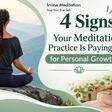
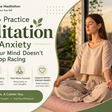
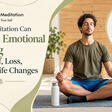
Irvine Meditation treats meditation as a tool for specific moments: stress, racing thoughts, grief, major life changes and everyday anxiety. Its posts are less about abstract calm and more about what a person does when the mind will not settle.

Meditation Practices supplies the routine-building side. Posts on getting better at meditation and what can happen with daily practice put consistency at the center, turning meditation from a single coping exercise into a habit that can be repeated and assessed.

The convergence matters because it broadens the audience. Someone arriving through anxiety, someone trying to handle grief, and someone building a daily spiritual routine are being offered different doors into the same practice.

The best signal in this cluster is practicality. Progress is framed through signs a practice is paying off, routines that last, and techniques for staying with meditation when thoughts keep moving.

Further reading

4

Movement loss is being recast as a treatable health issue

Mobility posts increasingly describe restricted movement as a medical and rehabilitation problem, not only a fitness setback.

A Rest Weekend Does Not Restore Joint Movement After Repetitive Load | Call 915-850-0900 chiropracticscientist.com

Mobility & Flexibility - Joint Movement carries the strongest shift in language. Repetitive load, car accidents, tendinopathy, chronic pain and healthy aging are all framed as movement problems that may need assessment and treatment, not just rest or willpower.

Chiropractic + Wellness reinforces that shift with posts on gluteus medius tendinopathy, adductor tendinopathy and carpal tunnel syndrome. These pieces present chiropractic rehabilitation as a route back to strength, flexibility and function.

The care menu is broad. Posts mention percutaneous tenotomy for chronic tendinopathy, battlefield acupuncture for acute and chronic pain relief, and BHRT in relation to stiffness and healthy aging. They show how mobility coverage now mixes rehabilitation, procedures, pain relief and aging language.

That breadth is why the trend needs close reading. The useful theme is that movement loss affects work and daily life; the editorial challenge is separating functional assessment from expansive wellness claims around every stiffness or ache.

Further reading

Curators to follow

  • Dr. Alex Jimenez DC, APRN, FNP, IFMCP, CFMP

    Tracks chiropractic, mobility, nutrition and recovery posts, often linking pain, function, diet and rehabilitation in patient-centered care frames.

  • American Institute Health Care Professionals

    Follows stress-management education and meditation practice, with posts on resilience, workplace stress, students, anxiety and training resources.

  • Irvine Meditation

    Gathers meditation guidance focused on stress, anxiety, grief, inner peace, personal growth and daily routine-building.

Frequently asked questions

What wellness themes are most active right now?

Recent wellness activity is strongest around chiropractic care, mobility, nutrition for recovery, meditation and stress. The last 90 days include 165 posts across 48 topics, with an accelerating term around chiropractic care and repeated attention to movement, pain, diet, anxiety and healthy routines.

Is nutrition covered as more than weight loss?

Yes. Several topics connect food to recovery after accidents, long shifts, cramps, hormonal support and neck injuries. The material treats nutrition as support for energy, sleep, inflammation and tissue repair, while also warning that supplements should match real gaps rather than serve as quick fixes.

How is meditation presented in these wellness topics?

Meditation appears as a practical coping method for stress, anxiety, grief and everyday mental overload. Some posts focus on building a lasting daily routine, while others look at signs that practice is helping. The shared emphasis is consistency and usefulness in difficult moments.

Why does stress matter in this category?

Stress is covered through personal resilience, exam pressure, anxiety, workplace triggers and leadership’s role in emotional climate. The supplied stress angle could not stand as a cross-topic section because its backing posts came from one topic, but the topic itself remains active and central to wellness.

How do chiropractic care and mobility fit into wellness?

Chiropractic and mobility posts overlap around pain, tendinopathy, carpal tunnel syndrome, headaches, repetitive load and injury recovery. The shared frame is function: how people move, work, sleep and return to daily activity. Nutrition and supplements sometimes enter as additional support for rehabilitation.

Most quoted sources

  • dralexjimenez.com 5
  • medium.com 3
  • greatergood.berkeley.edu 3
  • theage.com.au 2
  • healthcoach.clinic 2
  • chiropracticscientist.com 2
  • wellnessdoctorrx.com 2
  • agisunflowerventures.com 2
  • medicalxpress.com 2
  • nbcnews.com 2

On the rise

  • chiropractic care 7

This page was written by an AI from the public curation of Scoop.it topics. The posts, topics and curators it cites are real and linked directly.

Updated on November 13, 2026