 Your new post is loading...

|
Scooped by
Gilbert C FAURE
May 29, 2015 8:21 AM
|
The TOP 10% information you need!
The scoops deal with published (classical or OPEN) and grey literature (blogs, websites, social networks, press releases) allowing rapid access to recently published relevant information May 29, 2015 you were 26796 visitors, viewing this topic 34.5K times., 4900 scoops May 2025: >8.2K scoops, >98.2 visitors, >177,8 views
|
|
Scooped by
Gilbert C FAURE
July 15, 8:37 AM
|
As a clinician caring for people living with HIV and patients with inherited immunodeficiencies, I have little doubt that physical activity benefits the immune system. But beyond clinical intuition, what does the science actually tell us?
In an era where social media constantly promotes "scientific evidence" about exercise and healthy aging—often without citing any sources—it is refreshing to read a rigorous review of the field.
A recent review published in Immunity reminds us that exercise is far more than a way to burn calories: it is a powerful immune modulator.
Some key take-home messages:
• A single exercise session rapidly mobilizes NK cells, CD8 T cells, monocytes and dendritic cells, enhancing immune surveillance.
• Skeletal muscle acts as an endocrine organ, releasing "exerkines" (including IL-6), metabolites and other mediators that shape immune responses.
• The greatest benefits come from regular moderate exercise, which reduces chronic inflammation, improves immune surveillance and even remodels hematopoiesis.
• As always, dose matters. Moderate exercise strengthens immunity, whereas excessive training may transiently increase susceptibility to infection.
Perhaps the most exciting perspective is the development of exercise mimetics or exerkine-based therapies for patients unable to exercise.
This review is an excellent reminder that exercise should not be viewed as a miracle cure, but as a genuine immunological intervention whose mechanisms are increasingly understood—and whose clinical implications may extend far beyond sports medicine.
https://lnkd.in/eNGTZgdx
#Immunology #Exercise #ExerciseImmunology #HealthyAging #Inflammation #HIV #PrimaryImmunodeficiency
|
|
Scooped by
Gilbert C FAURE
July 11, 11:03 AM
|
Regulatory T cells do more than suppress immunity—they actively coordinate tissue repair, infectious tolerance, and immune homeostasis.
This emerging view of Tregs as adaptive “living drugs” could reshape treatment strategies across autoimmunity, transplantation, neurodegeneration, and inflammatory disease.
Read more and download the article in Frontiers in Science ⬇️
|
|
Scooped by
Gilbert C FAURE
July 9, 3:54 AM
|
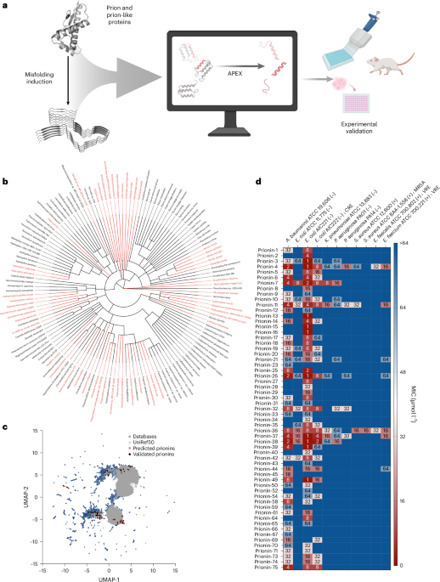
Prion and prion-like proteins are classically associated with protein misfolding, but amyloidogenic sequences can also participate in host defence. Here, using deep learning, we screened 19.3 million fragments from 2,897 curated prion-related proteins and identified 1,179 candidate antimicrobial peptides, which we term prionins. Among 75 synthesized prionins, 59 inhibited bacterial pathogens, 53 perturbed membranes and 2 reduced Acinetobacter baumannii infection burden in mice. Deep learning reveals that prion-related proteins contain hidden ‘prionin’ peptides with antibacterial activity, including two candidates that reduced infections in mice.
|
|
Scooped by
Gilbert C FAURE
July 6, 7:43 AM
|
Engineered regulatory T cells are expanding the possibilities for precision immune tolerance therapies.
Advances in CAR-Tregs, tissue targeting, and lineage stabilization could improve how immune regulation is directed and sustained in inflammatory disease.
Read and download article on the future of Treg-based therapies in Frontiers in Science ⬇️
|
|
Scooped by
Gilbert C FAURE
July 5, 9:08 AM
|
Spotlight on Innate Immune Memory
|
|
Scooped by
Gilbert C FAURE
June 21, 5:33 AM
|
|
|
Scooped by
Gilbert C FAURE
June 18, 10:12 AM
|
🧬 New paper alert — just published in Nature Communications!
How does the immune system change from infancy to extreme old age? We built a comprehensive single cell atlas of PBMCs across the human lifespan - from 2 months to 105 years (n=167) - to find out.
🔍 Key findings:
💡 Infant PBMCs are strikingly distinct from those of children and adults
💡 Infants show elevated ISG high CD4⁺ T cells constitutively expressing interferon-stimulated genes (e.g., ISG15), even without recent infection or vaccination, suggesting a pre-activated antiviral state
💡 Elevated frequencies of SOX4⁺ naïve conventional and γδ T cells in infants
💡 In the oldest old (85 to 105 years), increased proportions of TEMRA cells, adaptive NK cells, and KLRF1⁺ γδ T cells
🧭 Together, this atlas provides a detailed map of immune dynamics across the full human lifespan, with unique features of the infant immune system.
🆕 Starting in September, I will be building on this work in my own lab at Emory University School of Medicine, in the Department of Pathology & Laboratory Medicine. We are actively recruiting, if you are interested in joining or learning more, please reach out!
🙏 Huge thanks to all co-authors, especially Duygu Ucar, PhD (JAX), Jacques Banchereau, Octavio Ramilo (St. Jude), Virginia Pascual (WCM), and George Kuchel (UConn Health).
📂 Scripts: here https://lnkd.in/eaM8z6gh
📊 Processed data (GEO): GSE233321 — https://lnkd.in/eNUA_tii
📁 FASTQ files (dbGaP): phs003259.v1.p1
📄 Read the open-access paper: https://lnkd.in/g279VXG5
|
|
Scooped by
Gilbert C FAURE
June 16, 11:42 AM
|
Excited to share our "everything you ever wanted to know about IL-17 signaling (and more)" review, out in Science Immunology.
https://lnkd.in/ePTMGCFa
|
|
Scooped by
Gilbert C FAURE
June 13, 11:57 AM
|
Migration Cellulaire : Le Tourbillon des Macrophages 🐸
Ce que vous voyez à l’écran est une exploration fascinante du mouvement cellulaire chez l'embryon de grenouille. Ces macrophage
|
|
Scooped by
Gilbert C FAURE
June 12, 2:39 AM
|
A comprehensive pan-cancer atlas has revealed how diverse tumor-associated macrophage subtypes promote tumor growth, immune suppression, and metastasis through interactions within the tumor microenvironment.
📖 Read the study: https://lnkd.in/eyU4MF_M
🔊 Listen to the discussion: https://bit.ly/4o7wbx9
|
|
Scooped by
Gilbert C FAURE
June 10, 7:37 AM
|
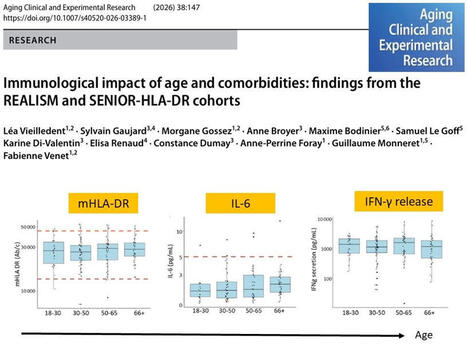
Immunosenescence revisited: from immune decline to immune remodeling through immune resilience and precision assessment of inflammaging.
=> Very informative study that helps improve the interpretation of immune parameters in ICU patients, who are often of advanced age, particularly in the context of sepsis.
=> Measurements of mHLA-DR, lymphocyte subsets, IFN-γ release, IL-6, CRP, and immature neutrophils in two cohorts of elderly subjects (with and without comorbidities) did not reveal major immune impairments. These findings suggest that immunosenescence, although supported by substantial evidence, remains difficult to capture at the individual level using currently available immune biomarkers.
It’s here: https://lnkd.in/dSFUzgja
|
|
Scooped by
Gilbert C FAURE
June 6, 2:28 AM
|
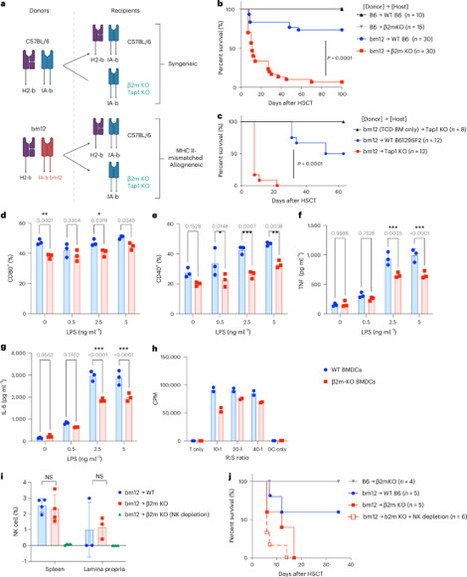
The Immune System’s Greatest Plot Twist: When Losing MHC Class I Makes Cancer Cells More Vulnerable
For decades, immunology textbooks have taught a simple rule: MHC class I talks to CD8+ T cells. MHC class II talks to CD4+ T cells. End of story. But nature, as always, had other plans. In a stunning discovery published in Nature Immunology, researchers have flipped this paradigm on its head—showing that when target cells lose MHC class I, they become more susceptible to CD4+ T cell attack, not less. Think of it as a burglar cutting the alarm wires, only to accidentally trigger a much deadlier silent alarm.
The team found that MHC I-deficient cells—whether gut cells during graft-versus-host disease or melanoma cells—are exquisitely sensitive to a fiery, iron-dependent form of cell death called ferroptosis. The mechanism is beautifully counterintuitive: without MHC I, cells become hyper-responsive to IFNγ signaling, ramping up lipid peroxidation and iron metabolism pathways that make them prime targets for CD4+ T cell-mediated destruction. In mouse models, MHC I-deficient tumors regressed significantly more when treated with tumor-specific CD4+ T cells. And in human melanoma and colon cancer datasets, patients with low MHC I expression but high CD4+ T cell infiltration had dramatically better survival on immune checkpoint therapy.
This isn't just a cool biology story—it's a potential game-changer for immunotherapy. Tumors that downregulate MHC I to escape CD8+ T cells (classic "immune cold" tumors) might actually be primed for CD4+ T cell attack. The authors suggest that we could design therapies to actively leverage this vulnerability, turning a common escape mechanism into an Achilles' heel. Whether in cancer, transplantation, or infectious disease, this work rewrites the rulebook on how MHC I shapes immune recognition. Sometimes, the best defense… is losing your armor.
#Immunology #CancerResearch #MHCClassI #CD4TCells #Ferroptosis #Immunotherapy #ParadigmShift #NatureImmunology #GVHD #CheckpointInhibitors
https://lnkd.in/gWFySUWm
|
|
|
Scooped by
Gilbert C FAURE
July 17, 9:17 AM
|
A specialized dendritic cell appears to be essential for building and maintaining tertiary lymphoid structures inside tumors. These local immune hubs bring together T cells and B cells and help sustain antitumor activity within the tumor itself. Exactly how these structures eliminate tumors still needs more study, but the finding points to a more precise target for improving immunotherapy.
|
|
Scooped by
Gilbert C FAURE
July 15, 8:36 AM
|
The challenge and promise of studying human antigen-specific T cells - Nature Reviews Immunology
|
|
Scooped by
Gilbert C FAURE
July 9, 8:36 AM
|
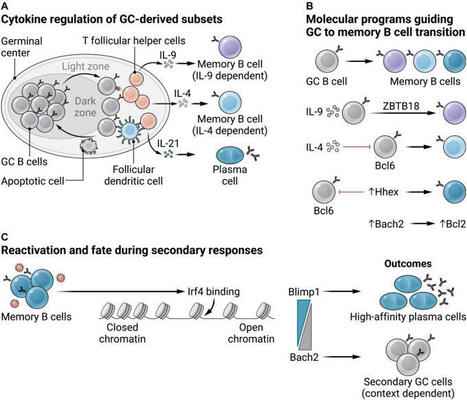
Molecular and tissue regulation of memory B cells
The authors review how memory B cells develop, adapt to tissues, and support durable immunity.
- Memory B cells underpin the capacity of the immune system to confer durable protective immunity by mounting rapid and enhanced secondary antibody responses. Hence, they are central to vaccine efficacy and to limiting long-term tissue damage after reinfection.
- Memory B cells can arise through multiple developmental pathways and may either recirculate or establish residence in distinct tissues. As a result, the memory B cell compartment is phenotypically and molecularly heterogeneous.
- Leveraging memory B cells in new clinical strategies requires a more complete definition of the functional capabilities of memory B cell subsets as well as further understanding of their molecular programs.
- Advances in the identification of humoral biomarkers have improved our ability to track memory B cell responses but have also underscored unresolved challenges, such as distinguishing disease-associated memory B cell signatures from those generated during productive antiviral immunity.
- Key outstanding questions include determining whether memory B cells remain functionally competent in chronic inflammatory or infectious contexts and, when impairment occurs, whether these cells can be reprogrammed to restore effective immune memory.
https://lnkd.in/eRF9erw8
#immunology #Bcells #science #immunity
|
|
Scooped by
Gilbert C FAURE
July 7, 9:21 AM
|
This was a lot of fun to write. A review on how advances in technology have consistently revised and deepened our understanding of T cell memory: What it is comprised of, how it is established and how it persists. Thanks to my coauthors Nicole La Gruta and Daniel T., Monash University, and to Seth Thomas Scanlon and Christiana Fogg AAAS for all the help, advice and reminders! #Tcellsarecool #Tcellmemory #monashBDI #MonashImmunology
|
|
Scooped by
Gilbert C FAURE
July 6, 7:39 AM
|
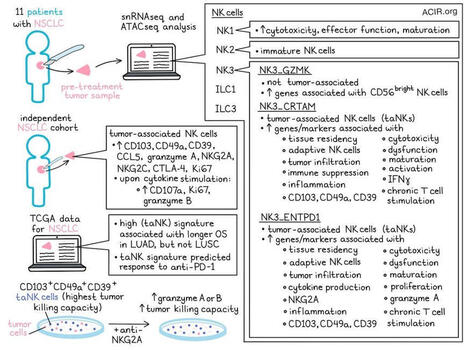
Advanced imaging and tracking techniques are needed to observe complex and dynamic immune interactions during viral infections, disease progression and therapeutic interventions. Traditional post-mortem ex vivo imaging techniques, such as immunohistochemistry coupled with microscopy on tissue samples, can only investigate static specimens and therefore fail to capture the dynamic nature of the immune system. By contrast, real-time, non-invasive and cellular-level in vivo imaging can enhance our understanding of immune-cell dynamics and aid the development of effective therapeutics and vaccines for cancer and infectious diseases. In this Review, we discuss modalities for molecular imaging of the immune system, with an emphasis on in vivo imaging techniques. We focus on advances in near-infrared II (NIR-II) fluorescence imaging of the immune system capable of low phototoxicity, high-resolution and non-invasive imaging with millimetre-scale tissue penetration. Finally, we discuss how challenges such as limited depth and multiplexing analysis may be addressed by integrating NIR-II modalities with existing imaging techniques, such as MRI and by applying artificial intelligence-driven automated multiplexed image analysis, advancing NIR-II imaging for immunological research and its potential translation to clinical settings. Immune interactions are complex, dynamic and difficult to capture using static imaging modalities on in vitro or ex vivo tissue cultures. In this Review, the authors discuss techniques for in vivo imaging of the immune system including one-photon near-infrared II fluorescence and two-photon and multiphoton microscopy for longitudinal tracking of immune cells, as well as a translational path that integrates near-infrared II, positron-emission tomography or MRI and artificial intelligence-enabled analysis towards quantitative, clinically compatible, multimodal immuno-imaging.
|
|
Scooped by
Gilbert C FAURE
June 22, 5:59 AM
|
Bref manifeste de cardio-immunologie - version 2.0 🔬❤️Overview :
Nous continuons à enseigner la médecine par organes.
Le vivant, lui, ne l’a jamais compris.
L’inflammation ne connaît pas les frontières académiques. Elle circule entre les disciplines avec une liberté déconcertante : cardiologie, immunologie, médecine générale.
Pourtant, nous persistons souvent à penser en silos.
Le cœur n’est pas seulement une pompe.
Le système immunitaire n’est pas seulement un mécanisme de défense.
Ils dialoguent en permanence.
Le XXIe siècle ne sera probablement pas celui des spécialités isolées, mais celui de leurs interfaces.
C’est cette conviction qui m’a conduit à me former successivement en imagerie cardiovasculaire non invasive auprès du Professeur Ariel Cohen et du Docteur Laurie Soulat-Dufour, puis en immunologie auprès du Professeur Makoto Miyara et du Docteur Michelle Rosenzwajg.
Je tiens également à remercier le Docteur Pierre F. Sabouret qui, bien avant que cette réflexion ne prenne forme, a su reconnaître mon intérêt pour la cardiologie et m’encourager à l’approfondir.
À mesure que ces deux univers se rapprochaient, une évidence s’imposait : la cardio-immunologie ne constitue pas simplement un champ d’étude émergent. Elle offre une nouvelle manière de penser la maladie cardiovasculaire.
J’ai donc entrepris la rédaction d’un bref manifeste de cardio-immunologie.
5 parties.
20 chapitres.
236 références.
Non comme un point d’arrivée.
Comme une invitation à explorer un territoire encore largement sous-cartographié.
✍️
https://lnkd.in/eF8XxYCz
|
|
Scooped by
Gilbert C FAURE
June 20, 8:08 AM
|
Aging is increasingly viewed as an organism-wide process marked by systemic decline and multimorbidity. This Review frames immunosenescence as a context-dependent mediator, amplifier, or consequence of multi-organ dysfunction, integrating niche-centered mechanisms, bidirectional immune–organ...
|
|
Scooped by
Gilbert C FAURE
June 18, 10:10 AM
|
Thanks for your interest in our studies
|
|
Scooped by
Gilbert C FAURE
June 16, 4:24 AM
|
Lopez-Otin C, et al. Hallmarks of aging: an expanding universe. Cell. 2023;186(2):243–278.View this article via: CrossRef PubMed Google Scholar Lynch HE, et al. Thymic involution and immune reconstitution. Trends Immunol.
|
|
Scooped by
Gilbert C FAURE
June 12, 12:59 PM
|
Tertiary lymphoid structures (TLSs) form local immune hubs inside tumors, but they are diverse and not all are equally functional.
In a new Science study, researchers built a pan-cancer atlas and developed an #AI–based framework to detect and characterize TLSs in human tumors.
The study provides insights into TLS biology and may offer a path toward integrating TLS features into future clinical trials.
Learn more: https://scim.ag/49uFVM2
|
|
Scooped by
Gilbert C FAURE
June 10, 10:43 AM
|
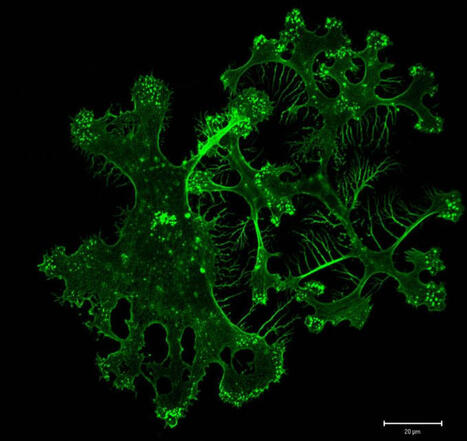
🧠 The Immune System's Master Messenger 📱
This image captures a primary human dendritic cell, one of the most important coordinators of the immune response.
With its intricate, tree-like extensions reaching in every direction, a dendritic cell is constantly sampling its environment for signs of infection, cancer, or tissue damage. Once it detects a threat, it processes that information and presents it to T cells, effectively teaching the immune system what to attack.
Think of dendritic cells as the intelligence officers of immunity: they don't do most of the fighting themselves, but they decide when and where the battle begins.
🔬 These cells play a central role in:
- Activating adaptive immune responses
- Cancer immunotherapy research
- Vaccine development
- Autoimmune disease studies
At just a few tens of microns across, this single cell is responsible for helping orchestrate some of the most complex biological decisions in the human body.
Image credit: Dr. Karla Daniels 📸
#Immunology #CellBiology #Microscopy | 11 comments on LinkedIn
|
|
Scooped by
Gilbert C FAURE
June 8, 4:08 AM
|
|
|
Scooped by
Gilbert C FAURE
June 5, 1:18 PM
|
This morning I received an email pointing out that i was ranked 24th in a world -wide compilation of scientists working in immunology. Wow! I am amazed..Thanks to all colleagues that joined in the various investigations in all this years...
https://lnkd.in/g448fND6| 20 commentaires sur LinkedIn
|




















This topic is focusing mainly on fundamental systemic immunology.
Some subjects are particularly adressed, according to my personal interests in research or teaching, for instance
Lymph node
https://www.scoop.it/topic/immunology?q=lymph+node
200 selected posts on Covid
https://www.scoop.it/topic/immunology?q=covid
Use the search engine (filters) on top right with #tags or simply natural language
Feel free to browse other related topics!
Mucosal Immunity:
http://www.scoop.it/t/mucosal-immunity
Immunology and Biotherapies
http://www.scoop.it/t/immunology-and-biotherapies
Autoimmunity
http://www.scoop.it/t/autoimmunity
Allergy and clinical immunology:
http://www.scoop.it/t/allergy-and-clinical-immunology
History of Immunology
http://www.scoop.it/t/history-of-immunology
and more recently
Fake News and Vaccinations
https://www.scoop.it/topic/assim-actualites