
From
www


|
Scooped by
Gilbert C FAURE
onto Immunology June 21, 5:33 AM
|
 Scoop.it!

 Your new post is loading...
 Your new post is loading...
Your new post is loading...
Scoop.it!
|
|
|
Scooped by
Gilbert C FAURE
August 22, 3:26 AM
|
Scoop.it!

A 2025 #ScienceReview offers an overview of recent research that reveals the immune system not only defends the body but also actively shapes and supports various life-sustaining processes through dynamic, reciprocal interactions with other physiological systems.
Learn more: https://scim.ag/3U56F0v #ScienceMagArchives
|
|
Scooped by
Gilbert C FAURE
August 20, 3:07 AM
|
Scoop.it!

The intricate balance of immune reactions towards invading pathogens and immune tolerance towards self is pivotal in preventing autoimmune diseases, wit
|
|
Scooped by
Gilbert C FAURE
August 19, 10:17 AM
|
Scoop.it!

The recent Executive Order on childhood vaccines promotes narratives that are not supported by the weight of scientific evidence and will make it harder for families to protect their children against preventable diseases, illnesses, and death.
AAI opposes the Executive Order and has released a statement addressing five key points:
1. Splitting the MMR vaccine increases, rather than reduces, the total number of vaccine doses
2. More visits to the doctor mean greater costs and barriers for families
3. The Executive Order creates complexity without demonstrated benefit
4. The suggestion that children receive "too many vaccines" misrepresents the science
5. The Executive Order reinforces longstanding misinformation about vaccine safety
Parents deserve accurate information grounded in rigorous science to protect their children. AAI continues to support the childhood vaccines and immunization schedule recommended by the American Academy of Pediatrics.
🔗 Read the full AAI Statement here: https://ow.ly/Q8Rh50ZAzzA
|
|
Scooped by
Gilbert C FAURE
August 19, 3:12 AM
|
Scoop.it!

One of the biggest threats to human wellbeing are viral infections and the resistance these viruses are able to develop against the human immune system.
It is not for luck that humans among other mammals have been able to survive millions of years always becoming more adaptable and developing new means of resistance towards parasites.
Scietists have found that much of our genetic material necessary for our immune system and the development of efficient resistance against viruses comes from ancient bacterial DNA. These shared forms of immunity include: cGAS–STING, inflammasomes, argonautes and viperin.
With viruses always mutating and developing new strands, one of the main healthcare emergencies is to develop new treatments against viral infections.
But how can you know your degree of immunity? To identify how your genetics may influence immune function, find vulnerabilities, and help you take action against pathogens, subscribe to ENAble —the startup working to create the branch between genetics and personalized health plans.
#Immunity #EnableDNA #GENETICS
#PersonalizedHealthPlan
https://lnkd.in/emyAf95s
|
|
Scooped by
Gilbert C FAURE
August 14, 9:51 AM
|
Scoop.it!

[SAB Voices] Making immunology more accessible starts with education 🧬
Immunology is transforming medicine. Yet for many students, it remains one of the most complex disciplines to master.
Professor Jean Daniel Lelièvre believes that needs to change.
As a physician, researcher and educator, he has spent his career helping bridge the gap between fundamental science and clinical practice. He also sees education as a key ingredient for the future of immunology, ensuring the next generation of clinicians and researchers can translate discoveries into better patient care.
This ambition is at the heart of MIB's commitment to education through initiatives such as ImmunoSkills, which bring together academia, research and industry to develop the skills needed for tomorrow's immunotherapies.
In this new SAB Voices article, Jean-Daniel Lelièvre discusses the expanding role of immunology across medicine, the importance of education, and why Marseille offers the right environment to train the next generation while accelerating research and innovation.
Read the full article 👇
|
|
Scooped by
Gilbert C FAURE
August 13, 9:52 AM
|
Scoop.it!
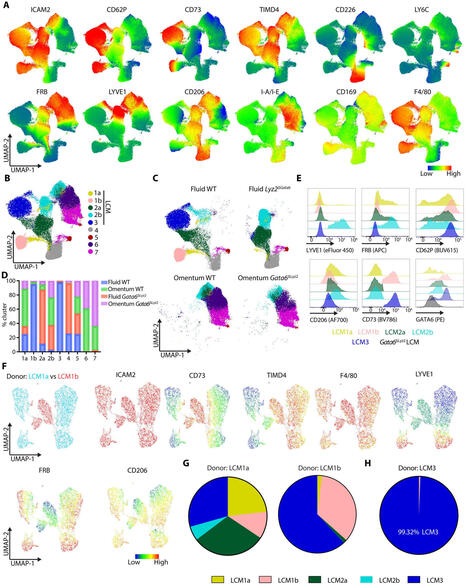
Researchers have uncovered previously unrecognised diversity in the way resident macrophages develop in the peritonea
|
|
Scooped by
Gilbert C FAURE
August 8, 10:41 AM
|
Scoop.it!

'Working in #immunology means living with contradictions about the biology of these cells. For instance, immune cell types carrying the same name, and that seem to be the same, can behave differently in vitro than in vivo, says Chamoto (of Center for Cancer Immunotherapy and Immunobiology CCII, Kyoto University ). The high level of heterogeneity of immune cells, he says, “is likely an eternal challenge in immunology.”'
https://lnkd.in/ge3aEaNY
|
|
Scooped by
Gilbert C FAURE
July 30, 3:17 AM
|
Scoop.it!
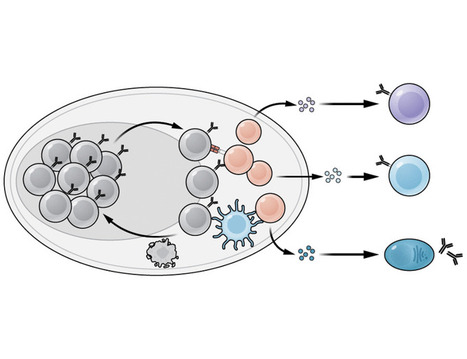
Molecular and tissue regulation of memory B cells
|
|
Scooped by
Gilbert C FAURE
July 21, 4:10 AM
|
Scoop.it!
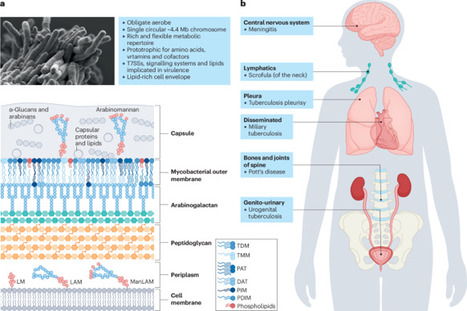
Since the release of the first Mycobacterium tuberculosis genome in 1998, major advances have been made in understanding the biology of this pathogen, the leading infectious cause of death in modern human history. In this Review, we outline the physiological and metabolic features thought to underpin the survival, evasion and subversion strategies employed by M. tuberculosis as it drives a cycle of transmission, infection and disease in its obligate human host. We also consider adaptations to key host innate immune effectors, including the roles of granulocytes, phagosomal damage and repair, autophagy and cell death in determining host–mycobacterium outcomes. Given the increasing awareness of the importance of asymptomatic M. tuberculosis infection and transmission, we advocate for the need to ensure greater intersection between laboratory and clinical research, taking into account the environmental context in which natural infection and disease occur. We identify knowledge gaps in the field and reflect on the opportunities and challenges for integrating host, bacterium and environment into future investigations to inform intervention strategies to control tuberculosis disease. In this Review, Warner, Barczak, Gutierrez and Mizrahi explore essential aspects of Mycobacterium tuberculosis physiology and biology, present recent advances related to its pathogenesis, metabolism and immune evasion mechanisms, and propose future directions for research.
|
|
Scooped by
Gilbert C FAURE
August 22, 3:43 AM
|
Scoop.it!

After three years of collaboration with educators and immunologists from across the country, I'm excited to share the publication of our article in ImmunoHorizons: "Status of Immunology Education and Establishment of AAI-Recommended Immunology Content Guidelines for Undergraduate Medical Education in the U.S.A."
As co-chair (alongside Nicholas Pullen) of the American Association of Immunologists (AAI) task force that led this initiative, I am proud to see this work come to fruition. Our goal was to assess the current landscape of immunology education and establish evidence-informed recommendations for the immunology content taught in U.S. medical schools.
In an era when immunology underpins advances in infectious disease, cancer immunotherapy, autoimmunity, transplantation, and vaccines, ensuring strong foundational training for future physicians has never been more important.
Read the article here: https://lnkd.in/gcv9JSJ8
Thank you to all of the collaborators, educators, and contributors who made this work possible Nicholas Pullen Scott Thompson Vijaya Knight (Nagabhushanam) Justin Andrews Michelle Swanson-Mungerson Pooja Jain Jennifer Grier Andrea Bottaro Yuan Zhao Tim Bauler - we did it team!
#Immunology #MedicalEducation #MedicalSchool #ScienceCommunication
|
|
Scooped by
Gilbert C FAURE
August 21, 11:55 AM
|
Scoop.it!

🔬 Why aren't T cells used more often as correlates of protection?
Correlates of protection are measurable biomarkers that can reliably predict protection against infection or disease. T cells have been identified as correlates of protection in a number of infectious diseases, yet they remain underutilised compared with antibody-based measures. As previously highlighted in npj Vaccines:
"T-cell assays are generally harder to perform and to standardise, contributing to a scarcity of T-cell data relative to antibody data in the correlates field." 🔗 https://rdcu.be/fvs1V
⚙️ Scaling up T cell testing
Addressing this challenge is exactly why ImmunoServ developed the Immuno-T® assay: a simple, scalable and standardisable approach to measuring antigen-specific T cell responses.
🌍 Real-world impact
During the COVID-19 pandemic, Immuno-T® helped generate key insights into both natural immunity and vaccine-induced immune responses.
🔭 Looking ahead
We're now developing and evaluating Immuno-T® test kits for a range of infectious diseases, including:
✅ Seasonal influenza
✅ Avian influenza (bird flu)
✅ Group A Streptococcus (Strep A)
🤝 Interested in a bespoke solution?
If you're investigating correlates of protection and need a reliable way to measure T cell immunity, we'd love to discuss how a bespoke Immuno-T® assay could support your research programme.
|
|
Scooped by
Gilbert C FAURE
August 19, 10:55 AM
|
Scoop.it!

Ever wondered why vertebrates developed an adaptive immune system when invertebrates do pretty well without one?
Caetano Reis e Sousa argues that just because adaptive immunity is now crucial for protection against infection in vertebrates, we shouldn't assume that was its original function.
https://rdcu.be/fAz5L
|
|
Scooped by
Gilbert C FAURE
August 19, 4:06 AM
|
Scoop.it!

Macrophages are essential components of the innate immune system and have crucial roles in host defence, tissue homeostasis and inflammation. Embryonic macrophages are specialized populations of macrophages that arise early during development and contribute to tissue organization, immune system development and homeostasis. These cells originate from yolk sac and fetal liver progenitors and colonize various tissues during embryogenesis, becoming long-lived tissue-resident macrophages. In the embryo, macrophages are involved in a wide range of developmental processes, including the clearance of apoptotic cells, regulation of organogenesis and establishment of tissue integrity. They are also pivotal in the early establishment of immune tolerance and in the development of the fetal haematopoietic and immune systems. Plenty of literature covers the role of yolk sac-derived macrophages in adult tissues, whereas less is known about their functions in the embryo itself. This Review highlights our emerging understanding of embryonic macrophages, their origin and their roles in organogenesis and development in mice and humans. This Review discusses the origins and roles of macrophages in embryonic development. The authors highlight the importance of macrophages for development of the haematopoietic and immune systems and for the establishment of immune tolerance in early life.
|
|
Scooped by
Gilbert C FAURE
August 17, 4:40 AM
|
Scoop.it!
![[SAB Voices] "Immunology is everywhere." 🧬 For Professor Jean Daniel Lelièvre , immunology is no longer confined to infectious diseases or rare immune disorders. From metabolic diseases to cance... | Immunology | Scoop.it](https://img.scoop.it/Vhy76K9OUjRd_jlpYlKonTl72eJkfbmt4t8yenImKBVvK0kTmF0xjctABnaLJIm9)
[SAB Voices] "Immunology is everywhere." 🧬
For Professor Jean Daniel Lelièvre , immunology is no longer confined to infectious diseases or rare immune disorders.
From metabolic diseases to cancer and chronic inflammation, it provides a new lens to understand how many diseases develop, and how they can be treated.
In this new episode of SAB Voices, he explains why Marseille already has the scientific, clinical and academic ecosystem needed to make the Marseille Immunology Biocluster a success.
Watch the video to hear his perspective on the growing role of immunology in medicine. 👇
Follow the SAB Voices series to hear from the experts helping shape the future of immunology.
|
|
Scooped by
Gilbert C FAURE
August 10, 4:06 AM
|
Scoop.it!

Increased TRAILshort expression is linked to infectious viral diseases and cancer. We previously identified TRAILshort as a dominant-negative TRAIL receptor ligand that confers resistance to full-length TRAIL-induced apoptosis, which is detected in HIV-infected cell cultures and plasma from HIV+...
|
|
Scooped by
Gilbert C FAURE
August 8, 10:37 AM
|
Scoop.it!

What Fan et al. discovered
This paper shows something even more surprising.
Macrophages can obtain cytosolic proteins from living cells
without
-> killing the cell
-> inducing apoptosis
-> engulfing the cell
-> relying on classical phagocytosis
Instead, they remove extremely tiny vesicles from living cells.
While
-> The donor cell remains alive.
Antigen uptake: Breaking convention Subscribe to RSS feed
Yazmina Quintana-Perez; Livia Lacerda Mariano; Ana-Maria Lennon-Duménil
Trends in Immunology, Copyright © 2026 Elsevier Ltd
Article in Press : Corrected Proof
Original paper: Fan, A.C. et al. (2026) Submicrometre sampling of living cells by macrophages. Nature 654, 495–503
|
|
Scooped by
Gilbert C FAURE
August 1, 2:13 AM
|
Scoop.it!

New research from Trinity College Dublin is changing how scientists think about Alzheimer’s disease.
Researchers have discovered that microglia, the brain’s immune cells, do more than drive inflammation. They also help keep the brain’s electrical activity stable. When these cells were reduced in an Alzheimer’s model, brain activity became more abnormal and seizure-like episodes increased, suggesting that some experimental treatments could have unintended consequences.
The study, led by Dr Hugh Delaney with senior authors Prof Mark Cunningham (School of Medicine, Trinity College Dublin) and Prof colm cunningham (Trinity School Biochemistry and Immunology), highlights the complexity of Alzheimer’s disease and the importance of understanding the brain’s own protective mechanisms.
The findings suggest that future therapies should target harmful inflammation while preserving the beneficial roles these cells play in maintaining healthy brain function.
Published in the journal Brain, this research is an important step towards developing safer and more effective treatments for the more than 55 million people worldwide living with Alzheimer’s disease.
Congratulations to Hugh, Mark, Colm and all the Trinity researchers involved in this important work. To read the full article, click here: https://lnkd.in/dTAMwtnq
|
|
Scooped by
Gilbert C FAURE
July 22, 1:33 PM
|
Scoop.it!

Thymus-derived hormone may help suppress age-related inflammation
Researchers have now identified the thymus, a small organ behind the breastbone that plays a central role in immune system development, as a key player in inflammaging.
They discovered that thymulin, a hormone produced by the organ, keeps inflammation under control.
As we age, thymulin decreases and inflammation increases, allowing diseases like cancer to progress.
In older mice, increasing thymulin levels improved cancer survival and made immunotherapy more effective.
The study, funded by the National Institutes of Health, was just published in Nature Communications.
Source in comments.
|
|
Scooped by
Gilbert C FAURE
July 20, 10:46 AM
|
Scoop.it!

New Comment article summarising our increasing appreciation that tissue-resident macrophages are "evolutionarily conserved guardians of biological integrity".
Always a pleasure to work with Miriam Merad, MD, PhD
https://rdcu.be/fuwYL
|
|
Scooped by
Gilbert C FAURE
July 18, 7:30 AM
|
Scoop.it!

When do an embryo’s first immune cells appear?
The textbook answer: after gastrulation, once mesoderm forms. Our new preprint says that’s not the whole story.
In the annual killifish, we find neutrophils emerging before gastrulation even begins — before the ventral mesodermal tissue where these cells typically arise has formed.
Huge credit to Syd Sattler, who led this work, with substantial contributions from Nick Lammers and Sebastian Hriscu.
Preprint here: https://lnkd.in/gQifdFgJ | 33 comments on LinkedIn






