
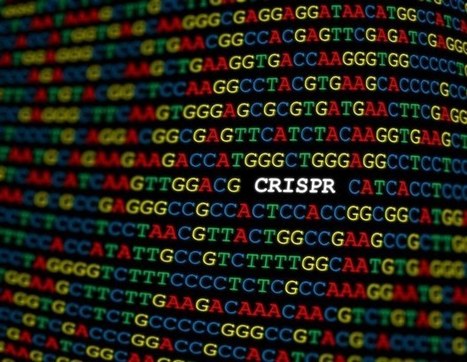
When a neuron in our body gets damaged, segments of RNA produce proteins that can help repair the injury.


|
Scooped by
BigField GEG Tech
onto Genetic Engineering Publications - GEG Tech top picks July 7, 2025 9:12 AM
|
 Scoop.it!
When a neuron in our body gets damaged, segments of RNA produce proteins that can help repair the injury.

 Your new post is loading...
 Your new post is loading...
Your new post is loading...
Scoop.it!
BigField GEG Tech's insight:
Conventional ex vivo CAR T-cell therapy is limited by complex manufacturing processes and the need for lymphodepleting chemotherapy. This phase 1 trial evaluated JY231, an off-the-shelf lentiviral vector designed for the direct in vivo generation of CD19-targeted CAR T cells. Sixteen adult patients with refractory neurological autoimmune disorders—including progressive multiple sclerosis, MOGAD, generalized myasthenia gravis, and idiopathic inflammatory myopathies—received a single intravenous dose without prior lymphodepletion. The treatment demonstrated a favorable safety profile: no neurotoxicity (ICANS/LICATS) was observed, and grade 1 cytokine release syndrome (69%) resolved within two weeks without severe long-term marrow suppression. Pharmacodynamically, JY231 successfully expanded CAR T cells in vivo (>99% T-cell specificity) with higher vector copy numbers in the cerebrospinal fluid than in peripheral blood. Integration-site analysis confirmed a polyclonal distribution without oncogenic expansion. This led to complete B-cell depletion followed by repopulation with naïve B cells, indicating a systemic immunological reset.At a median 6-month follow-up, all cohorts showed encouraging clinical and biological improvements, including reduced disability scores, lower autoantibody levels, decreased neuroinflammation on imaging, and symptom stabilization. These findings provide proof-of-concept that in vivo CAR T-cell therapy could offer a scalable, less toxic treatment for autoimmune diseases.
Scoop.it!

Protein-templated synthesis of dinucleotide repeat DNA by an antiphage reverse transcriptase
BigField GEG Tech's insight:
What if proteins were not only the output of genetic information, but also a structural language capable of writing it? This Science paper may represent more than an antiphage mechanism: it hints at a new grammar of biology, where protein architecture could encode nucleotide patterns. Not reverse translation. Not yet. But perhaps the first glimpse of programmable, protein-guided DNA synthesis — with future implications for synthetic biology and vectorology.
Scoop.it!

Testing in mice suggests that rejuvenating T cells could make vaccines and some cancer therapies more effective.
BigField GEG Tech's insight:
Testing in mice suggests that rejuvenating T cells could make vaccines and some cancer therapies more effective.
Scoop.it!
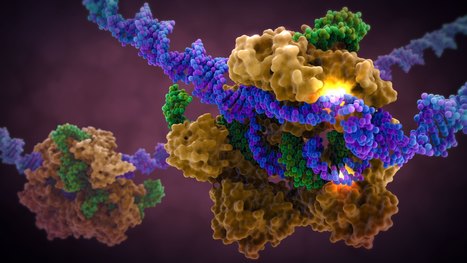
A new generation of CRISPR technology developed at UNSW Sydney offers a safer path to treating genetic diseases like Sickle Cell, while also proving beyond doubt that chemical tags on DNA - often thought to be little more than genetic cobwebs - actively silence genes.
BigField GEG Tech's insight:
For decades, scientists have debated whether methyl groups are simply debris that accumulates in the genome where genes are turned off, or the actual cause of gene repression. Now, researchers have shown in a recent paper published in Nature Communications that removing these tags can reactivate genes, confirming that methylation is not only correlated with silencing, but directly responsible for it. A third generation of CRISPR, called epigenetic editing, examines the surface of genes present in the nucleus of every cell in the body. Rather than cutting strands of DNA to remove or modify defective genes, this method removes the methyl groups attached to inhibited or suppressed genes. This new generation of CRISPR technology offers a safer way to treat genetic diseases such as sickle cell anemia.
Scoop.it!

Preliminary results from a small trial offer the clearest evidence yet that the brain disease’s progression can be slowed.
BigField GEG Tech's insight:
Preliminary results from a small trial offer the clearest evidence yet that the brain disease’s progression can be slowed.
Scoop.it!

A landmark study published in Cell has shown that prime editing, a cutting-edge form of gene editing, can correct mutations causing Alternating Hemiplegia of Childhood (AHC) with a single in-brain injection. The research team fixed the most prevalent ATP1A3 gene mutations in mouse models, reducing symptoms and more than doubling survival, a first-of-its-kind success in treating a neurological disease directly in the brain. CRISPR-based gene editing was delivered through an harmless adeno-associated virus called AAV9. In parallel, patient-derived cells (iPSCs) responded similarly, reinforcing the method’s promise for human translation. Importantly, this success opens the door to targeting other genetic brain disorders previously deemed untreatable. Although results are preliminary, this study provides robust proof‑of‑concept for personalized gene editing in the brain and opens doors toward potential treatments for other intractable genetic neurological disorders.
BigField GEG Tech's insight:
A landmark study published in Cell has shown that prime editing, a cutting-edge form of gene editing, can correct mutations causing Alternating Hemiplegia of Childhood (AHC) with a single in-brain injection. The research team fixed the most prevalent ATP1A3 gene mutations in mouse models, reducing symptoms and more than doubling survival, a first-of-its-kind success in treating a neurological disease directly in the brain. CRISPR-based gene editing was delivered through an harmless adeno-associated virus called AAV9. In parallel, patient-derived cells (iPSCs) responded similarly, reinforcing the method’s promise for human translation. Importantly, this success opens the door to targeting other genetic brain disorders previously deemed untreatable. Although results are preliminary, this study provides robust proof‑of‑concept for personalized gene editing in the brain and opens doors toward potential treatments for other intractable genetic neurological disorders.
Scoop.it!

The promise of genome editing to help understand human diseases and create new therapies is vast, but technological limitations have limited advancement of the field.
BigField GEG Tech's insight:
Conventional gene-editing technologies, such as CRISPR Cas9, have been limited by the generation of DNA double-strand breaks, which introduce unwanted modifications into the genome. While the development of base editors has enabled the direct chemical modification of target DNA nucleotides, allowing researchers to avoid double-strand breaks, base editing technology has been limited by the number and precision of individual base modifications achievable. However, in a new study, the research team used a CRISPR-associated protein, Cas12, and guide RNAs (gRNAs). Fused with an enzyme, Cas12 can perform targeted chemical modifications on DNA at locations determined by the gRNA sequence. The team chose Cas12 for its innate ability to process an RNA template containing numerous gRNAs. To improve editing precision, the team modified the gRNAs by shortening the gRNA sequence or modifying the RNA bases. They then used the new system to successfully edit gene sequences with greater precision at 15 different sites in human cells, three times as many locations as previously designed. This improvement will not only enable the roots of complex genetic diseases, such as cancer, to be assessed, but will also guide the development of new synthetic drugs.
Scoop.it!

Cancer therapies called checkpoint inhibitor drugs, which ratchet up the immune system, work better when this bacterium is around.
BigField GEG Tech's insight:
Cancer therapies called checkpoint inhibitor drugs, which ratchet up the immune system, work better when this bacterium is around.
Scoop.it!
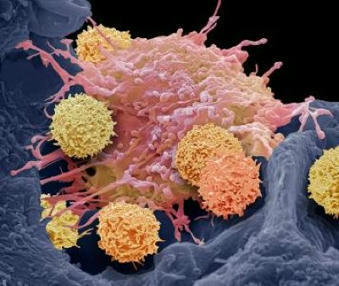
Experimental treatment could offer a safer, cheaper alternative to CAR-T-cell therapies for disorders such as lupus.
BigField GEG Tech's insight:
Experimental treatment could offer a safer, cheaper alternative to CAR-T-cell therapies for disorders such as lupus.
Scoop.it!

After treatment with CAR-T cells - immune cells engineered to attack cancer - patients sometimes tell their doctors they feel like they have "brain fog," or forgetfulness and difficulty concentrating.
BigField GEG Tech's insight:
A recent study published in Cell by Stanford Medicine researchers reveals that CAR-T cell therapy, while transformative for cancer treatment, may lead to mild cognitive impairments, commonly referred to as "brain fog." This condition encompasses symptoms like forgetfulness and difficulty concentrating and appears to occur independently of other treatments such as chemotherapy. The study, conducted primarily in mice, identified mechanisms similar to those observed in cognitive impairments following chemotherapy and infections like COVID-19. Once activated by the immune response, brain’s immune cells, called microglia, release inflammatory molecules that damage oligodendrocytes (responsible for myelin production), thereby impairing neural signal transmission. Importantly, the researchers discovered potential strategies to reverse these effects using compounds akin to existing medications, suggesting that treatments could be developed relatively quickly. These findings underscore the importance of monitoring cognitive health in patients undergoing CAR-T therapy and developing interventions to mitigate such side effects and enhance quality of life.
Scoop.it!

Investigators from Mass General Brigham and Beth Israel Deaconess Medical Center have developed STITCHR, a new gene editing tool that can insert therapeutic genes into specific locations without causing unwanted mutations.
BigField GEG Tech's insight:
American researchers have unveiled STITCHR in Nature, a novel gene-editing tool that enables the precise insertion of entire therapeutic genes into specific genomic locations without introducing unwanted mutations. Unlike traditional CRISPR systems, which typically correct single mutations and often face targeting limitations, STITCHR offers a "one-and-done" solution by inserting full genes. It may be a game-changing approach for treating diseases caused by a wide range of mutations, such as cystic fibrosis. STITCHR, short for Specific Target-Primed Insertion Through Targeted CRISPR Homing of Retroelements, harnesses enzymes derived from retrotransposons, genetic elements also known as "jumping genes", to guide gene integration with high specificity. Notably, the system can be delivered entirely in RNA form, simplifying logistics compared to approaches that require both RNA and DNA components. This advancement marks a major step forward in gene therapy, offering a promising strategy to treat diverse genetic disorders by replacing faulty genes in their entirety.
Scoop.it!
BigField GEG Tech's insight:
Manufacturing CAR T cells in the laboratory is expensive and time-consuming. An in vivo approach could get the powerful therapy to more people.
Scoop.it!
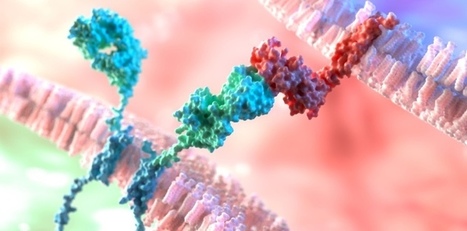
Imagine a super-charged immune cell that can launch a focused attack on stubborn solid tumors - a smart fighter that destroys cancer cells for days without tiring.
BigField GEG Tech's insight:
Researchers have introduced a next-generation CAR T-cell therapy, called EchoBack CAR T-cells, in a study published in Cell. Designed to address key limitations of current immunotherapies for solid tumors, including off-tumor toxicity, T-cell exhaustion, and limited persistence, this platform uses sonogenetic engineering to remotely activate CAR T-cells via focused ultrasound (FUS). It employs an ultrasensitive heat-shock promoter, selected from a screened library and integrated with a positive feedback loop from CAR signaling. This setup enables sustained CAR expression after ultrasound stimulation, maintaining antitumor activity for up to five days, versus less than 24 hours for standard CAR T-cells. In preclinical models, EchoBack CAR T-cells eliminated glioblastoma (GBM) cells in 3D cultures and mice, outperforming conventional CAR T-cells. Single-cell RNA sequencing showed enhanced cytotoxicity and reduced exhaustion. The system was also adapted to target prostate-specific membrane antigen (PSMA), showing prolonged tumor control in prostate cancer models. EchoBack CAR T-cells represent a versatile, precise, and safer therapeutic approach, a major advance for treating hard-to-target solid tumors.
|
Scoop.it!

Hutchinson‐Gilford progeria syndrome (HGPS) is a premature aging disorder affecting tissues of mesenchymal origin. Most patients harbor a c.1824C>T/p.G608= variant, commonly described as G608G, in exon 11 of LMNA that leads to aberrant splicing an
Scoop.it!
From
www

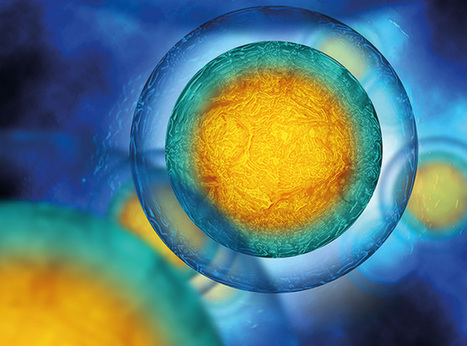
Engineered T cells, reprogrammed to express chimeric antigen receptors (CAR) or T cell receptors (TCR), have transformed cancer treatment and are being explored as therapeutics for autoimmune and infectious diseases. Enhancing T cell function through genome editing, either by disrupting endogenous genes or precisely inserting DNA payloads, has shown considerable promise1. However, the ex vivo manufacturing process is lengthy and costly, limiting accessibility of these therapies. In vivo generation of CAR T cells could overcome these barriers, but current methods rely either on transient expression with limited durability, or on random integration of DNA payloads that lack specificity. Here we demonstrate that stable and cell-specific transgene expression can be achieved through in vivo site-specific integration of large DNA payloads. We developed a two-vector system to deliver CRISPR–Cas9 ribonucleoproteins and a DNA donor template, using enveloped delivery vehicles and adeno-associated viruses, respectively. We optimized both vectors for T cell-specific delivery and gene-targeting efficiency. By integrating a CAR transgene into a T cell-specific locus, we generate therapeutic levels of CAR T cells in vivo in humanized mouse models of B cell aplasia, and haematological and solid malignancies. These findings offer a pathway to more efficient, precise and widely accessible T cell therapies. Stable and cell-specific transgene expression can be achieved through in vivo site-specific integration of large DNA payloads using a two-vector system of enveloped delivery vehicles and adeno-associated viruses.
BigField GEG Tech's insight:
A recent Nature study highlights a major breakthrough in CAR-T therapies: the ability to reprogram T cells directly inside the patient (in vivo), without the need for complex ex vivo manufacturing. Using a combination of CRISPR technology and optimized delivery vectors, researchers successfully generated functional CAR-T cells capable of targeting multiple cancers, including solid tumors. Key implications:
This approach could mark a significant step toward more scalable and accessible personalized cancer treatments.
Scoop.it!

Chimeric antigen receptor (CAR) T cell therapy, which uses a patient's own immune cells to fight cancer, has emerged as a powerful way to treat lymphoma and other blood cancers.
BigField GEG Tech's insight:
CAR-T cell therapy has proven to be an effective treatment for lymphoma and other blood cancers. However, researchers are struggling to adapt this treatment to solid tumors, including prostate, breast, lung, and ovarian cancers, which account for about 90% of cancer cases. A research team has discovered a promising solution. The researchers genetically modified CAR-T cells to produce a fusion of two proteins: interleukin 12 (IL-12), a cytokine that stimulates immune activity, and a PD-L1 (programmed death ligand 1) inhibitor, an immune checkpoint inhibitor that prevents cancer cells from deactivating the immune response. In mouse models of prostate and ovarian cancer, the modified CAR-T cells triggered a localized attack, reducing the tumor without causing toxicity in other parts of the body. These findings have just been published in the journal Nature Biomedical Engineering.
Scoop.it!
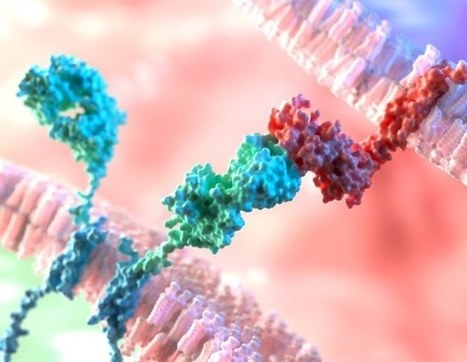
A computational approach by St. Jude Children's Research Hospital scientists promises to make designing T cell-based immunotherapies that target two cancer-related antigens at the same time far easier and faster.
BigField GEG Tech's insight:
While CAR-T cells have been successful in treating certain blood cancers, they have not been as effective in treating solid and brain tumors. One reason for this is that cancer cells do not uniformly express the same proteins. Thus, CAR-T cells targeting a single antigen may miss malignant cells that do not express that protein, leading to tumor recurrence and difficult-to-treat relapse. For this reason, scientists have attempted to create CARs that target two proteins at once. However, they encountered problems, including low CAR expression on the surface of T cells and suboptimal anti-cancer capacity. To address this, the researchers developed a computational method to screen many theoretical models of tandem CARs and rank the best candidates for further optimization and validation. The researchers generated and experimentally validated the highest-ranked tandem CAR candidates against selected targets, demonstrating that computationally optimized CARs overcame previous difficulties and performed better in treating animal models of cancer.
Scoop.it!

A new study, led by researchers at Children's Hospital of Philadelphia (CHOP), identified tiny pieces of messenger RNA that are missing in pediatric high-grade glioma tumors but not in normal brain tissues.
BigField GEG Tech's insight:
Adoptive immunotherapies based on CAR-T cells show promise against cancer; however, they often also target healthy cells, which share most surface proteins with cancer cells. While this collateral damage may be tolerable in patients with certain blood cancers, the destruction of healthy neurons in the brain is unacceptable. However, alternative splicing could be a potential avenue for discovering new therapeutic targets for brain tumors. By studying microexons in detail, the researchers discovered that the shortened version of NRCAM generated by microexon skipping was essential for cancer cell migration and invasion in Petri dishes, as well as for tumor growth in a preclinical mouse model implanted with glioma cells. This makes the glioma-specific version of NRCAM a particularly attractive target for immunotherapy, as tumors will not be able to easily disable it. Because the omission of NRCAM microexons profoundly alters the conformation of the protein, the researchers were able to develop a murine monoclonal antibody that marks cells for destruction by T cells equipped with an immune receptor for mouse antibodies.
Scoop.it!

Researchers at MUSC Hollings Cancer Center have identified a signaling loop involved in the growth and persistence of leukemia cells – and developed a novel immunotherapy that can disrupt that loop to boost immune function and improve survival.
BigField GEG Tech's insight:
Acute myeloid leukemia (AML) is one of the most aggressive blood cancers, with poor response to chemotherapy or CAR-T cell therapy. This is notably due to a self-sustaining signaling loop that allows leukemia stem cells to grow and evade treatment. A study published in Nature Communications has just outlined a groundbreaking bispecific antibody that disrupts this mechanism. The novel antibody tackles leukemia on two fronts : it blocks the IL-33/IL1RL1 protective feedback loop, while recruiting T-cells that target IL1RL1-expressing leukemia cells. In preclinical models, this dual-action strategy eradicated the shielded cancer cells, enhanced immune response, reduced relapse, and improved survival, all without significant toxicity. While Phase I trials are to follow, this approach may be replicated for cancers where IL1RL1 is also expressed in the tumor microenvironement.
Scoop.it!
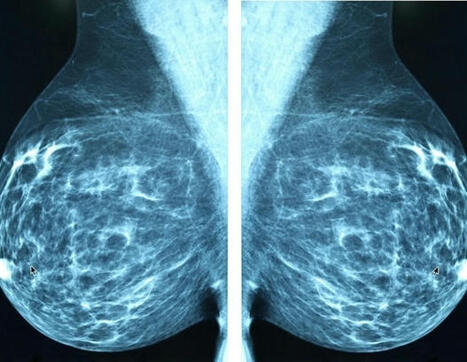
The Calibr-Skaggs Institute for Innovative Medicines, the drug development division of Scripps Research, today announced a milestone in cancer treatment with the dosing of the first patient in a phase 1 trial (NCT06878248) evaluating CLBR001 + ABBV-461, a modular, switchable chimeric antigen receptor T cell (sCAR-T) therapy in patients with advanced or metastatic breast cancer who have no suitable treatment options.
BigField GEG Tech's insight:
CAR-T therapy has revolutionized the treatment of patients with hematological malignancies who have failed many previous therapies. However, conventional CAR-T therapies have yet to achieve similar success in patients with solid tumors. This is precisely the challenge that Calibr-Skaggs' switchable CAR-T cell therapy platform aims to address. The sCAR-T platform developed by Calibr-Skaggs aims to improve the precision and safety of CAR-T therapies. It has shown promising preliminary results in a Phase 1 clinical trial in hematological malignancies. In addition, early results have demonstrated that CLBR001 sCAR-T cells can multiply in the body in significantly higher numbers than conventional CAR-T cells, offering a better chance of penetrating the hostile solid tumor microenvironment. In addition, this change offers the added benefit of allowing the cells to “rest”, potentially preventing CAR-T cell exhaustion.
Scoop.it!
Chimeric Antigen Receptor (CAR)-T cells are a promising cancer therapy that are made from the patient's own T cells, which are reprogrammed to fight their cancer. One of the limitations of CAR-T cell therapy is the ability of these cells to survive long enough to target the entire tumor.
BigField GEG Tech's insight:
Chimeric Antigen Receptor (CAR)-T cells have revolutionized cancer therapy, by reprogramming the patient’s own T cells to fight their cancer. Yet, one current limitation is that CAR-T cells don’t survive long enough to target the whole tumor. To that effect, researchers from Massachusetts General Hospital have introduced a novel approach to enhance CAR T-cell therapy for solid tumors by improving T-cell survival and persistence. They engineered CAR T-cells to be resistant to interferon-gamma (IFN-γ) signaling by knocking out the IFN-γ receptor (IFNGR) using CRISPR-Cas9. This modification allows the cells to maintain their tumor-killing capabilities, enabled by IFN-γ, while reducing activation-induced cell death, leading to prolonged survival and expansion. In preclinical murine models, these IFNGR-deficient CAR T-cells demonstrated enhanced efficacy against solid tumors without compromising safety. This advancement addresses a significant hurdle in solid tumor immunotherapy, offering a promising strategy to improve the durability and effectiveness of CAR T-cell treatments.
Scoop.it!
When a neuron in our body gets damaged, segments of RNA produce proteins that can help repair the injury.
BigField GEG Tech's insight:
When a neuron is damaged, segments of RNA produce proteins that help repair the lesion. However, in neurological disorders such as ALS and spinal muscular atrophy, or following damage to the spinal cord, the mechanisms for transporting life-sustaining RNA to damaged sites in the cell fail. As a result, RNA molecules are unable to reach their target, and damage becomes permanent. Stanford researchers have developed a technology dubbed CRISPR-TO, to transport RNA to specific areas of a neuron, where it can repair and even regenerate parts of the cell. The researchers used a version of CRISPR, called CRISPR-Cas13, to target individual RNA fragments. The researchers associated Cas13 with specific localization signals that act as addresses, telling Cas13 where to deliver the RNA. Each location in the cell has its own address molecule, so the researchers can direct RNA to different locations by adding different molecules to the cell. Their work, supported by the National Institutes of Health, forms the basis of a new class of therapies which the researchers call “RNA space medicine”, and which they hope will pave the way for the treatment of neurological diseases and trauma.
Scoop.it!
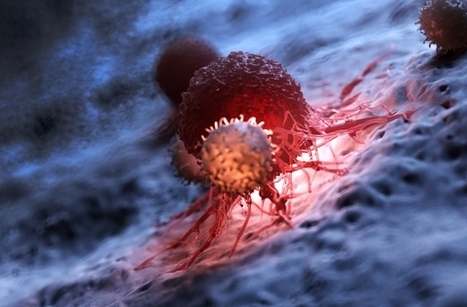
Renier Brentjens, MD, PhD, discusses the current landscape of CAR T-cell agents in patients with solid tumors.
BigField GEG Tech's insight:
The first CAR T-cell therapy was approved for pediatric acute lymphoblastic leukemia back in 2017. CAR T-cell therapies are now advancing beyond hematologic malignancies, showing early efficacy in solid tumors. Agents like satricabtagene autoleucel (satri-cel) and ALLO-316 have demonstrated promising activity in gastrointestinal cancer and renal cell carcinoma, respectively. They have received FDA designations such as fast track and regenerative medicine advanced therapy (RMAT). Solid tumors present unique challenges, including antigen heterogeneity, immunosuppressive microenvironments, and fibrotic structures that hinder CAR T-cell infiltration and function. To address these, researchers are exploring combination strategies, such as pairing CAR T-cells with immune checkpoint inhibitors, to enhance efficacy. These developments suggest a promising future for CAR T-cell therapies in treating solid tumors, with ongoing research focused on improving targeting precision and reducing toxicity. The field is moving toward more effective and safer treatments for patients with solid malignancies.
Scoop.it!
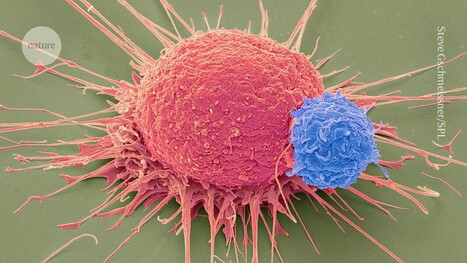
Trial in China is one of the first times the immune therapy has worked against solid tumours.
BigField GEG Tech's insight:
Trial in China is one of the first times the immune therapy has worked against solid tumours.
Scoop.it!
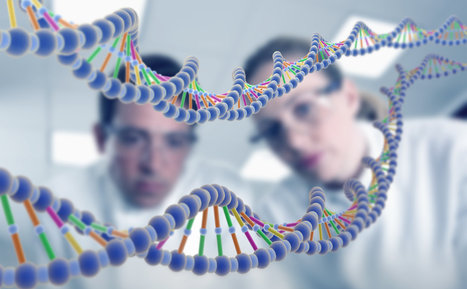
A new review outlines genetic engineering strategies, including CRISPR, to enhance the therapeutic potential of innate immune cells in cancer immunotherapy. The authors evaluate preclinical studies and emerging clinical data on how these cells can be retooled to overcome the limitations of conventional CAR T cell therapy.
BigField GEG Tech's insight:
Gene editing is redefining the potential of cancer immunotherapy, not only by enhancing precision, but also by extending its reach beyond T cells. A recent Nature Biotechnology review highlights how CRISPR is being used to reprogram innate immune cells, including Natural Killer (NK) cells, macrophages, and γδ T cells, to enhance their tumor-fighting abilities. By knocking out inhibitory genes, NK cells become more resilient, metabolically robust, and cytotoxic. Macrophages, typically immunosuppressive within the tumor microenvironment, are now being engineered with CARs and cytokines to adopt proinflammatory, anti-tumor roles. γδ T cells, which combine innate and adaptive immune features, are also being explored for CAR-based therapies thanks to their stress-sensing T-cell receptors and natural cytotoxicity. Early trials across multiple tumor types suggest these engineered cells could drive a new wave of more effective and versatile cancer immunotherapies.
|




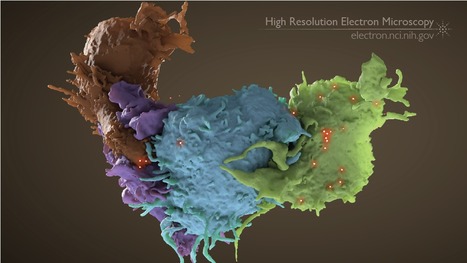


When a neuron is damaged, segments of RNA produce proteins that help repair the lesion. However, in neurological disorders such as ALS and spinal muscular atrophy, or following damage to the spinal cord, the mechanisms for transporting life-sustaining RNA to damaged sites in the cell fail. As a result, RNA molecules are unable to reach their target, and damage becomes permanent. Stanford researchers have developed a technology dubbed CRISPR-TO, to transport RNA to specific areas of a neuron, where it can repair and even regenerate parts of the cell. The researchers used a version of CRISPR, called CRISPR-Cas13, to target individual RNA fragments. The researchers associated Cas13 with specific localization signals that act as addresses, telling Cas13 where to deliver the RNA. Each location in the cell has its own address molecule, so the researchers can direct RNA to different locations by adding different molecules to the cell. Their work, supported by the National Institutes of Health, forms the basis of a new class of therapies which the researchers call “RNA space medicine”, and which they hope will pave the way for the treatment of neurological diseases and trauma.