


After 20 months after interrupting antiretroviral therapy, HIV was undetectable in the patient’s blood.


|
Scooped by
BigField GEG Tech
onto Bioscience News - GEG Tech top picks July 20, 2023 9:18 AM
|
 Scoop.it!
After 20 months after interrupting antiretroviral therapy, HIV was undetectable in the patient’s blood.

 Your new post is loading...
 Your new post is loading...
Your new post is loading...
Scoop.it!

Evidence links air pollution to dementia, yet its role in Lewy body dementia (LBD) remains unclear. In this work, we showed in a cohort of 56.5 million individuals across the United States that fine particulate matter (PM2.5) exposure raises LBD risk
BigField GEG Tech's insight:
Evidence links air pollution to dementia, yet its role in Lewy body dementia (LBD) remains unclear. In this work, we showed in a cohort of 56.5 million individuals across the United States that fine particulate matter (PM2.5) exposure raises LBD risk
Scoop.it!

MRI scans show that the brains of infants and toddlers can encode memories, even if we don’t remember them as adults.
BigField GEG Tech's insight:
Babies as young as one year old can form memories, according to the results of a brain-scanning study published recently in Science1. The findings suggest that infantile amnesia — the inability to remember the first few years of life — is probably caused by difficulties in recalling memories, rather than creating them.
Scoop.it!
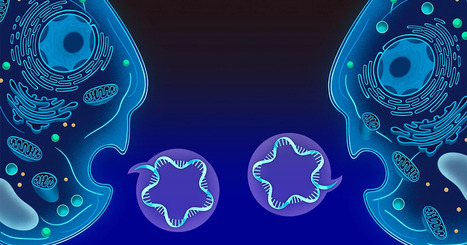
Long known as a messenger within cells, RNA is increasingly seen as life’s molecular communication system — even between organisms widely separated by evolution.
BigField GEG Tech's insight:
Long known as a messenger within cells, RNA is increasingly seen as life’s molecular communication system — even between organisms widely separated by evolution.
Scoop.it!

Countries are grappling with how to regulate research that uses stem-cell-based embryo models. They will be watching the United Kingdom’s voluntary approach.
BigField GEG Tech's insight:
Countries are grappling with how to regulate research that uses stem-cell-based embryo models. They will be watching the United Kingdom’s voluntary approach.
Scoop.it!

Zhang Yongzhen shared the genomic sequence of SARS-CoV-2 with the world, speeding up the development of vaccines.
BigField GEG Tech's insight:
Alamy The first person to publicly release the genome sequence of the virus that causes COVID-19 — virologist Zhang Yongzhen — seems to have resolved a public dispute with the Shanghai Public Health Clinical Center (SPHCC), Fudan University, China, which erupted last week. Zhang was photographed camping outside his laboratory from Sunday, after the SPHCC shut it down.
Scoop.it!
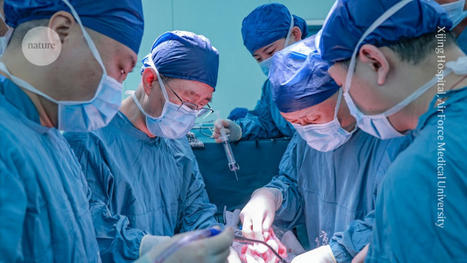
Pig organs could provide temporary detox for people whose livers need time to recover or who are awaiting human donors.
BigField GEG Tech's insight:
Pig organs could provide temporary detox for people whose livers need time to recover or who are awaiting human donors.
Scoop.it!
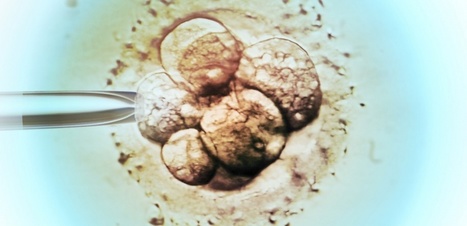
As a human embryo grows, a set of molecules directs cells as they multiply and take on specific identities and spatial positions within the embryo.
BigField GEG Tech's insight:
The researchers found ways to recreate a simplified version of gastrulation in a dish by starting with a layer of induced pluripotent stem (iPS) cells, meaning they can differentiate to become any cell type in the body. Next, the scientists added a protein called BMP4, a key signaling molecule in gastrulation, which causes the cells in the box to begin forming the three layers of cells present in the embryo. All cells appear to receive the same BMP4 signal, however, some transform into one cell type while others become different cell types. When creating a gastrulation model, researchers observed that iPS cells contain proteins that are the building blocks of tight junctions. They also noted that tight junctions do not always assemble, and that tight junctions between adjacent cells appear to render cells impervious to BMP4 signals. To confirm the importance of tight junctions in gastrulation, the researchers used CRISPR genome-editing technology to suppress the production of TJP1, a protein crucial for tight junction formation in iPS cells. When they applied BMP4 to cells lacking the TJP1 protein, every cell was activated, not just the peripubic cells. This discovery forms the basis of a new method for efficiently producing these unique cells.
Scoop.it!
BigField GEG Tech's insight:
Researchers have captured the most-detailed images yet of human embryos developing in real time, using two common laboratory tools — fluorescent dyes and laser microscopes. Non-invasive imaging approach could lead to innovations in embryo screening.
Scoop.it!
BigField GEG Tech's insight:
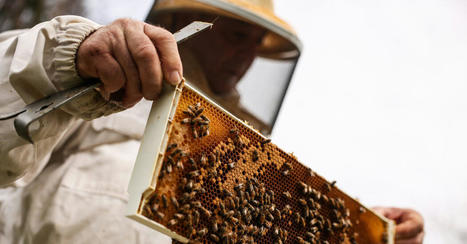
Dalan Animal Health’s vaccine for American foulbrood, an aggressive bacterial disease, is the first for any insect in the United States.
Scoop.it!
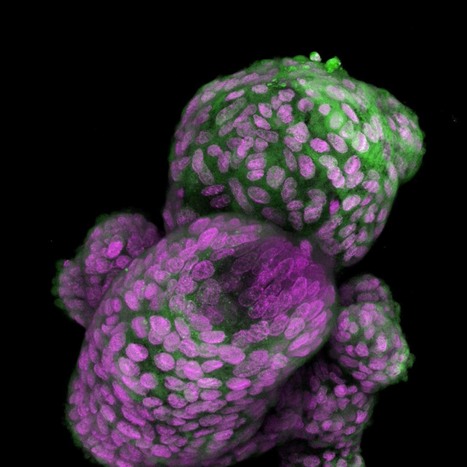
Researchers at Johns Hopkins Medicine say they have created a laboratory-grown three-dimensional "organoid" model that is derived from human tissue and designed to advance understanding about how early stages of cancer develop at the gastroesophageal junction (GEJ) — the point where the digestive system's food tube meets the stomach.
BigField GEG Tech's insight:
Researchers have created a laboratory-developed, three-dimensional organoid model derived from human tissue and designed to understand the early stages of cancer in the gastroesophageal junction (GEJ), the point where the food pipe of the digestive system meets the stomach. Using CRISPR-Cas9, the researchers also eliminated two key tumor suppressor genes, TP53 and CDKN2A,c in the organoids. The dual inactivation of these genes made the cells more cancerous, with faster growth and microscopic features closer to malignancy. These altered organoids also formed tumors in immunodeficient mice. The team further found abnormalities in lipids that store energy but also perform a variety of other functions, and identified platelet activating factor as a key lipid upregulated in GEJ organoids. The researchers used WEB2086, which stopped the growth of implanted GEJ organoid tumors. WEB2086, a Food and Drug Administration-approved compound used to treat platelet diseases, inhibits platelet activating factor receptors in GEJ.
Scoop.it!
BigField GEG Tech's insight:
Interactions between respiratory viruses during infection affect transmission dynamics and clinical outcomes. To identify and characterize virus–virus interactions at the cellular level, the scientists coinfected human lung cells with influenza A virus (IAV) and respiratory syncytial virus (RSV). Super-resolution microscopy, live-cell imaging, scanning electron microscopy and cryo-electron tomography revealed extracellular and membrane-associated filamentous structures consistent with hybrid viral particles (HVPs). They found that HVPs harbour surface glycoproteins and ribonucleoproteins of IAV and RSV. HVPs use the RSV fusion glycoprotein to evade anti-IAV neutralizing antibodies and infect and spread among cells lacking IAV receptors. Finally, they show that IAV and RSV coinfection in primary cells of the bronchial epithelium results in viral proteins from both viruses co-localizing at the apical cell surface. Their observations define a previously unknown interaction between respiratory viruses that might affect virus pathogenesis by expanding virus tropism and enabling immune evasion. Chimeric particles are formed when influenza A virus and respiratory syncytial virus coinfect lung cells in vitro.
Scoop.it!
BigField GEG Tech's insight:
Some companies offer tests that rank embryos based on their risk of developing complex diseases such as schizophrenia or heart disease. Are they accurate — or ethical?
Scoop.it!
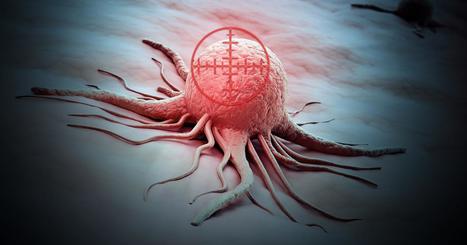
Researchers at the Department of Energy's Oak Ridge National Laboratory have definitively linked the function of a specific domain of proteins important in plant-microbe biology to a cancer trigger in humans, knowledge that had eluded scientists for decades.
BigField GEG Tech's insight:
Scientists set out to prove experimentally what they had first deduced from computational studies: that the apple plasminogen-nematode domain, or PAN, is linked to cell proliferation that drives tumor growth in humans and defense signaling during plant-microbe interactions in bioenergy crops. The association was first made when researchers explored the genomes of crops like poplar and willow. In the latest study, the research team identified four core amino acids called cysteine residues in the HGF protein essential for PAN domain function and studied their behavior in human cancer cell lines. They found that mutation of one of these amino acids, achieved using CRISPR-9, disabled the signaling pathway known as HGF-c-MET that is abnormally high in cancer cells, forcing them to multiply and spread rapidly. The team's findings, published in Nature Communications Biology, open a new avenue for the development of selective drug therapies to fight a variety of cancers such as those that start in the breast and stomach.
|
Scoop.it!
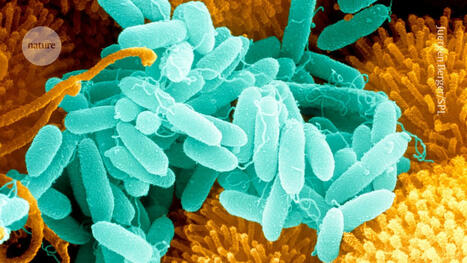
The bacterium Pseudomonas aeruginosa produces an enzyme that breaks down biodegradable plastics.
BigField GEG Tech's insight:
The bacterium Pseudomonas aeruginosa produces an enzyme that breaks down biodegradable plastics.
Scoop.it!
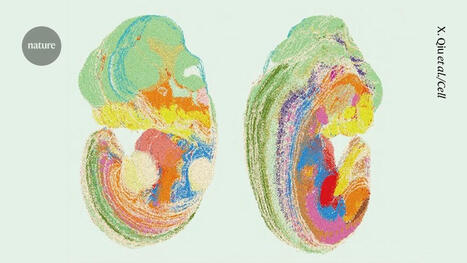
Model used to create a cellular ‘hologram’ of a mouse embryo could be used to visualize development in any species.
BigField GEG Tech's insight:
Model used to create a cellular ‘hologram’ of a mouse embryo could be used to visualize development in any species.
Scoop.it!

Neuromodulation technologies are crucial for investigating neuronal connectivity and brain function. Magnetic neuromodulation offers wireless and remote deep brain stimulations that are lacking in optogenetic- and wired-electrode-based tools. However, due to the limited understanding of working principles and poorly designed magnetic operating systems, earlier magnetic approaches have yet to be utilized. Furthermore, despite its importance in neuroscience research, cell-type-specific magnetic neuromodulation has remained elusive. Here we present a nanomaterials-based magnetogenetic toolbox, in conjunction with Cre-loxP technology, to selectively activate genetically encoded Piezo1 ion channels in targeted neuronal populations via torque generated by the nanomagnetic actuators in vitro and in vivo. We demonstrate this cell-type-targeting magnetic approach for remote and spatiotemporal precise control of deep brain neural activity in multiple behavioural models, such as bidirectional feeding control, long-term neuromodulation for weight control in obese mice and wireless modulation of social behaviours in multiple mice in the same physical space. Our study demonstrates the potential of cell-type-specific magnetogenetics as an effective and reliable research tool for life sciences, especially in wireless, long-term and freely behaving animals. Minimally invasive cellular-level target-specific neuromodulation is needed to decipher brain function and neural circuitry. Here nano-magnetogenetics using magnetic force actuating nanoparticles has been reported, enabling wireless and remote stimulation of targeted deep brain neurons in freely behaving animals.
BigField GEG Tech's insight:
Neuromodulation technologies are crucial for investigating neuronal connectivity and brain function. Magnetic neuromodulation offers wireless and remote deep brain stimulations that are lacking in optogenetic- and wired-electrode-based tools. However, due to the limited understanding of working principles and poorly designed magnetic operating systems, earlier magnetic approaches have yet to be utilized. Furthermore, despite its importance in neuroscience research, cell-type-specific magnetic neuromodulation has remained elusive. Here researchers present a nanomaterials-based magnetogenetic toolbox, in conjunction with Cre-loxP technology, to selectively activate genetically encoded Piezo1 ion channels in targeted neuronal populations via torque generated by the nanomagnetic actuators in vitro and in vivo.
Scoop.it!

Compound called lolamicin targets a group of harmful microbes but does not disturb those that live peacefully in the gut.
BigField GEG Tech's insight:
Compound called lolamicin targets a group of harmful microbes but does not disturb those that live peacefully in the gut.
Scoop.it!
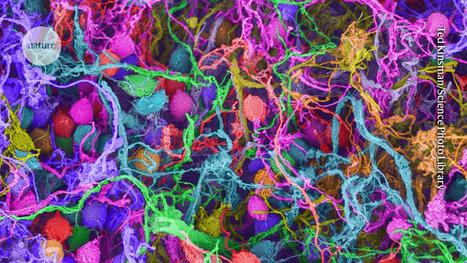
Nerve cells form long-term memories with the help of an inflammatory response, study in mice finds.
BigField GEG Tech's insight:
Nerve cells form long-term memories with the help of an inflammatory response, study in mice finds.
Scoop.it!
BigField GEG Tech's insight:
In vitro embryo models supported by methods development in adjacent fields have revolutionized our understanding of embryogenesis.
Scoop.it!
After 20 months after interrupting antiretroviral therapy, HIV was undetectable in the patient’s blood.
BigField GEG Tech's insight:
After 20 months after interrupting antiretroviral therapy, HIV was undetectable in the patient’s blood. A man known as the “Geneva patient” has become the latest person in the world to be cured of HIV after a stem cell transplant for cancer treatment. While there have been five other known cases of people who have been cured of HIV - meaning they have been declared in long-term remission - his case is so far unique. He’s the only one who received stem cells from a donor who does not have a rare gene mutation - CCR5 - that blocks HIV from entering cells.
Scoop.it!
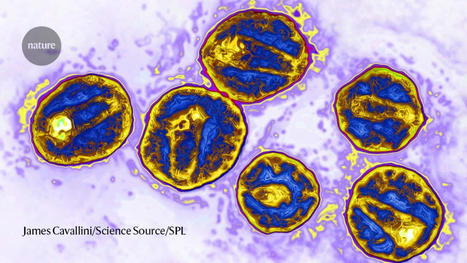
But the risks associated with the procedure mean it is unlikely to be widely used in its current form.
BigField GEG Tech's insight:
A 53-year-old man in Germany has become at least the third person with HIV to be declared cleared of the virus after a procedure that replaced his bone marrow cells with HIV-resistant stem cells from a donor.
Scoop.it!
BigField GEG Tech's insight:
A type of freshwater plankton has become the first organism seen thriving on a diet of viruses, according to a new study by researchers from the University of Nebraska-Lincoln in the US.
Scoop.it!
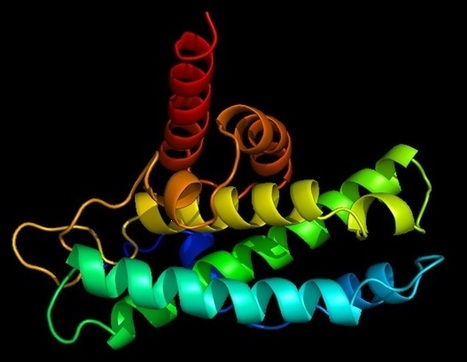
For several years now, the CRISPR/Cas9 gene scissors have been causing a sensation in science and medicine.
BigField GEG Tech's insight:
Within the defense mechanism of bacteria, the so-called type III variants of the CRISPR gene produce small signal molecules. With the help of these small molecules, bacteria trigger a complex contingency plan that ensures that a virus can be fought optimally and on a broad front. Researchers have studied how this works and have discovered that the small signal molecules bind, among others, to a protein called CalpL, which thus becomes an active "protease". Proteases are enzymes that cleave proteins and thus function as protein scissors. Proteases are also used in the human immune system to transmit information at high speed. Finally, the researchers also found the target of their newly discovered protein scissors. It cuts a small protein molecule called CalpT, which acts as a safety lock for CalpS, a third protein molecule. CalpS is a very well-guarded protein that is released by the whole mechanism. It will drive the transcription machinery to specific genes, switching the bacteria's metabolism to defense. With the discovery of this complicated signaling cascade, the researchers have now uncovered a whole new aspect of CRISPR systems. The study was published in the renowned scientific journal "Nature".
Scoop.it!
BigField GEG Tech's insight:
Miniature human-brain-like structures transplanted into rats can send signals and respond to environmental cues. Researchers grew the structures from human stem cells and then injected them into the brains of newborn rat pups. After six months, the organoids became fully integrated into the rat brains. The approach could lead to a way to test therapies for human brain disorders. But some researchers have ethical concerns about such experiments: creating rodent–human hybrids could harm the animals or produce animals with human-like brains
Scoop.it!

Researchers assessed the impact of gene amplification on cross-species adaptation.
BigField GEG Tech's insight:
In a recent study published on the bioRxiv preprint server, researchers evaluated the impact of gene amplification on cross-species adaptation. The researchers demonstrated that the impact of RhTRS1 gene amplification could effectively rescue viral replication in fibroblasts from partially resistant African green monkeys (AGMs). The team infected A549 cells with vaccinia virus (VACV) + RhTRS1 or the VACV strain named Copenhagen, expressing a beta-galactosidase (bg) reporter gene. The team explored whether amplification of rhtrs1 could increase the extent of viral replication in the absence of PKR. The team also infected RNase L competent A549 cells or regularly spaced short palindromic repeats with CRISPR in clusters of RNase L deletion present in existing A549 cells with VACV-RhTRS1, VACV-bg or AGM-A. The results of the study showed that A549 cells restricted VACV + RhTRS1 replication by nearly 10,000-fold compared to VACV-bg replication. The team noted that deletion of A549 PKR cells enhanced VACV + RhTRS1 replication by up to 1000-fold compared to PKR-competent cells. The team observed that RNAase L had no impact on VACV-bg replication.
|





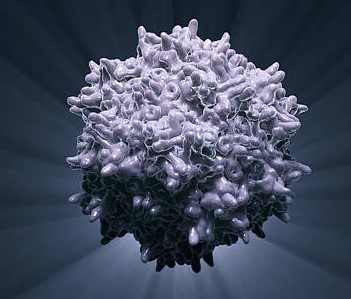


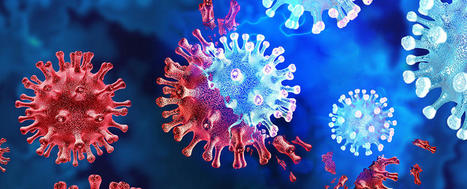



After 20 months after interrupting antiretroviral therapy, HIV was undetectable in the patient’s blood.
A man known as the “Geneva patient” has become the latest person in the world to be cured of HIV after a stem cell transplant for cancer treatment.
While there have been five other known cases of people who have been cured of HIV - meaning they have been declared in long-term remission - his case is so far unique. He’s the only one who received stem cells from a donor who does not have a rare gene mutation - CCR5 - that blocks HIV from entering cells.