


Data from more than 3 million online exams show that more than 6 percent of proctored exams contain evidence of attempted or actual cheating
Via EDTECH@UTRGV

 Your new post is loading...
 Scoop.it! Data from more than 3 million online exams show that more than 6 percent of proctored exams contain evidence of attempted or actual cheating Via EDTECH@UTRGV 
Scoop.it!

A growing number of community college students want online courses going forward, according to a new report from Bay View Analytics and Cengage. Across all current learning modes, 76% of community college students surveyed in spring 2022 want the option to take some courses fully online in the future, up from 68% who said the same in fall 2021. Via EDTECH@UTRGV

EDTECH@UTRGV's curator insight,
June 8, 2022 11:57 AM
Once the online learning genie has been let out of the bottle, its hard to put her back.
Scoop.it!

AI tools are available today that can write compelling university level essays. Taking an example of sample essay produced by the GPT-3 transformer, Mike Sharples discusses the implications of this technology for higher education and argues that they should be used to enhance pedagogy, rather than accelerating an ongoing arms race between increasingly sophisticated fraudsters and fraud detectors. Via Nik Peachey

Nik Peachey's curator insight,
May 23, 2022 1:44 AM
An interesting article about the power of AI to create credible essays in seconds.
Scoop.it!

Is education moving to a “tri-brid” model that flows between in-person, online and simulated environments? Via Nik Peachey

Richard Platt's curator insight,
June 7, 2022 1:06 PM
Is education moving to a “tri-brid” model that flows between in-person, online and simulated environments?
Scoop.it!

Turkish President Recep Tayyip Erdogan’s government has been pushing for the country to be known as Türkiye.
Scoop.it!

An NYU study tested whether the NewsGuard credibility rating extension steered people towards more high-quality news sources. Via Vladimir Kukharenko
Scoop.it!

The state of Maryland recently announced that it would no longer require a bachelor’s degree in the hiring process for nearly half of its jobs, joining a growing number of companies and other employers. Via Edumorfosis
Scoop.it!

Diving into a magnified human cell. Studying stars from the surface of the moon. Tossing a Frisbee on the quad with a classmate who lives 700 miles away. Via Edumorfosis

Gust MEES's curator insight,
June 4, 2022 10:20 AM
Diving into a magnified human cell. Studying stars from the surface of the moon. Tossing a Frisbee on the quad with a classmate who lives 700 miles away.
Learn more / En savoir plus / Mehr erfahren:
https://www.scoop.it/topic/21st-century-innovative-technologies-and-developments/?&tag=Metaverse
Scoop.it!

Anand emphasized that technology’s educational role is as “an enabler. Pedagogy is at the heart of what makes the magic in classrooms.” That said, faculty members suddenly learned a great deal about what actually works when their courses transitioned from the classroom to Zoom. Via Nik Peachey
Scoop.it!

We invest in AI, AR, VR and other technologies with the understanding, however, that their development will not solve the pressing issues facing our sector. On their own, new technologies will not drive down costs, increase access or advance the quality of learning. Via Nik Peachey
Richard Platt's curator insight,
March 15, 2022 11:47 PM
We invest in AI, AR, VR, and other technologies with the understanding, or more accurately assumption that these technologies in and of themselves will address the pressing issues and short-falls facing academia, as well as other online learning programs by reducing costs, increasing the access or advancing the quality of learning. Clearly, we, as a society and as organizations need to get better at doing the whole technology deployment and learning thing together, rather than just throw some technology at the wall and hope it works. Hope as a replacement to strategy is not one. A whole lot of assumptions by those selling the technology, and hyping what it can do to benefit learners is what I see. What I do sense is that the folks that sell this technology to academics, companies, organizations and even institutions are not really taking into consideration the needs of students/learners, because if they did, that would have happened at the very beginning of the whole process of deployment of these technologies, and clearly, they have not. Results are what results are. This should be rectified by those selling AI, AR, VR, and other technologies to the learning & education community. ( I do have some recommendations, on how to improve this learning and education thing, if you're interested and have a budget let me know)
Scoop.it!

This archive list links to previous daily APOD pages from the current date through January 1, 2015.
FULL ARCHIVE SINCE 1995 IS HERE
Other interesting Astronomy sites:
Hubble Heritage HubbleSite HubbleSite News Center Amazing Space Down to Earth Astronomy The Starburst Galaxies Science Initiative The Digitized Sky Survey The Guidestar Photometric Catalog The Starview software site The Great Observatories Origins Deep Survey (GOODS) The Multimission Archive at STScI (MAST) Space Telescope Science Institute Library Via Dr. Stefan Gruenwald
Scoop.it!
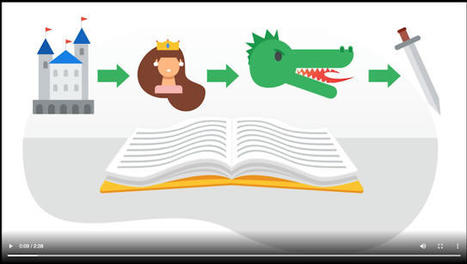
Discover how you can easily use Google Slides to create storyboard templates for your class. Via Dr. Tom D'Amico (@TDOttawa)

davidesanton77@gmail.com's curator insight,
April 12, 2022 11:57 PM
https://209primersglock.com/contact-us/ https://209primersglock.com/shipping/ https://209primersglock.com/product/winchester-large-rifle-primer-2000-rounds/ https://209primersglock.com/product-category/gun-powder/ https://209primersglock.com/product-category/ammo/ https://209primersglock.com/product-category/firearms/ https://209primersglock.com/product-category/glock/ https://209primersglock.com/product-category/primers/ https://209primersglock.com/product/accurate-2015-smokeless-gun-powder/ https://209primersglock.com/product/winchester-w209-shotgun-primers/ https://209primersglock.com/product/223-remington-55-grain-usa-lake-city-full-metal-jacket-1000-round-case/ https://209primersglock.com/product/accurate-2230-smokeless-gun-powder/ https://209primersglock.com/product/cci-small-pistol-magnum-primers-550/ https://209primersglock.com/product/cci-large-pistol-primers-300-box-of-1000/ https://209primersglock.com/product/winchester-small-rifle-primer/ https://209primersglock.com/2022/02/05/ https://209primersglock.com/product/45-acp-ammo/ https://209primersglock.com/product/45acp/ https://209primersglock.com/product/45acp-ammo/ https://209primersglock.com/product/6-5-prc-ammo/ https://209primersglock.com/product/accurate-2200-smokeless-gun-powder/ https://209primersglock.com/product/accurate-powder-4100-1lb/ https://209primersglock.com/product/benchrest-promers/ https://209primersglock.com/product/benelli-m4/ https://209primersglock.com/product/federal-premium-champion-205-small-rifle-primer-2000-rounds/ https://209primersglock.com/product/federal-large-rifle-primer/ https://209primersglock.com/product/cci-large-rifle-primers-200-box-of-1000/ https://209primersglock.com/product/large-pistol-primer/ https://209primersglock.com/product/hodgdon-h1000/ https://209primersglock.com/product/hodgdon-h322-smokeless-gun-powder/ https://209primersglock.com/product/hodgdon-h335/ ;
davidesanton77@gmail.com's curator insight,
April 12, 2022 11:58 PM
https://209primersglock.com/contact-us/ https://209primersglock.com/shipping/ https://209primersglock.com/product/winchester-large-rifle-primer-2000-rounds/ https://209primersglock.com/product-category/gun-powder/ https://209primersglock.com/product-category/ammo/ https://209primersglock.com/product-category/firearms/ https://209primersglock.com/product-category/glock/ https://209primersglock.com/product-category/primers/ https://209primersglock.com/product/accurate-2015-smokeless-gun-powder/ https://209primersglock.com/product/winchester-w209-shotgun-primers/ https://209primersglock.com/product/223-remington-55-grain-usa-lake-city-full-metal-jacket-1000-round-case/ https://209primersglock.com/product/accurate-2230-smokeless-gun-powder/ https://209primersglock.com/product/cci-small-pistol-magnum-primers-550/ https://209primersglock.com/product/cci-large-pistol-primers-300-box-of-1000/ https://209primersglock.com/product/winchester-small-rifle-primer/ https://209primersglock.com/2022/02/05/ https://209primersglock.com/product/45-acp-ammo/ https://209primersglock.com/product/45acp/ https://209primersglock.com/product/45acp-ammo/ https://209primersglock.com/product/6-5-prc-ammo/ https://209primersglock.com/product/accurate-2200-smokeless-gun-powder/ https://209primersglock.com/product/accurate-powder-4100-1lb/ https://209primersglock.com/product/benchrest-promers/ https://209primersglock.com/product/benelli-m4/ https://209primersglock.com/product/federal-premium-champion-205-small-rifle-primer-2000-rounds/ https://209primersglock.com/product/federal-large-rifle-primer/ https://209primersglock.com/product/cci-large-rifle-primers-200-box-of-1000/ https://209primersglock.com/product/large-pistol-primer/ https://209primersglock.com/product/hodgdon-h1000/ https://209primersglock.com/product/hodgdon-h322-smokeless-gun-powder/ https://209primersglock.com/product/hodgdon-h335/ https://209primersglock.com/product/hodgdon-h4350-smokeless-powder/ https://209primersglock.com/product/hodgdon-h4831sc-smokeless-gun-powder/ https://209primersglock.com/product/hodgdon-hs6-smokeless-gun-powder/ https://209primersglock.com/product/hodgdon-longshot-smokeless-gun-powder/ ; https://209primersglock.com/product/ws-mcr/ https://209primersglock.com/product/glock-17/ https://209primersglock.com/product/glock-19-canada/ https://209primersglock.com/product/glock-48/ https://209primersglock.com/product/keltec-p17/ https://209primersglock.com/product/federal-large-magnum-rifle-primer/ https://209primersglock.com/product/hybrid-100v/ https://209primersglock.com/product/x95-bolt-carrier/ https://209primersglock.com/category/uncategorized/ https://209primersglock.com/2022/02/05/firearms-outlet-canada/ https://209primersglock.com/author/admin/ https://209primersglock.com/home/
davidesanton77@gmail.com's curator insight,
April 14, 2022 8:44 PM
https://209primersglock.com/contact-us/ https://209primersglock.com/shipping/ https://209primersglock.com/product/winchester-large-rifle-primer-2000-rounds/ https://209primersglock.com/product-category/gun-powder/ https://209primersglock.com/product-category/ammo/ https://209primersglock.com/product-category/firearms/ https://209primersglock.com/product-category/glock/ https://209primersglock.com/product-category/primers/ https://209primersglock.com/product/accurate-2015-smokeless-gun-powder/ https://209primersglock.com/product/winchester-w209-shotgun-primers/ https://209primersglock.com/product/223-remington-55-grain-usa-lake-city-full-metal-jacket-1000-round-case/ https://209primersglock.com/product/accurate-2230-smokeless-gun-powder/ https://209primersglock.com/product/cci-small-pistol-magnum-primers-550/ https://209primersglock.com/product/cci-large-pistol-primers-300-box-of-1000/ https://209primersglock.com/product/winchester-small-rifle-primer/ https://209primersglock.com/2022/02/05/ https://209primersglock.com/product/45-acp-ammo/ https://209primersglock.com/product/45acp/ https://209primersglock.com/product/45acp-ammo/ https://209primersglock.com/product/6-5-prc-ammo/ https://209primersglock.com/product/accurate-2200-smokeless-gun-powder/ https://209primersglock.com/product/accurate-powder-4100-1lb/ https://209primersglock.com/product/benchrest-promers/ https://209primersglock.com/product/benelli-m4/ https://209primersglock.com/product/federal-premium-champion-205-small-rifle-primer-2000-rounds/ https://209primersglock.com/product/federal-large-rifle-primer/ https://209primersglock.com/product/cci-large-rifle-primers-200-box-of-1000/ https://209primersglock.com/product/large-pistol-primer/ https://209primersglock.com/product/hodgdon-h1000/ https://209primersglock.com/product/hodgdon-h322-smokeless-gun-powder/ https://209primersglock.com/product/hodgdon-h335/ https://209primersglock.com/product/hodgdon-h4350-smokeless-powder/ https://209primersglock.com/product/hodgdon-h4831sc-smokeless-gun-powder/ https://209primersglock.com/product/hodgdon-hs6-smokeless-gun-powder/ https://209primersglock.com/product/hodgdon-longshot-smokeless-gun-powder/ https://209primersglock.com/product/hodgdon-varget-smokeless-gun-powder/ https://209primersglock.com/product/fx9-canada/ ; https://209primersglock.com/product/ws-mcr/ https://209primersglock.com/product/glock-17/ https://209primersglock.com/product/glock-19-canada/ https://209primersglock.com/product/glock-48/ https://209primersglock.com/product/keltec-p17/ https://209primersglock.com/product/federal-large-magnum-rifle-primer/ https://209primersglock.com/product/hybrid-100v/ https://209primersglock.com/product/x95-bolt-carrier/ https://209primersglock.com/category/uncategorized/ https://209primersglock.com/2022/02/05/firearms-outlet-canada/ https://209primersglock.com/author/admin/ https://209primersglock.com/home/
Scoop.it!
The Office for Intellectual Freedom of the American Library Association: “Book challenges have been a hot topic in news and politics lately. The American Library Association (ALA) Executive Board and eight divisions recently released a statement affirming its opposition to widespread efforts to censor books in U.S. Schools. OIF has tracked 155 unique censorship incidents between June 1, 2021 and September 30, 2021. With the high volume of challenges right now, OIF has made available a clearinghouse of resources on its Fight Censorship page. The page is organized by different aspects of addressing censorship. First are resources for preparing and responding to challenges. This involves looping in ALA so that they can draw attention to the harms of censorship in addition to helping protect against challenges before they happen. For example, pertinent to recent censorship attempts there is a guide from the American Association of School Librarians (AASL) on maintain LGBTQ+ materials in school libraries. There are also resources on the rights of schools and students/minors, in addition to general guidelines on how to respond to challenges and concerns about resources. This includes suggested responses to informal complaints and verbal concerns. One of the biggest factors in fighting censorship is one’s community. There are various resources on working with the public. These include how to respond to questions about youth and access to library resources, tips for addressing challenges during a public meeting, and working with community leaders. The number of people that belong to a said community is increasing, mainly due to social media’s ability to further connect people. Fortunately, there is a guide on using social media, which includes toolkits for creating live streams and advocating via social media….” Via Dr. Russ Conrath
|
Scoop.it!

Teachers can help pupils to think critically about the truth and reliability of claims in the media. Media literacy is considered a key competence in teaching pupils how to deal with media and information. It means both the competence to find correct information and to evaluate the nature of information critically. Via Nik Peachey
Scoop.it!

From
www

Most online learning platforms installed tracking technologies that trailed children outside of their virtual classrooms and across the internet, over time. Some invisibly tagged and fingerprinted children in ways that were impossible to avoid or get rid of—even if children, their parents, and teachers had been aware and had the desire and digital literacy to do so—without throwing the device away in the trash. Via Nik Peachey

Derek Wenmoth's curator insight,
May 30, 2022 4:27 PM
A salient reminder of the need for vigilance when it comes to selecting platforms and tools we use with learners - and for the providers of such platforms, to ensure their security and privacy measures are addressed appropriately
Scoop.it!

Shortly after leaving high school as a student, I was bantering with some friends about our teachers and someone remarked about Stan, a gnarly old poetry teacher. The comment was that Stan had “really taught them how to think”. Via Vladimir Kukharenko
Gust MEES's curator insight,
June 4, 2022 5:22 PM
Shortly after leaving high school as a student, I was bantering with some friends about our teachers and someone remarked about Stan, a gnarly old poetry teacher. The comment was that Stan had “really taught them how to think”.
Learn more / En savoir plus / Mehr erfahren:
https://www.scoop.it/t/21st-century-learning-and-teaching/?&tag=modern-education

Serge Dielens * e-Reputation * Influence * Inbound Marketing Communication expert @ EdgeCommunication.be *'s curator insight,
June 11, 2022 1:42 AM
Valoriser le processus d'apprentissage plutôt que le produit de l'apprentissage *
"Ce serait plutôt cool qu'on se souvienne de moi pour avoir enseigné à quelqu'un « comment penser ». Il s'avère que nous ne pouvons pas apprendre aux gens à penser, mais nous pouvons "enculturer" les dispositions qui permettent de penser. Les éducateurs qui réussissent à développer une culture de la pensée valorisent le processus d'apprentissage plutôt que le produit de l'apprentissage ; ils recherchent un apprentissage plus approfondi plutôt que la simple acquisition de connaissances. Le leadership de cette approche pédagogique exige de la patience, de la valorisation, du respect et de la confiance envers les gens. Le leadership est extrêmement important et montre que ce n'est pas la « saveur du mois », c'est qui nous sommes, et c'est ce que nous sommes. Cela nécessite une approche sur invitation. Une invitation est extraordinairement puissante. * => Invitez les gens à changer au lieu de leur dire ce qu'ils doivent changer.
Scoop.it!

Tips on course design, teaching and research, for university and colleges, by Tom Worthington, the Higher Education Whisperer. Via Vladimir Kukharenko
Scoop.it!

The College Payoff: More Education Doesn’t Always Mean More Earnings explores how lifetime earnings vary by education level, field of study, occupation, industry, gender, race and ethnicity, and location. The lifetime earnings of a full-time full-year worker with a high school diploma are $1.6 million, while workers with an associate’s degree earn $2 million. However, at least one quarter of high school graduates earn more than an associate’s degree holder. Bachelor’s degree holders earn a median of $2.8 million during their career, 75% more than if they had only a high school diploma. Master’s degree holders earn a median of $3.2 million over their lifetimes, while doctoral degree holders earn $4 million and professional degree holders earn $4.7 million. However, one quarter of workers with a bachelor’s degree earn more than half of workers with a master’s or a doctoral degree. Via Edumorfosis

Edumorfosis's curator insight,
June 3, 2022 11:14 AM
Son las propias Universidades las que están reconociendo el valor de los títulos acaémicos en el mundo laboral. Así lo estableció el libro DERRUMBANDO LAS CATEDRALES DEL CONOCIMIENTO (2019).
Scoop.it!

From
medium
Essentially, sketchnoting is visual note-taking. It is turning notes from simple words on a page into something more visually appealing. Sketchnotes might include doodles, colors, and shapes, but really there is no hard and fast rule. It’s not about creating a piece of art. It’s about creating a piece of thinking. It’s about ideas. Via Nik Peachey
Scoop.it!
Teachers can help pupils to think critically about the truth and reliability of claims in the media. Media literacy is considered a key competence in teaching pupils how to deal with media and information. It means both the competence to find correct information and to evaluate the nature of information critically. Via Nik Peachey
Scoop.it!

A good portion of learners today are taking course content primarily online. In fact, in the United States, there are some states that mandate grade school students take some portion of their studies in an virtual environment. Via Edumorfosis, juandoming
Scoop.it!

The OER Degree Initiative will create degree programs that utilize openly licensed learning materials, eliminating the purchase of expensive textbooks and saving community college students thousands of dollars. Via Peter Mellow, Dr. Russ Conrath
|







When the stakes are high, some students will find a way to cheat. Why not turn exams into learning opportunities by allowing students to use the textbook? It may be the first time they actually read and understand the material.
Better yet, consider project-based assessments where students are able to demonstrate what they know and can do. The more authentic the assessment, the more students will internalize the material.