


Codecademy, Coursera, edX, and Udacity reveal their most popular courses of 2017 and what they think will trend in 2018.
Via EDTECH@UTRGV

 Your new post is loading...
 Scoop.it! Codecademy, Coursera, edX, and Udacity reveal their most popular courses of 2017 and what they think will trend in 2018. Via EDTECH@UTRGV No comment yet.
Sign up to comment
Scoop.it!

"Textbook publishers typically deploy sales reps to campuses to convince professors to adopt their titles. But who makes the pitch for free or low-cost alternatives to textbooks known as OER, or open educational resources? Increasingly, the answer is the campus library." Via EDTECH@UTRGV
Scoop.it!

Using Google Hangouts on Air can enable teachers to create an online repository of videos of their classes. Students can watch them as needed. Via Brian Weekley
Scoop.it!
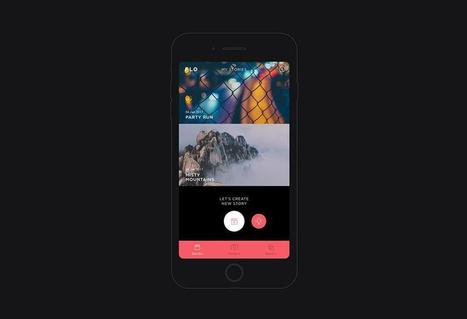
Here are 10 noteworthy video editing apps to finetune your video content from good to outstanding without the need for extensive editing.
Scoop.it!

Game Board Template This is just for fun, I created a game board template and thought I would share it. Create a Game I didn’t make the game for you, so you (or as Catlin Tucker says, have the student’s do it!) will need to create an idea to have student’s use a game board. …
Scoop.it!

Tried and true tools like Padlet, Wordle, Wordpress and more don't get the mentions they deserve. Steve Dembo shares eight trustworthy tools for teachers.
Scoop.it!

The world’s internet infrastructure is vulnerable, but snipping a couple of lines is the least of your concerns.
Scoop.it!

Apple technology represent some cutting edge tools & trends in education. While some are being implemented now, regular use of others is on the horizon. Via Jonathan Krahn, Lyle Dadian, Jim Lerman, Educational Peaks
Scoop.it!

Quizlet can be called a studying revelation as it combines education with fun and competition. It is a great tool to be used at schools, especially for tes Via Janina Kaye
Scoop.it!

Every now and then I come across sites which are really useful for dipping into for visuals and can be shared with colleagues and students alike. Below are some suggestions. Via Elizabeth E Charles, Janina Kaye
Scoop.it!

The last time you looked at your practice’s marketing efforts, what did you see? There’s a really good chance that if you’re anything like a lot of established business owners, whether in healthcare or not, you’ve saw a decline in the effectiveness of some of your tried-and-true marketing channels—radio, TV, yellow pages. It’s all too easy to be lulled into thinking, “I just need to boost my budget.” Unfortunately, this typically doesn’t lead to the gains that are expected, because the way consumers buy everything, even healthcare services from doctors and hospitals, is changing. Take the yellow pages for example, when was the last time you actually reached for a copy to find a number? These once ubiquitous reference books are down right hard to come by these days; most never even get delivered. What about radio and tv? According to a recent Omnicom Media Group study, 47% of people under about 50 years old fall into a group dubbed the unreachables. These are people who don’t watch traditional tv, instead viewing their tv as just another screen for YouTube and other streaming services. They are never going to see your expensive ad in the middle of the prime time lineup. This is not to say you should never use these methods, but in 2018 and beyond, digital marketing should be your primary marketing power tool for driving ROI. Here are 11 reasons your hospital or medical practice should focus on digital marketing in 2018 and beyond. More than ever before, we are all living in a digital world and prospective patients are no exception. We take to the internet to find a good place to eat, a well regarded salon or barber shop, and even a good doctor or dentist. In fact, almost 80% of all health care needs, which drive someone to choosing a doctor or hospital, begin online with research. This need for information has driven the meteoric rise of sites like WebMD. Potential patients are out there looking for information on their pains, that strange lump, their aching tooth, and many other health care needs. They aren’t looking for you to diagnose them for free over the internet. They are looking for confirmation that it is something to see a doctor about and that you are the doctor they should see. They are looking for options for a sick parent or other loved one. 2. Patients Want to See Good DoctorsPotential patients aren’t just looking for information on treatments and conditions. Roughly 44% of US internet users have searched for information specific to their providers. They are seeking reviews and ratings that indicate their choice of doctor or other health provider was good. While the end product is vastly different, this isn’t altogether different from finding a roofing contractor or plumber to the average consumer. They are simply trying to avoid making an expensive mistake by making an informed decision rather than simply picking the guy with the billboard by the highway. With the various popular health ratings sites and healthcare industry registries, it is really easy for potential patients to understand which providers are well-liked and why their patients like them. 3. Patients Appreciate Good FacilitiesAs an extension of researching specific providers, over 90% of potential patients are also looking at a facility’s reputation, too. Patients may think twice about engaging a physician who only does business with a hospital known for frequently having issues with certifications or inspections or known for being so underfunded that wait times are excessive for certain procedures. There are digital tools available to help keep track of patient concerns, provide opportunities for feedback, and allow potential patients to see that your facility is the kind of place they can get the top notch care they are seeking. As of a few years ago, mobile internet users surpassed users accessing the web from desktop or laptop computers; around 54% of internet users are using their phones or other mobile devices to access the web. This is the driving force behind a number of shifts in web design trends and requirements. For example, Google recently began changing their search rankings to help boost the level of mobile-friendly sites. Google has transitioned to a mobile-first strategy and prefers responsive design over having specific versions for mobile and desktop users. As of late 2016, the ideal site is able to detect whether someone is using a mobile device and presents the information in a way optimized for the device being used. Large easy-to-tap links and buttons, fast load times, and large easy-to-read fonts are the main keys to a great responsive site. Fast, responsive sites are no longer cutting-edge, they are a necessary part of having a website. This change doesn’t stop at web design, everything is trending toward mobile. Tablets and phones are quickly replacing laptops and desktops. While a large number of existing healthcare consumers may currently still be using laptops or desktops, as millennials and generation xers age, they represent a huge growth category for healthcare practitioners and they are increasingly replacing their computers with mobile and tablet devices. Not only are they looking for a mobile-friendly site, but they are also looking for patient portals and apps that work on their mobile devices, too. 5. Digital Marketing Results Can Be Tracked Easily and AccuratelyOne of the key differentiators for digital marketing initiatives is the amount of analytic data that can be tracked for each channel and campaign. Powerful and accurate metrics are available for everything from what search terms someone used to find your site right up to when they called for an appointment and everywhere in between. Unlike traditional marketing methods, which don’t allow for much tracking between publishing and any responses, digital campaigns are faster and easier to setup and modify and, with the right analysis of metrics, quicker to show a significant return on your investment. For example, with click-to-call advertising via Google Adwords and CallRail, it’s possible to track exactly how many people have seen your ad, how many people click to call, and even how long each call was and who it was from. All this extra data allows you to keep track of exactly what marketing strategies are resonating with your potential patients, which will allow you to focus on those strategies and cut out time and money being spent on ineffective strategies. If you’ve ever mailed out postcards or some other promotional materials, chances are a lot of time was spent preparing the collateral, setting up the mailing, and transporting the mailing to the post office. That’s a lot of time and money only to end up with questions about whether it was effective. What if there was a way that you could sit down for a couple of hours in the afternoon, put something together, and get it in front of your existing or potential patients? Better yet, what if you knew exactly how many people interacted with it? That’s email marketing in nutshell and it is still one of the most versatile digital tools for marketing. Emails can easily and inexpensively be designed for almost and purpose and format as well as personalized and segmented to focus their impact. In a Hubspot blog post offering a data-based analysis of email vs direct mail ROI, they found an “email-only campaign performed 95x times better in terms of ROI.” The direct mail campaign compared in the post cost about $21,000 while the email campaign cost $210 and both generated approximately $550,000 dollars in revenue. This isn’t to say direct mail can’t be effective, but $21,000 makes a much bigger splash than $210 when it comes to marketing budgets.
7. Digital Marketing Isn’t One Size Fits All When it comes to marketing, budget can be a serious limiting factor. Not everyone can afford expensive media buys, sponsorships, and other marketing initiatives using traditional channels, but, thanks to how scalable and affordable digital marketing can be, almost anyone can afford something effective. Email and digital advertising tools can be highly localized and segmented to keep audiences small. This may sound counter intuitive, but being able to restrict your marketing to specific cities or towns, specific market territories, or even specific types of people are important capabilities to enable effective use of your marketing budget. Reaching only your specific target audience means you’re not paying for excess exposure that has no chance of turning into a new appointment booking. The versatility and flexibility of digital marketing, in contrast to the relative rigidity of traditional marketing, enable your marketing initiatives to cope with the constant changes in healthcare. Rather than requiring a significant reinvestment of time and capital to refocus a campaign, digital marketing enables you to consistently tweak, pause, and refocus your campaigns all along so they continue to effectively produce regular, repeatable results. 8. Digital Video is Hot Right NowLive and pre recorded streaming video are experiencing a huge surge in popularity. With social media giants scrambling to one-up each other on video, people are increasingly looking for healthcare providers to show them rather than tell them. From pediatric dentists helping parents brush their toddler’s teeth to prosthetists showing the correct way to fit a prosthesis, online video has impact that goes beyond simple social media posts and text-based website content. Don’t overlook the live streams! While people love pre recorded video (Youtube is often touted as the second largest search engine), live streaming video holds viewers attention longer. As reported by Livestream, Tubular Insights indicates viewers watch live video 8X longer on-demand video—from just over 5 minutes of on-demand video to almost 43 minutes of live video. As brands compete for eyeballs in the newsfeed, live is a key differentiator. 9. Voice is Becoming the New KeyboardAlong with the shift toward mobile, we’re seeing rapid development in voice-based interaction. Consumers are beginning to utilize digital assistants like Siri, Alexa, and the Google Assistant to find information, keep track of appointments, and do other activities they previously would have used a keyboard and mouse to complete. Additionally, an entire new segment of voice-first devices are quickly and quietly expanding at rapid pace—smart speakers. That new Amazon Echo, which to most just looks like a great gift for someone, could be a treasure trove of new patients for enterprising healthcare providers. Some big names in healthcare are already making inroads with their own apps for smart speakers, but it is still early days. Where the average practice is going to see the most change and has the most potential to gain patients in the short term is in the monumental shift to search engine optimization that voice-based interactions are causing. Now instead of following the traditional search engine optimization methods of focusing on keywords, search engines are looking for longer, natural sounding questions and phrases. For example, instead of creating pages around single small keyword phrases, like “Knoxville chiropractor appointment” you’re putting together content aimed at answering longer phrases like “Where can I book a chiropractor appointment in Knoxville?” Making this transition will not only boost your performance with newer, smarter search algorithms, but also voice search. 10. The Consumerization of Healthcare With the shifts in healthcare costs and insurance of recent years and the expansion of healthcare providers throughout the US, providers need to start catering to informed consumers. Now, instead of going to their family doctor or visiting the town hospital, patients have a plethora of options available from a quick service clinic in their favorite grocery store or pharmacy to a specialist facility. This is where marketing comes in—securing new patients well before they make that first appointment booking. By taking cues from the retail and service industries and other businesses focused on sales, healthcare providers can see strategies and methods at work that will attract and retain the kind of informed and active patients to your hospital or practice who understand what they want and are willing to post reviews and recommendations online and actively recommend your practice to friends and family, which still carries strong influence even in a digital world. In fact, according to BrightLocal, 97% of people read reviews online and 85% trust those online reviews as much as personal recommendations. It’s hard to argue with numbers like that.
11. Patients Want Convenient Care When it comes to their health, patients don’t want to cut corners on their care. That said, when they have the option of seeing two equally great doctors, convenience comes into play. Patients don’t want to drive 45 minutes and wait 2 hours to see a doctor when they could just as easily get the same care from another doctor 5 minutes from their home without the wait. According to a recent survey by Health Research Institute, about 50% of consumers 18-55 would be likely to choose new options, like quick service clinics and telehealth services, for some of their healthcare needs. These services are quickly putting pressure on doctors and hospitals by offering convenience in dealing with common ailments and procedures. Digital marketing enables you to take your practice to these consumers and meet them where they are well before their first appointment. The tracking metrics available with digital marketing help you understand what your patients need and want. Providing the information patients want allows them to connect with you as a provider understand that you value them. Showing patients you value their time as much as you value your own time, prioritizing convenient services and locations, and highlighting other patient-focused initiatives is a perfect way to excel with digital marketing. However you choose to market your practice, embracing digital is essential. Whether digital first or digital only, healthcare practitioners need to utilize digital marketing, if for no other reason than digital media and advertising win out over traditional media in many categories. From providing an easy way for potential patients to window shop providers to putting your ad in front of the unreachables, digital marketing strategies and tactics will be key for effectively increasing the number of patients you serve in 2018. Via Plus91
Scoop.it!

"We've scoured the internet to find some of the best places to find high-quality background music for video that will give your content a professional feel ..." Via Leona Ungerer
Scoop.it!
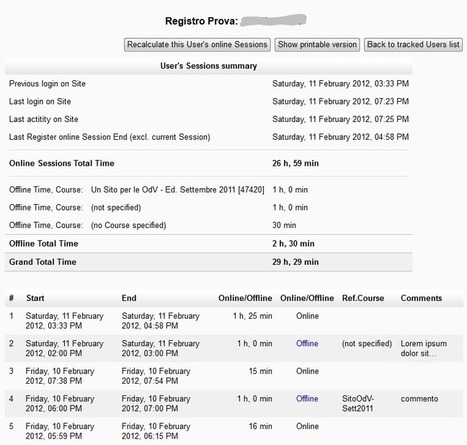
This is an activity module for tracking time spent by Students (or other users) in a Course or in a related group of Courses.
Online activity is automatically tracked. Users may also (optionally) record "offline" sessions of work. The module will show aggregate report by user, or detailed report at user's session level. Printable versions of all reports are available. Via Miloš Bajčetić |
Scoop.it!

"Gifts are plentiful during the holidays. But Christmas came early for some higher-ed institutions in the form of freebies and discounts from big technology companies. Amazon gave Echo Dots. Apple also reached out with iPad Pros and other hardware at a discounted rate." Via EDTECH@UTRGV
Scoop.it!

When it comes to technology use, can educators strike a balance between access and concerns about screen addiction? Via EDTECH@UTRGV 
GwynethJones's curator insight,
January 7, 2018 9:43 AM
This has been on my mind lately. Kids, devices, & mindfulness.
Scoop.it!

This list highlights different ways to use Adobe Spark with Google Classroom so you can take advantage of the power of both of these awesome tools.
Scoop.it!

I wanted to share some of my absolute favorite resources for virtual reality in education. Here are tools for teachers looking for new educational VR apps.
Scoop.it!

An amazing feedback app. Create QR codes and attach audio feedback for students/parents to listen to. QR codes are emailed to you after requesting them from the app. Glue into books to evidence you…
Scoop.it!

Free resource of educational web tools, 21st century skills, tips and tutorials on how teachers and students integrate technology into education
Scoop.it!
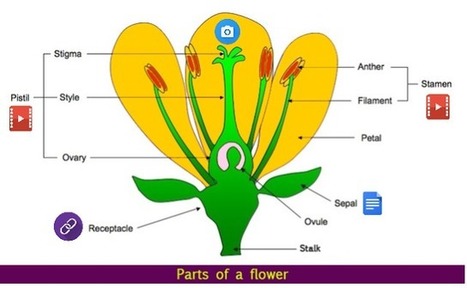
One more educational use for Google Drawings is to create an interactive multimedia poster. This is very much like creating a Thinglink. Let’s call it a Googlink. Via Elizabeth E Charles, Janina Kaye
Scoop.it!

The simplest online image editor. Create your own designs — posts, covers, graphics, and posters using the best software on the web. It's easy! Via THE OFFICIAL ANDREASCY, Elizabeth E Charles, Janina Kaye 
THE OFFICIAL ANDREASCY's curator insight,
October 31, 2017 3:48 PM
Perfect for your bootstrapped company. 
Mubashir Husayn's curator insight,
November 1, 2017 6:48 AM
Banner ad design is powerful way to promote your business online. It is an important for every business having a graphical representation in other word it is best way to promote your business. If you have banner ad design it shows on different website which shows your business. Today’s is high competition to promote your business
Scoop.it!

Today we’re introducing the ability to follow hashtags, giving you new ways to discover photos, videos and people on Instagram. Now it’s even easier to stay connected with the interests, hobbies, passions and communities you care about. Via elearning hoje, Janina Kaye
Scoop.it!

Wanda Terral is the District Technology Coordinator for the Lakeland School System (TN). Terral shares creative ideas for use with Google Drawings. Via Dr. Tom D'Amico (@TDOttawa) |






