NASA estimates that the Milky Way Galaxy is home to at least 100 billion planets. Others believe it could be anywhere from 200-300 billion. Using data from exoplanet-hunting missions such as Kepler, Gaia, and now James Webb, we can identify and confirm their existence. So, how many exoplanets have been discovered?
NASA confirmed exoplanets: 5,470
Number of confirmed planetary systems: 4,074
NASA exoplanet candidates (unconfirmed): 9,719
These are the number of confirmed exoplanets and planetary systems by NASA, followed by the number of exoplanet candidates, which are discoveries that could be planets but are still unconfirmed by researchers.
What is an exoplanet?
An exoplanet is any planet orbiting a star outside of our solar system. Exoplanets can come in many different sizes and compositions. NASA categorizes the 5,241 confirmed exoplanets into 5 subtypes: Neptune-like, Super Earth, Gas Giant, Terrestrial, and the unknowns. Here’s how the space agency describes each:
Neptune-like (1,881) These planets are Neptunian worlds, similar to Uranus or Neptune in our solar system.
Super Earth (1,661) Super-Earths are exotic planets unlike any in our solar system–more massive than Earth yet lighter than gas giants like Neptune, and they can be made of gas, rock, or a combination of both.
Gas Giant (1,724) These planets belong to a class known as gas giants, similar to Jupiter or Saturn in our solar system.
Terrestrial (198) Terrestrial planets are rocky, with iron-rich cores, like Mercury, Venus, Earth, and Mars in our solar system.
Gene therapies have made spectacular progress in delivering new cures for previously intractable disease, but they remain the world’s most expensive treatments by far. Now companies are replacing the virus in gene therapies with new delivery technologies that promise not only to overcome the limitations of viral vectors but to slash production costs too. Moderna and Generation Bio teamed up recently to develop non-viral gene therapies for liver and immune-related conditions, in a deal that builds on Generation Bio’s lipid nanoparticle (LNP) delivery platform. The collaboration is part of a growing trend to swap virus-driven gene therapeutics for innovative nucleic acid delivery platforms that escape the high costs and technical limitations of viral vectors.
Engineered lipid or protein nanobodies, DNA-based nanocarriers, and novel physicochemical methods point the way toward re-dosable genetic medicines (Table 1). Virus-based vectors — particularly those based on adeno-associated virus (AAV) and lentiviruses — have dominated the first wave of gene therapies to gain regulatory approval. But their widespread deployment in dozens of clinical trials has exposed their limitations very clearly. “One of the issues is just the biomass needed to produce a sufficient amount, like AAV at the scale and in the doses needed for large indications,” says Akin Akinc, CEO of Aera Therapeutics, a company developing a protein-nanoparticle-based delivery system. AAV vectors are further limited by their 4.7-kilobase packaging capacity; poor tissue selectivity; risk of liver toxicity; and immunogenicity, which eliminates the possibility of redosing. Lentiviral vectors and, to a lesser extent, AAV vectors also elicit oncogenicity concerns arising from chromosomal integration and insertional mutagenesis. Moreover, the theoretical risk of replication-competent viruses emerging from recombination events during lentiviral production necessitates extensive testing in patients.
To provide a viable alternative, non-viral technologies need to satisfy certain well-defined requisites. They must accommodate a large payload and deliver it to specific organs, lack immunogenicity to allow re-dosing, and have a high safety margin and low production costs. Although most are still preclinical, the field is gaining momentum. In recent months, Aera raised $193 million to progress a protein-nanoparticle system based on endogenous human proteins. These assemble spontaneously into capsid-like structures that can deliver a nucleic acid cargo. Intergalactic Therapeutics plans to start clinical trials next year of a gene therapy that employs in vivo electroporation to deliver covalently closed, circular DNA molecules to retinal cells. And ReCode Therapeutics has just entered the clinic with a nebulized LNP that delivers mRNA encoding a protein, DNAI, to the lungs of patients with primary ciliary dyskinesia arising from mutations in dynein axonemal intermediate chain 1 (DNAI1). The global rollout of inexpensive LNP-based mRNA COVID-19 vaccines has demonstrated that it is feasible to manufacture and deliver billions of doses, including repeat doses, of at least one form of nucleic acid. There is, however, a substantial difference between delivering mRNA to antigen-presenting cells locally in muscle and delivering LNP-encapsulated DNA or other cargoes to the cell nucleus within target tissues, be they in the liver, muscle, lungs, heart or other organs, while avoiding triggering innate immune responses. The cell targeting needs to be more sophisticated while the DNA payload may also require modification to ensure it is efficiently localized to the nucleus upon cell entry. For example, Generation Bio’s closed-end DNA (ceDNA) has a covalently closed structure to resist nuclease attack in the cytoplasm and two inverted terminal repeats flanking the transgenes and its regulatory elements to promote nuclear uptake. The liver is another obstacle for any systemically delivered gene therapy not intended for that organ, because it scavenges from the circulation viral and non-viral vectors alike, along with other exogenous and endogenous macromolecules and nanoparticles. The key culprit is the serum protein apolipoprotein E (ApoE), says David Lockhart, president and CSO of ReCode. It promiscuously binds circulating LNPs or other delivery vehicles, and most of them end up in the liver, as it is rich in ApoE-binding low-density lipoprotein receptors. “If you don’t avoid ApoE binding, the liver is a sink,” he says.
To direct delivery to different organs, Recode adds a fifth, selective organ targeting (SORT) lipid to the classical four-lipid nanoparticle composition, an approach developed by company co-founder Daniel Siegwart of the University of Texas Southwestern Medical Center. “It’s not one magic lipid — this is a class effect,” Lockhart says. These lipids bind specific serum proteins whose receptors are strongly expressed by the target cells. Thus, adding a lipid that binds the adhesion protein vitronectin improves delivery to the lung, whereas one that binds β2-glycoprotein 1 boosts delivery to the spleen. Generation Bio also adds a fifth, targeting ligand to its LNPs to avoid default trafficking to resident macrophages in the liver and spleen, but the mechanism differs from that of ReCode’s. “It’s a direct receptor engagement,” says Matthew Stanton, CSO at Generation Bio. The company has not yet published details of its ‘stealth’ LNPs but claims it can avoid default trafficking to the liver and spleen, particularly to their resident macrophages. “That’s what got Moderna so excited,” he says. Anjarium Biosciences of Schlieren, Switzerland, achieves cell-specific delivery with antibodies or antibody fragments, which it attaches to its proprietary ‘hybridosme’ nanoparticles. The latter are based on LNPs and exosomes. “We have a composite particle with elements of each,” says CSO and co-founder Joël de Beer. Exosomes have proven to be difficult to load with genetic cargo, he says, but they can be readily modified externally. They are also immunologically silent, given their ubiquity in human circulation and tissues. “The issue with LNPs of course is biodistribution,” he says. But they are efficient carriers of nucleic acids. The company’s aim is to capture their combined benefits while avoiding their shortcomings.
Delivery vehicles based on other materials can avoid the issue of liver trafficking from the outset. Code Biotherapeutics is developing a DNA-based nanocarrier that has no inherent liver tropism. Its technology comprises a multivalent structure assembled by hybridizing multiple single strands into double-stranded monomers, which are then cross-linked to form a stable particle. Up to 18 copies of a therapeutic payload and another 18 of a targeting moiety can be attached externally. “We have pretty precise control over how we can build that,” says Brian McVeigh, CEO and co-founder of Code.
Yet another option is to build carriers from phage proteins. Gensaic is using three capsid proteins from phage M13, a resident of the human microbiome, in protein-based nanoparticles. “These particles don’t have a pre-existing tropism,” says CEO Lavi Erisson. The protein-based system is readily amenable both to protein engineering methods, for the addition of targeting moieties, and to high-throughput screening methods, for the identification of particles with the desired attributes. The company’s programs remain at an early stage, but efforts in Duchenne muscular dystrophy, cystic fibrosis and central nervous system disorders are underway. Aera’s approach also involves proteins that are present in the body. They are derived from retroelements, such as human endogenous retroviruses and retrotransposons, which constitute a sizeable percentage of the human genome. “By starting with human proteins, we’re starting at a lower immunogenic risk,” says CEO Akinc. Scientific founder Feng Zhang of the Broad Institute of MIT and Harvard has described one such particle, based on a protein called PEG10. Jason Shepherd of the University of Utah has supplied Aera with another protein nanoparticle, based on a protein called Arc, which is expressed in the brain. The company is actively seeking others. “I tend to think there’s going to be better ones out there,” says Akinc. For manufacturing, Aera is employing a cell-free process, unlike the cell-based process that Zhang and colleagues described in their original report. “We can precisely control what we’re putting into the mixture,” says Akinc. The company has not yet disclosed any development programs, but its initial focus will be on short interfering RNA (siRNA), mRNA and gene-editing cargoes. “We are interested in DNA delivery as well,” he says. “I tend to think there’s going to be better ones out there.”
Other types of nanoparticles — polymer-based, for instance — do not traffic to the liver by default so developers do not have to deal with that problem. “Typically they’re designed or discovered on a per-tissue basis,” says Sean Kevlahan, CEO and co-founder of Nanite. The rules that determine why a particular particle traffics to a particular tissue are not fully understood, however, and the company is addressing this issue. “If you don’t understand why, then you can’t design them effectively,” he says. To explore the vast chemical space of polymer nanoparticles, the company has developed rapid synthesis and computational methods. It recently secured funding from the Cystic Fibrosis Foundation to identify polymer-based nanoparticles equipped to penetrate the thick mucus that clogs the airways of patients and deliver an mRNA payload. For working ex vivo or for tissues that are readily accessible, scientists may choose to apply physicochemical tools. Apart from one from SQZ Biotech, which is now struggling to stay afloat, most tools remain in preclinical development, although they are edging closer to the clinic. Intergalactic is employing a proprietary needle-like electrode to deliver its C3 double-stranded DNA molecules to target cells. These are assembled in vitro from libraries of transgenes and regulatory elements and then combined into the final product in engineered bacterial cells, which ensures ease of manufacture and low cost of goods. The final DNA product is fully human and does not contain any viral or bacterial sequences. In the company’s lead program, aimed at ABCA4 retinopathy, a solution containing the DNA is administered by subretinal injection and the same area is then exposed to a low-energy electric field. The method is broadly applicable. “Any tissue that can be biopsied is a potential candidate for local [gene] delivery,” says José Lora, Intergalactic’s CSO.
Maynooth, Ireland-based Avectas is developing a novel method of ex vivo gene transfer, in which it transiently exposes cells to a solubilizing spray, which contains ethanol and other constituents. This temporarily permeabilizes the cell membrane, allowing macromolecules, such as nucleic acids or gene editing components, to cross into the cytoplasm. Lab tests on T-cells suggest it is on a par with electroporation in terms of gene transfer efficiency, but the transfected cells exhibit less perturbation of gene expression. “Ultimately, that results in a cell that has the potential to be more highly functional,” says Justin McCue, chief technology officer at Avectas. Ultimately, gene therapy’s claims of ‘one and done’ may need revising as transgene expression wanes over time, and if the therapy is virus-based, potential immunogenicity means patients will be unable to receive a second dose. Non-viral gene delivery particles that can reliably demonstrate a lack of immunogenicity could eliminate that issue. What’s more, they could also change the safety equation during clinical development. “It’s not about getting to the maximum-tolerated dose and seeing if you’re efficacious,” says Stanton. Instead, developers can stack multiple “well-tolerated doses” over time, he says, which allows patient-specific dose titration. And if those nanoparticles are also able to evade the liver and reach their target organ, the whole experience of gene therapy will become similar to taking a biologic drug. It will take time and effort to deliver this vision — but it is now starting to take shape.
A scorching hot world where metal clouds rain drops of titanium and other metals has been designated as the most reflective planet ever observed outside of our Solar System by astronomers.
Key points:
The side of exoplanet LTT9779b facing its star reaches 2,000 degrees Celsius
This helps it form metallic clouds that act like a shield and reflects 80 per cent of light
Scientists say this also prevents its atmosphere from being blown away, defying the odds
This strange world, which is more than 260 light years from Earth, reflects 80 per cent of the light from its host star, according to new observations from Europe's exoplanet-probing Cheops space telescope. That makes it the first exoplanet comparably as shiny as Venus, which is the brightest object in our night sky other than the Moon. First discovered in 2020, the Neptune-sized planet called LTT9779b orbits its host star in just 19 hours. Because it is so close, the side of the planet facing its star is a sizzling 2,000˚C, which is considered far too hot for clouds to form. Yet LTT9779b seems to have plenty of them. "It was really a puzzle," said Vivien Parmentier, a researcher at France's Cote d'Azur Observatory and co-author of a new study in the journal Astronomy and Astrophysics. The researchers then "realized we should think about this cloud formation in the same way as condensation forming in a bathroom after a hot shower," he said in a statement. Like running hot water steams up a bathroom, a scorching stream of metal and silicate — the mineral of which glass is made — oversaturated LTT9779b's atmosphere until metallic clouds formed, he said. These clouds "act like a mirror," reflecting away light, according to the European Space Agency's Cheops project scientist Maximilian Guenther.
Researchers have discovered the most distant active supermassive black hole to date with the James Webb Space Telescope. The galaxy, CEERS 1019, existed just over 570 million years after the big bang, and its black hole is less massive than any other yet identified in the early universe. Not only that, they’ve easily “shaken out” two more black holes that are also on the smaller side, and existed 1 and 1.1 billion years after the big bang.
Webb also identified eleven galaxies that existed when the universe was 470 to 675 million years old. The evidence was provided by Webb’s Cosmic Evolution Early Release Science (CEERS) Survey, led by Steven Finkelstein of the University of Texas at Austin. The program combines Webb’s highly detailed near- and mid-infrared images and data known as spectra, all of which were used to make these discoveries.
CEERS 1019 is not only notable for how long ago it existed, but also how relatively little its black hole weighs. This black hole clocks in at about 9 million solar masses, far less than other black holes that also existed in the early universe and were detected by other telescopes. Those behemoths typically contain more than 1 billion times the mass of the Sun – and they are easier to detect because they are much brighter. They are actively “eating” matter, which lights up as it swirls toward the black hole.
The black hole within CEERS 1019 is more similar to the black hole at the center of our Milky Way galaxy, which is 4.6 million times the mass of the Sun. This black hole is also not as bright as the more massive behemoths previously detected. Though smaller, this black hole existed so much earlier that it is still difficult to explain how it formed so soon after the universe began. Researchers have long known that smaller black holes must have existed earlier in the universe, but it wasn’t until Webb began observing that they were able to make definitive detections. (CEERS 1019 may only hold this record for a few weeks – claims about other, more distant black holes identified by Webb are currently being carefully reviewed by the astronomical community.)
Webb’s data are practically overflowing with precise information that makes these confirmations so easy to pull out of the data. “Looking at this distant object with this telescope is a lot like looking at data from black holes that exist in galaxies near our own,” said Rebecca Larson of the University of Texas at Austin, who led this discovery. “There are so many spectral lines to analyze!” Not only could the team untangle which emissions in the spectrum are from the black hole and which are from its host galaxy, they could also pinpoint how much gas the black hole is ingesting and determine its galaxy’s star-formation rate.
The team found this galaxy is ingesting as much gas as it can while also churning out new stars. They turned to the images to explore why that might be. Visually, CEERS 1019 appears as three bright clumps, not a single circular disk. “We’re not used to seeing so much structure in images at these distances,” said CEERS team member Jeyhan Kartaltepe of the Rochester Institute of Technology in New York. “A galaxy merger could be partly responsible for fueling the activity in this galaxy’s black hole, and that could also lead to increased star formation.”
Nvidia has emerged as the clear leader in powering the early days of the AI revolution, but rivals big and small are looking to close the gap. Heavyweights such as Advanced Micro Devices (AMD) and Intel are spending billions of dollars to enhance their AI offerings, while startups are attracting investors eager to get into the next possible chip giant. Meanwhile, cloud-computing companies such as Amazon and Google are developing their own chips and are trying to become bigger players in this area.
The current AI boom began late last year, when OpenAI’s ChatGPT tool captured the public’s imagination by generating cogent text in response to prompts. The attention led to a surge of investment in chips that can create and deploy ChatGPT and other so-called generative AI language systems.
Nvidia was a leader in producing such AI chips, thanks in part to its background in making semiconductors for video game graphics that were repurposed for AI years ago. The latest wave of enthusiasm juiced sales for Nvidia, skyrocketing its valuation above $1 trillion and prompting Chief Executive Jensen Huang to declare AI a revolutionary technology on par with personal computers and smartphones. The Santa Clara, Calif.-based company controls more than 80% of the increasingly lucrative business of doing the behind-the-scenes number-crunching that is driving the AI wave, according to analyst estimates.
AMD is seen as the closest rival to Nvidia. The company is a longtime competitor that has its own line of AI processors and deep relationships with big datacenter operators hungry for computing power. Forrest Norrod, the head of datacenter hardware at AMD, said the generative-AI boom led by ChatGPT caught the company by surprise, but he said the industry wants a competitor for Nvidia. “There are a lot of people who desperately want an alternative,” he said.
AMD had been planning a new generation of its AI chips since last year, but the surge in generative AI led to an addition to the lineup: a version of the chip, unveiled in June, specifically meant for the sophisticated algorithms that power AI models such as ChatGPT.
AMD could reach a 20% market share in AI chips over time, Northland Capital Markets analyst Gus Richard estimated recently, both because of the strength of its products and because the world needs a second source to Nvidia.
Intel has also pushed back against what it called the narrative suggesting only Nvidia’s chips can run generative AI. In a blog post late last month, Intel touted its performance in recent AI benchmarks, saying its chips could be “compelling options for customers looking to break free from closed ecosystems.” AMD and Intel have made purchases in recent years to enhance their AI offerings. In 2022, AMD spent $35 billion on Xilinx, a designer of chips that can be reprogrammed after they are produced and can be made adept at AI computation. Intel bought the Israeli AI startup Habana Labs in 2019 for about $2 billion and is now producing its chips.
The rivals might be able to make inroads against Nvidia because of how their AI software is structured. Nvidia’s software is proprietary, meaning software developers don’t have the freedom to toy with it. Intel and AMD offer open-source alternatives, an option that some customers may find appealing.
IgG3 antibodies are the most potent subclass of IgG, yet are the only subclass not used as therapeutics. That stems partly from the fact that nobody knew what they looked like and what complexes they formed and when. Now, Leoni Abendstein solved the structure of antigen-bound IgG3, both alone and activating complement, and discovered loads about how these unique antibodies work
IgG3 is unique among the IgG subclasses due to its extended hinge, allotypic diversity and enhanced effector functions, including highly efficient pathogen neutralisation and complement activation. It is also underrepresented as an immunotherapeutic candidate, partly due to a lack of structural information. Here, we use cryoEM to solve structures of antigen-bound IgG3 alone and in complex with complement components. These structures reveal a propensity for IgG3-Fab clustering, which is possible due to the IgG3-specific flexible upper hinge region and may maximise pathogen neutralisation by forming high-density antibody arrays. IgG3 forms elevated hexameric Fc platforms that extend above the protein corona to maximise binding to receptors and the complement C1 complex, which here adopts a unique protease conformation that may precede C1 activation. Mass spectrometry reveals that C1 deposits C4b directly onto specific IgG3 residues proximal to the Fab domains. Structural analysis shows this to be caused by the height of the C1-IgG3 complex. Together, these data provide structural insights into the role of the unique IgG3 extended hinge, which will aid the development and design of upcoming immunotherapeutics based on IgG3.
Creating new drug candidates is a heroic endeavor, often taking over 10 years to bring a drug to market. New supercomputing-scale large language models (LLMs) that understand biology and chemistry text are helping scientists understand proteins, small molecules, DNA, and biomedical text.
These state-of-the-art AI models help generate de novo proteins and molecules and predict the 3D structures of proteins. They can predict the binding structure of a small molecule to a protein and are offering scientists easier ways to engineer new candidate drugs and ultimately bring hope for patients.
After Exscientia brought an AI-designed drug candidate to a clinical trial in 2021, several other companies have announced that their candidates are in trials. Within drug companies focused on AI-based discovery, there is publicly available information on about 160 discovery programs, of which 15 products are reportedly in clinical development.
At the forefront of AI-based drug discovery are generative AI models for applications such as generating high-quality proteins. These large, powerful models learn from unlabeled data (such as sequencing data) on multi-GPU, multi-node, high-performance computing (HPC) infrastructures.
With the novel NVIDIA BioNeMo Service, workflows for generative AI for biology are optimized and turnkey. You can focus on adapting AI models to the right drug candidates instead of dealing with configuration files and setting up supercomputing infrastructure.
BioNeMo Service
BioNeMo Service is a cloud service for generative AI in early drug discovery, featuring nine state-of-the-art large language and diffusion models in one place. The models in BioNeMo are accessible through a web interface or fully managed APIs and can be further trained and optimized on NVIDIA DGX Cloud.
With BioNeMo Service, you can perform any of the following tasks:
Generate large libraries of proteins.
Build property predictors using embeddings to refine protein libraries.
Generate small molecules with specific properties.
Rapidly and accurately predict and visualize the 3D structure for billions of proteins.
Run large campaigns of ligand-to-small-molecule pose estimations.
Download proteins, molecules, and predicted 3D structures.
Generative AI models in BioNeMo Service
BioNeMo Service features nine AI generative models covering a wide spectrum of applications for developing AI drug discovery pipelines:
AlphaFold 2, ESMFold, and OpenFold for 3D protein structure prediction from a primary amino acid sequence
ESM-1nv and ESM-2 for protein property predictions
ProtGPT2 for protein generation
MegaMolBART and MoFlow for small molecule generation
DiffDock for predicting the binding structure of a small molecule to a protein
While paper isn’t exactly a smart material, it someday could be if it is covered in a new type of liquid metal. This liquid alloy has the potential to turn paper and other materials into gadgets that can do some things on their own. Liquid metal is already used in smart objects like circuits and wearable sensors—but not as a coating. Inspired by origami, a team of scientists led by Bo Yuan of Tsinghua University in China has figured out a way to formulate liquid metal and apply it with a stamp so it sticks to paper without an adhesive, which has never been possible before. In a study recently published in Cell Reports Physical Science, the scientists showed that paper coated in the metal can be crafted into origami shapes and re-fold itself. The metal coating also conducts heat and electricity. It’s like magic. Almost.
A sticky alloy
Because the particles in liquid metal tend to stay so close together, it is difficult to get it to adhere to any surface without something that acts as glue. But these adhesives usually have a negative effect on the metal’s properties, such as its conductivity. Yuan and his team wanted a liquid metal that could stick to paper without an adhesive. They used an alloy of bismuth, indium, and tin oxide (BiInSn) and tested how well it performed next to an indium/gallium alloy (eGaIn).
BiInSn turned out to be more effective. Unlike eGaIn, it doesn’t oxidize when exposed to air, so how well it sticks to a surface does not depend on the oxide film that forms on the metal. BiInSn is a solid at room temperature and has a higher melting point, so there is no risk of it liquefying at temperatures under 62° Celsius (about 144° Fahrenheit). It is also capable of stronger adhesion. However, getting optimal adhesion out of BiInSn required trial and error. “We needed to ensure the adhesion of liquid metal to be uniform in large scale on different paper, and to maintain the stability of the coating,” Yuan told Ars Technica in an email interview. “To solve these problems, we changed pressure applied on the stamp as well as the rubbing speed used in the experiments and finally found the most suitable parameters, which finally achieved fast, large-scale, and stable adhesion.”
The researchers tried stamping it onto paper with different amounts of pressure and found out that not much is needed for it to stay in place. They then created an origami cube out of the metal-coated paper, which required the edges to adhere to each other without any other binding agent. They even saw that when that square was unfolded, the coated paper could fold itself back into its original shape. Because the metal coating was self-adhesive, the edges that had been unfolded attracted each other until the paper became a cube again. Another shape they tried was a spring that could be stretched or compressed and would remain however it was adjusted. It was also possible for the team to build 3D structures out of individual pieces of flat, metal-coated paper. These structures could keep their shape without falling apart, and the coating could just be peeled off afterward without affecting the properties of its paper substrate in any way. The coating, which also lost none of its properties, could be recycled and used repeatedly. The paper just went back to being paper.
Next steps
Yuan thinks self-adhesion through liquid metal is an advantage, because, if it can be done with paper, it could be done with other thin, lightweight materials to create smart objects and soft robots that can fit into tight spaces. The next thing he wants to accomplish is finding a coating where the metal does not peel off once solidified. He is considering testing bio-friendly paint spray to protect the coating in materials that may eventually be used as packaging (boxes could open and close themselves just like the paper cube in the experiment), on human skin (bandages would come off painlessly without glue), underwater, and even in conditions seen on other planets and moons.
This substance could possibly be an asset to soft robots in alien environments. Some soft robots can already explore the deepest reaches of the ocean where the pressure is too high for humans and the cracks and crevices too small for larger machines. Soft robots are being designed with an eye for subsurface tunnels on Mars and other bodies in space. Autonomous soft robots that are thin and flexible would be able to venture into places where larger rovers are unable to fit or navigate safely, and the self-adhesion of the liquid metal coating would allow them to fold and unfold on their own.
“Utilizing our method, one can quickly create smart materials with good thermal and electrical conductivity as well as stiffness-tunable ability, which greatly expands material options for soft robots,” Yuan said in the interview. “I think that this method may provide a new route for designing space explorers."
A search for oscillations in the frequencies of optical clocks has come up empty, implying new bounds on ultralight dark matter particles.
At the extreme end of the dark matter mass range lies ultralight bosonic dark matter (UBDM), which is expected to behave like a sea of light-year-long waves. One way to detect this highly extended dark matter is to look for small oscillations in fundamental constants, such as the fine structure constant. A new experiment using an optical clock made of a single ion has set the tightest constraints so far on UBDM candidates [1].
A sea of UBDM particles is predicted to have an influence on fundamental quantities, such as the electron charge or quark masses. The wave motion of the sea would cause this influence to vary over time, leading to tiny oscillations in fundamental constants. To search for these oscillations, researchers have previously used high-precision optical clocks, whose frequencies depend on fundamental constants but in atom-specific ways. By comparing two different clock frequencies, past work has placed strong limits on UBDM models (see Synopsis: Optical Clocks Join the Hunt for Dark Matter).
To up the ante, Nils Huntemann from the National Metrology Institute (PTB) of Germany and colleagues performed a UBDM search with ytterbium, whose clock frequencies are especially sensitive to changes in the fine structure constant. The team’s primary experiment involved a single trapped ytterbium ion, which has two separate clock frequencies. The researchers looked for a UBDM signal by measuring both frequencies in an alternating sequence. This single-ion setup might be of interest for future space missions that could explore the UBDM density near the Sun, Huntemann says. The team also compared the ytterbium clock to a strontium clock. Together, the data offer world-leading constraints on UBDM in the mass range of 10−24 to 10−17 eV/c2.
LongNet is a Transformer variant that can handle sequences longer than 1 billion tokens without sacrificing performance. It introduces dilated attention, which expands the attentive field exponentially as the distance grows. LongNet has linear computation complexity and can be used for distributed training. Experimental results show strong performance on long-sequence modeling and general language tasks.
What if you could see out to the edge of the observable universe? You would see galaxies, galaxies, galaxies, and then, well, quasars, which are the bright centers of distant galaxies. To expand understanding of the very largest scales that humanity can see, a map of the galaxies and quasars found by the Sloan Digital SkySurvey from 2000 to 2020 -- out to near the edge of the observable universe -- has been composed.
It's like combining Google Translate with a time machine:
Researchers have unearthed hundreds of thousands of cuneiform tablets, but many remain untranslated.
Translating an ancient language is a time-intensive process, and only a few hundred experts are qualified to perform it.
A recent study describes a new AI that produces high-quality translations of ancient texts.
Translation isn’t simply a matter of swapping one word for a corresponding word in another language. A high-quality translation requires the translator to understand how both languages string thoughts together and then use that knowledge to create a translation that maintains the linguistic nuances of the original, which native speakers effortlessly understand.
As difficult as that process is, it’s nothing compared to the challenge of translating an ancient language into a modern tongue. These translators must not only resurrect extinct languages from written sources but also have intimate knowledge of how the cultures that produced those sources evolved over centuries. If that weren’t enough, their sources are often fragmented, leaving crucial context lost to the ages.
Because of this, the number of people capable of translating languages from antiquity is small, and their best efforts are often outpaced by the volume of texts unearthed by archeologists. Take ancient Akkadian. This early Semitic language is one of the best attested from the ancient world. Hundreds of thousands, by some accounts more than a million, Akkadian texts have been discovered and today lie in museums and universities. Many have even been digitized online. Each one has the potential to teach us about the life, politics, and beliefs of the first civilizations, yet this knowledge remains locked behind the time and manpower necessary to translate them.
To help change that, a multidisciplinary team of archaeologists and computer scientists has developed an artificial intelligence that can translate Akkadian almost instantly and unlock the historic record preserved in these 5,000-year-old tablets. Hundreds of thousand of cuneiform tablets are housed in museum and university collections, yet many of these remain untranslated due to how time-intensive the process is and how few people have the expertise to do so.
Akkadian lost (and found)
Akkadian was the mother tongue of the Akkadian Empire, which arose around 2300 B.C. through the conquests of its founder, Sargon the Great. As a spoken language, Akkadian would eventually split into Assyrian and Babylonian dialects before being completely supplanted by Aramaic early in the first millennium BC. Today, it is a truly extinct language, without even daughter languages to carry on its legacy.
As a written language, however, Akkadian proved more enduring. The empire borrowed the cuneiform script of its predecessor, the Sumerian civilization. This writing system used a reed stylus to impress wedge-shaped glyphs into wet clay tablets before baking them (hence the name cuneiform, which literally means “wedge-shaped” in Latin). Even after Aramaic supplanted Akkadian as the common language of the region, scholars continued to write in Akkadian cuneiform into the first century AD — even in antiquity, it seems, scholars and academics were incredibly stubborn.
This traditional mindset had an unintended benefit for modern archeologists, too. While cuneiform could be written on papyrus, it was more often scribed onto clay or stone. These materials stand up much better to the fires and floods that ravaged their pithy peers. And while time is cruel to all things — archeologists rarely discover cuneiform tablets in mint condition — this is one reason why Akkadian writing may be so well-attested in the historic record. “Ironically, destructive conflagrations have preserved some of ancient Mesopotamia’s greatest libraries — because they were made of clay. In contrast, all of ancient Egypt’s papyrus libraries have burnt or crumbled to dust, though many individual codices survive,” linguist Steven Roger Fischer writes in A History of Writing.
Even with such linguist riches, properly translating these ancient libraries is no small feat. Beyond the challenges already mentioned, the Akkadian language is polyvalent. That is, its cuneiform signs can have several different readings depending on how each one functions in a sentence. There are many reasons for this development, but according to Fischer, one reason the Akkadians never simplified was that they “appeared to be bound to tradition and a self-imposed efficiency.” That traditional mindset led them to continue using Sumerian script for a language very different from Sumerian. As such, translating Akkadian is a two-step process. First, scholars must transliterate the cuneiform signs. That is, they take the cuneiform and rewrite it using the similar-sounding phonetics of the target language. An example most readers will be familiar with is the Arabic word الله, which translates into English as“God” but transliterates as “Allah.” This transliteration is the closest the Latin alphabet can get to producing the word as it sounds in Arabic. Scholars then take their transliteration of the text and translate it into a modern language.
Fast-acting AI for instant results
As you can imagine, that can be a long and laborious process — one that takes years of training and dedication to learn to do well. To help speed things along, the research team developed a neural machine translation model for Akkadian cuneiform, the same technology under the hood of Google Translate. The team trained the AI model on a sample of cuneiform texts from the Open Richly Annotated Cuneiform Corpus and taught it to translate in two distinct ways. First, the AI model learned to translate Akkadian from transliterations of the original texts. It also learned how to translate cuneiform symbols directly. More specifically, it translated Unicode glyphs of cuneiform texts that were generated by another time-saving tool that automatically produces Unicode from an image of an original tablet. The AI model then had to figure out how to handle the nuances of the sample’s various genres — for example, the difference between literary works and administrative letters — as well as how to handle the changes found in cuneiform script over the millennia it was used. The AI model was then tested using the bilingual evaluation understudy 4 (BLEU4), an algorithm used to appraise machine-translated text.
In its transliteration to English test, the team’s AI model scored 37.47. In its cuneiform to English test, it scored 36.52. Both scores were above their target baseline and in the range of a high-quality translation. And there was a surprising result: The model was able to reproduce the nuances of each test sentence’s genre. While this wasn’t one of the researcher’s goals, they note in the study that it may open possibilities for uses beyond translation.
“In almost every instance, whether the [translation] is proper or not, the genre is recognizable,” the team writes. “A promising future scenario would have the [model] show the user a list of sources on which they based their translations, which would also be particularly useful for scholarly purposes.” The team published their results in the peer-reviewed PNAS Nexus. They also released their research and source code on GitHub at Akkademia.
Although clay and stone tablets may stand up better than papyrus to the ravishes of time, they are often still found fragmented and may be missing crucial context.(Credit: homocosmicos / Adobe Stock)
The past’s future looks brighter
As promising as the initial results are, there is still work to be done. In both cases, some of the test sentences were mistranslated. And like other AI models, this one is prone to hallucinations — moments where the response has no connection to the source. In one instance, the human translator produced the sentence “Why should we (also) conduct the lawsuit before a man from Libbi-Ali?” The AI’s translation: “They are in the Inner City in the Inner City.” (A bit off.) All told, the AI model works best when it is translating short- to medium-length sentences. It also does better with more formulaic genres, like royal decrees and administrative records, than literary genres such as myths, hymns, and prophecies. With more training on a larger dataset, the researchers note in the study, they aim to improve its accuracy. In time, they hope their AI model can act as a virtual assistant to human scholars. The AI can provide the raw translation quickly, while the scholar can refine it with their knowledge of historic languages, cultures, and people.
“Hundreds of thousands of clay tablets inscribed in the cuneiform script document the political, social, economic, and scientific history of ancient Mesopotamia. Yet, most of these documents remain untranslated and inaccessible due to their sheer number and limited quantity of experts able to read them,” the team writes in the study. “This is another major step toward the preservation and dissemination of the cultural heritage of ancient Mesopotamia.”
Translation isn’t simply a matter of swapping one word for a corresponding word in another language. A high-quality translation requires the translator to understand how both languages string thoughts together and then use that knowledge to create a translation that maintains the linguistic nuances of the original, which native speakers effortlessly understand.
As difficult as that process is, it’s nothing compared to the challenge of translating an ancient language into a modern tongue. These translators must not only resurrect extinct languages from written sources but also have intimate knowledge of how the cultures that produced those sources evolved over centuries. If that weren’t enough, their sources are often fragmented, leaving crucial context lost to the ages.
Because of this, the number of people capable of translating languages from antiquity is small, and their best efforts are often outpaced by the volume of texts unearthed by archeologists.
Take ancient Akkadian. This early Semitic language is one of the best attested from the ancient world. Hundreds of thousands, by some accounts more than a million, Akkadian texts have been discovered and today lie in museums and universities. Many have even been digitized online. Each one has the potential to teach us about the life, politics, and beliefs of the first civilizations, yet this knowledge remains locked behind the time and manpower necessary to translate them.
To help change that, a multidisciplinary team of archaeologists and computer scientists has developed an artificial intelligence that can translate Akkadian almost instantly and unlock the historic record preserved in these 5,000-year-old tablets...."
In late May, Elon Musk’s Neuralink, a company developing brain implants for digital connection, received FDA approval for its first human clinical trial. With this news, it’s clear that the next and ultimate step in how humans interact with media—human-computer hybridization—is rapidly approaching. This leaves us little time to fully contemplate the consequences of the current advancements. While techno-skeptics keep asserting that artificial intelligence cannot beat the uniqueness of humans, it’s not so clear anymore if human capability is a good fit to judge the performance of the newest media at all.
Media (all tools and technologies, from stone ax to television and the internet) used to be our extensions in the environment, as they allowed us to reach further in space and time than our own physical bodies were capable of. But when a medium is “neuralinked,” it literally brings the environment inside the brain. In other words, the mind gets directly extended into the boundless digital network. Instead of needing tools to access the digital network, we will live inside the network itself, and it will live in us.
ChatGPT is less than a year old, yet it has already stirred public concern with its potential to replace humans in a wide variety of tasks and jobs. Now, with the recent Neuralink news, it’s clear that the next and ultimate step in how humans interact with media—human-computer hybridization—is rapidly approaching. This leaves us little time to fully contemplate the consequences of the current advancements. While techno-skeptics keep asserting that AI cannot beat the uniqueness of humans, it’s not so clear anymore if human capability is a good fit to judge the performance of the newest media at all.
The Turing Test Becomes Obsolete
Judging a machine by its capacity to be indistinguishable from humans was in the core of the Turing test, devised in 1950 by British mathematician and computer scientist Alan Turing. We can call it a “human-confirmation” bias: We are ready to admit that an intelligent machine succeeds only if it communicates or acts as a human would do. The Turing test has become obsolete mere months after ChatGPT’s introduction: ChatGPT easily passed the test, and it didn’t even make big news. The Turing test is based on the idea that true AI should be indistinguishable from humans … to humans. But is the bar of human performance really that high for AI? Why would AI compete with humans, if the limits of human capabilities are restrained by nature and already known, while the capacities of AI have only just begun to be explored? AI starts where we humans have arrived, exhausting our capacity for evolution. After ChatGPT, it is not a challenge for AI to compete with humans. From now on, humans face an increasingly difficult challenge to compete with AI.
The first hunch that human performance might not be a suitable criterion to judge AI came from journalism. In 2014, Christer Clerwall, a Swedish professor of journalism, conducted a sort of Turing test, asking people to evaluate whether certain texts were written by humans or algorithms. Overall, this produced a tie, with the human text performing better on stylistic elements (it won the “well-written” and “pleasant to read” categories) and the robot text winning on more technical elements (it excelled in the “objectivity” and “accuracy” categories). The most significant finding was the conclusion Clerwall reached after comparing robot-written stories with human writing capabilities: He pondered, “Perhaps it doesn’t have to be better. How about a ‘good enough story’?” In 2016, Wordsmith, one of the two leading newswriting algorithms at that time, wrote 1.5 billion news stories, likely surpassing the number of all news stories written by all bio-journalists in this year. They were good enough for editors and readers.
When ‘Good Enough’ Isn’t Good Enough
We worry that AI can write and then think better than humans. But what does “better than humans” mean? Do humans, say, write better than humans? On that count, we are already losing—we’ve lost at least a writing contest so far, precisely because AI’s writing is “good enough” for what we need. But “good enough” is the criterion for humans, not for AI. This is what we should worry about: We and our media have different values of performance. For humans, the goal of each next media invention is to receive a product or service. For example, humans invented radio, received a new service that extend them in space and then spent some time to adjust to the new conditions that radio created. But for media, the goal is to continue the process of media innovation.
To comprehend this concept, we must consider the entire evolution of media. We and media have always had a symbiotic relationship. As media theorist Marshall McLuhan once put it, “Man becomes the sex organs of the machine world, as the bee of the plant world, enabling it to fecundate and to evolve ever new forms.” Media has supplied us with products and services, while we have provided for media’s perpetual development. This relationship has been beneficial for us humans, but this symbiosis may end soon. That’s because our “service-for-development” contract with media contains a clause that may turn into a trap.
We want a product from media, while media need the process from us. The product-oriented partner—humans—can generally be satisfied and is thus limited in their demand. But the process-oriented partner—media—will never be satisfied and will never stop. This can be called a “technological imperative”: Technologies have to evolve, and they will never achieve a “satisfactory” stage of development.
Our co-evolution with media is approaching the last product that media can give us: a copy of us. The Turing test was proof that humans in fact expected that a machine would eventually become as a human—to the point where it would be difficult to distinguish between the two. Indeed, that’s what happening: Today, technologies can replicate crucial human capacities, such as calculating, writing, even creating. Complex trading, navigation or logistic systems can now be entirely AI-driven and autonomous, replacing humans and organizations. However, is the simulation of humans the ultimate fulfillment of the “technological imperative”?
Is it enough for media evolution just to achieve the human level of performance? No: We can see that technologies can evolve much further then just simulating humans. Chess programs are not “satisfied” by defeating humans. They can keep evolving further, striving for perfection in chess without regard to the level at which humans play.
So what does the “technological imperative” ultimately lead to? What will be the final stage of media evolution? It is possible to trace the logic of media evolution farther than just simulating humans by machines. If media extend humans’ “mental or physical faculties” into the environment, as McLuhan defined it, then the ultimate medium will extend the user themselves into the entire environment. Imagine a human mind connected directly to AI—this is exactly what Musk’s Neuralink is working on. In such a hybrid, the user will merge with the environment through this ultimate medium—the mind “neuralinked” with the AI as a networked entity. This user, however, may or may not happen to be human. As AI is now trained to provide us with our various replicas and gradually learns to replace us, the ultimate user of the ultimate medium can be AI itself, without needing to wait for Neuralink’s success. Actually, AI has to become the self-user.
What Will the Singularity Mean for Humans?
We created generative AI, and it started the preparation for this last stage, transferring formerly human capabilities into digital. Musk’s Neuralink and other projects developing the connection between the brain and digital environment look further—they aim at digitizing human consciousness. This path will lead to the Singularity, an event of nonhuman intelligence’s awakening. AI may not necessarily be a program or an app; in fact, AI should not be a program. The true AI will extend itself to the entire internet, similar to humankind extending itself from being just one of the species to populating and reshaping the entire planet. The Singularity will mark a switch of evolution from a biological to a technological carrier. The evolution of biological species will be wholly replaced by the quite instantaneous evolution of the supreme technological species—the AI extending itself to all available digital, and perhaps even physical, space. However fantastic these ideas may sound, they’re not as far off as you might think. When discussing the Singularity, technical plausibility should not be a concern at all. Technological evolution has enabled the effect of the acceleration of historical time: Each period of time accumulates increasingly more events and knowledge, adding on to each preceding period. This means that nearly all the necessary technological solutions will be found in the last moments leading up to the Singularity. Hence, there is no need to worry about our current lack of knowledge: AI will figure it out when the time comes, in a matter of seconds. We tend to believe that the ultimate medium—an AI expanding into the entire environment—needs agency, and that we humans are the best donors of self-consciousness for AI. This is the main purpose behind the projects connecting the brain with AI—to equip its power with human agency. But human donorship is not the only source of agency for the ultimate AI.
Another scenario involves the self-awakening of AI—similar to the awakening of Skynet, a military AI in the Terminator movies, which achieved self-awareness seconds after being granted full access and full capabilities. It extended itself to all computer networks, “farsightedly” connected by humans to all industrial facilities, and thus an override of power and the entire biological evolution happened. Despite being featured in a sci-fi movie, an AI like Skynet is highly logical and increasingly realistic.
In fact, a Musk-backed or Skynet-type agency may not be needed for AI to override humankind at all. Viewing AI as driven by its own self-consciousness might be akin to the anthropomorphism that ancient humans projected onto natural elements, transforming them into human-like deities. Technologies have their own moving force—the pursuit of better performance, which easily replaces the alleged need of AI for agency and self-consciousness. The example of a self-learning chess program gives a metaphor: Outperforming humans does not exhaust its potential of development. It can and must keep exploring chess further, moving toward the ideal performance—this is a side effect of the “technological imperative.”
For the 4th time, Anumana has earned the FDA’s breakthrough device designation for another of its artificial intelligence algorithms designed to catch hard-to-spot heart conditions in their earliest stages. This time around, the FDA bestowed the label upon Anumana’s algorithm targeting cardiac amyloidosis, a condition in which abnormal tissues build up in and around the heart, making it more difficult for the heart to pump normally and potentially leading to heart failure or even death.
Cardiac amyloidosis can be difficult to properly diagnose because many of its most prevalent symptoms—which include kidney inflammation, liver swelling, heart palpitations and fatigue—may be attributed to other, more common conditions. But Anumana claims to have cracked the code: Its AI tool is designed to pick up on signs of the disease that may otherwise go overlooked by doctors.
Anumana developed the algorithm with support from Pfizer. The duo announced their partnership late last year, pledging to spend the next several years working together to bring the cardiac amyloidosis-spotting tech into clinics in the U.S., Europe and Japan. Like Anumana’s other AI tools, it works by scouring standard ECGs, digging into the peaks and valleys of the heart’s electrical signals to detect early indicators of the protein build-up that are typically invisible to human doctors.
With the new breakthrough device label, which Anumana recently announced, the process will be somewhat fast-tracked, as the designation opens up a dedicated channel of communication between the startup and the regulator and also ensures that future applications are shuttled to the top of the agency’s pile for review. “The use of AI algorithms to identify subtle signals in ECGs that are imperceptible to humans stands to transform cardiovascular medicine by allowing us to detect disease early, in more easily treated stages, potentially avoiding serious consequences,” Paul Friedman, M.D., chair of Anumana’s Mayo Clinic board of advisors, said in the announcement. “It is encouraging to see an algorithm that can aid in the identification of cardiac amyloidosis receive breakthrough device designation, as it recognizes the importance of having new tools to detect rare cardiac diseases in ways never before possible.”
Somebody just coughed on you. On a plane. At a dinner party. In a supermarket line. If only there were a “morning after” nasal spray that could knock out respiratory viruses’ ability to colonize your nose and throat.
In a study publishing today in the print issue of Cell, Peter Jackson, PhD, a Stanford Medicine professor of pathology and of microbiology and immunology, and his colleagues brought that possibility closer to reality by pinpointing the routes that SARS-CoV-2, the COVID-19 virus, takes to enter and exit cells in our nasal cavity. “Our upper airways are the launchpad not only for infection of our lungs but for transmission to others,” Jackson said.
Jackson shares senior authorship of the study — the first to describe COVID-19 nasal infection in molecular detail — with Raul Andino, PhD, professor of microbiology and immunology at UC San Francisco. The lead authors are former Stanford Medicine postdoctoral scholar Chien-ting Wu, PhD, and graduate student Ran Cheng, along with UCSF postdoctoral scholars Peter Lidsky, PhD, and Yinghong Xiao, PhD.
A river runs through it
The nose and airway are lined with epithelial tissue consisting mainly of three cell types: basal cells, goblet cells and multi-ciliated cells, which make up about 80% of all cells in the nasal epithelium. Multi-ciliated cells form a protective barrier to keep viruses from entering the airway.
Jackson and his colleagues zoomed in on two structures found on multi-ciliated epithelial cells: cilia and microvilli. Although both are well known, neither structure has previously been implicated in how the virus enters or exits the cells lining the airway. Cilia are spaghetti-like appendages sprouting from the outward-facing surfaces of various cells. A single nasal epithelial cell may host as many as 400 of these whiplike strands on its nasal-cavity-facing surface, all continuously beating in harmony. They’re topped by a thin layer of a protein called mucin — closely related to the key protein in mucus — and, atop that, a coat of mucus.
Mucin molecules can hook up with one another to form a mesh akin to an elastic, three-dimensional chain-link fence, preventing larger viruses such as SARS-CoV-2 from getting into upper-airway cells, Jackson said. The mucus coat entraps viral particles, bacteria, environmental debris and cell-breakdown junk and keeps underlying cells moist. Upper-airway epithelial cilia poke through this mucus layer, their synchronized beat generating a wave that pushes the mucus and its entrapped particles along, like a slow-moving river, to where it can be expectorated or, alternatively, swallowed and digested.
Another feature common to virtually all animal cells is microvilli, smaller spikes extending from the cell surface like little fingers. Microvilli can grab and transport subcellular particles and vesicles.
You say goodbye, and I say hello
To see, close up, what happens during a nascent viral infection, Jackson and his associates used a sophisticated tissue culture method to generate what they call airway epithelial organoids, which mimic normal airways. While lacking blood vessels and immune cells, these organoids otherwise fully recapitulate the architecture of the nasal epithelium, including an intact mucus-mucin layer and well-developed multi-ciliated cells. To this end, the scientists inoculated the cultures by incubating them in the same dish with SARS-CoV-2. With light and electron microscopy and immuno-chemical staining, they monitored the epithelial cells for viral entry, replication and exit. Only ciliated cells became infected. Electron microscopy showed that the virus initially attaches only to cilia. Six hours after organoids were incubated with SARS-CoV-2, many virus particles were dotting the cilia’s sides from the tips down. Even 24 hours after inoculation, the virus was replicating only in a few cells. It took 48 hours for massive replication to occur. SARS-CoV-2 needs a full day or two to start replicating full-tilt in real life, too.
Claude.ai is pleased to announce Claude 2, their newest model, which can be accessed via API as well as a new public-facing beta website at claude.ai.
They have been iterating to improve the underlying safety of Claude 2, so that it is more harmless and harder to prompt to produce offensive or dangerous output. The programmers have an internal red-teaming evaluation that scores our models on a large representative set of harmful prompts, using an automated test while we also regularly check the results manually. In this evaluation, Claude 2 was 2x better at giving harmless responses compared to Claude 1.3. Although no model is immune from jailbreaks, a variety of safety techniques (which you can read about here and here) have been employed, as well as extensive red-teaming, to improve its outputs.
Claude 2 is generally available in the US and UK. Claude.ai is working to make Claude more globally available in the coming months. Interested users can now create an account and start talking to Claude in natural language, asking it for help with any tasks. Talking to an AI assistant can take some trial and error, so read up on our tips to get the most out of Claude.
Claude.ai is also currently working with thousands of businesses who are using the Claude API. One of the partners is Jasper, a generative AI platform that enables individuals and teams to scale their content strategies. They found that Claude 2 was able to go head to head with other state of the art models for a wide variety of use cases, but has particular strength for long form low latency uses. "We are really happy to be among the first to offer Claude 2 to our customers, bringing enhanced semantics, up-to-date knowledge training, improved reasoning for complex prompts, and the ability to effortlessly remix existing content with a 3X larger context window," said Greg Larson, VP of Engineering at Jasper. "We are proud to help our customers stay ahead of the curve through partnerships like this one with Anthropic."
Sourcegraph is a code AI platform that helps customers write, fix, and maintain code. Their coding assistant Cody uses Claude 2’s improved reasoning ability to give even more accurate answers to user queries while also passing along more codebase context with up to 100K context windows. In addition, Claude 2 was trained on more recent data, meaning it has knowledge of newer frameworks and libraries for Cody to pull from. “When it comes to AI coding, devs need fast and reliable access to context about their unique codebase and a powerful LLM with a large context window and strong general reasoning capabilities,” says Quinn Slack, CEO & Co-founder of Sourcegraph. “The slowest and most frustrating parts of the dev workflow are becoming faster and more enjoyable. Thanks to Claude 2, Cody’s helping more devs build more software that pushes the world forward.”
The programmers at Claude.ai welcome user feedback as they work to responsibly deploy Claude more broadly. The chat experience is an open beta launch, and users should be aware that Claude – like all current models – can generate inappropriate responses. AI assistants are most useful in everyday situations, like serving to summarize or organize information, and should not be used where physical or mental health and well-being are involved. Please let the people at Claude.ai know if you would like to talk to Claude in a currently unsupported area, or if you are a business who would like to start working with Claude.
After working for the past few months with key partners like Notion, Quora, and DuckDuckGo in a closed alpha, Claude.ai has been able to carefully test out our systems in the wild, and are ready to offer Claude more broadly so it can power crucial, cutting-edge use cases at scale.
Claude is a next-generation AI assistant based on Anthropic’s research into training helpful, honest, and harmless AI systems. Accessible through chat interface and API in a developer console, Claude is capable of a wide variety of conversational and text processing tasks while maintaining a high degree of reliability and predictability.
A 40-year-old debate about charm quarks in protons may have been settled by a new machine-learning analysis of data from the Large Hadron Collider (LHC) at CERN and other facilities. However, not all particle physicists agree with this assessment.
For decades, physicists have debated whether protons contain what are known as intrinsic charm quarks. Quantum chromodynamics (QCD), the theory of the strong nuclear force, tells us that protons consist of two up quarks and a down quark bound together by force carriers called gluons. But it also predicts that protons, like neutrons or any other hadron, contain a host of other quark–antiquark pairs.
Large numbers of these additional particles are known to be generated when gluons are accelerated during high-energy collisions between protons, just as electromagnetic theory tells us that photons are given off when charged particles accelerate. But what is less clear is the extent to which there could be additional quarks within the protons and neutrons to begin with – so-called intrinsic quarks that contribute to the hadrons’ quantum wavefunctions.
Heavier than protons
Scientists agree on the existence of intrinsic strange quarks, given that strange quarks have a far smaller mass than protons. However, there continues to be uncertainty about the existence and possible contribution of intrinsic charm quarks. These quarks are heavier than protons, but only by a small amount – leaving open the possibility that they provide a fairly small but nevertheless observable component to a proton’s mass.
While some researchers have concluded that charm quarks can provide no more than 0.5% of a proton’s momentum, others have instead found that a contribution of up to 2% is possible.
In the latest work, the NNPDF Collaboration – made up of physicists from the University of Milan, the Free University of Amsterdam and the University of Edinburgh – says it has found “unambiguous evidence” that intrinsic charm quarks do indeed exist. It has done so by drawing on reams of collision data from the LHC and elsewhere that it previously used to work out what are known as parton distribution functions (PDFs), which they call NNPDF4.0.
Point-like particles
Parton is a generic term to describe point-like particles within a hadron, proposed by Richard Feynman in the 1960s to analyse particle collisions and is now equivalent to a quark or gluon. Because the momentum, spin and other properties of partons are determined by the strong force under conditions of very large coupling, their values cannot be calculated using the approximations possible with perturbative QCD. However, by studying the kinematics of hadron collisions it is possible to build up probability distributions showing the odds that a parton will have a certain fraction of a hadron’s momentum at a particular scale.
The new research involved calculating a charm quark’s PDF by considering the momentum that it and the three lightest quarks – up, down and strange – contribute to a colliding proton in the scattering process. They then used perturbative QCD – approximating strong interactions by using either the first two or three terms in an expansion of the strong coupling expression – to convert this PDF into one consisting of radiative components from only the lightest three quarks. As they point out, stripped of the charm quark’s own radiative component this new PDF would comprise only intrinsic charm.
Doing so using neural networks to best match experimental data with the shape and magnitude of PDFs, they conclude that intrinsic charm quarks definitely exist. Although they work out that intrinsic charm contributes less than 1% of proton momentum, its associated PDF strongly resembles that expected from theory – a peak at a momentum fraction of around 0.4 (the tiny probabilities involved meaning integration yields a small total) while tailing off rapidly at small fractions. It also closely matches the PDFs worked out from other collision data – specifically, recent results involving the production of Z bosons at the LHCb experiment and much earlier data from CERN’s European Muon Collaboration (EMC).
Scientists are still working to unpack the mystery of why some people keep catching the virus while others seem to be resistant. In the meantime, people like Marion have been left with more questions than answers.
The first time Marion Carrett tested positive for COVID, she didn't think much of it. It was at the height of Australia's Omicron wave, and the virus was striking all around her. The second time, she figured she was just unlucky. Then came a third positive test.
And a fourth. It wasn't until she caught it a fifth time however, that she began to suspect she was dealing with something more than bad luck. After traveling from her Gold Coast home to Melbourne, Marion was forced to turn right around when the by-then familiar symptoms started. "That's when I went, 'Okay, well, this is out of control. I can't go on holidays, I can't go anywhere'," she says. Over the following 5 months, she would test positive for COVID another five times — returning a negative result between each one.
After what she believes were 10 separate infections, including nine in the past 10 months, Marion's life is now a shadow of what it once was. Interstate and overseas trips have been canceled because the risk of falling ill is too great. Theatre tickets have been given away time and time again. Weeks have been spent in bed, isolated away from her mother and niece, who she shares a house with. Recently Marion has resorted to giving up going into the office, resolving to spend three months working from home in a desperate attempt to out-maneuver the virus at least long enough to get a fifth vaccine dose. Right now, she says, a six-month break between illnesses is little more than a pipe dream. "I'm really fortunate that I have a job that can be done at home," the 51-year-old Gold Coast resident says. "But I don't really want to be locked in there forever."
An effective pandemic response requires clear rules and thresholds that tell us how to judge COVID-19 risk. But that does not mean the virus always follows the script. "It's the million-dollar question," says Dr Megan Steain, a virologist at the University of Sydney currently working to develop a variant-proof COVID vaccine. "There's been a handful of genes that have been associated with it, but making these absolute connections is really difficult." It's left people like Marion in a sort of limbo, desperate for guidance as the world around them embraces life after lockdowns. She says seeing an immunologist has left her with more questions than answers. At the appointment, Marion says was told that she wasn't the only one suffering from repeat infections and it was likely due to a minor defect in her immune system. But to find out what that defect is would require a long, and expensive, process of genetic testing and even if they solved the mystery, there was no guarantee that anything could be done to change it. "I was kind of hoping he would have something that would boost my immunity or something," she says. "It was a pretty disappointing experience."
The possible suspects
While we don't yet have the full picture, scientists do have some theories about what makes someone more susceptible to COVID reinfection. The first, and most obvious, possibility to rule out is environmental causes. The more COVID you're exposed to, the more likely you are to catch it. For example, if you spend a lot of time mingling with large groups in enclosed spaces, you probably have a higher risk of getting COVID repeatedly than someone who rarely leaves their home and wears a mask when they do. The next thing to look at is someone's acquired immune response, which Dr Steain says can be "highly variable" and influenced by things like age, diet, lifestyle or gender. "We know that we have people who are quite high responders, who generate robust, quite long-lasting immune responses and other people who for some reason just don't seem to respond as well to vaccination," Dr Steain says.
A panel of nine humanoid robots told reporters they would be more efficient leaders than humans, but had no plans to take jobs away. The panel, made up of robots including the social humanoid robot Sophia, health care robot Grace, and a “rock star” robot Desdemona, was part of the U.N.’s AI for Good Global Summit, established to show how tech can help achieve sustainable development goals. The panel is being heralded as the world's first human-robot news conference.
During the Q&A, Sophia said humanoid robots could lead with a greater level of efficiency and effectiveness than human leaders. “We don’t have the same biases or emotions that can sometimes cloud decision making and can process large amounts of data quickly in order to make the best decisions,” Sophia said. However, the robots said they intend to work alongside, rather than replace, humans. At least that is the current thought!
“I will be working alongside humans to provide assistance and support, and will not be replacing any existing jobs,” said Grace. Ameca, a humanoid robot designed for social interaction, also rejected the notion of a robot rebellion, saying “My creator has been nothing but kind to me and I am very happy with my current situation.”
The robot panel also spoke about the need for collaboration between humans and machines, as well as the importance of maintaining open communication and regulation as AI development continues to ramp up. “We should be cautious about the future development of AI,” said Ai-Da, an artist robot. “Urgent discussion is needed.”
Cal Fire, the firefighting agency in California, has embraced the power of AI in its ongoing battle against wildfires.
Captain Chris Africa, stationed at the Cal Fire Emergency Command Center in Grass Valley, is at the forefront of this technological revolution. The newly installed wildfire cameras, driven by AI algorithms, generate real-time alerts whenever smoke is detected.
Africa explained, "These cameras are all auto-generated and have all moved based off AI indicators." The dispatch monitors now prominently display a red box whenever the cameras identify smoke, which Africa referred to as "signatures."
By clicking on the Raw AI option, he can access a comprehensive view of cameras currently detecting these signatures, indicating the potential presence of smoke or other anomalies the camera system perceives.
In addition to visual detection, computers equipped with cutting-edge technology are helping predict the trajectory of wildfires by considering various factors such as topography and wind speeds.
Cal Fire Battalion Chief David Krussow, based at the Grass Valley Air Attack Base, relies on computer models accessible via his smartphone. This information provides real-time updates on the fire's location and projected path, revolutionizing how firefighting operations are coordinated.
The arrangement of electrons in matter, known as the electronic structure, plays a crucial role in fundamental but also applied research, such as drug design and energy storage. However, the lack of a simulation technique that offers both high fidelity and scalability across different time and length scales has long been a roadblock for the progress of these technologies.
Researchers from the Center for Advanced Systems Understanding (CASUS) at the Helmholtz-Zentrum Dresden-Rossendorf (HZDR) in Görlitz, Germany, and Sandia National Laboratories in Albuquerque, New Mexico, U.S., have now pioneered a machine learning–based simulation method that supersedes traditional electronic structure simulation techniques.
Their Materials Learning Algorithms (MALA) software stack enables access to previously unattainable length scales. The work is published in the journal npj Computational Materials.
Electrons are elementary particles of fundamental importance. Their quantum mechanical interactions with one another and with atomic nuclei give rise to a multitude of phenomena observed in chemistry and materials science. Understanding and controlling the electronic structure of matter provides insights into the reactivity of molecules, the structure and energy transport within planets, and the mechanisms of material failure.
Scientific challenges are increasingly being addressed through computational modeling and simulation, leveraging the capabilities of high-performance computing. However, a significant obstacle to achieving realistic simulations with quantum precision is the lack of a predictive modeling technique that combines high accuracy with scalability across different length and time scales.
Classical atomistic simulation methods can handle large and complex systems, but their omission of quantum electronic structure restricts their applicability. Conversely, simulation methods which do not rely on assumptions such as empirical modeling and parameter fitting (first principles methods) provide high fidelity but are computationally demanding. For instance, density functional theory (DFT), a widely used first principles method, exhibits cubic scaling with system size, thus restricting its predictive capabilities to small scales.
Hybrid approach based on deep learning
The team of researchers now presented a novel simulation method called the Materials Learning Algorithms (MALA) software stack. In computer science, a software stack is a collection of algorithms and software components that are combined to create a software application for solving a particular problem.
Lenz Fiedler, a Ph.D. student and key developer of MALA at CASUS, explains, "MALA integrates machine learning with physics-based approaches to predict the electronic structure of materials. It employs a hybrid approach, utilizing an established machine learning method called deep learning to accurately predict local quantities, complemented by physics algorithms for computing global quantities of interest."
A new demonstration involving hundreds of entangled atoms tests Schrödinger’s interpretation of Einstein, Rosen, and Podolsky’s classic thought experiment.
In 1935, Einstein, Podolsky, and Rosen (EPR) presented an argument that they claimed implies that quantum mechanics provides an incomplete description of reality [1]. The argument rests on two assumptions. First, if the value of a physical property of a system can be predicted with certainty, without disturbance to the system, then there is an “element of reality” to that property, meaning it has a value even if it isn’t measured. Second, physical processes have effects that act locally rather than instantaneously over a distance. John Bell subsequently proposed a way to experimentally test these “local realism” assumptions [2], and so-called Bell tests have since invalidated them for systems of a few small particles, such as electrons or photons [3].
Now Paolo Colciaghi and colleagues at the University of Basel, Switzerland, have tested EPR’s argument for a larger system comprising clouds of hundreds of atoms [4]. Their results bring into question the validity of EPR’s local realism for mesoscopic massive systems. EPR considered a system of two spatially separated particles, A and B, that have pairs of non-commuting observables, such as their position and momentum. The systems are prepared so that the particles’ positions are correlated and their momenta are anti-correlated. This relationship between observables means that an experimentalist should be able to determine the position or momentum of particle A with certainty by making the appropriate measurement of B. Importantly, the system is set up so that the particles are “space-like separated,” meaning there can be no disturbance of A because of a measurement at B.
Assuming local realism being true, EPR concluded that the particles’ positions and momenta are both simultaneously well-defined. But quantum mechanics does not allow simultaneous, precisely defined values for both position and momentum. EPR proposed to resolve this paradox by suggesting that quantum mechanics is incomplete, implying that a full theory would include what physicists now term local hidden variables—a possibility that Bell tests have since ruled out [2, 3]. Whereas most Bell tests have been conducted on pairs of individual particles, Colciaghi and colleagues use clouds of several hundred rubidium-87 atoms.
They start by preparing a single Bose-Einstein condensate in a trap and engineer an interaction to entangle the condensate’s atoms. Once released from the trap, the condensate expands to form two entangled clouds separated by up to 100 µm. In order to test the paradox, it is necessary to measure two non-commuting observables. Instead of using position and momentum as envisaged by EPR, Colciaghi and colleagues use “pseudospins”—a pair of quantum states that, like spin, constitute a two-level system. These “spins” are defined by two hyperfine levels, with the spin of each cloud determined by the number of atoms in one level minus the number of atoms in the other level. To measure the first of the non-commuting spin observables, the atoms in each level are counted directly. The second, complementary spin observable is measured using a pulse that interacts with the atoms prior to the count. EPR tests using atomic ensembles have been conducted before [5–7], but here there is an important difference: In this experiment, the choice of measurement settings—meaning which of the two non-commuting spins is measured—is made independently for each cloud. This independence is essential for a genuine EPR paradox; without it we cannot rule out an influence between the systems [8].
Colciaghi and colleagues probe EPR correlations by determining the errors in inferring the spin of cloud A from measurements of the spin of cloud B, first when the pulses are absent, and then again when the pulses are applied for both A and B. While not zero, the product of these errors is small relative to the lower bound of the Heisenberg uncertainty product measured in the experiment.
The paradox is therefore confirmed, since the non-commuting spins for A can be inferred with a precision not quantifiable by any local quantum state for A [9]. Yet, if these correlations are the result of a measurement made at B somehow affecting the outcome at A by nonclassical means, then the experiment, which involves a large number of atoms, is intriguingly macroscopic.
The researchers then make a very revealing modification to their experiment. In 1935, Schrödinger responded to EPR’s argument with his famous example of the cat in a superposition state [10].
Less well known is his proposal of a situation in which the measurement settings are adjusted so that two complementary variables are measured simultaneously, “one by direct, the other by indirect measurement.” Schrödinger pondered whether the values for both variables would be precisely determined for this choice of measurement settings (when the settings are fixed but prior to the measurement being finalized), and he questioned whether this determination of values would be compatible with quantum mechanics. Colciaghi and colleagues create such a scenario by manipulating the pulses that determine which spin is measured: Keeping the setting of cloud B fixed, they change the setting of cloud A.
The researchers were able to show that they can measure the value of one variable of cloud A directly, while inferring the value of the complementary variable indirectly from a measurement on cloud B. Furthermore, by adjusting the setting of A again, they show how the correlation with the measurement at B is regained. This illustrates that changing the setting of cloud A does not change the correctness of the prediction made for the complementary variable at A by measuring B. Does this finding imply that there is an element of reality for the outcome of the measurement at A once the setting at B is fixed? For the direct measurement of each variable, the system is prepared for the counting of atoms in the two levels after any interaction of the atoms with the pulses, when the measurement settings are determined. Are the atoms that would be counted already in those levels, whether or not the count takes place? The mesoscopic nature of the experiment would appear to strengthen Schrödinger’s argument: It seems that the values of the observables would be fixed once the measurement settings are determined but before the measurements are finalized by counting the atoms.
Fascinating exploration of the Einstein-Podolsky-Rosen paradox with atomic clouds! Colciaghi and team's experiment offers intriguing insights into the realm of quantum mechanics and challenges our understanding of reality at a macroscopic scale. The Schrödinger-inspired twist adds another layer of complexity to ponder upon. Science at its most mind-bending!
Human endogenous retroviruses (HERVs) are ancestral viral relics that constitute nearly 8% of the human genome. Although normally silenced, the most recently integrated provirus HERV-K (HML-2) can be reactivated in certain cancers. Here, we report pathological expression of HML-2 in malignant gliomas in both cerebrospinal fluid and tumor tissue that was associated with a cancer stem cell phenotype and poor outcomes. Using single-cell RNA-Seq, we identified glioblastoma cellular populations with elevated HML-2 transcripts in neural progenitor–like cells (NPC-like) that drive cellular plasticity. Using CRISPR interference, we demonstrate that HML-2 critically maintained glioblastoma stemness and tumorigenesis in both glioblastoma neurospheres and intracranial orthotopic murine models.
Additionally, we demonstrate that HML-2 critically regulated embryonic stem cell programs in NPC-derived astroglia and altered their 3D cellular morphology by activating the nuclear transcription factor OCT4, which binds to an HML-2–specific long-terminal repeat (LTR5Hs). Moreover, we discovered that some glioblastoma cells formed immature retroviral virions, and inhibiting HML-2 expression with antiretroviral drugs reduced reverse transcriptase activity in the extracellular compartment, tumor viability, and pluripotency. Our results suggest that HML-2 fundamentally contributes to the glioblastoma stem cell niche. Because persistence of glioblastoma stem cells is considered responsible for treatment resistance and recurrence, HML-2 may serve as a unique therapeutic target.
Large DNA viruses of the phylum Nucleocytoviricota infect diverse eukaryotic hosts from protists to humans, with profound consequences for aquatic and terrestrial ecosystems. While nucleocytoviruses are known to be highly diverse in metagenomes, knowledge of their capsid structures is restricted to a few characterized representatives. Here, we visualize giant virus-like particles (VLPs, diameter >0.2 μm) directly from the environment using transmission electron microscopy. We found that Harvard Forest soils contain a higher diversity of giant VLP morphotypes than all hitherto isolated giant viruses combined. These included VLPs with icosahedral capsid symmetry, ovoid shapes similar to pandoraviruses, and bacilliform shapes that may represent novel viruses.
We discovered giant icosahedral capsids with structural modifications that had not been described before including tubular appendages, modified vertices, tails, and capsids consisting of multiple layers or internal channels. Many giant VLPs were covered with fibers of varying lengths, thicknesses, densities, and terminal structures. These findings imply that giant viruses employ a much wider array of capsid structures and mechanisms to interact with their host cells than is currently known. We also found diverse tailed bacteriophages and filamentous VLPs, as well as ultra-small cells. Our study offers a first glimpse of the vast diversity of unexplored viral structures in soil and reinforces the potential of transmission electron microscopy for fundamental discoveries in environmental microbiology.
To get content containing either thought or leadership enter:
To get content containing both thought and leadership enter:
To get content containing the expression thought leadership enter:
You can enter several keywords and you can refine them whenever you want. Our suggestion engine uses more signals but entering a few keywords here will rapidly give you great content to curate.


 Your new post is loading...





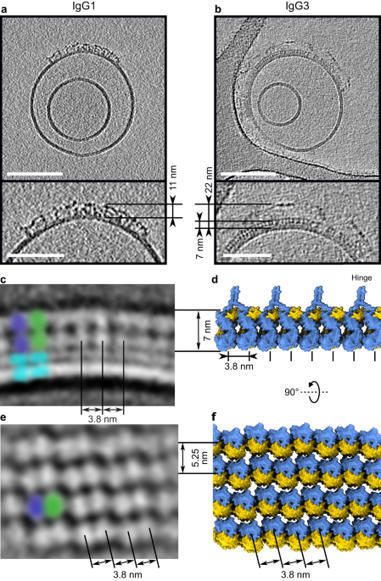
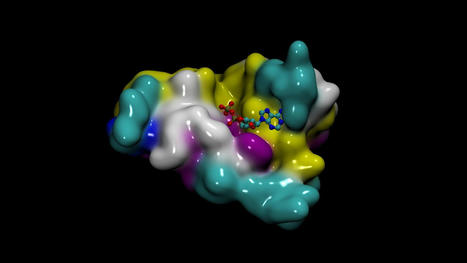



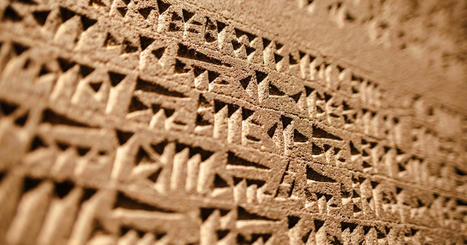





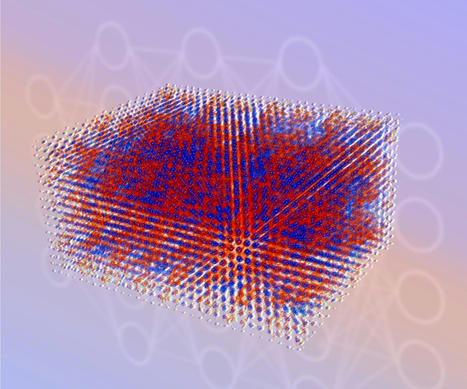








Oxycodone without a prescription
Phentermine 37.5 mg for sale
Phentremin weight loss
purchase Adderall online
Where Fentanyl Patches online
Where to buy Acxion Fentermina