 Your new post is loading...

|
Scooped by
Dr. Stefan Gruenwald
July 6, 2023 4:07 PM
|
OpenAI today announced the general availability of GPT-4, its latest text-generating model, through its API. Starting this afternoon, all existing OpenAI API developers “with a history of successful payments” can access GPT-4. The company plans to open up access to new developers by the end of this month, and then start raising availability limits after that “depending on compute availability. "Millions of developers have requested access to the GPT-4 API since March, and the range of innovative products leveraging GPT-4 is growing every day,” OpenAI wrote in a blog post. “We envision a future where chat-based models can support any use case.” GPT-4 can generate text (including code) and accept image and text inputs — an improvement over GPT-3.5, its predecessor, which only accepted text — and performs at “human level” on various professional and academic benchmarks. Like previous GPT models from OpenAI, GPT-4 was trained using publicly available data, including from public webpages, as well as data that OpenAI licensed. The image understanding capability isn’t available to all OpenAI customers just yet. OpenAI’s testing it with a single partner, Be My Eyes, to start with. But it hasn’t indicated when it’ll open it up to the wider customer base. It’s worth noting that, as with even the best generative AI models today, GPT-4 isn’t perfect. It “hallucinates” facts and makes reasoning errors, sometimes with confidence. And it doesn’t learn from its experience, failing at hard problems such as introducing security vulnerabilities into code it generates. In the future, OpenAI says that it’ll allow developers to fine-tune GPT-3 and GPT-3.5 Turbo, one of its other recent but less capable text-generating models, with their own data, as has long been possible with OpenAI’s other text-generating models. That capability should arrive later this year, according to OpenAI. GPT-3.5 Turbo, DALL·E and Whisper APIs are also generally available, and we are releasing a deprecation plan for older models of the Completions API, which will retire at the beginning of 2024.
|
|
Scooped by
Dr. Stefan Gruenwald
June 29, 2023 10:08 PM
|
The BMW i Vision Dee concept arrived at CES with an E Ink-powered color-changing technology that was much improved over 2022’s monochromatic display. At CES 2022, BMW’s iX Flow concept was billed as “the world’s first color-changing car.” At the time, the special version of the iX electric crossover could shift its various panels between white, black, and gray. Now, for 2023, meet the upgrade: actual colors. For this year’s CES, BMW showed off the i Vision Dee, an electric sports sedan concept that previewed a whole raft of technologies we could see in the immediate future, like AI-powered virtual assistants and full-windshield heads-up displays. But it also included a full-color version of the E Ink technology seen on last year’s concept for the first time ever. This means that the i Vision Dee — which looks like a kind of cross between a vintage BMW and a Tesla — can change colors on command. Instead of just black, white, and gray, 32 colors are now available. Not only that but the i Vision Dee is made up of 240 E Ink e-paper segments, all of which can be controlled individually. This means the i Vision Dee can shift to one solid color or put on one hell of a light show. “This allows an almost infinite variety of patterns to be generated and varied within seconds,” BMW said in a statement. Dee made her color-shifting debut during BMW’s CES keynote Wednesday night, joined onstage by Knight Rider’s KITT, Herbie the Love Bug, and Arnold Schwarzenegger. (You kind of had to be there.) Schwarzenegger also starred in this short film that demonstrates how Dee’s advanced features work: BMW’s concepts make use of technology developed by the US-based E Ink Corporation, which is behind e-readers and various smartwatches. A film coating on the car contains tiny microcapsules whose pigments change when electricity is applied. While E Ink has seen a number of applications over the years, BMW says it’s unique to the automotive sector, developed and programmed by in-house engineers. A film coating on the car contains tiny microcapsules whose pigments change when electricity is applied. What’s more, this concept uses the latest tech from E Ink, called Prism 3 film, which is fully programmable and meant to be low on power consumption for sustainability. Prism 3 can also be manufactured in any shape, making industrial design applications seemingly endless. E Ink is enabling its partners to disrupt industries through sustainable technologies and has been integrated into everything from eReaders to cell phones to medical wearables to logistical tags and digital signage.” The e-paper segments were also used on the concept’s wheels and grille, with the latter creating “facial expressions” as its AI assistant reacts to various inputs. Will color-shifting BMWs ever see production? For now, it’s an in-house R&D project — but one that has attracted a lot of attention both inside the automaker and in the wider world. SlashGear notes that the brains behind the project, Australian engineer Stella Clarke and her team, have been working to develop and refine the e-paper since last year’s CES.
|
|
Scooped by
Dr. Stefan Gruenwald
June 27, 2023 1:18 PM
|
Engineers at Radiant announced last year that they had received two provisional patents for its portable nuclear reactor technology. One of these was for a technology that reduces the cost and the time needed to refuel their reactor, while the other improves efficiency in heat transference from the reactor core. The microreactor will use an advanced particle fuel that does not melt down and is capable of withstanding higher temperatures than traditional nuclear fuels. Helium coolant, meanwhile, reduces the corrosion and contamination risks associated with traditional water coolant. Radiant has signed a contract with Battelle Energy Alliance to test its portable microreactor technology at its Idaho National Laboratory (INL). "In some areas of the world, reliance on diesel fuel is untenable, and solar and wind power are either unavailable or impractical," said Jess Gehin, Ph.D., Chief Scientist, Nuclear Science & Technology Directorate at INL. "Clean, safe nuclear microreactors are emerging as the best alternative for these environments." Radiant's microreactor can be used in remote locations, such as arctic villages and isolated military encampments that would otherwise typically rely on fossil fuel-powered generators. Not only is the portable microreactor better for the environment, but it is also more practical as it doesn't rely on constant shipments of fuel. Instead, the clean fuel used for Radiant's microreactors can last more than 4 years. If all goes well with Radiant's test campaign, nuclear power might soon hit the road. In doing so it will help to power countless remote communities, and will further bolster the resurgence of nuclear power in a world that needs clean energy solutions more than ever.
|
|
Scooped by
Dr. Stefan Gruenwald
June 27, 2023 1:14 PM
|
Training a large language model like OpenAI’s GPT-4 involves feeding vast amounts of curated text from books, webpages, and other sources into machine learning software known as a transformer. It uses the patterns in that training data to become proficient at predicting the letters and words that should follow a piece of text, a simple mechanism that proves strikingly powerful at answering questions and generating text or code. An important additional step in making ChatGPT and similarly capable language models is using reinforcement learning based on feedback from humans on an AI model’s answers to finesse its performance. DeepMind’s deep experience with reinforcement learning could allow its researchers to give Gemini novel capabilities. Hassabis and his team might also try to enhance large language model technology with ideas from other areas of AI. DeepMind researchers work in areas ranging from robotics to neuroscience, and earlier this week the company demonstrated an algorithm capable of learning to perform manipulation tasks with a wide range of different robot arms. Learning from physical experience of the world, as humans and animals do, is widely expected to be important to making AI more capable. The fact that language models learn about the world indirectly, through text, is seen by some AI experts as a major limitation. Potential Future Risks Hassabis is tasked with accelerating Google’s AI efforts while also managing unknown and potentially grave risks. The recent, rapid advancements in language models have made many AI experts—including some building the algorithms—worried about whether the technology will be put to malevolent uses or become difficult to control. Some tech insiders have even called for a pause on the development of more powerful algorithms to avoid creating something dangerous. Hassabis says the extraordinary potential benefits of AI—such as for scientific discovery in areas like health or climate—make it imperative that humanity does not stop developing the technology. He also believes that mandating a pause is impractical, as it would be near impossible to enforce. “If done correctly, it will be the most beneficial technology for humanity ever,” he says of AI. “We’ve got to boldly and bravely go after those things.” That doesn’t mean Hassabis advocates AI development proceeds in a headlong rush. DeepMind has been exploring the potential risks of AI since before ChatGPT appeared, and Shane Legg, one of the company’s cofounders, has led an “AI safety” group within the company for years. Hassabis joined other high-profile AI figures last month in signing a statement warning that AI might someday pose a risk comparable to nuclear war or a pandemic. One of the biggest challenges right now, Hassabis says, is to determine what the risks of more capable AI are likely to be. “I think more research by the field needs to be done—very urgently—on things like evaluation tests,” he says, to determine how capable and controllable new AI models are. To that end, he says, DeepMind may make its systems more accessible to outside scientists. “I would love to see academia have early access to these frontier models,” he says—a sentiment that if followed through could help address concerns that experts outside big companies are becoming shut out of the newest AI research. How worried should you be? Hassabis says that no one really knows for sure that AI will become a major danger. But he is certain that if progress continues at its current pace, there isn’t much time to develop safeguards. “I can see the kinds of things we're building into the Gemini series right, and we have no reason to believe that they won't work,” he says.
|
|
Scooped by
Dr. Stefan Gruenwald
June 25, 2023 12:41 PM
|
Detecting nuclear reactors is important for nonproliferation of nuclear arms and nuclear power in general. The nearly 100 researchers in the SNO+ Collaboration working at SNOLAB science demonstrated that a large, water-filled detector can identify neutrinos from a reactor hundreds of kilometers away. Neutrinos are subatomic particles that interact with matter extremely weakly. They are produced in many types of radioactive decays, including in the core of the Sun and in nuclear reactors. Neutrinos are also impossible to block—they easily travel from the core of a nuclear reactor to a detector far away, and even through the Earth itself. Detecting the tiny signals from neutrinos therefore requires huge devices that are extremely sensitive. The SNO+ experiment has just shown that a detector filled with simple water can still detect reactor neutrinos, even though the neutrinos create only tiny signals in the detector.
The SNO+ measurement shows that distant nuclear reactors can be observed and monitored with something as simple and inexpensive as water. Reactors cannot shield the neutrinos they produce. This means SNO+’s measurement is a proof of the idea that such water detectors could play a role in ensuring nuclear non-proliferation. Like SNO+, such detectors would still need to be very clean of any radioactivity, large (SNO+ contains 1,000 tons of water), and able to detect the tiny amount of light that the neutrinos produce. The use of water, however, means that very large detectors are possible and a real option for “seeing” even very distant reactors.
Scientists long thought that the tiny signals (just 10-20 photons) created by reactor neutrinos in a water detector would make it impossible to detect those neutrinos, particularly when the detector was far away from the reactor and the rate of these signals was very low. By ensuring that the detector was clean from even trace amounts of radioactivity, and by having an energy threshold lower than any water detector ever built, SNO+ was able to see these signals and show that they came from nuclear reactors at least 240 kilometers (150 miles) away. The measurement was still quite difficult, as backgrounds (fake events) from residual radioactivity, and from neutrinos created in the atmosphere by cosmic rays, needed to be identified and removed.
Water detectors have several advantages. They are inexpensive and can be very large, making them useful for monitoring reactors across international borders. Improvements to such monitoring, including using water-based liquid scintillator or “loading” the water with gadolinium, both of which would boost the signal size, are being tested by other collaborations. This work is from the SNO+ Collaboration, an international collaboration of roughly 100 scientists from the United States (the University of Pennsylvania, the University of California at Berkeley and Lawrence Berkeley National Laboratory, the University of California at Davis, Brookhaven National Laboratory, Boston University, and the University of Chicago), Canada, the United Kingdom, Portugal, Germany, China, and Mexico. SNO+ is located in SNOLAB, the Canadian underground laboratory.
|
|
Scooped by
Dr. Stefan Gruenwald
June 23, 2023 2:43 PM
|
The black hole, located about 656 million light-years away from Earth, has a powerful jet streaming from its core. This jet, which is blasted out at light-like speeds, has “drastically” changed directions. The black hole just changed its direction in a way that is perpendicular to our line of sight, and it now faces Earth. This is a very exceptional case of jet reorientation and has led to the redefinition of the galaxy that houses this black hole. The Peculiar Properties of PBC J2333.9-2343 PBC J2333.9-2343 is a distant galaxy that spans four million light-years. It shines strongly in radio wavelengths, making it a radio galaxy. The core of this galaxy had blasted jets in the past but had long gone quiet. In the latest research, astronomers found that the core had once again stirred the jets back to life, and one of them had changed its direction. Given the sharp change in the jet’s orientation, astronomers have redefined the giant radio galaxy into one with a blazar at its center. Blazars are galaxies whose cores have jets aimed directly at Earth. This is the first time astronomers have observed a galaxy transform from one group to another, marking a significant milestone in our understanding of these celestial objects. The Mystery of Jet Reorientation While the black hole just changed its direction, the reasons behind such changes are not very well understood. Some astronomers speculate that mergers of galaxies or black holes contribute to the intermittent bursts of jet activity, and that the directions of the jets change between bursts. This erratic behavior of jets is also observed in bright but rare X-shaped galaxies. Conclusion: A Cosmic First and Its Implications The black hole just changed its direction, marking a cosmic first that is reshaping our understanding of black holes and their behavior. As scientists continue to study PBC J2333.9-2343 and other celestial objects, we can expect to gain more insights into the nature of black holes and their jets. These insights will not only help us understand these celestial objects better but also shed light on the mysteries of the cosmos.
|
|
Rescooped by
Dr. Stefan Gruenwald
from Virus World
June 18, 2023 11:50 AM
|
A new analysis published in The Lancet Microbe shows how the SARS-CoV-2 virus spreads from the nose to the air and surfaces in the immediate surroundings. The findings are the second batch of results to come from the COVID-19 Human Challenge Program, led by Imperial College London and partners, and provide granular insights into how people infected with SARS-CoV-2 spread the virus to their immediate surroundings. In February 2021, 36 healthy, young participants with no previous immunity to the virus were infected with SARS-CoV-2 under controlled clinical conditions in a residential facility at the Royal Free Hospital in London, where they could be carefully monitored. They remained at the facility until they were no longer infectious. The facility enabled researchers to track the course of infection in great detail, with the clinical team taking daily swabs from participants' noses and mouths, as well as environmental samples of the air and swabs of surfaces in their rooms. Viral emissions Out of 36 initial participants, a total of 18 became infected. Analysis showed that two individuals emitted substantially more virus into the air than the other infected participants, but displayed no significantly worse symptoms. The researchers suggest this may represent the small proportion of individuals who have potential to be highly infectious, sometimes described as "superspreading." Analysis found large amounts of viral RNA in air samples, in exhaled breath, as well as swabs of participants hands and on surrounding surfaces, including frequently touched surfaces such as door handles and TV remote controls, showing how an infected person contaminates their surrounding environment and can spread the virus. Viral emissions correlated strongly with the level of virus detected in people's noses, more than in their throat, highlighting the nose as a significant route for infected people shedding virus into the air and environment. According to the researchers, the latest analysis further highlights the routes by which the virus is transmitted from person to person—directly into the air, depositing onto nearby surfaces, and transferred from contaminated hands to frequently touched surfaces, such as door handles and remote controls. Reliable indicators They also show that positive lateral flow tests and visible symptoms were reliable indicators of when people were infectious and emitting virus into the air and environment. The vast majority of virus was emitted after people noticed their first symptoms, with very little virus released into the environment before that (pre-symptomatically). They found no significant link between the severity of participants' symptoms and the amount of virus they shed into the environment. According to the researchers, the findings highlight the need to reinforce public health messaging around proper face mask use, hand washing and surface cleaning, as well as how human challenge studies continue to add to our knowledge of COVID-19 infection and transmission. Dr. Anika Singanayagam, NIHR Academic Clinical Lecturer in the Department of Infectious Disease at Imperial College London, and joint first author of the study, said, "Our latest findings add to the existing body of knowledge on COVID-19 transmission. By studying infection in a controlled environment, we can collect unique, detailed measurements of virus emitted that allow us to understand how and when people with COVID-19 are contagious to others. These types of measurements are challenging to collect in real-world studies. "Our data indicate that much of the virus people shed comes from the nose, further highlighting the importance of face masks covering the nose as well as the mouth when they're used. But it also shows how virus can be transferred from hands to contaminate surfaces, like door handles or remote controls, which become a source of infection." Dr. Jay, Jie Zhou, research associate in the Department of Infectious Disease at Imperial College London, and joint first author of the study, said, "Understanding when infected people are contagious and how to detect when they are contagious is important—it can help us to use interventions like face masks or social distancing more effectively. The data in our study highlights that being aware of, and acting on, the first minor symptoms that signal an infection, coupled with frequent self-testing with lateral flow tests, can effectively reduce onward spread." Professor Wendy Barclay, head of the Department of Infectious Disease at Imperial College London, said, "One of the most important things we need to know for controlling the spread of respiratory viruses, such as SARS-CoV-2, is when are people who are actively infected with the virus most likely to infect others? That information can help to tell us how the virus will spread, and how best to use interventions to stop the outbreak. "Human challenge studies enable us to gain granular insights into the infection which we might not otherwise be able to. They play an important role in our understanding of infectious diseases, and should be considered a part of future pandemic preparedness." Previous findings The latest findings add to several key clinical insights already gained from the COVID-19 Human Challenge Program, published in February 2022. These include that symptoms start to develop on average two days after contact with the virus, that infection first appears in the throat, infectious virus peaks about five days into infection and, at that stage, is significantly more abundant in the nose than the throat. The first analysis also found that lateral flow tests (LFTs) are a reassuringly reliable indicator of whether infectious virus is present in the nose and throat (i.e., whether they are a likely to be infectious to other people). Original research published (June 9, 2023) at The Lancet Microbe: https://doi.org/10.1016/S2666-5247(23)00101-5
Via Juan Lama
|
|
Scooped by
Dr. Stefan Gruenwald
June 17, 2023 11:17 PM
|
Astronomers have detected, a critical life component, phosphate on Saturn's moon Enceladus, marking a significant step forward in the search for extraterrestrial life. Phosphate is vital for all life on Earth. It forms the backbone of DNA and RNA, the genetic material that carries the instructions for life. It is also a key component of ATP (adenosine triphosphate), the molecule that provides energy for cellular processes, and phospholipids, which form the membranes of cells. The discovery of phosphates on Saturn’s moon Enceladus is the first to report direct evidence of phosphorus on an extraterrestrial ocean world, making it a significant milestone in astrobiology. The detection of phosphates on Saturn’s moon Enceladus was made possible by data from NASA’s Cassini mission. Launched in 1997, Cassini spent 13 years exploring Saturn, its rings, and its moons. One of its most significant discoveries was the detection of a subsurface ocean on Enceladus, which was confirmed by the spacecraft’s observations of geysers erupting from the moon’s south pole. These geysers spew water ice particles into space, some of which supply Saturn’s E ring. The Cassini spacecraft was equipped with the Cosmic Dust Analyzer, which analyzed individual ice grains emitted from Enceladus and sent those measurements back to Earth. In the new study, researchers used data collected from Cassini’s Cosmic Dust Analyzer. They found sodium phosphate molecules in 9 of 345 ice grains Cassini analyzed as it passed through Saturn’s outer E ring. The detection of phosphates on Saturn’s moon Enceladus is a stunning result for astrobiology and a major step forward in the search for life beyond Earth. The high concentration of phosphates in Enceladus’ ocean satisfies one of the strictest requirements in establishing whether celestial bodies are habitable. The discovery of phosphate on Saturn’s moon Enceladus reinforces the idea of the potential habitability of ice-covered ocean worlds across the solar system, beyond surface ocean worlds like Earth. Worlds with an interior ocean like Enceladus can occur over a much wider range of distances, greatly expanding the number of habitable worlds likely to exist across the galaxy. This discovery has profound implications for our understanding of where life might exist beyond Earth. It suggests that the conditions necessary for life as we know it could exist on moons and planets far from the warmth of their parent star, in the cold depths of subsurface oceans. With the discovery of phosphates on Saturn’s moon Enceladus, the next step is clear – we need to go back to Enceladus to see if the habitable ocean is actually inhabited. This finding has made the search for extraterrestrial life in our solar system more exciting and promising. Future missions to Enceladus could involve landers or even submarines designed to probe its subsurface ocean. Such missions could collect and analyze samples directly from the ocean, potentially detecting signs of life such as microorganisms or organic molecules.
|
|
Scooped by
Dr. Stefan Gruenwald
June 2, 2023 3:13 PM
|
Neuralangelo, a new AI model by NVIDIA Research for 3D reconstruction using neural networks, turns 2D video clips into detailed 3D structures — generating lifelike virtual replicas of buildings, sculptures and other real-world objects. Like Michelangelo sculpting stunning, life-like visions from blocks of marble, Neuralangelo generates 3D structures with intricate details and textures. Creative professionals can then import these 3D objects into design applications, editing them further for use in art, video game development, robotics and industrial digital twins. Neuralangelo’s ability to translate the textures of complex materials — including roof shingles, panes of glass and smooth marble — from 2D videos to 3D assets significantly surpasses prior methods. The high fidelity makes its 3D reconstructions easier for developers and creative professionals to rapidly create usable virtual objects for their projects using footage captured by smartphones. “The 3D reconstruction capabilities Neuralangelo offers will be a huge benefit to creators, helping them recreate the real world in the digital world,” said Ming-Yu Liu, senior director of research and co-author on the paper. “This tool will eventually enable developers to import detailed objects — whether small statues or massive buildings — into virtual environments for video games or industrial digital twins.” In a demo, NVIDIA researchers showcased how the model could recreate objects as iconic as Michelangelo’s David and as commonplace as a flatbed truck. Neuralangelo can also reconstruct building interiors and exteriors — demonstrated with a detailed 3D model of the park at NVIDIA’s Bay Area campus. Prior AI models to reconstruct 3D scenes have struggled to accurately capture repetitive texture patterns, homogenous colors and strong color variations. Neuralangelo adopts instant neural graphics primitives, the technology behind NVIDIA Instant NeRF, to help capture these finer details. Using a 2D video of an object or scene filmed from various angles, the model selects several frames that capture different viewpoints — like an artist considering a subject from multiple sides to get a sense of depth, size and shape.
|
|
Scooped by
Dr. Stefan Gruenwald
May 27, 2023 11:21 AM
|
For more than a century, biologists have wondered what the earliest animals were like when they first arose in the ancient oceans over half a billion years ago. Searching among today’s most primitive-looking animals for the earliest branch of the animal tree of life, scientists gradually narrowed the possibilities down to two groups: sponges, which spend their entire adult lives in one spot, filtering food from seawater; and comb jellies, voracious predators that oar their way through the world’s oceans in search of food. In a new study published this week in the journal Nature, researchers use a novel approach based on chromosome structure to come up with a definitive answer: Comb jellies, or ctenophores (teen’-a-fores), were the first lineage to branch off from the animal tree. Sponges were next, followed by the diversification of all other animals, including the lineage leading to humans. Although the researchers determined that the ctenophore lineage branched off before sponges, both groups of animals have continued to evolve from their common ancestor. Nevertheless, evolutionary biologists believe that these groups still share characteristics with the earliest animals, and that studying these early branches of the animal tree of life can shed light on how animals arose and evolved to the diversity of species we see around us today. “The most recent common ancestor of all animals probably lived 600 or 700 million years ago. It’s hard to know what they were like because they were soft-bodied animals and didn’t leave a direct fossil record. But we can use comparisons across living animals to learn about our common ancestors,” said Daniel Rokhsar, University of California, Berkeley professor of molecular and cell biology and co-corresponding author of the paper along with Darrin Schultz and Oleg Simakov of the University of Vienna. “It’s exciting — we’re looking back deep in time where we have no hope of getting fossils, but by comparing genomes, we’re learning things about these very early ancestors.” Understanding the relationships among animal lineages will help scientists understand how key features of animal biology, such as the nervous system, muscles and digestive tract, evolved over time, the researchers say. “We developed a new way to take one of the deepest glimpses possible into the origins of animal life,” said Schultz, the lead author and a former UC Santa Cruz graduate student and researcher at the Monterey Bay Aquarium Research Institute (MBARI) who is now a postdoctoral researcher at the University of Vienna. “This finding will lay the foundation for the scientific community to begin to develop a better understanding of how animals have evolved.” What is an animal?
Most familiar animals, including worms, flies, mollusks, sea stars and vertebrates — and including humans — have a head with a centralized brain, a gut running from mouth to anus, muscles and other shared features that had already evolved by the time of the famed “Cambrian Explosion” around 500 million years ago. Together, these animals are called bilaterians. Other bona fide animals, however, such as jellyfish, sea anemones, sponges and ctenophores, have simpler body plans. These creatures lack many bilaterian features — for example, they lack a defined brain and may not even have a nervous system or muscles — but still share the hallmarks of animal life, notably the development of multicellular bodies from a fertilized egg. The evolutionary relationships among these diverse creatures — specifically, the order in which each of the lineages branched off from the main trunk of the animal tree of life — has been controversial. With the rise of DNA sequencing, biologists were able to compare the sequences of genes shared by animals to construct a family tree that illustrates how animals and their genes evolved over time since the earliest animals arose in the Precambrian Period. But these phylogenetic methods based on gene sequences failed to resolve the controversy over whether sponges or comb jellies were the earliest branch of the animal tree, in part because of the deep antiquity of their divergence, Rokhsar said. “The results of sophisticated sequence-based studies were basically split,” he said. “Some researchers did well-designed analyses and found that sponges branched first. Others did equally complex and justifiable studies and got ctenophores. There hasn’t really been any convergence to a definitive answer.”
|
|
Scooped by
Dr. Stefan Gruenwald
May 27, 2023 10:57 AM
|
The system, named TOI-2096, consists of two planets orbiting a cool star in a synchronized dance at approximately 150 light-years from Earth. A study led by researchers of the University of Liège and the CSIC -- using observations from NASA's TESS telescope -- presents the detection of a system of two planets slightly larger than Earth orbiting a cold star in a synchronized dance. Named TOI-2096, the system is located 150 light-years from Earth. The discovery is the result of a close collaboration between European and American universities and was made possible by the US space mission TESS (Transiting Exoplanet Survey Satellite), which aims to find planets orbiting nearby bright stars. "TESS is conducting an all-sky survey using the transit method, that is, monitoring the stellar brightness of thousands of stars in the search for a slight dimming, which could be caused by a planet passing between the star and the observer. However, despite its power to detect new worlds, the TESS mission needs support from ground-based telescopes to confirm the planetary nature of the detected signals," explains Francisco J. Pozuelos, astrophysicist, first author of the paper, former member of the ExoTIC laboratory at the Univeristy of Liège, and who has now joined the Spanish National Research Council (IAA-CSIC). The planets TOI-2096 b and TOI-2096 c were observed with an international network of ground-based telescopes, allowing their confirmation and characterization. The majority of the transits were obtained with telescopes of the TRAPPIST and SPECULOOS projects led by the University of Liège. "Making an exhaustive analysis of the data, we found that the two planets were in resonant orbits: for each orbit of the outer planet, the inner planet orbits the star twice," says Mathilde Timmermans, a doctoral student and second author of the scientific paper. Their periods are therefore very close to being a multiple of each other with about 3.12 days for planet b and about 6.38 days for planet c. This is a very particular configuration, and it causes a strong gravitational interaction between the planets. This interaction delays or accelerates the passage of the planets in front of their star and could lead to the measurement of the planetary masses using larger telescopes in the near future." The researchers behind the discovery estimate that the radius of planet b -- the closest to its star -- is 1.2 times that of Earth, hence the name 'super-Earth'. Its properties could be similar to Earth's: a planet with a mostly rocky composition, possibly surrounded by a thin atmosphere. Similarly, the radius of planet c is 1.9 times the radius of the Earth and 55% that of Neptune, which could place the planet in the category of 'mini-Neptunes', planets composed of a rocky and icy core surrounded by extended hydrogen- or water-rich atmospheres, such as Uranus and Neptune in our Solar System. These sizes are very interesting because the number of planets with a radius between 1.5 and 2.5 Earth radii is smaller than what theoretical models predict, making these planets a rarity. These planets are of crucial importance given their sizes," notes Mathilde Timmermans, "the formation of super-Earths and mini-Neptunes remains a mystery today. There are several formation models trying to explain it, but none fits the observations perfectly. TOI-2096 is the only system found to date that has a super-Earth and a mini-Neptune precisely at the sizes where the models contradict each other. In other words, TOI-2096 may be the system we've been looking for to understand how these planetary systems have formed." "Furthermore, these planets are among the best in their category to study their possible atmospheres," explains Francisco J. Pozuelos. Thanks to the relative sizes of the planets with respect to the host star, as well as the brightness of the star, we find that this system is one of the best candidates for a detailed study of their atmosphere with the JWST space telescope. We hope to be able to do this quickly by coordinating with other universities and research centers. These studies will help confirm the presence of an atmosphere, extensive or not, around planets b and c and thus give us clues as to their formation mechanism."
|
|
Scooped by
Dr. Stefan Gruenwald
May 27, 2023 10:51 AM
|
A team of engineers at the University of Colorado Boulder has designed a new class of tiny, self-propelled robots that can zip through liquid at incredible speeds -- and may one day even deliver prescription drugs to hard-to-reach places inside the human body. The researchers describe their mini healthcare providers in a paper published last month in the journal Small. "Imagine if microrobots could perform certain tasks in the body, such as non-invasive surgeries," said Jin Lee, lead author of the study and a postdoctoral researcher in the Department of Chemical and Biological Engineering. "Instead of cutting into the patient, we can simply introduce the robots to the body through a pill or an injection, and they would perform the procedure themselves." Lee and his colleagues aren't there yet, but the new research is big step forward for tiny robots. The group's microrobots are really small. Each one measures only 20 micrometers wide, several times smaller than the width of a human hair. They're also really fast, capable of traveling at speeds of about 3 millimeters per second, or roughly 9,000 times their own length per minute. That's many times faster than a cheetah in relative terms. They have a lot of potential, too. In the new study, the group deployed fleets of these machines to transport doses of dexamethasone, a common steroid medication, to the bladders of lab mice. The results suggest that microrobots may be a useful tool for treating bladder diseases and other illnesses in people. "Microscale robots have garnered a lot of excitement in scientific circles, but what makes them interesting to us is that we can design them to perform useful tasks in the body," said C. Wyatt Shields, a co-author of the new study and assistant professor of chemical and biological engineering. Fantastic Voyage If that sounds like something ripped from science fiction, that's because it is. In the classic film Fantastic Voyage, a group of adventurers travels via a shrunken-down submarine into the body of a man in a coma. "The movie was released in 1966. Today, we are living in an era of micrometer- and nanometer-scale robots," Lee said. He imagines that, just like in the movie, microrobots could swirl through a person's blood stream, seeking out targeted areas to treat for various ailments. The team makes its microrobots out of materials called biocompatible polymers using a technology similar to 3D printing. The machines look a bit like small rockets and come complete with three tiny fins. They also include a little something extra: Each of the robots carries a small bubble of trapped air, similar to what happens when you dunk a glass upside-down in water. If you expose the machines to an acoustic field, like the kind used in ultrasound, the bubbles will begin to vibrate wildly, pushing water away and shooting the robots forward.
|
|
Scooped by
Dr. Stefan Gruenwald
May 24, 2023 7:18 PM
|
The Singularity, often referred to as the Technological Singularity, is a hypothetical point in the near future at which artificial intelligence (AI) becomes so incredibly advanced that it surpasses human intelligence, leading to rapid, unforeseeable changes in society and technology, life as we know it. The term was popularized by mathematician and computer scientist Vernor Vinge and futurist Ray Kurzweil. At the Singularity, AI systems would possess the ability to autonomously learn, self-improve, and create new AI systems with very advanced capabilities and more intelligent than themselves, resulting in an exponential increase in intelligence. This self-improvement cycle could lead to AI systems that are vastly more capable and sophisticated than human minds and anything humans can even imagine. The Singularity is often associated with the development of artificial general intelligence (AGI), which is an AI system that can perform any intellectual task that a human being can do. AGI is distinct from narrow AI, which is designed for specific tasks and lacks the broad cognitive abilities and adaptability of human intelligence. The implications of the Singularity are the subject of much speculation and debate today. Most people who have thought about it agree that the Singularity would be a decisive turning point in human history. Some view this with awe and trepidation, almost like a religious event that will lead to everlasting life and happiness. Many believe it will bring about tremendous breakthroughs in medicine, energy, and space exploration. Others are more cautious, expressing concerns about the ethical, societal, and existential risks associated with super-intelligent AI systems. Some predict doom and gloom. Others think it is all but impossible. Predicting the Singularity Start Date The general caveat to this question given by all experts is that predicting when the Singularity might occur is highly uncertain, as it depends on the pace of AI research, breakthroughs in understanding human cognition, and the development of advanced hardware and software systems. Still, ChatGPT-4 has predicted a 5%-10% chance that the singularity will happen within five years, 2028. Chat GPT-4 did so without knowledge of what has happened since September 2021, when it was last fed data. We know what has happened since September 2021, we know the pace of change, even though the ChatGPT model does not. We know that when ChatGPT-3.5 was released in November 2022, it scored in the bottom 10% of the multi-state Bar exam. But just five months later, when 4.0 was released in March 2023, it scored in the top 10%. Let that sink in and remember no new data was provided. There was only improvement in reasoning ability. As lawyers who have all taken this test, we know better than anyone the significance of a jump from the bottom to the top 10% of this challenging test. Yes, it is getting pretty smart, fast. How much longer until its intelligence exceeds our own? Opportunities and Challenges Presented by the Singularity The three opportunities listed here, all good, are generally thought to be possible in a time of technological Singularity, a time where AI intelligence and capacities accelerate at an exponential rate. - Accelerated Technological Progress: The Singularity could lead to rapid advancements in various fields, as super-intelligent AI systems develop new technologies and solve complex problems that were previously beyond human reach.
- Economic Growth: With Ai systems handling tasks more efficiently and effectively than humans, productivity and economic growth could increase dramatically, potentially leading to higher standards of living and reduced global inequality.
- Scientific Discoveries: The Singularity might enable breakthroughs in areas such as healthcare, environmental sustainability, and space exploration, as Ai systems analyze vast amounts of data, simulate complex phenomena, and generate innovative solutions to pressing challenges.
Conversely, as usual, their is a flip side to opportunities, the generally accepted challenges, some might say threats, presented by the Singularity: - Ethical Concerns: As Ai systems surpass human intelligence, ethical considerations become paramount. Ensuring that Ai systems behave ethically, adhere to human values, and respect individual rights will be crucial.
- Job Displacement: The widespread adoption of super-intelligent Ai systems could result in job displacement across various industries, as human workers are replaced by more efficient Ai. This raises concerns about unemployment, workforce retraining, and social safety nets.
- Existential Risks: The Singularity poses potential existential risks, as super-intelligent Ai might act in ways that are harmful to humanity, either intentionally or unintentionally. Ensuring Ai safety and robustness is essential to mitigate these risks.
|
|
|
Scooped by
Dr. Stefan Gruenwald
July 1, 2023 4:07 PM
|
While generative AI is a relatively new household term, drug discovery company Insilico Medicine has been using it for years to develop new therapies for debilitating diseases. The company’s early bet on deep learning is bearing fruit — a drug candidate discovered using its AI platform is now entering Phase 2 clinical trials to treat idiopathic pulmonary fibrosis, a relatively rare respiratory disease that causes progressive decline in lung function. Insilico used generative AI for each step of the preclinical drug discovery process: to identify a molecule that a drug compound could target, generate novel drug candidates, gauge how well these candidates would bind with the target, and even predict the outcome of clinical trials. Doing this using traditional methods would have cost more than $400 million and taken up to six years. But with generative AI, Insilico accomplished them for one-tenth of the cost and one-third of the time — reaching the first phase of clinical trials just two and a half years after beginning the project. “This first drug candidate that’s going to Phase 2 is a true highlight of our end-to-end approach to bridge biology and chemistry with deep learning,” said Alex Zhavoronkov, CEO of Insilico Medicine. “This is a significant milestone not only for us, but for everyone in the field of AI-accelerated drug discovery.” Insilico is a premier member of NVIDIA Inception, a free program that provides cutting-edge startups with technical training, go-to-market support and AI platform guidance. The company uses NVIDIA Tensor Core GPUs in its generative AI drug design engine, Chemistry42, to generate novel molecular structures — and was one of the first adopters of an early precursor to NVIDIA DGX systems in 2015. AI Enables End-to-End Preclinical Drug Discovery Insilico’s Pharma.AI platform includes multiple AI models trained on millions of data samples for a range of tasks. One AI tool, PandaOmics, rapidly identifies and prioritizes targets that play a significant role in a disease’s effectiveness — like the infamous spike protein on the virus that causes COVID-19. The Chemistry42 engine can design within days new potential drug compounds that target the protein identified using PandaOmics. The generative chemistry tool uses deep learning to come up with drug-like molecular structures from scratch. “Typically, AI companies in drug discovery focus either on biology or on chemistry,” said Petrina Kamya, head of AI platforms at Insilico. “From the start, Insilico has been applying the same deep learning approach to both fields, using AI both to discover drug targets and generate chemical structures of small molecules.” Over the years, the Insilico team has adopted different kinds of deep neural networks for drug discovery, including generative adversarial networks and transformer models. They’re now using NVIDIA BioNeMo to accelerate the early drug discovery process with generative AI.
|
|
Scooped by
Dr. Stefan Gruenwald
June 27, 2023 1:26 PM
|
By treating molecules as geometric tessellations, scientists devised a new way to forecast how 2D materials might self-assemble. We live on and among the by-products of fragmentation which can be found everywhere, from nanoparticles to rock falls to glaciers to continents. Understanding and taming this fragmentation is central to assessing natural hazards and extracting resources, and even for landing probes safely on other planetary bodies. In this study, scientists draw inspiration from an unlikely and ancient source: Plato, who proposed that the element Earth is made of cubes because they may be tightly packed together. They were able to demonstrate that this idea is essentially correct: Appropriately averaged properties of most natural 3D fragments reproduce the topological cube. They used mechanical and geometric models to explain the ubiquity of Plato’s cube in fragmentation and to uniquely map distinct fragment patterns to their formative stress conditions. While Plato envisioned Earth’s building blocks as cubes, a shape rarely found in nature, the solar system is littered with distorted polyhedra—shards of rock and ice produced by ubiquitous fragmentation. The scientists applied the theory of convex mosaics to show that the average geometry of natural two-dimensional (2D) fragments, from mud cracks to Earth’s tectonic plates, has two attractors: “Platonic” quadrangles and “Voronoi” hexagons. In three dimensions (3D), the Platonic attractor is dominant: Remarkably, the average shape of natural rock fragments is cuboid. When viewed through the lens of convex mosaics, natural fragments are indeed geometric shadows of Plato’s forms. Simulations show that generic binary breakup drives all mosaics toward the Platonic attractor, explaining the ubiquity of cuboid averages. Deviations from binary fracture produce more exotic patterns that are genetically linked to the formative stress field. This study computes the universal pattern generator establishing a link for 2D and 3D fragmentation.
|
|
Scooped by
Dr. Stefan Gruenwald
June 27, 2023 1:16 PM
|
Researchers are working out ways to ignore the noise and leverage the power of qubits to advance quantum computing. IBM's Eagle quantum computer has outperformed a conventional supercomputer when solving complex mathematical calculations. This is also the first demonstration of a quantum computer providing accurate results at a scale of 100+ qubits, a company press release said. Qubits, short for quantum bits, are analogs of a bit in quantum computing. Both are the primary or smallest units of information. However, unlike bits that can exist in two states, 0 or 1, a qubit can represent either of the states or in a superposition where it exists in any proportion of the two states. Scientists have been working on using superposition to compute large amounts of information in a fraction of the time it would take on a supercomputer. However, since the superposition can be disturbed by even the slightest interference from the outside environment, quantum computers are error-prone. Scientists have been looking to secure computing environments and work with as few qubits as possible to reduce interference. In the recent past, though, researchers have instead started favoring working with the 'noise' since increasing the number of qubits has exponential advantages. Recently, Interesting Engineering reported how Chinese researchers used their photonic quantum computer Jiuzhang to solve a mathematical problem in less than a second. The same on the fastest supercomputer would have taken at least five years to solve. Now a team of researchers led by Abhinav Kandala at IBM used a similar approach and decided to test the abilities of their "noisy" quantum computer against a conventional supercomputer at the Lawrence Berkeley National Laboratory in California. The Eagle quantum computer used by the team had 127 qubits, and both computers were asked to calculate the most likely behavior of a collection of particles, such as atoms with a spin arranged in a grid and interacting with each other.
|
|
Scooped by
Dr. Stefan Gruenwald
June 27, 2023 12:56 PM
|
Scientists have used cesium atoms on a solid-state semiconductor to create artificial atoms and create synthetic molecules. Studying the quantum properties of matter is challenging due to many factors, such as cost, technical complexity, the need for specialized equipment, and the delicate nature of quantum systems. Classical computers and classical systems do not have the capacity to simulate the intricate world of quantum mechanics. Quantum simulators allow scientists to study quantum systems and discover new materials, properties, and phenomena previously unknown. Quantum simulators can be quantum computers or physical systems which are used to probe matter at the tiniest scales. Now, a team of scientists has now developed a solid-state quantum simulator to emulate molecular orbitals. The research group, led by Alexander Khajetoorians from Radboud University in the Netherlands, used the quantum simulator to create synthetic benzene using artificial atoms. Creating artificial atoms The team chose to create artificial cesium atoms. The first step was choosing indium antimonide (InSb) as the substrate. InSb is a narrow band gap semiconductor that provides the necessary conductivity, surface confinement, and decoupling from the bulk material to create artificial atoms and study their behavior effectively. Then the team used scanning tunneling microscopy and spectroscopy techniques to create surface confinements of electrons on the semiconductor surface. In simple terms, they confined the electrons to specific energy levels or states on the semiconductor surface. The next step was to localize the cesium atoms. They used highly electropositive, or electron-releasing, cesium atoms on the semiconductor surface. The cesium atoms released electrons into a bound state in the semiconductor bandgap, forming a 2D electron gas. The 2D electron gas did not couple strongly with the bulk material, implying that the behavior and properties of the 2D electron gas were relatively independent and distinct from the properties of the bulk material. This allowed them to study and manipulate the artificial atoms and molecular structures formed by the cesium atoms. Finally, they arranged the cesium atoms into localized states such that the structure looked like an atom without a nucleus or a cesium ring. These cesium rings exhibited electromagnetic potentials similar to those between real atoms.
|
|
Scooped by
Dr. Stefan Gruenwald
June 25, 2023 12:37 PM
|
The nuclei of atoms are made up of protons and neutrons, collectively referred to as nucleons. Nucleons in turn consist of quarks and gluons. Understanding how those inner building blocks are distributed within nuclei can reveal how large protons and neutrons appear when probed at high energy. This work used comparisons between model calculations and new precision data from collisions of heavy ions (containing many protons and neutrons) to access the distribution of gluons and predict the size of the proton. Researchers now at Brookhaven Laboratory found that gluons were less smoothly distributed than they expected.
Identifying and precisely measuring factors that are sensitive to nucleon size will help physicists more accurately describe the quark-gluon plasma (QGP). This is a hot, dense form of nuclear matter created when individual protons and neutrons “melt” in heavy ion collisions, mimicking the conditions of the early universe. This knowledge can eliminate significant uncertainties about the initial state of the produced QGP. Knowing more about the initial state of QGP provides input for the model calculations that scientists use to infer the viscosity and other properties of the QGP. The results also add to measurements of proton size based on the distribution of quarks inside the proton.
It may be hard to imagine that the debris of violent heavy ion collisions—which dissolve the boundaries of protons and neutrons and produce thousands of new particles—can be used to gain detailed insight into the properties of nucleons. New advances in experimental methods along with improved theoretical modeling have made it possible. Based on a state-of-the-art model for the colliding nuclei and the hydrodynamic evolution of the quark-gluon plasma produced in the collision, this work demonstrates that specific observables are strongly sensitive to the size of the protons and neutrons inside the colliding nuclei.
Comparison of the model with data from experiments also indicates that the gluon distribution inside protons and neutrons is rather lumpy—not as smooth and spherical as modeled using naïve assumptions. Current and future measurements using collisions of different nuclei at the Relativistic Heavy Ion Collider (RHIC), a Department of Energy (DOE) user facility at Brookhaven National Laboratory, and the Large Hadron Collider (LHC) at CERN, along with a sophisticated theoretical program, will provide more detailed insight into the gluon distribution inside protons and neutrons, in and outside of heavy nuclei, and how it behaves with changing collision energy. This fundamentally important information will be explored with even higher precision at the Electron-Ion Collider to be built at Brookhaven.
|
|
Rescooped by
Dr. Stefan Gruenwald
from Virus World
June 18, 2023 11:52 AM
|
Researchers recently discovered an unexpected link between the progression of ALS and PEG10, a protein traditionally known for its role in placental development. Overabundance of this protein in nerve tissue has been observed to alter cell behavior contributing to ALS. The team is now studying the molecular pathways involved with a view to inhibiting this rogue protein, potentially paving the way for new therapeutics. Key facts: - The ancient, virus-like protein PEG10, typically associated with placental development, has been linked to the progression of ALS when present in high levels in nerve tissue.
- The research marks the first time PEG10 has been connected to ALS, with its accumulation seen as a hallmark of the disease.
- Research findings suggest that inhibiting the rogue PEG10 protein could potentially lead to a new class of therapeutics for ALS.
More than 5,000 people are diagnosed annually with ALS (amyotrophic lateral sclerosis), a fatal, neurodegenerative disease that attacks nerve cells in the brain and spinal cord, gradually robbing people of the ability to speak, move, eat and breathe. To date, only a handful of drugs exist to moderately slow its progression. There is no cure. But CU Boulder researchers have identified a surprising new player in the disease—an ancient, virus-like protein that is best known, paradoxically, for its essential role in enabling placental development. The findings were recently published in the journal eLife. “Our work suggests that when this strange protein known as PEG10 is present at high levels in nerve tissue, it changes cell behavior in ways that contribute to ALS,” said senior author Alexandra Whiteley, assistant professor in the Department of Biochemistry. Whiteley’s lab is now working to understand the molecular pathways involved and to find a way of inhibiting the rogue protein. “It is early days still, but the hope is this could potentially lead to an entirely new class of potential therapeutics to get at the root cause of this disease.” Ancient viruses with modern-day impact Mounting research suggests about half the human genome is made up of bits of DNA left behind by viruses (known as retroviruses) and similar virus-like parasites, known as transposons, which infected our primate ancestors 30-50 million years ago. Some, like HIV, are well known for their ability to infect new cells and cause disease. Others, like wolves who have lost their fangs, have become domesticated over time, losing their ability to replicate while continuing to pass from generation to generation, shaping human evolution and health. PEG10, or Paternally Expressed Gene 10, is one such “domesticated retrotransposon.” Studies show it likely played a key role in enabling mammals to develop placentas—a critical step in human evolution. But like a viral Jekyll and Hyde, when it’s overly abundant in the wrong places, it may also fuel disease, including certain cancers and another rare neurological disorder called Angelman’s syndrome, studies suggest. Whiteley’s research is the first to link the virus-like protein to ALS, showing that PEG10 is present in high levels in the spinal cord tissue of ALS patients where it likely interferes with the machinery enabling brain and nerve cells to communicate. “It appears that PEG10 accumulation is a hallmark of ALS,” said Whiteley, who has already secured a patent for PEG10 as a biomarker, or way of diagnosing, the disease. Too much protein in the wrong places Whiteley did not set out to study ALS, or ancient viruses. Instead, she studies how cells get rid of extra protein, as too much of the typically good thing has been implicated in other neurodegenerative diseases, including Alzheimer’s and Parkinson’s. Her lab is one of a half-dozen in the world to study a class of genes called ubiquilins, which serve to keep problem proteins from accumulating in cells. In 2011, a study linked a mutation in the ubiquilin-2 gene (UBQLN2) to some cases of familial ALS, which makes up about 10% of ALS cases. The other 90% are sporadic, meaning they are not believed to be inherited. But it has remained unclear how the faulty gene might fuel the deadly disease. Using laboratory techniques and animal models, Whiteley and colleagues at Harvard Medical School first set out to determine which proteins pile up when the UBQLN2 misfires and fails to put the brakes on. Among thousands of possible proteins, PEG10 topped the list. Then Whiteley and her colleagues collected the spinal tissue of deceased ALS patients (provided by the medical research foundation Target ALS) and used protein analysis, or proteomics, to see which if any seemed overexpressed. Again, among more than 7,000 possible proteins, PEG10 was in the top five. In a separate experiment, the team found that with the ubiquilin brakes essentially broken, the PEG10 protein piles up and disrupts the development of axons—the cords which carry electrical signals from the brain to the body. PEG10 was over-expressed in the tissue of individuals with both sporadic and familial ALS, the study found, meaning the virus-like protein may be playing a key role in both. “The fact that PEG10 is likely contributing to this disease means we may have a new target for treating ALS,” she said. “For a terrible disease in which there are no effective therapeutics that lengthen lifespan more than a couple of months, that could be huge.” The research could also lead to a better understanding of other diseases that result from protein accumulation, as well as keener insight into how ancient viruses influence health. In this case, Whiteley said, the so-called “domesticated” virus could a be rearing its fangs again. “Domesticated is a relative term, as these virus-like activities may be a driver of neurodegenerative disease,” she said. “And in this case, what is good for the placenta may be bad for neural tissue.” Original research published in eLIfe(May 23, 2023): https://doi.org/10.7554/eLife.79452
Via Juan Lama
|
|
Scooped by
Dr. Stefan Gruenwald
June 18, 2023 11:47 AM
|
The finding contradicts previous assumptions about the role of mobile plate tectonics in the development of life on Earth. Scientists have taken a journey back in time to unlock the mysteries of Earth's early history, using tiny mineral crystals called zircons to study plate tectonics billions of years ago. The research sheds light on the conditions that existed in early Earth, revealing a complex interplay between Earth's crust, core, and the emergence of life. Plate tectonics allows heat from Earth's interior to escape to the surface, forming continents and other geological features necessary for life to emerge. Accordingly, "there has been the assumption that plate tectonics is necessary for life," says John Tarduno, who teaches in the Department of Earth and Environmental Sciences at the University of Rochester. But new research casts doubt on that assumption. Tarduno, the William R. Kenan, Jr. Professor, is lead author of a paper published in Nature examining plate tectonics from a time 3.9 billion years ago, when scientists believe the first traces of life appeared on Earth. The researchers found that mobile plate tectonics was not occurring during this time. Instead, they discovered, Earth was releasing heat through what is known as a stagnant lid regime. The results indicate that although plate tectonics is a key factor for sustaining life on Earth, it is not a requirement for life to originate on a terrestrial-like planet. "We found there wasn't plate tectonics when life is first thought to originate, and that there wasn't plate tectonics for hundreds of millions of years after," says Tarduno. "Our data suggests that when we're looking for exoplanets that harbor life, the planets do not necessarily need to have plate tectonics."
|
|
Scooped by
Dr. Stefan Gruenwald
June 17, 2023 11:14 PM
|
A new study documenting Webb’s recent observations of a rocky planet around 26 light-years away has caused a waterlogged mystery that’s left researchers uncertain whether they made a groundbreaking discovery or not. NASA’s James Webb Space Telescope has delivered images and details about the cosmos that have been stunning and even scientifically refining. But a new study documenting Webb’s recent observations of a rocky planet 26 light-years away are downright confounding, and have left researchers at the edge of a major discovery. Dubbed GJ 486 b after the red dwarf (or M dwarf) star that it orbits just about every 1.5 Earth days, the rocky exoplanet discovered in 2021 is a super-Earth roughly 30% larger than Earth and three times more massive. In their pursuit to characterize planetary atmospheres that, in turn, would help determine what planets could potentially support life, researchers pointed Webb’s Near Infrared Spectrograph (NIRSpec) instrument at GJ 486 b last December as it crossed in front of its star two times. Webb collected the frequencies of infrared light in a spectrum as the planet passed, a process known as transit spectroscopy, and with this technique the team could determine whether the planet has an atmosphere and what molecules are present. Using three different methods to analyze the data, the team — which includes astrophysicist Kevin Stevenson of the Johns Hopkins Applied Physics Laboratory in Laurel, Maryland — found the spectrum lacked the most common atmospheric molecules, including carbon dioxide, methane and hydrogen. The only close match was one familiar to Earth: water vapor. At 800 degrees Fahrenheit (430 degrees Celsius), GJ 486 b is inhospitable to life, as we know it, no matter how much water vapor it might have, emphasized Sarah Moran, a planetary scientist at the University of Arizona in Tucson and lead author of the study, which has been accepted for publication in The Astrophysical Journal Letters. “It’s in no way habitable.” But given the planet’s temperature, any water vapor would have to be part of an atmosphere, likely replenished by volcanoes ejecting steam from the planet’s interior. Such a circumstance would make GJ 486 b not only the first rocky exoplanet known to have an atmosphere but, with an atmosphere entirely made of water vapor, also one totally foreign to what we know. “There is no comparable atmosphere in our own solar system,” Stevenson said. “We could be exploring a brave new world that would speak to the diversity of exoplanet atmospheres out there.” Except there’s a chance Webb’s observations might not mean any of that. The water vapor seen might not come from GJ 486 b at all, the team reported. Instead, it might come from a counterintuitive place: the planet’s star. Exoplanet researchers have only recently started to appreciate that aberrations on the surface of a star, such as dark spots or bright faculae, can contaminate the spectra of an exoplanet. They can make it look like a molecule is present when in reality it isn’t. The effect is particularly stark with M dwarf stars, like GJ 486 b’s, and it’s a possibility the team couldn’t shake. “We see a signal, and it’s almost certainly due to water,” Moran said. “But we can’t tell yet if that water is part of the planet’s atmosphere — meaning the planet has an atmosphere — or if we’re just seeing a water signature coming from the star.” M dwarfs are cool enough that water vapor can exist in their photospheres. Much of the water is broken into its components, hydrogen and oxygen, but some can remain stable near star spots, which are cooler than the surrounding environment. That water vapor is possibly what Webb detected. When the team ran models to test this possibility, the results closely matched the spectra Webb returned. “We didn't observe any evidence of the planet crossing any star spots during the transits, but that doesn't mean that there aren't spots elsewhere on the star,” said study co-author Ryan MacDonald, an astrophysicist at the University of Michigan. “And that's exactly the physical scenario that would impart these signals into the data and could wind up looking like a planetary atmosphere.” Future Webb observations could shed more light on the issue. In an upcoming program this summer, researchers will use the telescope’s Mid-Infrared Instrument to observe GJ 486 b’s dayside. If the planet lacks an atmosphere, or has only a thin one, the hottest part of the dayside should stay directly under the star. But if there is an atmosphere, the hottest point should shift as the atmosphere circulates the heat. The team’s greatest hope, however, may be proposing a future observation using Webb’s Near Infrared Imager and Slitless Spectrograph (NIRISS) instrument. At the invisible infrared wavelengths of light that Webb observes, the two potential scenarios — an exoplanet with a water-vapor-rich atmosphere or a humid star — are virtually indistinguishable. However, peek just outside visible wavelengths, which NIRISS does, and the two situations quickly diverge.
|
|
Scooped by
Dr. Stefan Gruenwald
May 29, 2023 11:54 AM
|
Original article is here Large language models are all the rage these days and new ones are popping up every other day. Most of these linguistic behemoths, including OpenAI’s ChatGPT and Google’s Bard, are trained on text data from all over the internet – websites, articles, books, you name it. This means that their output is a mixed bag of genius. But what if instead of the web, LLMs were trained on the dark web? Researchers have done just that with DarkBERT to some surprising results. Let’s take a look. What is DarkBERT? A team of South Korean researchers have released a paper detailing how they built an LLM on a large-scale dark web corpus collected by crawling the Tor network. The data included a host of shady sites from various categories including cryptocurrency, pornography, hacking, weaponry, and others. However, due to ethical concerns, the team did not use the data as is. To ensure that the model wasn’t trained on sensitive data so that bad actors aren’t able to extract that information, the researchers polished the pre-training corpus through filtering, before feeding it to DarkBERT. If you are wondering about the rationale behind the name DarkBERT, the LLM is based on the RoBERTa architecture, which is a transformer-based model developed back in 2019 by researchers at Facebook (Meta). Meta had described RoBERTa as a “robustly optimized method for pre-training natural language processing (NLP) systems” that improves upon BERT, which was released by Google back in 2018. After Google made the LLM open-source, Meta was able to improve its performance. Cut to the present, the Korean researchers have improved upon the original model even further by feeding it data from the dark web over the course of 15 days, eventually arriving upon DarkBERT. The research paper highlights that a machine with an Intel Xeon Gold 6348 CPU and 4 NVIDIA A100 80GB GPUs was used for the purpose. What is the purpose of DarkBERT? Despite its sinister-sounding name, DarkBERT is intended for security and law enforcement applications and not for any nefarious schemes. Since the model was trained on the dark web, the home of shady sites where huge datasets of stolen passwords are often found, DarkBERT is more effective in cybersecurity/CTI applications than existing language models. The researchers behind the model have demonstrated its use for detecting ransomware leak sites. Hackers and ransomware groups often upload leaked sensitive data like passwords and financial information to the dark web with the purpose of selling it. The research paper suggests that DarkBERT can be useful for security researchers to automatically identify such websites. It can also be used to crawl through the slew of dark web forums and monitor them for any exchange of unlawful information. But while DarkBERT is better suited for “dark web domain-specific tasks” than other models, the researchers acknowledge that due to the shortage of publicly available Dark Web task-specific data, some tasks may require some fine-tuning. Is DarkBERT available for the general public? As of now, DarkBERT isn’t available to the public. The researchers say that plans to release the preprocessed version of DarkBERT – the version that wasn’t trained on sensitive data – are on the cards. But they haven’t specified when. Regardless, DarkBERT represents a future where AI models are tailored to specific tasks by training on highly specific data. Unlike ChatGPT and Google Bard, which are more like multi-purposed Swiss knives, DarkBERT is a specialised weapon for thwarting hackers.
|
|
Scooped by
Dr. Stefan Gruenwald
May 27, 2023 11:16 AM
|
Penn State researchers created the first protein-based nano-computing agent that functions as a circuit, putting them closer to developing cell-based therapies that can treat diseases like diabetes and cancer. Traditional synthetic biology approaches for cell-based therapies, such as ones that destroy cancer cells or encourage tissue regeneration after injury, rely on the expression or suppression of proteins that produce a desired action within a cell. This approach can take time (for proteins to be expressed and degrade) and cost cellular energy in the process. A team of Penn State College of Medicine and Huck Institutes of the Life Sciences researchers are taking a different approach. "We're engineering proteins that directly produce a desired action," said Nikolay Dokholyan, G. Thomas Passananti Professor and vice chair for research in the Department of Pharmacology. "Our protein-based devices or nano-computing agents respond directly to stimuli (inputs) and then produce a desired action (outputs)." In a study published in Science Advances (May 26, 2023). Dokholyan and bioinformatics and genomics doctoral student Jiaxing Chen describe their approach to creating their nano-computing agent. They engineered a target protein by integrating two sensor domains, or areas that respond to stimuli. In this case, the target protein responds to light and a drug called rapamycin by adjusting its orientation, or position in space. To test their design, the team introduced their engineered protein into live cells in culture. By exposing the cultured cells to the stimuli, they used equipment to measure changes in cellular orientation after cells were exposed to the sensor domains' stimuli. Previously, their nano-computing agent required two inputs to produce one output. Now, Chen says there are two possible outputs and the output depends on which order the inputs are received. If rapamycin is detected first, followed by light, the cell will adopt one angle of cell orientation, but if the stimuli are received in a reverse order, then the cell adopts a different orientation angle. Chen says this experimental proof-of-concept opens the door for the development of more complex nano-computing agents. "Theoretically, the more inputs you embed into a nano-computing agent, the more potential outcomes that could result from different combinations," Chen said. "Potential inputs could include physical or chemical stimuli and outputs could include changes in cellular behaviors, such as cell direction, migration, modifying gene expression and immune cell cytotoxicity against cancer cells." The team plans to further develop their nano-computing agents and experiment with different applications of the technology. Dokholyan, a researcher with Penn State Cancer Institute and Penn State Neuroscience Institute, said their concept could someday form the basis of the next-generation cell-based therapies for various diseases, such as autoimmune diseases, viral infections, diabetes, nerve injury and cancer.
|
|
Scooped by
Dr. Stefan Gruenwald
May 27, 2023 10:54 AM
|
The absolute internal quantum efficiency (IQE) of indium gallium nitride (InGaN) based blue light-emitting diodes (LEDs) at low temperatures is often assumed to be 100%. However, a new study from University of Illinois Urbana-Champaign Electrical and Computer Engineering researchers has found that the assumption of always perfect IQE is wrong: the IQE of an LED can be as low as 27.5%. This new research, "Low temperature absolute internal quantum efficiency of InGaN-based light-emitting diodes," was recently published in Applied Physics Letters. As professor Can Bayram puts it, LEDs are the ultimate lighting source. Since their invention, they have become increasingly popular due to their energy efficiency and cost-effectiveness. An LED is a semiconductor that emits light when current flows through the device. It generates photons through the recombination of electrons and holes (carriers), releasing energy in the form of photons. The color of the light emitted corresponds to the energy of the photon. InGaN-based blue LEDs enable bright and energy-saving white lighting. The transition to solid-state lighting sources has significantly reduced energy needs and greenhouse gas emissions, but continual efficiency improvements are necessary to hit energy savings goals in the long term. The U.S. Department of Energy's 2035 roadmap calls for blue LED efficiency to increase from 70% to 90% and furthering energy savings by 450 terawatt hours (TWh) and CO2 emission savings by 150 million metric tons. Bayram says, "The question is, how can we push this ultimate lighting source further? The answer is by understanding its absolute efficiency, not relative efficiency." Relative efficiency benchmarks a device with itself, while absolute efficiency allows for comparison across different devices by measuring the efficiency on a commonly shared scale. IQE is defined as the ratio of the generated photons to the injected electrons in the active region of the semiconductor and is an important metric to quantify the performance of LEDs. The most widely used method to quantify IQE is by temperature-dependent photoluminescence. In such analyses, it has been assumed that at low temperatures (4, 10, or even 77 Kelvin), there is 100% radiative recombination- meaning producing a photon. At room temperature, because of non-radiative mechanisms- which emit excess energy as heat, rather than photons- the efficiency is significantly lower. The ratio of the two photoluminescence intensities gives a relative efficiency of the LED. The original assumption has been that at low temperatures, there are no non-radiative recombination- all the loss mechanisms are "frozen." Bayram and graduate student Yu-Chieh Chiu assert, however, that this assumption may be wrong because non-radiative effects might not in fact be completely frozen out at low temperatures. In their recent paper, Bayram and Chiu demonstrate a different method for revealing low temperature absolute IQE of InGaN-based LEDs. Using a "channel-based" recombination model, they report surprising results: the absolute IQE of the LED on traditional sapphire and silicon substrates is 27.5% and 71.1%, respectively- drastically lower than the standard assumption. To explain these unexpected results, Chiu says that the channel-based recombination model is one of the ways to think about what happens inside the active layer of the LED and how recombination in one channel affects another channel. A channel is a pathway that a carrier may take to recombine radiatively or non-radiatively. "To determine the efficiency of the blue LED, usually only the blue emission is considered," Chiu says. "But that ignores the effects of everything else happening inside the device, specifically the non-radiative and defect luminescence channels. Our approach is to get a more holistic view of the device and determine, if there is recombination in the blue channel, how is that affected by the second and third channel(s)?" As research on the LED continues to advance, it is important to know an absolute efficiency rather than a relative efficiency. Bayram stresses that "the absolute efficiency is very important to the field so that everyone can build on each other's knowledge rather than each group improving their own efficiency. We need absolute measurements, not just relative measurements." To meet the efficiency standards laid out by the DOE, it will be increasingly important to properly quantify the efficiency of LEDs. Even a 1% increase in efficiency will correspond to tons of carbon dioxide savings annually. Chiu says, "By understanding the absolute efficiency, instead of the relative efficiency, that will give us a more accurate picture and allow us to improve devices further by being able to compare them to each other."
|
|
Rescooped by
Dr. Stefan Gruenwald
from Virus World
May 26, 2023 11:59 AM
|
In a recent study posted to the bioRxiv* preprint server, researchers analyzed the viral genomes of 28 endemic viruses to study the evolution of the ability of viruses to evade the neutralizing antibodies elicited by vaccines or previous infections. Background Viruses evolve rapidly and adapt to changing environments due to their high mutation rates and low generation time. Often viruses adapted to different animal hosts infect humans and optimize the methods through which they enter and replicate in the host cell, increasing the human-to-human transmission and evolving into a novel pathogen. The early stages of pandemics are often characterized by high adaptive evolutionary rates, as was seen during the coronavirus disease 2019 (COVID-19) pandemic and outbreaks related to various other respiratory viruses. While some viruses become endemic after adapting to a new host and do not evolve further, other endemic viruses continue to adapt through antigenic evolution, resulting in an arms race between the virus and the human immune system. Since viruses that undergo antigenic evolution pose the risk of repeat infections and increase their ability to evade vaccine-induced immunity, understanding which viruses continue to undergo antigen evolution could help manage future disease outbreaks. About the study The present study used sequence data for each gene in 28 viral genomes to estimate adaptive evolutionary rates. These 28 viruses spanned ten families and were transmitted between humans through various modes. Viruses with potentially high antigenic evolution rates were identified based on the high evolutionary rates for the genes coding for receptor-binding proteins since the receptor-binding region is involved in antibody neutralization and harbors most mutations that allow antigenic escape. The adaptive evolutionary rates were calculated in terms of the number of adaptive mutations in each codon per year, which allowed the adaptive evolutionary rates to be compared across the various genes in the genome and across viruses. The adaptive evolutionary rates of three viruses that were known to undergo antigenic evolution — coronavirus 229E, influenza viruses A/H3N2, and influenza viruses B/Yam — were compared against the evolutionary rates of three antigenically stable viruses, hepatitis A, measles, and influenza C/Yamagata. To understand the patterns of adaptive evolution in recent years, the sequence data for 28 viruses that are pathogenic to humans were obtained and curated. These viruses included deoxyribonucleic acid (DNA) and ribonucleic acid (RNA) viruses and were transmitted between humans through bodily fluids, blood, vectors, fecal-oral, and respiratory routes. The researchers only investigated endemic viruses since they were interested in understanding the antigenic evolution that occurs during the endemic phase and not the initial adaptive phase. The evolutionary rates of the receptor binding protein, which was expected to be highly variable across endemic viruses, and the polymerase gene, which was expected to be conserved, were compared across the 28 viruses. Since the evolution of severe acute respiratory syndrome coronavirus 2 (SARS-CoV-2) has been relatively recent, and the Omicron variant carried a large number of mutations indicating a single fixation event, SARS-CoV-2 was compared with ten other antigenically evolving viruses by comparing the amino-acid substitution rates in the receptor binding protein. Results The results reported that 10 of the 28 viruses undergo adaptive evolution resulting in the antigenic mutations that allow the viruses to escape the immunity induced by previous infections and vaccines. Furthermore, comparing amino-acid substitution rates between SARS-CoV-2 and other viruses revealed that SARS-CoV-2 is evolving and accumulating mutations that cause protein-coding changes at rates much higher than other endemic viruses. Antigenic evolution was found to be more prevalent in RNA viruses. Still, the researchers believe that since the list of viruses included in the study was not comprehensive and comprised only well-studied viruses, determining the proportion of antigenically evolving endemic viruses is difficult. Furthermore, the rate of adaptive mutations might not reflect the phenotypic changes occurring in the viruses, implying that viruses with receptor-binding protein genes that evolve at the same rates might not develop the ability to evade vaccine or infection-induced immunity at the same rates. Conclusions Overall, the findings suggested that many human viruses that have become endemic continue to evolve antigenically, gaining the ability to escape the neutralizing antibodies generated by vaccinations or previous infections. Ten of the 28 viruses investigated in this study showed continued adaptive evolution. In contrast, the amino-acid substitution rates showed that SARS-CoV-2 is evolving faster than the other ten endemic human viruses. Cited ressearch available in bioRxiv (May 22, 2023): https://doi.org/10.1101/2023.05.19.541367
Via Juan Lama
|






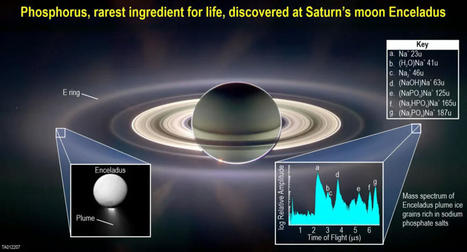



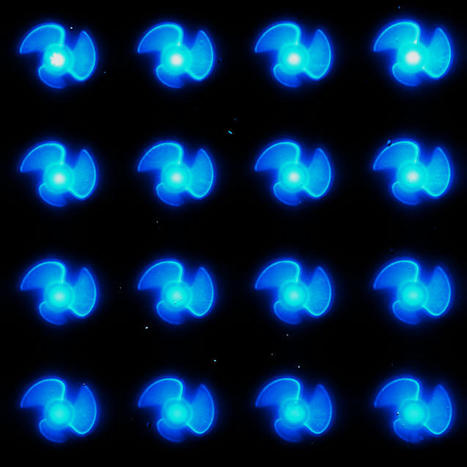










OpenAI today announced the general availability of GPT-4, its latest text-generating model, through its API. Starting this afternoon, all existing OpenAI API developers “with a history of successful payments” can access GPT-4. The company plans to open access to new developers by the end of this month and then start raising availability limits after that “depending on compute availability.