Your new post is loading...

|
Scooped by
Dr. Stefan Gruenwald
June 29, 2021 8:37 PM
|
This is how California’s water crisis is going these days: The only functioning well in the rural community of Teviston broke in early June, leaving more than 700 residents without running water as temperatures in the Central Valley soared to triple-digits in a drought.
“It’s day to day” for the people of Teviston, said Frank Galaviz, a board member of the Teviston Community Services District, in an interview with The Fresno Bee. Teviston residents are relying on limited bottled water for necessities such as staying hydrated, cooking, bathing and flushing toilets. Some residents, like Galaviz, are traveling to neighboring towns to stay with family or friends to shower and wash clothes.
Galaviz shared news of the well’s breakdown during a virtual conference on drought organized by state Sen. Melissa Hurtado, a Democrat from Sanger. The district found sand in the pump, which led to the breakdown. In response to the well’s failure, the district is delivering cases of bottled water and five-gallon jugs to its residents. Tanker trucks haul water from Porterville, 23 miles away, to fill Teviston’s two water storage tanks. “It’s just barely enough, and in some cases, not enough,” said Galaviz. “Some families are larger than others.”
Teviston is an unincorporated community in Tulare County that lies off Highway 99, between Pixley and Earlimart. The community’s first residents were primarily Black migrants from the Cotton Belt and Dust Belt states. Today, the majority of its residents are Latino farmworkers. It may take weeks to get running water back in Teviston households, said Galaviz, who is waiting on the pieces needed to repair the pump. But fixing the pump may not fix the problem. Galaviz said he fears the well may have completely dried up.
|
|
Rescooped by
Dr. Stefan Gruenwald
from Mucosal Immunity
June 29, 2021 8:19 PM
|
Single-cell RNA sequencing combined with spatial information on landmark genes enables reconstruction of spatially-resolved tissue cell atlases. However, such approaches are challenging for rare cell types, since their mRNA contents are diluted in the spatial transcriptomics bulk measurements used for landmark gene detection. In the small intestine, enterocytes, the most common cell type, exhibit zonated expression programs along the crypt-villus axis, but zonation patterns of rare cell types such as goblet and tuft cells remain uncharacterized. Now, scientists present ClumpSeq, an approach for sequencing small clumps of attached cells. By inferring the crypt-villus location of each clump from enterocyte landmark genes, the researchers establish spatial atlases for all epithelial cell types in the small intestine. They identify elevated expression of immune-modulatory genes in villus tip goblet and tuft cells and heterogeneous migration patterns of enteroendocrine cells. ClumpSeq can be applied for reconstructing spatial atlases of rare cell types in other tissues and tumors. Combining scRNA-seq with spatial information to enable the reconstruction of spatially-resolved cell atlases is challenging for rare cell types. However, as shown here, ClumpSeq, is an excellent approach to establish spatial atlases for all secretory cell types in the small intestine.
Via Gilbert C FAURE
|
|
Scooped by
Dr. Stefan Gruenwald
June 29, 2021 7:57 PM
|
Artificial intelligence (AI) is evolving—literally. Researchers have created software that borrows concepts from Darwinian evolution, including “survival of the fittest,” to build AI programs that improve generation after generation without human input. The program replicated decades of AI research in a matter of days, and its designers think that one day, it could discover new approaches to AI. “While most people were taking baby steps, they took a giant leap into the unknown,” says Risto Miikkulainen, a computer scientist at the University of Texas, Austin, who was not involved with the work. “This is one of those papers that could launch a lot of future research.” Building an AI algorithm takes time. Take neural networks, a common type of machine learning used for translating languages and driving cars. These networks loosely mimic the structure of the brain and learn from training data by altering the strength of connections between artificial neurons. Smaller subcircuits of neurons carry out specific tasks—for instance spotting road signs—and researchers can spend months working out how to connect them so they work together seamlessly. In recent years, scientists have sped up the process by automating some steps. But these programs still rely on stitching together ready-made circuits designed by humans. That means the output is still limited by engineers’ imaginations and their existing biases. So Quoc Le, a computer scientist at Google, and colleagues developed a program called AutoML-Zero that could develop AI programs with effectively zero human input, using only basic mathematical concepts a high school student would know. “Our ultimate goal is to actually develop novel machine learning concepts that even researchers could not find,” he says. The program discovers algorithms using a loose approximation of evolution. It starts by creating a population of 100 candidate algorithms by randomly combining mathematical operations. It then tests them on a simple task, such as an image recognition problem where it has to decide whether a picture shows a cat or a truck. In each cycle, the program compares the algorithms’ performance against hand-designed algorithms. Copies of the top performers are “mutated” by randomly replacing, editing, or deleting some of its code to create slight variations of the best algorithms. These “children” get added to the population, while older programs get culled. The cycle repeats. The system creates thousands of these populations at once, which lets it churn through tens of thousands of algorithms a second until it finds a good solution. The program also uses tricks to speed up the search, like occasionally exchanging algorithms between populations to prevent any evolutionary dead ends, and automatically weeding out duplicate algorithms. In a recent paper, the researchers show the approach can stumble on a number of classic machine learning techniques, including neural networks. The solutions are simple compared with today’s most advanced algorithms, admits Le, but he says the work is a proof of principle and he’s optimistic it can be scaled up to create much more complex AIs. Still, Joaquin Vanschoren, a computer scientist at the Eindhoven University of Technology, thinks it will be a while before the approach can compete with the state-of-the-art. One thing that could improve the program, he says, is not asking it to start from scratch, but instead seeding it with some of the tricks and techniques humans have discovered. “We can prime the pump with learned machine learning concepts.” That’s something Le plans to work on. Focusing on smaller problems rather than entire algorithms also holds promise, he adds. His group published another paper on arXiv on 6 April that used a similar approach to redesign a popular ready-made component used in many neural networks.
|
|
Scooped by
Dr. Stefan Gruenwald
June 28, 2021 8:46 PM
|
Twelve new moons orbiting Jupiter have been found recently — 11 “normal” outer moons, and one that they’re calling an “oddball.” This brings Jupiter’s total number of known moons to a whopping 79—the most of any planet in our Solar System. A team led by Carnegie’s Scott S. Sheppard first spotted the moons in the spring of 2017 while they were looking for very distant Solar System objects as part of the hunt for a possible massive planet far beyond Pluto. In 2014, this same team found the object with the most-distant known orbit in our Solar System and was the first to realize that an unknown massive planet at the fringes of our Solar System, far beyond Pluto, could explain the similarity of the orbits of several small extremely distant objects. This putative planet is now sometimes popularly called Planet X or Planet Nine. University of Hawaii’s Dave Tholen and Northern Arizona University’s Chad Trujillo are also part of the planet search team. “Jupiter just happened to be in the sky near the search fields where we were looking for extremely distant Solar System objects, so we were serendipitously able to look for new moons around Jupiter while at the same time looking for planets at the fringes of our Solar System,” said Sheppard. Gareth Williams at the International Astronomical Union’s Minor Planet Center used the team’s observations to calculate orbits for the newly found moons. “It takes several observations to confirm an object actually orbits around Jupiter,” Williams said. “So, the whole process took a year.” Nine of the new moons are part of a distant outer swarm of moons that orbit it in the retrograde, or opposite direction of Jupiter’s spin rotation. These distant retrograde moons are grouped into at least three distinct orbital groupings and are thought to be the remnants of three once-larger parent bodies that broke apart during collisions with asteroids, comets, or other moons. The newly discovered retrograde moons take about two years to orbit Jupiter. Two of the new discoveries are part of a closer, inner group of moons that orbit in the prograde, or same direction as the planet’s rotation. These inner prograde moons all have similar orbital distances and angles of inclinations around Jupiter and so are thought to also be fragments of a larger moon that was broken apart. These two newly discovered moons take a little less than a year to travel around Jupiter.
|
|
Scooped by
Dr. Stefan Gruenwald
June 28, 2021 8:29 PM
|
A worldwide team led by scientists at Las Cumbres Observatory has discovered the first convincing evidence for a new type of stellar explosion -- an electron-capture supernova. While they have been theorized for 40 years, real-world examples have been elusive. They are thought to arise from the explosions of massive super-asymptotic giant branch (SAGB) stars, for which there has also been scant evidence. The discovery also sheds new light on the thousand-year mystery of the supernova from A.D. 1054 that was seen all over the world in the daytime, before eventually becoming the Crab Nebula. Historically, there have been two main supernova types. One is a thermonuclear supernova -- the explosion of a white dwarf star after it gains matter in a binary star system. These white dwarfs are the dense cores of ash that remain after a low-mass star (one up to about 8 times the mass of the sun) reaches the end of its life. Another main supernova type is an iron core-collapse supernova where a massive star -- one more than about 10 times the mass of the sun -- runs out of nuclear fuel and has its iron core collapse, creating a black hole or neutron star. The electron-capture supernovae are on the borderline between these two types of supernovae. The stars stop fusion when their cores are made of oxygen, neon and magnesium; they aren't massive enough to create iron. While gravity is always trying to crush a star, what keeps most stars from collapsing is either ongoing fusion, or in cores where fusion has stopped, the fact that you can't pack the atoms any tighter. In an electron capture supernova, some of the electrons in the oxygen - neon - magnesium core get smashed into their atomic nuclei, in a process called electron capture. This removal of electrons causes the core of the star to buckle under its own weight and collapse, resulting in an electron-capture supernova. If the star had been slightly heavier, the core elements could have fused to create heavier elements, prolonging its life. So it is a kind of reverse-Goldilocks situation: the star isn't light enough to escape its core collapsing, nor is it heavy enough to prolong its life and die later via different means. That's the theory that was formulated beginning 1980 by Ken'ichi Nomoto of the University of Tokyo, and others. Over the decades, theorists have formulated predictions of what to look for in an electron-capture supernova and their SAGB star progenitors. The stars should have a lot of mass, lose much of it before exploding, and this mass near the dying star should be of an unusual chemical composition. Then the electron-capture supernova should be weak, have little radioactive fallout, and have neutron-rich elements in the core. The new study, published in Nature Astronomy, is led by Daichi Hiramatsu, a graduate student at the University of California, Santa Barbara (UCSB), and Las Cumbres Observatory (LCO). Hiramatsu is a core member of the Global Supernova Project, a worldwide team of scientists using dozens of telescopes around and above the globe. The team found that the supernova SN 2018zd had many unusual characteristics, some of which were seen for the first time in a supernova.
|
|
Scooped by
Dr. Stefan Gruenwald
June 28, 2021 5:40 PM
|
In a first-of-its-kind experiment, a team of Japanese researchers freeze-dried samples of mice sperm and sent them aboard the ISS to see how well this crucial element of human life (and, well, a lot of life on Earth) will fair against the harsh radiation of space. Even after six long years aboard the ISS, the team found that the mice’s space sperm sired equally healthy pups as its terrestrial control. An additional X-ray experiment predicts that this positive outcome could persist with up to 200 years of space radiation exposure. Sayaka Wakayama, assistant professor of reproductive biology at the University Yamanashi and first author on the research, tells Inverse that these findings will help prepare humans for a new space age. Wakayama and colleagues’ findings were published recently in the journal Science Advances.
|
|
Scooped by
Dr. Stefan Gruenwald
June 28, 2021 5:24 PM
|
Oregon State University researchers have identified the oldest known specimen of a fungus parasitizing an ant, and the fossil also represents a new fungal genus and species. “It’s a mushroom growing out of a carpenter ant,” said OSU’s George Poinar Jr., an international expert in using plant and animal life forms preserved in amber to learn about the biology and ecology of the distant past. A mushroom is the reproductive structure of many fungi, including the ones you find growing in your yard, and Poinar and a collaborator in France named their discovery Allocordyceps baltica. They found the new type of Ascomycota fungi in an ant preserved in 50-million-year-old amber from Europe’s Baltic region. “Ants are hosts to a number of intriguing parasites, some of which modify the insects’ behavior to benefit the parasites’ development and dispersion,” said Poinar, who has a courtesy appointment in the OSU College of Science. “Ants of the tribe Camponotini, commonly known as carpenter ants, seem especially susceptible to fungal pathogens of the genus Ophiocordyceps, including one species that compels infected ants to bite into various erect plant parts just before they die.” Doing so, he explains, puts the ants in a favorable position for allowing fungal spores to be released from cup-shaped ascomata – the fungi’s fruiting body –protruding from the ants’ head and neck. Carpenter ants usually make their nests in trees, rotting logs and stumps. The new fungal genus and species shares certain features with Ophiocordyceps but also displays several developmental stages not previously reported, Poinar said. To name the genus, placed in the order Hypocreales, Poinar and fellow researcher Yves-Marie Maltier combined the Greek word for new – alloios – with the name of known genus Cordyceps. “We can see a large, orange, cup-shaped ascoma with developing perithecia – flask-shaped structures that let the spores out – emerging from the rectum of the ant,” Poinar said. “The vegetative part of the fungus is coming out of the abdomen and the base of the neck. We see freestanding fungal bodies also bearing what look like perithecia, and in addition we see what look like the sacs where spores develop. All of the stages, those attached to the ant and the freestanding ones, are of the same species.” The fungus could not be placed in the known ant-infecting genus Ophiocordyceps because ascomata in those species usually come out the neck or head of an ant, Poinar said, and not the rectum. “There is no doubt that Allocordyceps represents a fungal infection of a Camponotus ant,” he said.
|
|
Scooped by
Dr. Stefan Gruenwald
June 24, 2021 2:54 PM
|
A team led by researchers from the Broad Institute of MIT and Harvard, the National Institutes of Health, and Vanderbilt University Medical Center has used base editing, a recently developed form of gene editing, to rescue disease symptoms and lifespan in mice that have Hutchinson-Gilford progeria syndrome. Progeria is a progressive genetic disorder in humans that leads to death, typically from cardiovascular failure, by the time most patients reach their mid-teens. The majority of children with this disorder have a single-letter change in their DNA that causes the production of a toxic protein. In a recent study, mice engineered to carry the progeria mutation, and demonstrating nearly all features of the human disease, received a single injection with a base editor programmed to correct the disease-causing mutation. These mice retained healthy tissues and lived two and a half times as long as control mice with progeria that were injected with saline. Indeed, the treated mice reached an age that corresponds to the beginnings of old age in healthy mice. The study is one of the first examples of using base editing — a gene editing technique that directly converts an individual DNA base pair into a different base pair — inside an animal to rescue a serious genetic disease.
|
|
Scooped by
Dr. Stefan Gruenwald
June 18, 2021 12:18 AM
|
Super-Earth is a reference only to an exoplanet’s size – larger than Earth and smaller than Neptune – but not suggesting they are necessarily similar to our home planet. The true nature of these planets remains shrouded in uncertainty because we have nothing like them in our own solar system – and yet, they are common among planets found so far in our galaxy. In 2019, NASA’s Transiting Exoplanet Survey Satellite (TESS) discovered a super-Earth and two mini-Neptunes orbiting a faint, cool star about 73 light-years away in the southern constellation of Pictor. The M-type dwarf star is about 40% smaller than the Sun in both size and mass, and it has a surface temperature about one-third cooler than the Sun’s. The innermost planet, TOI 270 b, is likely a rocky super-Earth about 25% larger than Earth. It orbits the star every 3.4 days at a distance about 13 times closer than Mercury orbits the Sun. Based on statistical studies of known exoplanets of similar size, the science team estimates TOI 270 b has a mass around 1.9 times greater than Earth’s. The other two planets, TOI 270 c and d, are, respectively, 2.4 and 2.1 times larger than Earth and orbit the star every 5.7 and 11.4 days. Although only about half its size, both may be similar to Neptune in our solar system, with compositions dominated by gases rather than rock, and they likely weigh around 7 and 5 times Earth’s mass, respectively, making them mini-Neptunes. Researchers hope further exploration of the star, TOI 270, may help explain how two of these mini-Neptunes formed alongside a nearly Earth-size world. Further research may reveal additional planets in the system. If planet d has a rocky core covered by a thick atmosphere, its surface would be too warm for the presence of liquid water, considered a key requirement for a potentially habitable world. But follow-up studies may discover additional rocky planets at slightly greater distances from the star, where cooler temperatures could allow liquid water to pool on their surfaces. Observations from NASA's Spitzer Space Telescope led to the first temperature map of a super-Earth in 2016. The map reveals extreme temperature swings from one side of the planet to the other, and hints at a reason for this: lava flows. The toasty super-Earth 55 Cancri e is relatively close to Earth at 41 light-years away. It orbits very close to its star, whipping around it every 18 hours. Because of the planet's proximity to the star, it is tidally locked by gravity just as our Moon is to Earth. That means one side of 55 Cancri, referred to as the day side, is always cooking under the intense heat of its star, while the night side remains in the dark and is much cooler. Spitzer stared at the planet with its infrared vision for a total of 80 hours, watching it orbit its star multiple times. These data allowed scientists to map temperature changes across the entire world. To their surprise, they found a dramatic temperature difference of 2,340 degrees Fahrenheit (1,300 Kelvin) from one side of the planet to the other. The hottest side is nearly 4,400 degrees Fahrenheit (2,700 Kelvin), and the coolest is 2,060 degrees Fahrenheit (1,400 Kelvin).
|
|
Scooped by
Dr. Stefan Gruenwald
June 17, 2021 6:13 PM
|
A new study published in the journal Diversity and Distributions predicts massive range declines of Africa’s great apes – gorillas, chimpanzees and bonobos – due to the impacts of climate change, land-use changes and human population growth. For their analysis, the authors compiled information on African ape occurrence held in the IUCN SSC A.P.E.S. database, a repository that includes a remarkable amount of information on population status, threats and conservation for several hundred sites, collected over 20 years. The first-of-its-kind study quantifies the joint effects of climate, land-use, and human population changes across African ape ranges for the year 2050 under best- and worst-case scenarios. "Best case" implies slowly declining carbon emissions and that appropriate mitigation measures will be put in place. "Worst case" assumes that emissions continue to increase unchecked -- business as usual. Under the best-case scenario, the authors predict that great apes will lose 85 percent of their range, of which 50 percent will be outside national parks and other areas protected by legislation. Under the worst-case scenario, they predict a 94 percent loss, of which 61 percent will be in areas that are not protected. This study examines whether great apes can or cannot disperse away from where they are currently found, and the best- and worst-case scenarios in each case. For example, mountains are currently less suitable than lowland areas for some great ape species. However, climate change will render some lowlands less suitable -- warmer, drier, perhaps less food available -- but the nearby mountains will take on the characteristics that those lowlands currently have. If great apes are able to physically move from the lowlands to the mountains, they may be able to survive, and even increase their range (depending on the species, and whether it is the best- or worst-case scenario). However, they may not be able to travel (disperse) away from the lowlands in the time remaining between today and 2050.
|
|
Scooped by
Dr. Stefan Gruenwald
June 17, 2021 6:02 PM
|
Cells contain machinery that duplicates DNA into a new set that goes into a newly formed cell. That same class of machines, called polymerases, also build RNA messages, which are like notes copied from the central DNA repository of recipes, so they can be read more efficiently into proteins. But polymerases were thought to only work in one direction DNA into DNA or RNA. This prevents RNA messages from being rewritten back into the master recipe book of genomic DNA. Now, Thomas Jefferson University researchers provide the first evidence that RNA segments can be written back into DNA, which potentially challenges the central dogma in biology and could have wide implications affecting many fields of biology. "This work opens the door to many other studies that will help us understand the significance of having a mechanism for converting RNA messages into DNA in our own cells," says Richard Pomerantz, PhD, associate professor of biochemistry and molecular biology at Thomas Jefferson University. "The reality that a human polymerase can do this with high efficiency, raises many questions." For example, this finding suggests that RNA messages can be used as templates for repairing or re-writing genomic DNA. The work was published June 11th in the journal Science Advances. Together with first author Gurushankar Chandramouly and other collaborators, Dr. Pomerantz's team started by investigating one very unusual polymerase, called polymerase theta. Of the 14 DNA polymerases in mammalian cells, only three do the bulk of the work of duplicating the entire genome to prepare for cell division. The remaining 11 are mostly involved in detecting and making repairs when there's a break or error in the DNA strands. Polymerase theta repairs DNA, but is very error-prone and makes many errors or mutations. The researchers therefore noticed that some of polymerase theta's "bad" qualities were ones it shared with another cellular machine, albeit one more common in viruses -- the reverse transcriptase. Like Pol theta, HIV reverse transcriptase acts as a DNA polymerase, but can also bind RNA and read RNA back into a DNA strand. In a series of elegant experiments, the researchers tested polymerase theta against the reverse transcriptase from HIV, which is one of the best studied of its kind. They showed that polymerase theta was capable of converting RNA messages into DNA, which it did as well as HIV reverse transcriptase, and that it actually did a better job than when duplicating DNA to DNA. Polymerase theta was more efficient and introduced fewer errors when using an RNA template to write new DNA messages, than when duplicating DNA into DNA, suggesting that this function could be its primary purpose in the cell. The group collaborated with Dr. Xiaojiang S. Chen's lab at USC and used x-ray crystallography to define the structure and found that this molecule was able to change shape in order to accommodate the more bulky RNA molecule -- a feat unique among polymerases.
|
|
Scooped by
Dr. Stefan Gruenwald
June 17, 2021 5:57 PM
|
It is the first work to show that sonothermogenetics can control behavior by stimulating a specific target deep in the brain. Neurological disorders such as Parkinson's disease and epilepsy have had some treatment success with deep brain stimulation, but those require surgical device implantation. A multidisciplinary team at Washington University in St. Louis has developed a new brain stimulation technique using focused ultrasound that is able to turn specific types of neurons in the brain on and off and precisely control motor activity without surgical device implantation. The team, led by Hong Chen, assistant professor of biomedical engineering in the McKelvey School of Engineering and of radiation oncology at the School of Medicine, is the first to provide direct evidence showing noninvasive, cell-type-specific activation of neurons in the brain of mammal by combining ultrasound-induced heating effect and genetics, which they have named sonothermogenetics. It is also the first work to show that the ultrasound- genetics combination can robustly control behavior by stimulating a specific target deep in the brain. Results of the three years of research, which was funded in part by the National Institutes of Health's BRAIN Initiative, were published online in Brain Stimulation May 11, 2021. The senior research team included experts from both the McKelvey School of Engineering and the School of Medicine, including Jianmin Cui, professor of biomedical engineering; Joseph P. Culver, professor of radiology, of physics and of biomedical engineering; Mark J. Miller, associate professor of medicine in the Division of Infectious Diseases in the Department of Medicine; and Michael Bruchas, formerly of Washington University, now professor of anesthesiology and pharmacology at the University of Washington. "Our work provided evidence that sonothermogenetics evokes behavioral responses in freely moving mice while targeting a deep brain site," Chen said. "Sonothermogenetics has the potential to transform our approaches for neuroscience research and uncover new methods to understand and treat human brain disorders."
|
|
Scooped by
Dr. Stefan Gruenwald
June 8, 2021 3:45 PM
|
VIDEO New results from the Dark Energy Survey use the largest ever sample of galaxies over an enormous piece of the sky to produce the most precise measurements of the universe’s composition and growth to date. Scientists measured that the way matter is distributed throughout the universe is consistent with predictions in the standard cosmological model, the best current model of the universe. Over the course of six years, DES surveyed 5,000 square degrees — almost one-eighth of the entire sky — in 758 nights of observation, cataloguing hundreds of millions of objects. The results announced today draw on data from the first three years — 226 million galaxies observed over 345 nights — to create the largest and most precise maps yet of the distribution of galaxies in the universe at relatively recent epochs. Since DES studied nearby galaxies as well as those billions of light years away, its maps provide both a snapshot of the current large-scale structure of the universe and a movie of how that structure has evolved over the course of the past 7 billion years. To test cosmologists’ current model of the universe, DES scientists compared their results with measurements from the European Space Agency’s orbiting Planck observatory. Planck used light signals known as the cosmic microwave background to peer back to the early universe, just 400,000 years after the Big Bang. The Planck data give a precise view of the universe 13 billion years ago, and the standard cosmological model predicts how the dark matter should evolve to the present. If DES’s observations don’t match this prediction, there is possibly an undiscovered aspect to the universe. While there have been persistent hints from DES and several previous galaxy surveys that the current universe is a few percent less clumpy than predicted — an intriguing find worthy of further investigation — the recently released results are consistent with the prediction. “In the area of constraining what we know about the distribution and structure of matter on large scales as driven by dark matter and dark energy, DES has obtained limits that rival and complement those from the cosmic microwave background,” said Brian Yanny, a Fermilab scientist who coordinated DES data processing and management. “It’s exciting to have precise measurements of what’s out there and a better understanding of how the universe has changed from its infancy through to today.” Ordinary matter makes up only about 5% of the universe. Dark energy, which cosmologists hypothesize drives the accelerating expansion of the universe by counteracting the force of gravity, accounts for about 70%. The last 25% is dark matter, whose gravitational influence binds galaxies together. Both dark matter and dark energy remain invisible and mysterious, but DES seeks to illuminate their natures by studying how the competition between them shapes the large-scale structure of the universe over cosmic time. DES photographed the night sky using the 570-megapixel Dark Energy Camera on the Victor M. Blanco 4-meter Telescope at the Cerro Tololo Inter-American Observatory in Chile, a program of the National Science Foundation’s NOIRLab. One of the most powerful digital cameras in the world, the Dark Energy Camera was designed specifically for DES. It was funded by the Department of Energy and was built and tested at Fermilab. The DES data were processed at the National Center for Supercomputing Applications at the University of Illinois at Urbana-Champaign.
|
|
|
Rescooped by
Dr. Stefan Gruenwald
from Virus World
June 29, 2021 8:33 PM
|
The gene editor CRISPR excels at fixing disease mutations in lab-grown cells. But using CRISPR to treat most people with genetic disorders requires clearing an enormous hurdle: getting the molecular scissors into the body and having it slice DNA in the tissues where it’s needed. Now, in a medical first, researchers have injected a CRISPR drug into the blood of people born with a disease that causes fatal nerve and heart disease and shown that in three of them it nearly shut off production of toxic protein by their livers. Although it’s too soon to know whether the CRISPR treatment will ease the symptoms of the disease, known as transthyretin amyloidosis, the preliminary data reported recently are generating excitement about what could be a one-time, lifelong treatment. “These are stunning results,” says gene editing researcher and cardiologist Kiran Musunuru of the University of Pennsylvania, who was not involved in the trial. “It exceeds all my expectations.” The work also marks a milestone for the race to develop treatments based on messenger RNA (mRNA), the protein-building instructions naturally made by cells. Synthetic mRNAs power two COVID-19 vaccines being given to millions of people to fight the coronavirus pandemic, and many companies are working on other mRNA vaccines and drugs. The new treatment, which includes an mRNA encoding one of CRISPR’s two components, “begins the convergence of the fields of CRISPR and mRNA,” says cardiovascular researcher Kenneth Chien of the Karolinska Institute, a co-founder of Moderna, which makes one of the COVID-19 vaccines and is also developing mRNA drugs. The CRISPR clinical trial aims to deactivate a mutated gene that causes liver cells to churn out misfolded forms of a protein called transthyretin (TTR), which build up in nerves and the heart and lead to pain, numbness, and heart disease. The resulting condition is relatively rare, and an approved drug, patisiran, can stabilize it. But researchers at veteran biotech Regeneron Pharmaceuticals and startup Intellia Therapeutics saw it as a good proof of principle for the injectable CRISPR treatment they were developing. Last year, researchers used CRISPR to turn on a fetal form of hemoglobin to correct sickle cell disease or a related disease in several people. The treatment required removing a patient’s diseased blood stem cells, modifying them with CRISPR in a dish, and then infusing them back into the body. A trial testing a direct injection of a virus encoding CRISPR’s components into the eye to treat a condition that causes blindness is also underway. But treating most other diseases means somehow injecting CRISPR’s components, or genetic instructions for them, into the blood and having the therapy target an organ or tissue—a huge challenge, but potentially easier in the liver because it sops up foreign particles. In the current CRISPR trial, four men and two women with transthyretin amyloidosis between ages 46 and 64 were injected with a lipid particle carrying two different RNAs: an mRNA encoding the protein Cas, the CRISPR component that snips DNA, and a guide RNA to direct it to the gene for TTR. After Cas makes its cut, the cell’s DNA repair machinery heals the break, but imperfectly, knocking out the activity of the gene. After 28 days, three men given the higher of two doses of the treatment had an 80% to 96% drop in TTR levels, on par or better than the average of 81% with patisiran, the team reports in The New England Journal of Medicine. “The data are extremely encouraging,” says trial leader Julian Gillmore of University College London, who also presented the study today at the online annual meeting of the Peripheral Nerve Society. “It could be potentially the first curative treatment for this hereditary disabling and life-threatening disease,” says neurologist David Adams of the University of Paris-Saclay, who led trials for patisiran. That specific RNA silences TTR's production temporarily, meaning it must be injected on a regular basis. It may take months for patients receiving the CRISPR treatment to see their symptoms lessen, but they reported few short-term side effects. Problems could surface over time: CRISPR could potentially make cuts in the wrong DNA location (and in non-liver cells), triggering cancer or other problems. But the lipid-encased mRNA approach is potentially safer than using viruses to ferry genetic instruction for encoding an editing protein and guide RNA into cells, a tried-and-true approach others are pursuing for systemic treatments. Those genes can persist in cells, continuing to make the gene editor long after it has done its job. In contrast, “The beauty of mRNA is that it is gone afterwards,” Chien says. This study paves the way for treating other liver diseases with CRISPR, either by knocking out a gene or—more challenging—modifying it with the help of a DNA template. The latter approach could also be used to turn the liver into a factory for making an enzyme needed elsewhere in body. Jennifer Doudna of the University of California, Berkeley, who shared a Nobel Prize last year for discovering CRISPR and co-founded Intellia, sees even bigger prospects. The new work, she says, is “a critical first step in being able to inactivate, repair, or replace any gene that causes disease, anywhere in the body.” See also NEJM (June 26, 2021): https://www.nejm.org/doi/full/10.1056/NEJMoa2107454
Via Juan Lama
|
|
Scooped by
Dr. Stefan Gruenwald
June 29, 2021 8:02 PM
|
The recent suggestion of phosphine in Venus’s atmosphere has regenerated a lot of interest in the idea of life that could exist in clouds. However, such analyses usually neglect the role of water activity, which is a measure of the relative availability of water essential for habitability as we know it. A team of scientists now computed the water activity within the clouds of Venus and other Solar System planets from observations of temperature and water-vapor abundance. They found water-activity values of sulfuric acid droplets, which constitute the bulk of Venus’s clouds, of ≤0.004, two orders of magnitude below the 0.585 limit for known extremophiles here on Earth. Considering other planets, ice formation on Mars imposes a water activity of ≤0.537, slightly below the habitable range, whereas conditions are biologically permissive (>0.585) at Jupiter’s clouds (although other factors such as their composition may play a role in limiting their habitability). By way of comparison, Earth’s troposphere conditions are, in general, biologically permissive, whereas the atmosphere becomes too dry for active life above the middle stratosphere. The approach used in this study can also be applied to extrasolar planets.
|
|
Scooped by
Dr. Stefan Gruenwald
June 28, 2021 8:57 PM
|
Photobombs - when something or someone unexpectedly enters a camera's field of sight during the taking of a photograph - happen every day. Sometimes it is a friend, other times a stranger or perhaps a bird. Rarely, however, is it a whole planet. Yet, this is exactly what happened while CHEOPS, the Swiss-led space telescope, was taking pictures of a planetary system 50 light-years away.
A planet like no other
The planetary system is located in the constellation Lupus (latin for Wolf), around a star called Nu2 Lupi, visible to the naked eye (but not from Switzerland). In 2019, Swiss astronomers announced the detection of three exoplanets around this bright, Sun-like star. The three exoplanets have masses between those of Earth and Neptune (17 times the Earth) and take 12, 28 and 107 days to circle their parent star. "What makes these exoplanets really outstanding is that we can see them passing just in front of their star; they're said to 'transit'", says Yann Alibert, professor of astrophysics at the University of Bern and co-author of the study which has been published in Nature Astronomy. "We knew that already for the two inner planets, which led us to point CHEOPS to the system in the first place. However, the third planet is quite far away from the star, no one was expected to see its transit!", Alibert adds. In fact, the farther away the planet is from its star, the less likely it is to transit.
This proved a game changer, as it is the first time an exoplanet with a revolution period of over 100 days - which corresponds to a distance from the star somewhere between that of Mercury and Venus from the Sun - has been spotted transiting a star that is bright enough to be visible to the naked eye.
"Due to its relatively long period, the amount of stellar radiation reaching the planet is mild in comparison to many other discovered exoplanets. The less radiation a planet receives, the less it changes over time. Therefore, a planet with a long period could have retained more information about its origin", says David Ehrenreich, professor at the University of Geneva and mission scientist of CHEOPS, who co-signed the study. But so far, the few such exoplanets astronomers had found orbited faint stars. In other words: little of their light reaches Earth and therefore makes them difficult to study. Not this time: "Since its bright host star is quite close to us, it is easier to study. This makes it a golden target for future study with no known equivalent", Ehrenreich adds.
|
|
Scooped by
Dr. Stefan Gruenwald
June 28, 2021 8:39 PM
|
Rice University computer scientists are sending RAMBO to rescue genomic researchers who sometimes wait days or weeks for search results from enormous DNA databases. DNA sequencing is so popular, genomic datasets are doubling in size every two years, and the tools to search the data haven't kept pace. Researchers who compare DNA across genomes or study the evolution of organisms like the virus that causes COVID-19 often wait weeks for software to index large, "metagenomic" databases, which get bigger every month and are now measured in petabytes. RAMBO, which is short for "repeated and merged bloom filter," is a new method that can cut indexing times for such databases from weeks to hours and search times from hours to seconds. Rice University computer scientists presented RAMBO last week at the Association for Computing Machinery data science conference SIGMOD 2021. "Querying millions of DNA sequences against a large database with traditional approaches can take several hours on a large compute cluster and can take several weeks on a single server," said RAMBO co-creator Todd Treangen, a Rice computer scientist whose lab specializes in metagenomics. "Reducing database indexing times, in addition to query times, is crucially important as the size of genomic databases are continuing to grow at an incredible pace." To solve the problem, Treangen teamed with Rice computer scientist Anshumali Shrivastava, who specializes in creating algorithms that make big data and machine learning faster and more scalable, and graduate students Gaurav Gupta and Minghao Yan, co-lead authors of the peer-reviewed conference paper on RAMBO. RAMBO uses a data structure that has a significantly faster query time than state-of-the-art genome indexing methods as well as other advantages like ease of parallelization, a zero false-negative rate and a low false-positive rate. "The search time of RAMBO is up to 35 times faster than existing methods," said Gupta, a doctoral student in electrical and computer engineering. In experiments using a 170-terabyte dataset of microbial genomes, Gupta said RAMBO reduced indexing times from "six weeks on a sophisticated, dedicated cluster to nine hours on a shared commodity cluster."
|
|
Scooped by
Dr. Stefan Gruenwald
June 28, 2021 5:45 PM
|
If we discovered evidence of alien life, would we even realize it? In the search for life in the cosmos, transiting exoplanets are currently our best targets. With thousands already detected, our search is entering a new era of discovery with upcoming large telescopes that will look for signs of ‘life’ in the atmospheres of transiting worlds. Previous work has explored the zone from which Earth would be visible while transiting the Sun1,2,3,4. However, these studies considered only the current position of stars, and did not include their changing vantage point over time. A team of scientists now report that 1,715 stars within 100 parsecs from the Sun are in the right position to have spotted life on a transiting Earth since early human civilization (about 5,000 years ago), with an additional 319 stars entering this special vantage point in the next 5,000 years. Among these stars are seven known exoplanet hosts, including Ross-128, which saw Earth transit the Sun in the past, and Teegarden’s Star and Trappist-1, which will start to see it in 29 and 1,642 years, respectively. The team found that human-made radio waves have already swept over 75 of the closest stars on the provided list.
|
|
Scooped by
Dr. Stefan Gruenwald
June 28, 2021 5:36 PM
|
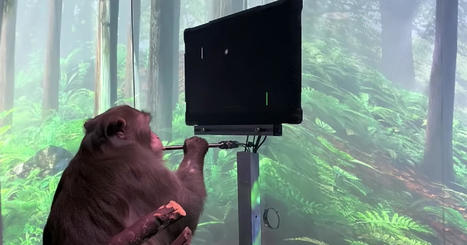
Elon Musk's startup company Neuralink has shown off the latest version of its brain-machine interface, which a monkey uses to wirelessly play Pong with its mind. The demonstration is both another step forward for the ambitious company and a fascinating look at the current state of the technology, which, amongst other things, could offer sufferers of paralysis a way to regain control of their limbs. The last time we heard from Neuralink, it had implanted one of its computer chips into the brains of pigs to demonstrate how they can record neural activity as the animals sniff around a pen. These chips consists of arrays of electrodes that record patterns of neuron activity, which can then be decoded and converted into input commands for various devices. Previous research in this field has shown how these brain-machine interfaces can be used to control drones, prosthetic limbs and computer tablets, just by recording and relaying the user's brain activity that signals their intentions. The most impressive feats, however, have required that these brain implants be tethered to computer systems to provide the necessary bandwidth for the signals to be transmitted. The goal for Neuralink, and many researchers in the field, is to develop a completely wireless version, which would allow sufferers of paralysis far greater freedom and quality of life. A consortium of scientists working on this problem, known as BrainGate, earlier this week revealed it had developed the first wireless system to transmit neural signals at a similar bandwidth to wired systems. It uses arrays of 200 electrodes to gather the full spectrum of signals from the brain's motor cortex and pass them along to a connected wireless transmitter on the user's head.
|
|
Rescooped by
Dr. Stefan Gruenwald
from Virus World
June 26, 2021 2:45 PM
|
When the first cases of the SARS-CoV-2 Delta variant were detected in the United Kingdom in mid-April, the nation was getting ready to open up. COVID-19 case numbers, hospitalizations and deaths were plummeting, thanks to months of lockdown and one of the world’s fastest vaccination programs. Two months later, the variant, which was first detected in India, has catalyzed a third UK wave and forced the government to delay the full reopening of society it had originally slated for 21 June, 2021. After observing the startlingly swift rise of the new Delta variant in the UK, other countries are now bracing for the variant’s impact — if they aren’t feeling it already. Nations with ample access to vaccines, such as those in Europe and North America, are hopeful that the shots can dampen the inevitable rise of the Delta variant. But in countries without large vaccine stocks, particularly in Africa, some scientists worry that the variant could be devastating. “In my mind, it will be really hard to keep out this variant,” says Tom Wenseleers, an evolutionary biologist and biostatistician at the Catholic University of Leuven (KU Leuven) in Belgium. “It’s very likely it will take over on a worldwide basis.” Delta, also known as B.1.617.2, belongs to a viral lineage that was first identified in India during a ferocious wave of infections there in April and May. The lineage then grew rapidly in some parts of the country, and showed signs of partial resistance to vaccines. But it was difficult for researchers to disentangle these intrinsic properties of the variant from other factors driving India’s confirmed cases past 400,000 per day, such as mass gatherings. Delta data The Delta variant has been linked to a resurgence of COVID-19 in Nepal, southeast Asia and elsewhere, but its UK spread has given scientists a clear picture of the threat it poses. Delta seems to be around 60% more transmissible than the already highly infectious Alpha variant (also called B.1.1.7) identified in the United Kingdom in late 2020. Delta is moderately resistant to vaccines, particularly in people who have received just a single dose. A Public Health England study published on 22 May 2021 found that a single dose of either AstraZeneca's or Pfizer's vaccine reduced a person’s risk of developing COVID-19 symptoms caused by the Delta variant by 33%, compared to 50% for the Alpha variant. A second dose of the AstraZeneca vaccine boosted protection against Delta to 60% (compared to 66% against Alpha), while two doses of Pfizer’s jab were 88% effective (compared to 93% against Alpha). Preliminary evidence from England and Scotland suggests that people infected with Delta are about twice as likely to end up in a hospital, compared with those infected with Alpha. “The data coming out of the UK is so good, that we have a really good idea about how the Delta variant is behaving,” says Mads Albertsen, a bioinformatician at Aalborg University in Denmark. “That’s been an eye-opener.” Denmark, which, like the United Kingdom, is a world leader in genomic surveillance, has also seen a steady rise in cases caused by the Delta variant — although far fewer than most other European countries. It is only a matter of time before the variant becomes dominant in Denmark, says Albertsen, but the hope is that its expansion can be slowed through vaccination, surveillance and enhanced contact tracing. “It’s going to take over,” he says, but “hopefully in a few months and not too soon.” Meanwhile, the Danish government is easing restrictions, not re-imposing them: restaurants and bars have been open for months to individuals who have been vaccinated or received a recent negative test, and, as of 14 June, masks are no longer required in most indoor settings. “It is looking good now in Denmark, and we are keeping a close eye on the Delta variant,” says Albertsen. “It can change quite fast, as it has done in the UK.” Cases of the Delta variant in the United Kingdom are doubling roughly every 11 days. But countries with ample vaccine stocks should be reassured by the slower uptick in hospital admissions, says Wenseleers. A recent Public Health England study found that people who have had one vaccine dose are 75% less likely to be hospitalized, compared with unvaccinated individuals, and those who are fully protected are 94% less likely to be hospitalized. US spread Delta is also on the rise in the United States, particularly in the Midwest and southeast. The US Centers for Disease Control and Prevention declared it a variant of concern on 15 June 2021. But patchy surveillance means the picture there is less clear. According to nationwide sampling conducted by the genomics company Helix in San Mateo, California, Delta is rising fast. Using a rapid genotyping test, the company has found that the proportion of cases caused by Alpha fell from more than 70% in late April to around 42% as of mid-June, with the rise of Delta driving much of the shift. Jeremy Kamil, a virologist at Louisiana State University Health in Shreveport, expects Delta to eventually become dominant in the United States, “but to be somewhat blunted by vaccination”. However, vast disparities in vaccination rates could lead to regional and local variation in cases and hospitalizations caused by Delta, says Jennifer Surtees, a biochemist at the University at Buffalo, New York, who is conducting regional surveillance. She notes that 70% of eligible New Yorkers have received at least one dose of vaccine — a milestone that triggered the lifting of most COVID-19 restrictions last week — but that figure is below 40% in some parts of the state. Communities with high proportions of African American and Hispanic individuals, where vaccination rates tend to be low, could be especially hard hit by Delta. “These are populations that are really at risk of a localized outbreak from Delta, so I think it’s really important to still keep tracking and watch this as much as possible,” Surtees says. Data from Helix2 on nearly 20,000 samples sequenced since April suggest that the Delta variant is spreading faster in US counties where less than 30% of residents have been fully vaccinated, compared to the counties with vaccination rates above that threshold. Africa at risk Delta poses the biggest risk, scientists say, to countries that have limited access to vaccines, particularly those in Africa, where most nations have vaccinated less than 5% of their populations. “The vaccines will never come in time,” says Wenseleers. “If these kinds of new variant arrive, it can be very devastating.” Surveillance in African countries is extremely limited, but there are hints that the variant is already causing cases there to surge. Several sequences of the variant have been reported in the Democratic Republic of the Congo, where an outbreak in the capital city of Kinshasa has filled hospitals. The variant has also been detected in Malawi, Uganda and South Africa. Countries that have close economic links to India, such as those in East Africa, are probably at the greatest risk of seeing a surge in cases caused by Delta, says Tulio de Oliveira, a bioinformatician and director of the KwaZulu-Natal Research and Innovation Sequencing Platform in Durban, South Africa. In his country, all of the Delta cases have been detected in shipping crews at commercial ports, with no signs yet of spread in the general community. De Oliveira expects it to stay this way. South Africa is in the middle of a third wave of infections caused by the Beta variant (also known as B.1.351) identified there last year. This, combined with a lack travel from countries affected by Delta, should make it harder for a new variant to take hold. Similar factors could be keeping Delta at bay in Brazil, which is battling another immune-evading variant called P.1, or Gamma, says Gonzalo Bello, a virologist at the Oswaldo Cruz Institute in Rio de Janeiro, who is part of a team conducting national surveillance. So far, Brazil has sequenced just four cases of the Delta variant in the country. While countries gird themselves against the Delta variant — or hope that it passes them by — researchers say we need to watch for even greater threats. “What most people are concerned about are the next variants — if we start to see variants that can really challenge the vaccines,” says Albertsen. Published in Nature (June 22, 2021): https://doi.org/10.1038/d41586-021-01696-3
Via Juan Lama
|
|
Scooped by
Dr. Stefan Gruenwald
June 22, 2021 3:59 PM
|
It could be a milestone on the path to detecting life on other planets: Scientists under the leadership of the University of Bern and of the National Centre of Competence in Research (NCCR) PlanetS detect a key molecular property of all living organisms from a helicopter flying several kilometers above ground. The measurement technology could also open up opportunities for remote sensing of the Earth.
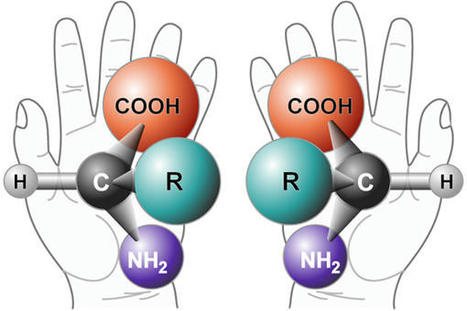
Left hands and right hands are almost perfect mirror images of each other. But whatever way they are twisted and turned, they cannot be superimposed onto each other. This is why the left glove simply won’t fit the right hand as well as it fits the left. In science, this property is referred to as chirality.
Just like hands are chiral, molecules can be chiral, too. In fact, most molecules in the cells of living organisms, such as DNA, are chiral. Unlike hands, however, that usually come in pairs of left and right, the molecules of life almost exclusively occur in either their “left-handed” or their “right-handed” version. They are homochiral, as researchers say. Why that is, is still not clear. But this molecular homochirality is a characteristic property of life, a so-called biosignature.
As part of the MERMOZ project (see info box), an international team led by the University of Bern and the National Centre of Competence in Research NCCR PlanetS, has now succeeded in detecting this signature from a distance of 2 kilometers and at a velocity of 70 kph. Jonas Kühn, MERMOZ project manager of the University of Bern and co-author of the study that has just been published in the journal Astronomy and Astrophysics, says: “The significant advance is that these measurements have been performed in a platform that was moving, vibrating and that we still detected these biosignatures in a matter of seconds.”
|
|
Scooped by
Dr. Stefan Gruenwald
June 18, 2021 12:08 AM
|
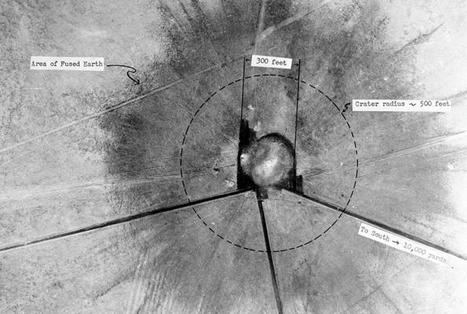
A newly discovered quasicrystal that was created by the first nuclear explosion at Trinity Site, N.M., on July 16, 1945, could someday help scientists better understand illicit nuclear explosions and curb nuclear proliferation. “Understanding another countries’ nuclear weapons requires that we have a clear understanding of their nuclear testing programs,” said Terry C. Wallace, director emeritus of Los Alamos National Laboratory and co-author of the paper about the discovery, which was published today in PNAS. “We typically analyze radioactive debris and gases to understand how the weapons were built or what materials they contained, but those signatures decay. A quasicrystal that is formed at the site of a nuclear blast can potentially tell us new types of information—and they’ll exist forever.” (See video here.) The newly discovered material was formed accidentally in the blast of the first atomic bomb test, which resulted in the fusion of surrounding sand, the test tower, and copper transmission lines into a glassy material known as trinitite. Quasicrystals are exotic material that break the rules of classical crystalline materials. Materials such as sugar, salt, or quartz form crystals with what is known as a periodic order: the atoms are arranged in a pattern that repeats itself in three dimensions. Quasicrystals, first discovered in the 1980s, have an atomic structure of the constituent elements, but the pattern is not periodic. The quasicrystal, created by the Trinity explosion in a sample of red trinitite, has 5-fold rotational symmetry, which is not possible in a natural crystal. The symmetry group of the quasicrystal is the same as that of the regular 20-sided solid known as an icosahedron, and the chemistry is given by the formula Si61Cu30Ca7Fe2. This new quasicrystal is now the oldest known human-made quasicrystal, with an unmistakable timestamp (through its composition, discovery location, and radioactivity), indicating its moment of origin. “Quasicrystals are formed in extreme environments that rarely exist on Earth,” said Wallace, who is a geophysicist. “They require a traumatic event with extreme shock, temperature, and pressure. We don’t typically see that, except in something as dramatic as a nuclear explosion.” The thermodynamic/shock conditions under which this quasicrystal formed are roughly comparable to those that formed the natural quasicrystals discovered in the Khatyrka meteorite, which dates back at least hundreds of millions of years and perhaps as far back as the beginning of the solar system. “This quasicrystal is magnificent in its complexity—but nobody can yet tell us why it was formed in this way. But someday, a scientist or engineer is going to figure that out and the scales will be lifted from our eyes and we will have a thermodynamic explanation for its creation. Then, I hope, we can use that knowledge to better understand nuclear explosions and ultimately lead to a more complete picture of what a nuclear test represents,” said Wallace. The paper was written in collaboration with the University of Florence, Italy, the University of Massachusetts, Caltech, and Princeton University. Video: https://youtu.be/EkGtzeVifgI Paper: Accidental synthesis of a previously unknown quasicrystal in the first atomic bomb test. Luca Bindi, William Kolb, G. Nelson Eby, Paul D. Asimow, Terry C. Wallace, Paul J. Steinhardt. PNAS. Jun 2021, 118 (22) e2101350118; DOI: 10.1073/pnas.2101350118
|
|
Scooped by
Dr. Stefan Gruenwald
June 17, 2021 6:10 PM
|
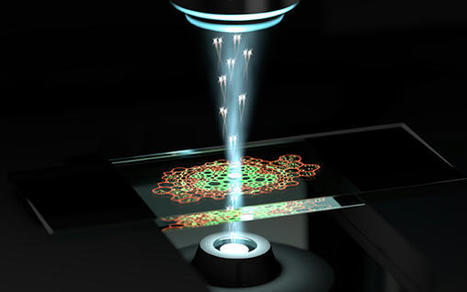
In a major scientific "quantum" leap, University of Queensland researchers have created a quantum microscope that can reveal biological structures that would otherwise be impossible to see. This paves the way for applications in biotechnology, and could extend far beyond this into areas ranging from navigation to medical imaging. The microscope is powered by the science of quantum entanglement, an effect Einstein described as "spooky interactions at a distance." Professor Warwick Bowen, from UQ's Quantum Optics Lab and the ARC Centre of Excellence for Engineered Quantum Systems (EQUS), said it was the first entanglement-based sensor with performance beyond the best possible existing technology. "This breakthrough will spark all sorts of new technologies -- from better navigation systems to better MRI machines, you name it," Professor Bowen said. "Entanglement is thought to lie at the heart of a quantum revolution. We've finally demonstrated that sensors that use it can supersede existing, non-quantum technology. This is exciting -- it's the first proof of the paradigm-changing potential of entanglement for sensing." Australia's Quantum Technologies Roadmap sees quantum sensors spurring a new wave of technological innovation in healthcare, engineering, transport and resources. A major success of the team's quantum microscope was its ability to catapult over a 'hard barrier' in traditional light-based microscopy. "The best light microscopes use bright lasers that are billions of times brighter than the sun," Professor Bowen said. "Fragile biological systems like a human cell can only survive a short time in them and this is a major roadblock. The quantum entanglement in our microscope provides 35 per cent improved clarity without destroying the cell, allowing us to see minute biological structures that would otherwise be invisible. The benefits are obvious -- from a better understanding of living systems, to improved diagnostic technologies." Professor Bowen said there were potentially boundless opportunities for quantum entanglement in technology. "Entanglement is set to revolutionize computing, communication and sensing," he said. "Absolutely secure communication was demonstrated some decades ago as the first demonstration of absolute quantum advantage over conventional technologies. Computing faster than any possible conventional computer was demonstrated by Google two years ago, as the first demonstration of absolute advantage in computing. The last piece of the puzzle was sensing, and we've now closed that gap."
|
|
Scooped by
Dr. Stefan Gruenwald
June 17, 2021 6:00 PM
|
COVID-19 has changed the way we live and work, as various health and safety restrictions keep more of us at home more often. The resulting changes to our behavior are already impacting the environment around us in myriad ways, according to comparisons of remote sensing data before and during the pandemic collected by NASA, U.S. Geological Survey (USGS), and ESA (European Space Agency) Earth-observing satellites and others. Researchers from several institutions presented their early results in a virtual press conference on Dec. 7 at the American Geophysical Union's 2020 fall meeting. They found that the environment is quickly changing, and the timing of those changes seems to indicate that the pandemic may be a reason. Deforestation rates are changing in some places, air pollution is diminishing, water quality is improving, and snow is becoming more reflective in some areas since the pandemic began earlier this year. "But we will need more research to clearly attribute environmental change to COVID," said Timothy Newman, National Land Imaging Program Coordinator for the United States Geological Survey (USGS). Scientists and engineers like Newman use remote sensing data to observe how the world is changing during the COVID-19 pandemic, comparing current remote sensing data to pre-pandemic trends. Newman's program monitors weekly changes with satellite images from the joint NASA/USGS Landsat satellites and the ESA's Sentinel-2 satellites. Newman's program observed that large swaths of the Brazilian Amazon rainforest were cleared from June to September of this year, since the start of the COVID-19 pandemic. Rapid deforestation also is occurring in the tropics near Indonesia and the Congo. Yet, in other parts of the Amazon rainforest such as Colombia and Peru, deforestation appears to have slowed somewhat since the onset of the pandemic.
|
|
Scooped by
Dr. Stefan Gruenwald
June 17, 2021 5:55 PM
|
A new map of dark matter in the local universe reveals several previously undiscovered structures connecting galaxies. The map, developed using machine learning by an international team including a Penn State astrophysicist, could enable studies about the nature of dark matter as well as about the history and future of our local universe. Dark matter is an elusive substance that makes up 80% of the universe. It also provides the skeleton for what cosmologists call the cosmic web, the large-scale structure of the universe that, due to its gravitational influence, dictates the motion of galaxies and other cosmic material. However, the distribution of local dark matter is currently unknown because it cannot be measured directly. Researchers must instead infer its distribution based on its gravitational influence on other objects in the universe, like galaxies. "Ironically, it's easier to study the distribution of dark matter much further away because it reflects the very distant past, which is much less complex," said Donghui Jeong, associate professor of astronomy and astrophysics at Penn State and a corresponding author of the study. "Over time, as the large-scale structure of the universe has grown, the complexity of the universe has increased, so it is inherently harder to make measurements about dark matter locally." Previous attempts to map the cosmic web started with a model of the early universe and then simulated the evolution of the model over billions of years. However, this method is computationally intensive and so far has not been able to produce results detailed enough to see the local universe. In the new study, the researchers took a completely different approach, using machine learning to build a model that uses information about the distribution and motion of galaxies to predict the distribution of dark matter. The researchers built and trained their model using a large set of galaxy simulations, called Illustris-TNG, which includes galaxies, gasses, other visible matter, as well as dark matter. The team specifically selected simulated galaxies comparable to those in the Milky Way and ultimately identified which properties of galaxies are needed to predict the dark matter distribution. "When given certain information, the model can essentially fill in the gaps based on what it has looked at before," said Jeong. "The map from our models doesn't perfectly fit the simulation data, but we can still reconstruct very detailed structures. We found that including the motion of galaxies -- their radial peculiar velocities -- in addition to their distribution drastically enhanced the quality of the map and allowed us to see these details." The research team then applied their model to real data from the local universe from the Cosmicflow-3 galaxy catalog. The catalog contains comprehensive data about the distribution and movement of more than 17 thousand galaxies in the vicinity of the Milky Way -- within 200 megaparsecs. The resulting map of the local cosmic web is published in a paper in the Astrophysical Journal.
|