Your new post is loading...

|
Scooped by
Dr. Stefan Gruenwald
June 3, 2021 11:52 AM
|
Reverse transcription-polymerase chain reaction (RT-PCR) has been the gold standard for diagnosis during the COVID-19 pandemic. However, the PCR portion of the test requires bulky, expensive machines and takes about an hour to complete, making it difficult to quickly diagnose someone at a testing site. Now, researchers reporting in ACS Nano have developed a plasmofluidic chip that can perform PCR in only about eight minutes, which could speed diagnosis during current and future pandemics. Rapid diagnosis of COVID-19 and other highly contagious viral diseases is important for timely medical care, quarantining and contact tracing. Currently, RT-PCR –– which uses enzymes to reverse transcribe tiny amounts of viral RNA to DNA, and then amplify the DNA so that it can be detected by a fluorescent probe –– is the most sensitive and reliable diagnostic method. But because the PCR portion of the test requires 30–40 cycles of heating and cooling in special machines, it takes about an hour to perform, and samples must typically be sent away to a lab, meaning that a patient usually has to wait a day or two to receive their diagnosis. Ki-Hun Jeong and colleagues wanted to develop a plasmofluidic PCR chip that could quickly heat and cool miniscule volumes of liquids, allowing accurate point-of-care diagnosis in a fraction of the time. The researchers devised a postage stamp-sized polydimethylsiloxane chip with a microchamber array for the PCR reactions. When a drop of sample is added to the chip, a vacuum pulls the liquid into the microchambers, which are positioned above glass nanopillars with gold nanoislands. Any microbubbles, which could interfere with the PCR reaction, diffuse out through an air-permeable wall. When a white LED is turned on beneath the chip, the gold nanoislands on the nanopillars quickly convert light to heat, and then rapidly cool when the light is switched off. The researchers tested the device on a piece of DNA containing a SARS-CoV-2 gene, accomplishing 40 heating and cooling cycles and fluorescence detection in only five minutes, with an additional three minutes for sample loading. The amplification efficiency was 91%, whereas a comparable conventional PCR process has an efficiency of 98%. With the reverse transcriptase step added prior to sample loading, the entire testing time with the new method could take 10 to 13 minutes, as opposed to about an hour for typical RT-PCR testing. The new device could provide many opportunities for rapid point-of-care diagnostics during a pandemic, the researchers say.
|
|
Scooped by
Dr. Stefan Gruenwald
June 2, 2021 2:16 PM
|
In interstellar dust clouds, turbulence must first dissipate before a star can form through gravity. A German-French research team has now discovered that the kinetic energy of the turbulence comes to rest in a space that is very small on cosmic scales, ranging from one to several light-years in extent. The group also arrived at new results in the mathematical method: Previously, the turbulent structure of the interstellar medium was described as self-similar -- or fractal. The researchers found that it is not enough to describe the structure mathematically as a single fractal, a self-similar structure as known from the Mandelbrot set. Instead, they added several different fractals, so-called multifractals. The new methods can thus be used to resolve and represent structural changes in astronomical images in detail. Applications in other scientific fields such as atmospheric research is also possible. The German-French program GENESIS (Generation of Structures in the Interstellar Medium) is a cooperation between the University of Cologne's Institute for Astrophysics, LAB at the University of Bordeaux and Geostat/INRIA Institute Bordeaux. In a highlight publication of the journal Astronomy & Astrophysics, the research team presents the new mathematical methods to characterize turbulence using the example of the Musca molecular cloud in the constellation of Musca. Stars form in huge interstellar clouds composed mainly of molecular hydrogen -- the energy reservoir of all stars. This material has a low density, only a few thousand to several tens of thousands of particles per cubic centimeter, but a very complex structure with condensations in the form of 'clumps' and 'filaments', and eventually 'cores' from which stars form by gravitational collapse of the matter. The spatial structure of the gas in and around clouds is determined by many physical processes, one of the most important of which is interstellar turbulence. This arises when energy is transferred from large scales, such as galactic density waves or supernova explosions, to smaller scales. Turbulence is known from flows in which a liquid or gas is 'stirred', but can also form vortices and exhibit brief periods of chaotic behavior, called intermittency. However, for a star to form, the gas must come to rest, i.e., the kinetic energy must dissipate. After that, gravity can exert enough force to pull the hydrogen clouds together and form a star. Thus, it is important to understand and mathematically describe the energy cascade and the associated structural change.
|
|
Scooped by
Dr. Stefan Gruenwald
May 28, 2021 5:05 AM
|
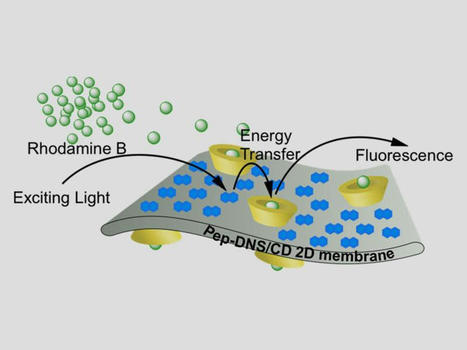
Inspired by nature, researchers at the Pacific Northwest National Laboratory (PNNL), along with collaborators from Washington State University, created a novel material capable of capturing light energy. This material provides a highly efficient artificial light-harvesting system with potential applications in photovoltaics and bioimaging.
The research provides a foundation for overcoming the difficult challenges involved in the creation of hierarchical functional organic-inorganic hybrid materials. Nature provides beautiful examples of hierarchically structured hybrid materials such as bones and teeth. These materials typically showcase a precise atomic arrangement that allows them to achieve many exceptional properties, such as increased strength and toughness.
PNNL materials scientist Chun-Long Chen, corresponding author of this study, and his collaborators created a new material that reflects the structural and functional complexity of natural hybrid materials. This material combines the programmability of a protein-like synthetic molecule with the complexity of a silicate-based nanocluster to create a new class of highly robust nanocrystals. They then programmed this 2D hybrid material to create a highly efficient artificial light-harvesting system.
“The sun is the most important energy source we have,” said Chen. “We wanted to see if we could program our hybrid nanocrystals to harvest light energy—much like natural plants and photosynthetic bacteria can—while achieving a high robustness and processibility seen in synthetic systems.” The results of this study were published May 14, 2021, in Science Advances.
|
|
Scooped by
Dr. Stefan Gruenwald
May 28, 2021 4:59 AM
|
To really appreciate what a team of researchers led by Maksym Kovalenko and Maryna Bodnarchuk has achieved, it is best to start with something mundane: Crystals of table salt are familiar to anyone who has ever had to spice up an overtly bland lunch. Sodium chloride -- NaCl in chemical terms -- is the name of the helpful chemical; it consists of positively charged sodium ions (Na+) and negatively charged chloride ions (Cl-). You can imagine the ions as beads that strongly attract each other forming densely packed and rigid crystals like the ones we can see in a saltshaker. Many naturally occurring minerals consist of ions -- positive metal ions and negative ions, which arrange themselves into different crystal structures depending on their relative sizes. In addition, there are structures such as diamond and silicon: These crystals consist of only one kind of atoms -- carbon in the case of diamond -, but, similar to minerals, the atoms are also held together by strong bonding forces. What if all strong bonding forces between atoms could be eliminated? In the realm of atoms, with all the quantum mechanics at play, this would not yield a molecule or a solid-state matter, at least at ambient conditions. "But modern chemistry can produce alternative building blocks that can indeed have vastly different interactions than those between atoms," says Maksym Kovalenko, Empa researcher and professor of chemistry at ETH Zurich. "They can be as hard as billiard balls in a sense that they sense each other only when colliding. Or they can be softer on the surfaces, like tennis balls. Moreover, they can be built in many different shapes: not just spheres, but also cubes or other polyhedra, or more anisotropic entities." Such building blocks are made of hundreds or thousands of atoms and are known as inorganic nanocrystals. Kovalenko's team of chemists at Empa and ETH is able to synthesize them in large quantities with a high degree of uniformity. Kovalenko and Bodnarchuk, and some of their colleagues the world over, have been working for about 20 years now with these kinds of building blocks. The scientists call them "Lego materials" because they form long-range ordered dense lattices known as superlattices. It had long been speculated that mixing different kinds of nanocrystals would allow the engineering of completely new supramolecular structures. The electronic, optical or magnetic properties of such multicomponent assemblies would be expected to be a mélange of the properties of the individual components. In the early years, the work had focused on mixing spheres of different sizes, resulting in dozens of various superlattices with packing structures that mimic common crystal structures, such as table salt -- albeit with crystal unit cells ten- to 100-times larger. With their latest article in "Nature," the team led by Kovalenko and Bodnarchuk now managed to expand the knowledge a great deal further: They set out to study a mixture of different shapes -- spheres and cubes to start with. This seemingly simple deviation from the mainstream immediately led to vastly different observations. Moreover, the chosen cubes, namely colloidal cesium lead halide perovskite nanocrystals, are known as some of the brightest light emitters developed to date, ever since their invention by the same team six years ago. The superlattices the researchers obtained are not only peculiar as far as their structure is concerned, but also with respect to some of their properties. In particular, they exhibit superfluorescence -- that is, the light is irradiated in a collective manner and much faster than the same nanocrystals can accomplish in their conventional state, embedded in a liquid or a powder.
|
|
Scooped by
Dr. Stefan Gruenwald
May 28, 2021 4:53 AM
|
In 29 new scientific papers, the Dark Energy Survey examines the largest-ever maps of galaxy distribution and shapes, extending more than 7 billion light-years across the Universe. The extraordinarily precise analysis, which includes data from the survey’s first three years, contributes to the most powerful test of the current best model of the Universe, the standard cosmological model. However, hints remain from earlier DES data and other experiments that matter in the Universe today is a few percent less clumpy than predicted. New results from the Dark Energy Survey (DES) use the largest-ever sample of galaxies observed over nearly one-eighth of the sky to produce the most precise measurements to date of the Universe’s composition and growth. DES images the night sky using the 570-megapixel Dark Energy Camera on the National Science Foundation’s Víctor M. Blanco 4-meter Telescope at Cerro Tololo Inter-American Observatory (CTIO) in Chile, a Program of NSF’s NOIRLab. One of the most powerful digital cameras in the world, the Dark Energy Camera was designed specifically for DES. It was funded by the Department of Energy (DOE) and was built and tested at DOE's Fermilab. Over the course of six years, from 2013 to 2019, DES used 30% of the time on the Blanco Telescope and surveyed 5000 square degrees — almost one-eighth of the entire sky — in 758 nights of observation, cataloging hundreds of millions of objects. The results announced today draw on data from the first three years — 226 million galaxies observed over 345 nights — to create the largest and most precise maps yet of the distribution of galaxies in the Universe at relatively recent epochs. The DES data were processed at the National Center for Supercomputing Applications at the University of Illinois at Urbana-Champaign.
|
|
Scooped by
Dr. Stefan Gruenwald
May 28, 2021 4:49 AM
|
Psychology researchers at UC Santa Cruz have found that playing games in virtual reality creates an effect called "time compression," where time goes by faster than you think. Grayson Mullen, who was a cognitive science undergraduate at the time, worked with Psychology Professor Nicolas Davidenko to design an experiment that tested how virtual reality's effects on a game player's sense of time differ from those of conventional monitors. The results are now published in the journal Timing & Time Perception.
|
|
Scooped by
Dr. Stefan Gruenwald
May 28, 2021 4:16 AM
|
A new map of dark matter in the local universe reveals several previously undiscovered filamentary structures connecting galaxies. The map, developed using machine learning by an international team including a Penn State astrophysicist, could enable studies about the nature of dark matter as well as about the history and future of our local universe. Dark matter is an elusive substance that makes up 80% of the universe. It also provides the skeleton for what cosmologists call the cosmic web, the large-scale structure of the universe that, due to its gravitational influence, dictates the motion of galaxies and other cosmic material. However, the distribution of local dark matter is currently unknown because it cannot be measured directly. Researchers must instead infer its distribution based on its gravitational influence on other objects in the universe, like galaxies. "Ironically, it's easier to study the distribution of dark matter much further away because it reflects the very distant past, which is much less complex," said Donghui Jeong, associate professor of astronomy and astrophysics at Penn State and a corresponding author of the study. "Over time, as the large-scale structure of the universe has grown, the complexity of the universe has increased, so it is inherently harder to make measurements about dark matter locally." Previous attempts to map the cosmic web started with a model of the early universe and then simulated the evolution of the model over billions of years. However, this method is computationally intensive and so far has not been able to produce results detailed enough to see the local universe. In the new study, the researchers took a completely different approach, using machine learning to build a model that uses information about the distribution and motion of galaxies to predict the distribution of dark matter.
|
|
Scooped by
Dr. Stefan Gruenwald
May 14, 2021 7:38 PM
|
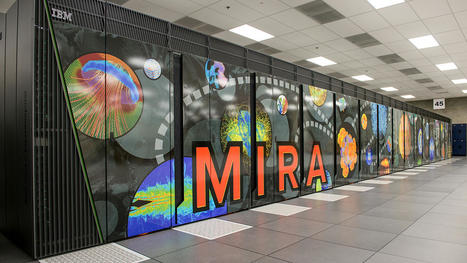
A team of physicists and computer scientists from the U.S. Department of Energy’s (DOE) Argonne National Laboratory performed one of the five largest cosmological simulations ever. Data from the simulation will inform sky maps to aid leading large-scale cosmological experiments. The simulation, called the Last Journey, follows the distribution of mass across the universe over time — in other words, how gravity causes a mysterious invisible substance called “dark matter” to clump together to form larger-scale structures called halos, within which galaxies form and evolve. Argonne’s Mira supercomputer was recently retired after seven years of enabling groundbreaking science. “We’ve learned and adapted a lot during the lifespan of Mira, and this is an interesting opportunity to look back and look forward at the same time.” — Adrian Pope, Argonne physicist The scientists performed the simulation on Argonne’s supercomputer Mira. The same team of scientists ran a previous cosmological simulation called the Outer Rim in 2013, just days after Mira turned on. After running simulations on the machine throughout its seven-year lifetime, the team marked Mira’s retirement with the Last Journey simulation. The Last Journey demonstrates how far observational and computational technology has come in just seven years, and it will contribute data and insight to experiments such as the Stage-4 ground-based cosmic microwave background experiment (CMB-S4), the Legacy Survey of Space and Time (carried out by the Rubin Observatory in Chile), the Dark Energy Spectroscopic Instrument and two NASA missions, the Roman Space Telescope and SPHEREx. “We worked with a tremendous volume of the universe, and we were interested in large-scale structures, like regions of thousands or millions of galaxies, but we also considered dynamics at smaller scales,” said Katrin Heitmann, deputy division director for Argonne’s High Energy Physics (HEP) division.
|
|
Scooped by
Dr. Stefan Gruenwald
May 14, 2021 7:11 PM
|
If you haven’t been vaccinated against COVID-19, there are now ample reasons to roll up your sleeve. Preliminary data from Cleveland Clinic suggests most people hospitalized for coronavirus aren’t fully vaccinated. “From January first to around mid-April, we’ve had around 4,300 admissions to the hospital with COVID. Of those patients, 99% were not fully vaccinated,” said Eduardo Mireles, MD, Director of the Medical Intensive Care Unit. In addition to showing the majority of COVID-19 hospital admissions were in people who had not received a full vaccine series, another set of data looking at hospital employees shows a similar trend. Researchers looked at nearly 2,000 hospital workers who had contracted COVID-19. They studied infections in the four months after the vaccine was offered. Results show 99.7% of infections in this group occurred among those who were unvaccinated. They also found coronavirus MRNA vaccines to be more than 97% effective in protecting against COVID-19. “This vaccine is highly effective to prevent our community from getting sick, not only our caregivers but the community. We have data on both. It cannot be more clear the message that vaccines work and it’s the key action that we need to do to get back to our normal lives as they were before coronavirus,” said Dr. Mireles. The research team is currently preparing the data for submission into a medical journal. Soon, the virus might only spread among unvaccinated people, so they will be highly disadvantaged.
|
|
Scooped by
Dr. Stefan Gruenwald
May 14, 2021 1:58 PM
|
A pair of researchers with Tel Aviv University's School of Zoology has found that bats have an innate sense of the speed of sound. In their paper published in Proceedings of the National Academy of Sciences, Eran Amichai and Yossi Yovel describe experiments they conducted with both wild and lab raised bats and what they learned from them. Scientists have known for some time that many species of bats use echolocation to determine how far away an object is from them. They send out a signal and then measure its distance by the amount of time that it takes for the signal to bounce back to them. What is not known is whether this ability is something they are born with or if it is learned. To answer that question, the researchers conducted two kinds of experiments—one with bats reared in the lab, the other with captured wild bats. The first experiment involved raising bats from when they were pups until they were old enough to find food on their own. Each was trained to eat from a certain target placed 130 cm away from a starting perch. Some of the bats were raised in an environment with added helium in the air—helium is thinner than air, thus sound travels faster when passing through it. Each of the bats were then tested under two scenarios. In the first, the bats were tested on their ability to reach the target under normal conditions—they were also timed. In the second scenario, the bats were tested in the same ways as they flew in helium-enriched air. The researchers found that those flying in helium-enhanced air tended to underestimate the distance to the target—and it did not matter if they were raised in a helium-rich environment or not. In the second experiment, the researchers caught and trained several wild bats and taught them to eat from the same target as the bats in the first experiment. They then ran the same tests as they did in the first experiment and obtained the same results. The bats flying in helium-enriched air tended to underestimate the distance to the target. The researchers therefore suggest that bats have an innate sense of the speed of sound.
|
|
Scooped by
Dr. Stefan Gruenwald
May 14, 2021 1:53 PM
|
Researchers at Albert Einstein College of Medicine have designed an experimental drug that reversed key symptoms of Alzheimer's disease in mice. The drug works by reinvigorating a cellular cleaning mechanism that gets rid of unwanted proteins by digesting and recycling them. The study was published recently in the journal Cell. "Discoveries in mice don't always translate to humans, especially in Alzheimer's disease," said co-study leader Ana Maria Cuervo, M.D., Ph.D., the Robert and Renée Belfer Chair for the Study of Neurodegenerative Diseases, professor of developmental and molecular biology, and co-director of the Institute for Aging Research at Einstein. "But we were encouraged to find in our study that the drop-off in cellular cleaning that contributes to Alzheimer's in mice also occurs in people with the disease, suggesting that our drug may also work in humans." In the 1990s, Dr. Cuervo discovered the existence of this cell-cleaning process, known as chaperone-mediated autophagy (CMA) and has published 200 papers on its role in health and disease. CMA becomes less efficient as people age, increasing the risk that unwanted proteins will accumulate into insoluble clumps that damage cells. In fact, Alzheimer's and all other neurodegenerative diseases are characterized by the presence of toxic protein aggregates in patients' brains. The Cell paper reveals a dynamic interplay between CMA and Alzheimer's disease, with loss of CMA in neurons contributing to Alzheimer's and vice versa. The findings suggest that drugs for revving up CMA may offer hope for treating neurodegenerative diseases. Establishing CMA's Link to Alzheimer's Dr. Cuervo's team first looked at whether impaired CMA contributes to Alzheimer's. To do so, they genetically engineered a mouse to have excitatory brain neurons that lacked CMA. The absence of CMA in one type of brain cell was enough to cause short-term memory loss, impaired walking, and other problems often found in rodent models of Alzheimer's disease. In addition, the absence of CMA profoundly disrupted proteostasis -- the cells' ability to regulate the proteins they contain. Normally soluble proteins had shifted to being insoluble and at risk for clumping into toxic aggregates. Dr. Cuervo suspected the converse was also true: that early Alzheimer's impairs CMA. So she and her colleagues studied a mouse model of early Alzheimer's in which brain neurons were made to produce defective copies of the protein tau. Evidence indicates that abnormal copies of tau clump together to form neurofibrillary tangles that contribute to Alzheimer's. The research team focused on CMA activity within neurons of the hippocampus -- the brain region crucial for memory and learning. They found that CMA activity in those neurons was significantly reduced compared to control animals. What about early Alzheimer's in people -- does it block CMA too? To find out, the researchers looked at single-cell RNA-sequencing data from neurons obtained postmortem from the brains of Alzheimer's patients and from a comparison group of healthy individuals. The sequencing data revealed CMA's activity level in patients' brain tissue. Sure enough, CMA activity was somewhat inhibited in people who had been in the early stages of Alzheimer's, followed by much greater CMA inhibition in the brains of people with advanced Alzheimer's.
|
|
Scooped by
Dr. Stefan Gruenwald
May 14, 2021 1:45 PM
|
A novel technique for studying vortices in quantum fluids has been developed by Lancaster physicists.
Andrew Guthrie, Sergey Kafanov, Theo Noble, Yuri Pashkin, George Pickett and Viktor Tsepelin, in collaboration with scientists from Moscow State University, used tiny mechanical resonators to detect individual quantum vortices in superfluid helium. Their work has recently been published in Nature Communications.
This research into quantum turbulence is simpler than turbulence in the real world, which is observed in everyday phenomena such as surf, fast flowing rivers, billowing storm clouds, or chimney smoke. Despite the fact it is so commonplace and is found at every level, from the galaxies to the subatomic, it is still not fully understood.
Physicists know the fundamental Navier-Stokes Equations which govern the flow of fluids such as air and water, but despite centuries of trying, the mathematical equations still cannot be solved. Quantum turbulence may provide the clues to an answer.
Turbulence in quantum fluids is much simpler than its “messy” classical counterpart, and being made up of identical singly-quantized vortices, can be thought of as providing an “atomic theory” of the phenomenon.
Unhelpfully, turbulence in quantum systems, for example in superfluid helium 4, takes place on microscopic scales, and so far scientists have not had tools with sufficient precision to probe eddies this small.
But now the Lancaster team, working at temperature of a few thousandths of a degree above absolute zero, has harnessed nanoscience to allow the detection of single quantum vortices (with core sizes on a par with atomic diameters) by using a nanoscale “guitar string “in the superfluid.
How the team does it is to trap a single vortex along the length of the “string” (a bar of around 100 nanometers across). The resonant frequency of the bar changes when a vortex is trapped, and thus the capture and release rate of vortices can be followed, opening a window into the turbulent structure.
|
|
Scooped by
Dr. Stefan Gruenwald
May 14, 2021 1:41 PM
|
A team of astronomers led by May Gade Pedersen, a postdoctoral scholar at UC Santa Barbara’s Kavli Institute for Theoretical Physics, have now measured the internal mixing within an ensemble of these stars using observations of waves from their deep interiors. While scientists have used this technique before, this paper marks the first time this has been accomplished for such a large group of stars at once. The results, published in Nature Astronomy(link is external), show that the internal mixing is very diverse, with no clear dependence on a star’s mass or age. Stars spend the majority of their lives fusing hydrogen into helium deep in their cores. However, the fusion in particularly massive stars is so concentrated at the center that it leads to a turbulent convective core similar to a pot of boiling water. Convection, along with other processes like rotation, effectively removes helium ash from the core and replaces it with hydrogen from the envelope. This enables the stars to live much longer than otherwise predicted. Astronomers believe this mixing arises from various physical phenomena, like internal rotation and internal seismic waves in the plasma excited by the convecting core. However, the theory has remained largely unconstrained by observations as it occurs so deep within the star. That said, there is an indirect method of peering into stars: astero-seismology, the study and interpretation of stellar oscillations. The technique has parallels to how seismologists use earthquakes to probe the interior of the Earth. “The study of stellar oscillations challenges our understanding of stellar structure and evolution,” Pedersen said. “They allow us to directly probe the stellar interiors and make comparisons to the predictions from our stellar models.”
|
|
|
Scooped by
Dr. Stefan Gruenwald
June 2, 2021 2:20 PM
|
Researchers have created a new gene editing tool called Retron Library Recombineering (RLR) that can generate up to millions of mutations simultaneously, and 'barcodes' mutant bacterial cells so that the entire pool can be screened at once. It can be used in contexts where CRISPR is toxic or not feasible, and results in better editing rates. While the CRISPR-Cas9 gene editing system has become the poster child for innovation in synthetic biology, it has some major limitations. CRISPR-Cas9 can be programmed to find and cut specific pieces of DNA, but editing the DNA to create desired mutations requires tricking the cell into using a new piece of DNA to repair the break. This bait-and-switch can be complicated to orchestrate, and can even be toxic to cells because Cas9 often cuts unintended, off-target sites as well. Alternative gene editing techniques called recombineering instead perform this bait-and-switch by introducing an alternate piece of DNA while a cell is replicating its genome, efficiently creating genetic mutations without breaking DNA. These methods are simple enough that they can be used in many cells at once to create complex pools of mutations for researchers to study. Figuring out what the effects of those mutations are, however, requires that each mutant be isolated, sequenced, and characterized: a time-consuming and impractical task. Researchers at the Wyss Institute for Biologically Inspired Engineering at Harvard University and Harvard Medical School (HMS) have created a new gene editing tool called Retron Library Recombineering (RLR) that makes this task easier. RLR generates up to millions of mutations simultaneously, and "barcodes" mutant cells so that the entire pool can be screened at once, enabling massive amounts of data to be easily generated and analyzed. The achievement, which has been accomplished in bacterial cells, is described in a recent paper in PNAS. "RLR enabled us to do something that's impossible to do with CRISPR: we randomly chopped up a bacterial genome, turned those genetic fragments into single-stranded DNA in situ, and used them to screen millions of sequences simultaneously," said co-first author Max Schubert, Ph.D., a postdoc in the lab of Wyss Core Faculty member George Church, Ph.D. "RLR is a simpler, more flexible gene editing tool that can be used for highly multiplexed experiments, which eliminates the toxicity often observed with CRISPR and improves researchers' ability to explore mutations at the genome level." Retrons: from enigma to engineering tool Retrons are segments of bacterial DNA that undergo reverse transcription to produce fragments of single-stranded DNA (ssDNA). Retrons' existence has been known for decades, but the function of the ssDNA they produce flummoxed scientists from the 1980s until June 2020, when a team finally figured out that retron ssDNA detects whether a virus has infected the cell, forming part of the bacterial immune system. While retrons were originally seen as simply a mysterious quirk of bacteria, researchers have become more interested in them over the last few years because they, like CRISPR, could be used for precise and flexible gene editing in bacteria, yeast, and even human cells. "For a long time, CRISPR was just considered a weird thing that bacteria did, and figuring out how to harness it for genome engineering changed the world. Retrons are another bacterial innovation that might also provide some important advances," said Schubert. His interest in retrons was piqued several years ago because of their ability to produce ssDNA in bacteria -- an attractive feature for use in a gene editing process called oligonucleotide recombineering. Recombination-based gene editing techniques require integrating ssDNA containing a desired mutation into an organism's DNA, which can be done in one of two ways. Double-stranded DNA can be physically cut (with CRISPR-Cas9, for example) to induce the cell to incorporate the mutant sequence into its genome during the repair process, or the mutant DNA strand and a single-stranded annealing protein (SSAP) can be introduced into a cell that is replicating so that the SSAP incorporates the mutant strand into the daughter cells' DNA. "We figured that retrons should give us the ability to produce ssDNA within the cells we want to edit rather than trying to force them into the cell from the outside, and without damaging the native DNA, which were both very compelling qualities," said co-first author Daniel Goodman, Ph.D., a former Graduate Research Fellow at the Wyss Institute who is now a Jane Coffin Childs Postdoctoral Fellow at UCSF.
|
|
Scooped by
Dr. Stefan Gruenwald
May 28, 2021 5:09 AM
|
Killer flies can reach accelerations of over 3g when aerial diving to catch their prey -- but at such high speeds they often miss because they can't correct their course. These are the findings of a study by researchers at the Universities of Cambridge, Lincoln, and Minnesota, published today in the Journal of the Royal Society Interface. Killer flies (Coenosia attenuata) perform high-speed aerial dives to attack prey flying beneath them, reaching impressive accelerations of up to 36 m/s2, equivalent to 3.6 times the acceleration due to gravity (or 3.6g). This happens because they beat their wings as they fall, combining the acceleration of powered flight with the acceleration of gravity. This is an impressive feat: diving Falcons, the fastest animals that predate in the air, achieve much lower accelerations of only 6.8m/s2. Falcons dive by folding their wings and simply letting gravity accelerate them towards their prey. For the tiny Killer fly though, the high speeds achieved in aerial dives could come as a surprise -- because the researchers think the fly doesn't take the effect of gravity into account when diving to intercept a target. To get their results, the researchers built a transparent 'flight arena' and flew a dummy prey target through it at constant velocity. Killer flies were filmed with high speed video cameras as they attacked the target, and the researchers watched the footage back in slow motion -- using this data to reconstruct the entire attack sequence in 3D. The study found that Killer flies reached much higher accelerations in flight when taking off from the ceiling of the arena, compared to from the floor or walls. The flies beat their wings at a similar rate wherever they launched from, indicating that their flight speed is determined by a combination of wing power and gravity. "When Killer flies took off from the floor or walls of the arena, they moved at the time when they could take the shortest path to the target. But they couldn't manage that when they took off from the ceiling because the high acceleration caused by gravity changed the expected flight path," said Sergio Rossoni, a PhD student in the University of Cambridge's Department of Zoology and first author of the paper. By diving with super-high acceleration the Killer fly sometimes catches its target prey extremely quickly, but it often misses because its speed makes it challenging to change course mid-dive if the prey moves. But even if the fly doesn't land on target, the dive quickly reduces its distance from the prey so it can keep sight of it while making the final maneuvers to catch it.
|
|
Scooped by
Dr. Stefan Gruenwald
May 28, 2021 5:02 AM
|
More than 90 years ago, astronomer Edwin Hubble observed the first hint of the rate at which the universe expands, called the Hubble constant. Almost immediately, astronomers began arguing about the actual value of this constant, and over time, realized that there was a discrepancy in this number between early universe observations and late universe observations. Early in the universe's existence, light moved through plasma -- there were no stars yet -- and from oscillations similar to sound waves created by this, scientists deduced that the Hubble constant was about 67. This means the universe expands about 67 kilometers per second faster every 3.26 million light-years. But this observation differs when scientists look at the universe's later life, after stars were born and galaxies formed. The gravity of these objects causes what's called gravitational lensing, which distorts light between a distant source and its observer. Other phenomena in this late universe include extreme explosions and events related to the end of a star's life. Based on these later life observations, scientists calculated a different value, around 74. This discrepancy is called the Hubble tension. Now, an international team including a University of Michigan physicist has analyzed a database of more than 1,000 supernovae explosions, supporting the idea that the Hubble constant might not actually be constant. Instead, it may change based on the expansion of the universe, growing as the universe expands. This explanation likely requires new physics to explain the increasing rate of expansion, such as a modified version of Einstein's gravity. The team's results are published in the Astrophysical Journal.
|
|
Scooped by
Dr. Stefan Gruenwald
May 28, 2021 4:55 AM
|
Columbia Engineering researchers use AI to teach robots to make appropriate reactive human facial expressions, an ability that could build trust between humans and their robotic co-workers and care-givers. While our facial expressions play a huge role in building trust, most robots still sport the blank and static visage of a professional poker player. With the increasing use of robots in locations where robots and humans need to work closely together, from nursing homes to warehouses and factories, the need for a more responsive, facially realistic robot is growing more urgent. Long interested in the interactions between robots and humans, researchers in the Creative Machines Lab at Columbia Engineering have been working for five years to create EVA, a new autonomous robot with a soft and expressive face that responds to match the expressions of nearby humans. The research will be presented at the ICRA conference on May 30, 2021, and the robot blueprints are open-sourced on Hardware-X (April 2021). "The idea for EVA took shape a few years ago, when my students and I began to notice that the robots in our lab were staring back at us through plastic, googly eyes," said Hod Lipson, James and Sally Scapa Professor of Innovation (Mechanical Engineering) and director of the Creative Machines Lab. Lipson observed a similar trend in the grocery store, where he encountered restocking robots wearing name badges, and in one case, decked out in a cozy, hand-knit cap. "People seemed to be humanizing their robotic colleagues by giving them eyes, an identity, or a name," he said. "This made us wonder, if eyes and clothing work, why not make a robot that has a super-expressive and responsive human face?" While this sounds simple, creating a convincing robotic face has been a formidable challenge for roboticists. For decades, robotic body parts have been made of metal or hard plastic, materials that were too stiff to flow and move the way human tissue does. Robotic hardware has been similarly crude and difficult to work with -- circuits, sensors, and motors are heavy, power-intensive, and bulky. The first phase of the project began in Lipson's lab several years ago when undergraduate student Zanwar Faraj led a team of students in building the robot's physical "machinery." They constructed EVA as a disembodied bust that bears a strong resemblance to the silent but facially animated performers of the Blue Man Group. EVA can express the six basic emotions of anger, disgust, fear, joy, sadness, and surprise, as well as an array of more nuanced emotions, by using artificial "muscles" (i.e. cables and motors) that pull on specific points on EVA's face, mimicking the movements of the more than 42 tiny muscles attached at various points to the skin and bones of human faces. "The greatest challenge in creating EVA was designing a system that was compact enough to fit inside the confines of a human skull while still being functional enough to produce a wide range of facial expressions," Faraj noted.
|
|
Scooped by
Dr. Stefan Gruenwald
May 28, 2021 4:51 AM
|
Laboratory experiments allow insights into the processes under the extreme pressure and temperature conditions of distant worlds. What is happening deep beneath the surface of ice planets? Is there liquid water, and if so, how does it interact with the planetary rocky “seafloor”? New experiments show that on water-ice planets between the size of our Earth and up to six times this size, water selectively leaches magnesium from typical rock minerals. The conditions with pressures of hundred thousand atmospheres and temperatures above one thousand degrees Celsius were recreated in a lab and mimicked planets similar, but smaller than Neptune and Uranus. The mechanisms of water-rock interaction at the Earth’s surface are well known, and the picture of the complex cycle of H2O in the deep interior of our and other terrestrial planets is constantly improving. However, we do not know what happens at the interface between hot, dense H2O and the deep rocky shell of water-ice planets at pressures and temperatures orders of magnitude higher than at the bottom of the deepest oceans on Earth. In the solar system Neptune and Uranus are classified as ice-giants; they have a thick external water-ice layer, which is underlain by a deep rocky layer, and it is still discussed whether the temperature at the interface is high enough to form liquid water. An international research team lead by Taehyun Kim of the Yonsei University of Seoul, Korea, including scientists from the University of Arizona, from DESY, from Argonne National Laboratory, and Sergio Speziale of the GFZ German Research Centre for Geosciences, conducted a series of challenging experiments both at PETRA III (Hamburg) and the Advanced Photon Source (Argonne, U.S.A.) showing how water strongly leaches magnesium oxide (MgO) from certain minerals, i.e. ferropericlase (Mg,Fe)O and olivine (Mg,Fe)2SiO4 at pressures between 20 and 40 Gigapascal (GPa). This equals 200,000 to 400,000 times the atmospheric pressure on Earth and temperatures above 1500 K (∼ 1230 °C), conditions which are present at the interface between deep oceans and the rocky mantle in sub-Neptune class of water planets. Sergio Speziale says: “These findings open new scenarios for the thermal history of large icy planets such as Neptune and Uranus.” The results of this study are published in the scientific journal Nature Astronomy.
|
|
Scooped by
Dr. Stefan Gruenwald
May 28, 2021 4:47 AM
|
Ant workers that are infected with a tapeworm live much longer than their uninfected nest-mates. Parasitic infections are usually harmful to their hosts, but there are some exceptions. According to the results of a multi-year scientific study, ants of the species Temnothorax nylanderi show exceptionally high survival rates when infected with a tapeworm. "The lifespan of the infected ants is significantly prolonged. According to our observations, such workers have a survival rate similar to that of queens," said Professor Susanne Foitzik of Johannes Gutenberg University Mainz (JGU), leader of the study. Queens of this species can live for up to 20 years, while female workers rarely reach the age of two. Among possible explanations for this extended lifespan are the change in the physiology of infected ants caused by the parasites and the fact that infected workers are better supplied with food.
|
|
Rescooped by
Dr. Stefan Gruenwald
from Immunology
May 20, 2021 8:13 PM
|
There is increasing appreciation that the immune system plays critical roles not only in the traditional domains of infection and inflammation but also in many areas of biology, including tumorigenesis, metabolism, and even neurobiology. However, one of the major barriers for understanding human immunological mechanisms is that immune assays have not been reproducibly characterized for a sufficiently large and diverse healthy human cohort. That's where the 10,000 Immunomes Project (10KIP) comes in. It is a framework for growing a diverse human immunology reference, from ImmPort, a publicly available resource of subject-level immunology data. Although some measurement types are sparse in the presently deposited ImmPort database, the extant data allow for a diversity of robust comparisons. Using 10KIP, we describe variations in serum cytokines and leukocytes by age, race, and sex; define a baseline cell-cytokine network; and describe immunologic changes in pregnancy. All data in the resource are available for visualization and download at http://10kimmunomes.org/.
Via Gilbert C FAURE
|
|
Scooped by
Dr. Stefan Gruenwald
May 14, 2021 7:34 PM
|
A research team at the University of Cologne has discovered previously undescribed bacteria in amoebae that are related to Legionella and may even cause disease. The researchers from Professor Dr. Michael Bonkowski's working group at the Institute of Zoology have named one of the newly discovered bacteria 'Pokemonas' because they live in spherical amoebae, comparable to Pokémon in the video game, which are caught in balls. The results of their research have been published in the journal Frontiers in Cellular and Infection Microbiology.
Bacteria of the order Legionellales have long been of scientific interest because some of these bacteria are known to cause lung disease in humans and animals—such as "Legionnaires' disease," which is caused by the species Legionella pneumophila and can sometimes be fatal. Legionellales bacteria live and multiply as intracellular parasites in the cells of organisms as hosts. In particular, the hosts of Legionellales are amoebae. The term 'amoeba' is used to describe a variety of microorganisms that are not closely related, but share a variable shape and crawling locomotion by means of pseudopods. "We wanted to screen amoebae for Legionellales and chose a group of amoebae for our research that had no close relationship to the hosts that were previously studied. The choice fell on the amoeba group Thecofilosea, which is often overlooked by researchers," explains Marcel Dominik Solbach.
And indeed, the spherical Thecofilosea serve as host organisms for Legionellales. In Thecofilosea amoebae from environmental samples, the scientists were able to detect various Legionellales species, including two previously undescribed genera and one undescribed species from the genus Legionella. "The results show that the range of known host organisms of these bacteria is considerably wider than previously thought. In addition, these findings suggest that many more amoebae may serve as hosts for Legionellales—and thus potentially as vectors of disease. To investigate this further, we are now sequencing the complete genome of these bacteria," said Dr. Kenneth Dumack, who led the project.
|
|
Scooped by
Dr. Stefan Gruenwald
May 14, 2021 4:11 PM
|
Programmed ribosomal frameshifting is a key event during translation of the SARS-CoV-2 RNA genome allowing synthesis of the viral RNA-dependent RNA polymerase and downstream proteins. A team of scientists now presents the cryo-electron microscopy structure of a translating mammalian ribosome primed for frameshifting on the viral RNA. The viral RNA adopts a pseudoknot structure that lodges at the entry to the ribosomal mRNA channel to generate tension in the mRNA and promote frameshifting, whereas the nascent viral polyprotein forms distinct interactions with the ribosomal tunnel. Biochemical experiments validate the structural observations and reveal mechanistic and regulatory features that influence frameshifting efficiency. Finally, the researchers compare compounds previously shown to reduce frameshifting with respect to their ability to inhibit SARS-CoV-2 replication, establishing coronavirus frameshifting as a target for antiviral intervention.
|
|
Scooped by
Dr. Stefan Gruenwald
May 14, 2021 1:56 PM
|
A new theorem from the field of quantum machine learning has poked a major hole in the accepted understanding about information scrambling.
“Our theorem implies that we are not going to be able to use quantum machine learning to learn typical random or chaotic processes, such as black holes. In this sense, it places a fundamental limit on the learnability of unknown processes,” said Zoe Holmes, a post-doc at Los Alamos National Laboratory and coauthor of the paper describing the work published today in Physical Review Letters.
“Thankfully, because most physically interesting processes are sufficiently simple or structured so that they do not resemble a random process, the results don’t condemn quantum machine learning, but rather highlight the importance of understanding its limits,” Holmes said.
In the classic Hayden-Preskill thought experiment, a fictitious Alice tosses information such as a book into a black hole that scrambles the text. Her companion, Bob, can still retrieve it using entanglement, a unique feature of quantum physics. However, the new work proves that fundamental constraints on Bob’s ability to learn the particulars of a given black hole’s physics means that reconstructing the information in the book is going to be very difficult or even impossible.
“Any information run through an information scrambler such as a black hole will reach a point where the machine learning algorithm stalls out on a barren plateau and thus becomes untrainable. That means the algorithm can’t learn scrambling processes,” said Andrew Sornborger a computer scientist at Los Alamos and coauthor of the paper. Sornborger is Director of Quantum Science Center at Los Alamos and leader of the Center’s algorithms and simulation thrust. The Center is a multi-institutional collaboration led by Oak Ridge National Laboratory.
Barren plateaus are regions in the mathematical space of optimization algorithms where the ability to solve the problem becomes exponentially harder as the size of the system being studied increases. This phenomenon, which severely limits the trainability of large scale quantum neural networks, was described in a recent paper by a related Los Alamos team.
|
|
Scooped by
Dr. Stefan Gruenwald
May 14, 2021 1:50 PM
|
Investigators in China and the United States have injected human stem cells into primate embryos and were able to grow chimeric embryos for a significant period of time -- up to 20 days. The research, despite its ethical concerns, has the potential to provide new insights into developmental biology and evolution. It also has implications for developing new models of human biology and disease. The work appears April 15, 2021 in the journal Cell. "As we are unable to conduct certain types of experiments in humans, it is essential that we have better models to more accurately study and understand human biology and disease," says senior author Juan Carlos Izpisua Belmonte, a professor in the Gene Expression Laboratory at the Salk Institute for Biological Sciences. "An important goal of experimental biology is the development of model systems that allow for the study of human diseases under in vivo conditions." Interspecies chimeras in mammals have been made since the 1970s, when they were generated in rodents and used to study early developmental processes. The advance that made the current study possible came last year when this study's collaborating team -- led by Weizhi Ji of Kunming University of Science and Technology in Yunnan, China -- generated technology that allowed monkey embryos to stay alive and grow outside the body for an extended period of time. In the current study, six days after the monkey embryos had been created, each one was injected with 25 human cells. The cells were from an induced pluripotent cell line known as extended pluripotent stem cells, which have the potential to contribute to both embryonic and extra-embryonic tissues. After one day, human cells were detected in 132 embryos. After 10 days, 103 of the chimeric embryos were still developing. Survival soon began declining, and by day 19, only three chimeras were still alive. Importantly, though, the percentage of human cells in the embryos remained high throughout the time they continued to grow. "Historically, the generation of human-animal chimeras has suffered from low efficiency and integration of human cells into the host species," Izpisua Belmonte says. "Generation of a chimera between human and non-human primate, a species more closely related to humans along the evolutionary timeline than all previously used species, will allow us to gain better insight into whether there are evolutionarily imposed barriers to chimera generation and if there are any means by which we can overcome them."
|
|
Scooped by
Dr. Stefan Gruenwald
May 14, 2021 1:43 PM
|
Howard Hughes Medical Institute (HHMI) Investigator Krishna Shenoy and his team have decoded the neural signals associated with writing letters, then displayed typed versions of these letters in real time, an invention that could one day help people with paralysis communicate. Scientists are exploring a number of ways for people with disabilities to communicate with their thoughts. The newest and fastest turns back to a vintage means for expressing oneself: handwriting. For the first time, researchers have deciphered the brain activity associated with trying to write letters by hand. Working with a participant with paralysis who has sensors implanted in his brain, the team used an algorithm to identify letters as he attempted to write them. Then, the system displayed the text on a screen – in real time. This innovation could, with further development, let people with paralysis rapidly type without using their hands, says study coauthor Krishna Shenoy, a Howard Hughes Medical Institute Investigator at Stanford University who jointly supervised the work with Jaimie Henderson, a Stanford neurosurgeon. By attempting handwriting, the study participant typed 90 characters per minute – more than double the previous record for typing with such a “brain-computer interface,” Shenoy and his colleagues report in the journal Nature on May 12, 2021. This technology and others like it have the potential to help people with all sorts of disabilities, says Jose Carmena, a neural engineer at the University of California, Berkeley, who was not involved in the study. Though the findings are preliminary, he says, “it’s a big advancement in the field.” Brain-computer interfaces convert thought into action, Carmena says. “This paper is a perfect example: the interface decodes the thought of writing and produces the action.”
|