Your new post is loading...

|
Scooped by
Dr. Stefan Gruenwald
July 12, 2021 7:19 PM
|
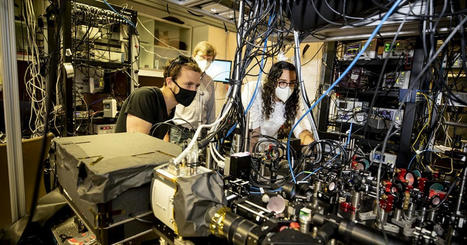
A team of physicists from the Harvard-MIT Center for Ultracold Atoms and other universities has developed a special type of quantum computer known as a programmable quantum simulator capable of operating with 256 quantum bits, or "qubits." The system marks a major step toward building large-scale quantum machines that could be used to shed light on a host of complex quantum processes and eventually help bring about real-world breakthroughs in material science, communication technologies, finance, and many other fields, overcoming research hurdles that are beyond the capabilities of even the fastest supercomputers today. Qubits are the fundamental building blocks on which quantum computers run and the source of their massive processing power. "This moves the field into a new domain where no one has ever been to thus far," said Mikhail Lukin, the George Vasmer Leverett Professor of Physics, co-director of the Harvard Quantum Initiative, and one of the senior authors of the study published today in the journal Nature. "We are entering a completely new part of the quantum world." According to Sepehr Ebadi, a physics student in the Graduate School of Arts and Sciences and the study's lead author, it is the combination of system's unprecedented size and programmability that puts it at the cutting edge of the race for a quantum computer, which harnesses the mysterious properties of matter at extremely small scales to greatly advance processing power. Under the right circumstances, the increase in qubits means the system can store and process exponentially more information than the classical bits on which standard computers run. "The number of quantum states that are possible with only 256 qubits exceeds the number of atoms in the solar system," Ebadi said, explaining the system's vast size. Already, the simulator has allowed researchers to observe several exotic quantum states of matter that had never before been realized experimentally, and to perform a quantum phase transition study so precise that it serves as the textbook example of how magnetism works at the quantum level. These experiments provide powerful insights on the quantum physics underlying material properties and can help show scientists how to design new materials with exotic properties. The project uses a significantly upgraded version of a platform the researchers developed in 2017, which was capable of reaching a size of 51 qubits. That older system allowed the researchers to capture ultra-cold rubidium atoms and arrange them in a specific order using a one-dimensional array of individually focused laser beams called optical tweezers. This new system allows the atoms to be assembled in two-dimensional arrays of optical tweezers. This increases the achievable system size from 51 to 256 qubits. Using the tweezers, researchers can arrange the atoms in defect-free patterns and create programmable shapes like square, honeycomb, or triangular lattices to engineer different interactions between the qubits.
|
|
Scooped by
Dr. Stefan Gruenwald
July 12, 2021 7:12 PM
|
Contrary to what science once suggested, older people with a declining sense of smell do not have comprehensively dampened olfactory ability for odors in general -- it simply depends upon the type of odor. Researchers at the University of Copenhagen reached this conclusion after examining a large group of older Danes' and their intensity perception of common food odors. That older people aren't as good at smelling as they once were, is something that many can relate to. And, it has also been scientifically demonstrated. One's sense of smell gradually begins to decline from about the age of 55. Until now, it was believed that one's sense of smell broadly declined with increasing age. However, a study from the University of Copenhagen reports that certain food odors are significantly more affected than others. The Department of Food Science's Eva Honnens de Lichtenberg Broge and her fellow researchers have tested the ability of older Danes to perceive everyday food odors. The researchers measured how intensely older adults perceived different food odors, as well as how much they liked the odors. "Our study shows that the declining sense of smell among older adults is more complex than once believed. While their ability to smell fried meat, onions and mushrooms is markedly weaker, they smell orange, raspberry and vanilla just as well as younger adults. Thus, a declining sense of smell in older adults seems rather odor specific. What is really interesting is that how much you like an odor is not necessarily dependent on the intensity perception" says Eva Honnens de Lichtenberg Broge. For example, liking of seemed to be largely unaffected for fried meat, onions and mushrooms, despite the largest decline in intensity perception was seen for these specific odors. Also the ability to smell coffee declined, among other things, though they didn't like the aroma of coffee to the same degree as younger adults. The test subjects included 251 Danes between the ages of 60 and 98 and a control group consisting of 92 people between the ages of 20 and 39.
|
|
Scooped by
Dr. Stefan Gruenwald
July 12, 2021 6:57 PM
|
University of California researchers have developed a new computer AI software that enables robots to learn physical skills — called motor tasks — by trial + error. The robot uses a step-by-step process similar to the way humans learn. The lab made a demo of their technique — called re-inforcement learning. In the test: the robot completes a variety of physical tasks — without any pre-programmed details about its surroundings. Some of the robot’s successful test tasks:
- putting a clothes hanger on a pole
- stacking wood donuts on a pole
- assembling a toy airplane
- screwing the cap on a water bottle
- inserting a shaped peg into its matching hole
Robots learn motor tasks autonomously with this AI. The lead researcher Pieter Abbeel PhD said: "What we are showing is a new approach to enable a robot to learn. The key is that when a robot is faced with something new, we won’t have to re-program it. The same AI software enables the robot to learn all the different tasks we gave it." Team member Trevor Darrell PhD added: "Most robotic applications happen in controlled environments — where physical objects are in predictable positions in the surroundings. The challenge of putting robots into real-life settings — like homes, offices, or transported to new or unknown facilities — is that those environments are constantly changing. The robot must be able to sense + adapt to its surroundings." The research is part of the People + Robots Initiative — at the Univ. of California’s Center for Information Technology Research in the Interest of Society — CITRIS. The center develops info-tech solutions for world-wide benefit. They advance AI, robotics, and automation.
|
|
Scooped by
Dr. Stefan Gruenwald
July 12, 2021 6:48 PM
|
When Betelgeuse, a bright orange star in the constellation of Orion, lost more than two-thirds of its brightness in late 2019 and early 2020, astronomers were puzzled. What could cause such an abrupt dimming? Now, in a new paper published today in Nature, an international team of astronomers reveal two never-before-seen images of the mysterious darkening — and an explanation. The dimming was caused by a dusty veil shading the star, which resulted from a drop in temperature on Betelgeuse's stellar surface. Led by Miguel Montargès at the Observatoire de Paris, the new images were taken in January and March of 2020 using the European Southern Observatory’s Very Large Telescope. Combined with images previously taken in January and December 2019, the astronomers clearly capture how the stellar surface changed and darkened over time, especially in the southern region. "For once, we were seeing the appearance of a star changing in real-time on a scale of weeks," Montargès says. Betelgeuse's surface regularly changes as giant bubbles of gas move, shrink and swell within the star. The team concludes that some time before the great dimming, the star ejected a large gas bubble that moved away from it, aided by the star's outward pulsation. When a patch of the surface cooled down shortly after, that temperature decrease was enough for the heavier elements (e.g. silicon) in the gas to condense into solid dust. The new findings match Andrea Dupree's previous observations of Betelgeuse using the Hubble Space Telescope. Dupree, an astronomer at the Center for Astrophysics | Harvard & Smithsonian and a co-author on the new paper, captured signs of dense, heated material moving through the star's atmosphere in the months leading up to the great dimming. "With Hubble, we could see the material as it left the star's surface and moved out through the atmosphere, before the dust formed that caused the star to appear to dim," Dupree says. Dupree found that the material moved about 200,000 miles per hour as it traveled from the star’s surface to its outer atmosphere. Once the gas bubble was millions of miles from the hot star, it cooled and formed a dust cloud that temporarily blocked the star's light.
|
|
Scooped by
Dr. Stefan Gruenwald
July 8, 2021 7:29 PM
|
An unknown methane-producing process is likely at work in the hidden ocean beneath the icy shell of Saturn's moon Enceladus, suggests a new study published in Nature Astronomy by scientists at the University of Arizona and Paris Sciences & Lettres University. Giant water plumes erupting from Enceladus have long fascinated scientists and the public alike, inspiring research and speculation about the vast ocean that is believed to be sandwiched between the moon's rocky core and its icy shell. Flying through the plumes and sampling their chemical makeup, the Cassini spacecraft detected a relatively high concentration of certain molecules associated with hydrothermal vents on the bottom of Earth's oceans, specifically dihydrogen, methane and carbon dioxide. The amount of methane found in the plumes was particularly unexpected. "We wanted to know: Could Earthlike microbes that 'eat' the dihydrogen and produce methane explain the surprisingly large amount of methane detected by Cassini?" said Regis Ferriere, an associate professor in the University of Arizona Department of Ecology and Evolutionary Biology and one of the study's two lead authors. "Searching for such microbes, known as methanogens, at Enceladus' seafloor would require extremely challenging deep-dive missions that are not in sight for several decades." Ferriere and his team took a different, easier route: They constructed mathematical models to calculate the probability that different processes, including biological methanogenesis, might explain the Cassini data. The authors applied new mathematical models that combine geochemistry and microbial ecology to analyze Cassini plume data and model the possible processes that would best explain the observations. They conclude that Cassini's data are consistent either with microbial hydrothermal vent activity, or with processes that don't involve life forms but are different from the ones known to occur on Earth. On Earth, hydrothermal activity occurs when cold seawater seeps into the ocean floor, circulates through the underlying rock and passes close by a heat source, such as a magma chamber, before spewing out into the water again through hydrothermal vents. On Earth, methane can be produced through hydrothermal activity, but at a slow rate. Most of the production is due to microorganisms that harness the chemical disequilibrium of hydrothermally produced dihydrogen as a source of energy, and produce methane from carbon dioxide in a process called methanogenesis. The team looked at Enceladus' plume composition as the end result of several chemical and physical processes taking place in the moon's interior. First, the researchers assessed what hydrothermal production of dihydrogen would best fit Cassini's observations, and whether this production could provide enough "food" to sustain a population of Earthlike hydrogenotrophic methanogens. To do that, they developed a model for the population dynamics of a hypothetical hydrogenotrophic methanogen, whose thermal and energetic niche was modeled after known strains from Earth. The authors then ran the model to see whether a given set of chemical conditions, such as the dihydrogen concentration in the hydrothermal fluid, and temperature would provide a suitable environment for these microbes to grow. They also looked at what effect a hypothetical microbe population would have on its environment -- for example, on the escape rates of dihydrogen and methane in the plume. "In summary, not only could we evaluate whether Cassini's observations are compatible with an environment habitable for life, but we could also make quantitative predictions about observations to be expected, should methanogenesis actually occur at Enceladus' seafloor," Ferriere explained. The results suggest that even the highest possible estimate of abiotic methane production -- or methane production without biological aid -- based on known hydrothermal chemistry is far from sufficient to explain the methane concentration measured in the plumes. Adding biological methanogenesis to the mix, however, could produce enough methane to match Cassini's observations. "Obviously, we are not concluding that life exists in Enceladus' ocean," Ferriere said. "Rather, we wanted to understand how likely it would be that Enceladus' hydrothermal vents could be habitable to Earthlike microorganisms. Very likely, the Cassini data tell us, according to our models. And biological methanogenesis appears to be compatible with the data. In other words, we can't discard the 'life hypothesis' as highly improbable. To reject the life hypothesis, we need more data from future missions," he added. The authors hope their paper provides guidance for studies aimed at better understanding the observations made by Cassini and that it encourages research to elucidate the abiotic processes that could produce enough methane to explain the data. For example, methane could come from the chemical breakdown of primordial organic matter that may be present in Enceladus' core and that could be partially turned into dihydrogen, methane and carbon dioxide through the hydrothermal process. This hypothesis is very plausible if it turns out that Enceladus formed through the accretion of organic-rich material supplied by comets, Ferriere explained. "It partly boils down to how probable we believe different hypotheses are to begin with," he said. "For example, if we deem the probability of life in Enceladus to be extremely low, then such alternative abiotic mechanisms become much more likely, even if they are very alien compared to what we know here on Earth."
|
|
Scooped by
Dr. Stefan Gruenwald
July 8, 2021 7:23 PM
|
An MIT study shows radioactive molecules are sensitive to subtle nuclear phenomena. The molecules might help physicists probe violation of the most fundamental symmetries of nature, including why the universe contains relatively little antimatter. Most atoms in nature host a symmetrical, spherical nucleus, with neutrons and protons evenly distributed throughout. But in certain radioactive elements like radium, atomic nuclei are weirdly pear-shaped, with an uneven distribution of neutrons and protons within. Physicists hypothesize that this shape distortion can enhance the violation of symmetries that gave origin to the matter in the universe. "Radioactive nuclei could allow us to easily see these symmetry-violating effects," says study lead author Silviu-Marian Udrescu, a graduate student in MIT's Department of Physics. "The disadvantage is, they're very unstable and live for a very short amount of time, so we need sensitive methods to produce and detect them, fast." Rather than attempt to pin down radioactive nuclei on their own, the team placed them in a molecule that further amplifies the sensitivity to symmetry violations. Radioactive molecules consist of at least one radioactive atom, bound to one or more other atoms. Each atom is surrounded by a cloud of electrons that together generate an extremely high electric field in the molecule that physicists believe could amplify subtle nuclear effects, such as effects of symmetry violation. However, aside from certain astrophysical processes, such as merging neutron stars, and stellar explosions, the radioactive molecules of interest do not exist in nature and therefore must be created artificially. Garcia Ruiz and his colleagues have been refining techniques to create radioactive molecules in the lab and precisely study their properties. Last year, they reported on a method to produce molecules of radium monofluoride, or RaF, a radioactive molecule that contains one unstable radium atom and a fluoride atom. In their newest study, the team used similar techniques to produce RaF isotopes, or versions of the radioactive molecule with varying numbers of neutrons. As they did in their previous experiment, the researchers utilized the Isotope mass Separator On-Line, or ISOLDE, facility at CERN, in Geneva, Switzerland, to produce small quantities of RaF isotopes. The facility houses a low-energy proton beam, which the team directed toward a target -- a half-dollar-sized disc of uranium-carbide, onto which they also injected a carbon fluoride gas. The ensuing chemical reactions produced a zoo of molecules, including RaF, which the team separated using a precise system of lasers, electromagnetic fields, and ion traps. The researchers measured each molecule's mass to estimate of the number of neutrons in a molecule's radium nucleus. They then sorted the molecules by isotopes, according to their neutron numbers. In the end, they sorted out bunches of five different isotopes of RaF, each bearing more neutrons than the next. With a separate system of lasers, the team measured the quantum levels of each molecule. "Imagine a molecule vibrating like two balls on a spring, with a certain amount of energy," explains Udrescu, who is a graduate student of MIT's Laboratory for Nuclear Science. "If you change the number of neutrons in one of these balls, the amount of energy could change. But one neutron is 10 million times smaller than a molecule, and with our current precision we didn't expect that changing one would create an energy difference, but it did. And we were able to clearly see this effect."
|
|
Scooped by
Dr. Stefan Gruenwald
July 7, 2021 3:17 AM
|
Effective malaria vaccines are urgently needed. Now, clinical evidence indicates that a vaccination approach that uses live parasites growing in the liver can generate high levels of immune protection from infection. Malaria has long remained among the worst infectious-disease threats to human health. There were 229 million clinical cases of malaria and more than 400,000 deaths from this disease reported during 2019, according to the World Health Organization 1. Although more than 140 years have passed since Plasmodium parasites were identified as the causative agents of malaria, a vaccine that offers a high level of protection against Plasmodium infection has not yet reached the market. Creation of such a vaccine has been hindered by the genomic complexity of Plasmodium, which has approximately 5,300 genes 2, and by the parasite’s elaborate life cycle. Researcher Mwakingwe-Omari and team3 report a vaccination strategy using live, whole Plasmodium falciparum parasites that provides unmatched, high levels of protection against infection. This work represents a major advance in the quest for an effective malaria vaccine.
|
|
Scooped by
Dr. Stefan Gruenwald
July 2, 2021 6:47 PM
|
Fifteen years ago, UC Santa Barbara electrical and materials professor John Bowers pioneered a method for integrating a laser onto a silicon wafer. The technology has since been widely deployed in combination with other silicon photonics devices to replace the copper-wire interconnects that formerly linked servers at data centers, dramatically increasing energy efficiency -- an important endeavor at a time when data traffic is growing by roughly 25% per year. For several years, the Bowers group has collaborated with the group of Tobias J. Kippenberg at the Swiss Federal Institute of Technology (EPFL), within the Defense Advanced Research Projects Agency (DARPA) Direct On-Chip Digital Optical Synthesizer (DODOS) program. The Kippenberg group discovered "microcombs," a series of parallel, low-noise, highly stable laser lines. Each of the many lines of the laser comb can carry information, extensively multiplying the amount of data that can be sent by a single laser. Recently, several teams demonstrated very compact combs by placing a semiconductor laser chip and a separate silicon nitride ring-resonator chip very close together. However, the laser and the resonator were still separate devices, made independently and then placed in close proximity to each other perfectly aligned, a costly and time-consuming process that is not scalable. The Bowers lab has worked with the Kippenberg lab to develop an integrated on-chip semiconductor laser and resonator capable of producing a laser microcomb. A paper titled "Laser soliton microcombs heterogeneously integrated on silicon," published in the new issue of the journal Science, describes the labs' success in becoming the first to achieve that goal. Soliton microcombs are optical frequency combs that emit mutually coherent laser lines -- that is, lines that are in constant, unchanging phase relative to each other. The technology is applied in the areas of optical timing, metrology and sensing. Recent field demonstrations include multi-terabit-per-second optical communications, ultrafast light detection and ranging (LiDAR), neuromorphic computing, and astrophysical spectrometer calibration for planet searching, to name several. It is a powerful tool that normally requires exceptionally high power and expensive lasers and sophisticated optical coupling to function. The working principle of a laser microcomb, explained lead author Chao Xiang, a postdoctoral researcher and newly minted Ph.D. in Bowers's lab, is that a distributed feedback (DFB) laser produces one laser line. That line then passes through an optical phase controller and enters the micro-ring resonator, causing the power intensity to increase as the light travels around the ring. If the intensity reaches a certain threshold, non-linear optical effects occur, causing the one laser line to create two additional, identical lines on either side. Each of those two "side lines" creates others, leading to a cascade of laser-line generation. "You end up with a series of mutually coherent frequency combs," Xiang said -- and a vastly expanded ability to transmit data. This research enables semiconductor lasers to be seamlessly integrated with low-loss nonlinear optical micro-resonators -- "low-loss" because the light can travel in the waveguide without losing a significant amount of its intensity over distance. No optical coupling is required, and the device is entirely electrically controlled. Importantly, the new technology lends itself to commercial-scale production, because thousands of devices can be made from a single wafer using industry standard complementary metal oxide semiconductor (CMOS)-compatible techniques. "Our approach paves the way for large-volume, low-cost manufacturing of chip-based frequency combs for next-generation high-capacity transceivers, data centers, space and mobile platforms," the researchers stated.
|
|
Scooped by
Dr. Stefan Gruenwald
July 2, 2021 6:34 PM
|
A study led by Fernando Colchero, University of Southern Denmark and Susan Alberts, Duke University, North Carolina, that included researchers from 42 institutions across 14 countries, provides new insights into the aging theory "the invariant rate of aging hypothesis," which states that every species has a relatively fixed rate of aging. "Human death is inevitable. No matter how many vitamins we take, how healthy our environment is or how much we exercise, we will eventually age and die," said Fernando Colchero. He is an expert in applying statistics and mathematics to population biology and an associate professor at Department of Mathematics and Computer Science, University of Southern Denmark. "We were able to shed light on the invariant rate of aging hypothesis by combining an unprecedented wealth of data and comparing births and deaths patterns on nine human populations with information from 30 non-human primate populations, including gorillas, chimpanzees and baboons living in the wild and in zoos," said Fernando Colchero. In order to explore this hypothesis, the researchers analyzed the relationship between life expectancy, this is the average age at which individuals die in a population, and lifespan equality, which measures how concentrated deaths are around older ages. Their results show that, as life expectancy increases, so does lifespan equality. So, lifespan equality is very high when most of the individuals in a population tend to die at around the same age such as observed in modern Japan or Sweden -- which is around their 70s or 80s. However, in the 1800s lifespan equality was very low in those same countries, since deaths were less concentrated at old ages, resulting also in lower life expectancy. "Life expectancy has increased dramatically and still does in many parts of the world. But this is not because we have slowed our rate of aging; the reason is that more and more infants, children and young people survive and this brings up the average life expectancy," said Fernando Colchero.
|
|
Scooped by
Dr. Stefan Gruenwald
July 2, 2021 6:26 PM
|
A near-perfectly preserved ancient human fossil known as the Harbin cranium sits in the Geoscience Museum in Hebei GEO University. The largest of known Homo skulls, scientists now say this skull represents a newly discovered human species named Homo longi or "Dragon Man." Their findings, appearing in three papers publishing June 25 in the journal The Innovation, suggest that the Homo longi lineage may be our closest relatives -- and has the potential to reshape our understanding of human evolution. "The Harbin fossil is one of the most complete human cranial fossils in the world," says author Qiang Ji, a professor of paleontology of Hebei GEO University. "This fossil preserved many morphological details that are critical for understanding the evolution of the Homo genus and the origin of Homo sapiens." The cranium was reportedly discovered in the 1930s in Harbin City of the Heilongjiang province of China. The massive skull could hold a brain comparable in size to modern humans' but had larger, almost square eye sockets, thick brow ridges, a wide mouth, and oversized teeth. "While it shows typical archaic human features, the Harbin cranium presents a mosaic combination of primitive and derived characters setting itself apart from all the other previously-named Homo species," says Ji, leading to its new species designation of Homo longi. Scientists believe the cranium came from a male individual, approximately 50 years old, living in a forested, floodplain environment as part of a small community. "Like Homo sapiens, they hunted mammals and birds, and gathered fruits and vegetables, and perhaps even caught fish," remarks author Xijun Ni, a professor of primatology and paleoanthropology at the Chinese Academy of Sciences and Hebei GEO University. Given that the Harbin individual was likely very large in size as well as the location where the skull was found, researchers suggest H. longi may have been adapted for harsh environments, allowing them to disperse throughout Asia. Using a series of geochemical analyses, Ji, Ni, and their team dated the Harbin fossil to at least 146,000 years, placing it in the Middle Pleistocene, a dynamic era of human species migration. They hypothesize that H. longi and H. sapiens could have encountered each other during this era.
|
|
Scooped by
Dr. Stefan Gruenwald
July 1, 2021 4:40 PM
|
Physics in high dimensions is becoming the norm in modern dynamics. It is not only that string theory operates in ten dimensions (plus one for time), but virtually every complex dynamical system is described and analyzed within state spaces of high dimensionality. Population dynamics, for instance, may describe hundreds or thousands of different species, each of whose time-varying populations define a separate axis in a high-dimensional space. Coupled mechanical systems likewise may have hundreds or thousands (or more) of degrees of freedom that are described in high-dimensional phase space. In high-dimensional landscapes, mountain ridges are much more common than mountain peaks. This has profound consequences for the evolution of life, the dynamics of complex systems, and the power of machine learning. For these reasons, as physics students today are being increasingly exposed to the challenges and problems of high-dimensional dynamics, it is important to build tools they can use to give them an intuitive feeling for the highly unintuitive behavior of systems in high-D. Within the rapidly-developing field of machine learning, which often deals with landscapes (loss functions or objective functions) in high dimensions that need to be minimized, high dimensions are usually referred to in the negative as “The Curse of Dimensionality”. Dimensionality might be viewed as a curse for several reasons. First, it is almost impossible to visualize data in dimensions higher than d = 4 (the fourth dimension can sometimes be visualized using colors or time series). Second, too many degrees of freedom create too many variables to fit or model, leading to the classic problem of overfitting. Put simply, there is an absurdly large amount of room in high dimensions. Third, our intuition about relationships among areas and volumes are highly biased by our low-dimensional 3D experiences, causing us to have serious misconceptions about geometric objects in high-dimensional spaces. Physical processes occurring in 3D can be over-generalized to give preconceived notions that just don’t hold true in higher dimensions.
|
|
Scooped by
Dr. Stefan Gruenwald
July 1, 2021 1:44 PM
|
A gamma-ray burst can emit the same amount of energy as a supernova explosion, caused when a star collapses and violently explodes, but in seconds or minutes rather than weeks. Their peak luminosities can be 100 billion billion times that of our sun, and a billion times more than even the brightest supernovas. It turned out to be fortunate that they were so far away to all recorded gamma-ray bursts. If there was a gamma-ray burst in our galaxy with a jet pointing at us, the best thing you could hope for is a quick extinction. You would hope that the radiation smashes through the ozone and immediately fries everything to death. If it’s farther away, it could still cause some of the nitrogen and oxygen in the atmosphere to turn into nitrous dioxide and poison the Earth. The atmosphere would turn brown. It would be a slow death. Gamma-ray bursts come in two flavors, long and short. The former, which can last up to several minutes or so, are thought to result from stars more than 20 times the mass of our sun collapsing into black holes and exploding as supernovas. The latter, which last only up to about one second, are most likely caused by two merging neutron stars (or perhaps a neutron star merging with a black hole), which was confirmed in 2017 when gravitational-wave observatories detected a neutron star merger and NASA’s Fermi Gamma-ray Space Telescope caught the associated gamma-ray burst. In each instance, the gamma-ray burst does not come from the explosion itself. Rather it comes from a jet moving at a fraction below the speed of light that gets fired out from the explosion in opposite directions.
|
|
Scooped by
Dr. Stefan Gruenwald
June 30, 2021 5:40 PM
|
Even in an incomplete state, quantum field theory is the most successful physical theory ever discovered. Nathan Seiberg, one of its leading architects, talks about the gaps in QFT and how mathematicians could fill them.
|
|
|
Scooped by
Dr. Stefan Gruenwald
July 12, 2021 7:17 PM
|
Some exoplanet searches could be missing nearly half of the Earth-sized planets around other stars. New findings from a team using the international Gemini Observatory and the WIYN 3.5-meter Telescope at Kitt Peak National Observatory suggest that Earth-sized worlds could be lurking undiscovered in binary star systems, hidden in the glare of their parent stars. As roughly half of all stars are in binary systems, this means that astronomers could be missing many Earth-sized worlds. Earth-sized planets may be much more common than previously realized. Astronomers working at NASA Ames Research Center have used the twin telescopes of the international Gemini Observatory, a Program of NSF's NOIRLab, to determine that many planet-hosting stars identified by NASA's TESS exoplanet-hunting mission are actually pairs of stars -- known as binary stars -- where the planets orbit one of the stars in the pair. After examining these binary stars, the team has concluded that Earth-sized planets in many two-star systems might be going unnoticed by transit searches like TESS's, which look for changes in the light from a star when a planet passes in front of it. The light from the second star makes it more difficult to detect the changes in the host star's light when the planet transits. The team started out by trying to determine whether some of the exoplanet host stars identified with TESS were actually unknown binary stars. Physical pairs of stars that are close together can be mistaken for single stars unless they are observed at extremely high resolution. So the team turned to both Gemini telescopes to inspect a sample of exoplanet host stars in painstaking detail. Using a technique called speckle imaging, the astronomers set out to see whether they could spot undiscovered stellar companions. Using the `Alopeke and Zorro instruments on the Gemini North and South telescopes in Chile and Hawai'i, respectively, the team observed hundreds of nearby stars that TESS had identified as potential exoplanet hosts. They discovered that 73 of these stars are really binary star systems that had appeared as single points of light until observed at higher resolution with Gemini. "With the Gemini Observatory's 8.1-meter telescopes, we obtained extremely high-resolution images of exoplanet host stars and detected stellar companions at very small separations," said Katie Lester of NASA's Ames Research Center, who led this work. Lester's team also studied an additional 18 binary stars previously found among the TESS exoplanet hosts using the NN-EXPLORE Exoplanet and Stellar Speckle Imager (NESSI) on the WIYN 3.5-meter Telescope at Kitt Peak National Observatory, also a Program of NSF's NOIRLab. After identifying the binary stars, the team compared the sizes of the detected planets in the binary star systems to those in single-star systems. They realized that the TESS spacecraft found both large and small exoplanets orbiting single stars, but only large planets in binary systems. These results imply that a population of Earth-sized planets could be lurking in binary systems and going undetected using the transit method employed by TESS and many other planet-hunting telescopes. Some scientists had suspected that transit searches might be missing small planets in binary systems, but the new study provides observational support to back it up and shows which sizes of exoplanets are affected.
|
|
Scooped by
Dr. Stefan Gruenwald
July 12, 2021 7:09 PM
|
Three mutations in the Epsilon coronavirus spike protein dampen the neutralizing potency of antibodies induced by current vaccines or past COVID infections. The mutations give this coronavirus variant of concern a means to totally evade specific monoclonal antibodies used in clinics and reduces the effectiveness of antibodies from the plasma of vaccinated people. To better understand the exact immune escape strategies at work here, the scientists visualized this variant's infection machinery to see what is different from the original configuration of the pandemic coronavirus, and what the implications of these changes are. The international project was led by David Veesler's lab in the Department of Biochemistry at the University of Washington in Seattle and by Luca Piccoli and Davide Corti of Vir Biotechnology. For several years, the Veesler lab and its collaborators have been exploring the molecular conformation and infection mechanics of SARS-like coronaviruses. They also examine how antibodies attempt to block infection mechanisms, and how variants come up with new dodges. Their latest data shows that the Epsilon variant "relies on an indirect and unusual neutralization-escape strategy," according to the researchers. Their findings are published as a First Release paper in Science.
|
|
Scooped by
Dr. Stefan Gruenwald
July 12, 2021 6:52 PM
|
Astronomers may have found the most distant supermassive black hole with a jet detected in X-rays using NASA's Chandra X-ray Observatory. As described in our press release, the source of this jet is a quasar — a rapidly growing supermassive black hole — named PSO J352.4034-15.3373 (PJ352-15 for short), which sits at the center of a young galaxy located about 12.7 billion light years from Earth. This result may help explain how the biggest black holes formed at a very early time in the Universe's history. The main panel of this graphic is an artist's illustration of a close-up view of a quasar and its jet, like the one in PJ352-52. To the lower left, material is orbiting around a supermassive black hole in a disk. Once it loses enough speed and energy, the material can fall farther inwards to cross the so-called event horizon, the point of no return, shown as the black disk. Meanwhile, some of this material is redirected away from the black hole in the form of a narrow beam, or jet, which is seen on the right side of the illustrations. These high-speed jets of energetic particles are powered by magnetic fields, which can cause a braking effect on the disk as energy is removed from the system. This is one key way for material in the disk to lose energy and, therefore, enhance the rate of growth of black holes. The inset of this graphic contains X-ray data from Chandra of PJ352-15 (purple) that has been combined with optical and infrared data from the Gemini-North telescope and the Keck-I telescope respectively. Astronomers observed PJ352-15 for a total of three days using the sharp vision of Chandra to detect evidence for the X-ray jet. Chandra revealed X-ray emission about 160,000 light years away from the quasar along the same direction as much shorter jets seen in radio waves. By comparison, the entire Milky Way spans about 100,000 light years. The jet does not appear continuous in the Chandra data, likely because only the brightest part of the jet is detectable with the observation time used.
|
|
Scooped by
Dr. Stefan Gruenwald
July 8, 2021 7:51 PM
|
While the world is still reeling under the effects of the Delta variant, a new Covid-19 mutation is now on the radar of several countries. The Lambda variant, or C.37, believed to have originated from Peru, was designated as a “variant of interest” by the World Health Organization (WHO) on June 14, 2021. A variant of interest categorization is a level below the “variant of concern.” There are currently four variants of interest, which are characterized by the presence of mutations that are associated with increased transmissibility, severity of disease, or the ability to evade immunity from vaccines or past infections. This does not mean that these variants have been yet confirmed to be more transmissible or to cause more severe infections—only that the genetic structure of the mutated virus points to the possibility of these happening. In addition to these criteria, variants of interest are also classified when there are known cases of community transmission or Covid-19 clusters.
|
|
Scooped by
Dr. Stefan Gruenwald
July 8, 2021 7:25 PM
|
Tantalizing evidence has been uncovered for a mysterious population of "free-floating" planets, planets that may be alone in deep space, unbound to any host star. The results include four new discoveries that are consistent with planets of similar masses to Earth, published today in Monthly Notices of the Royal Astronomical Society. The new study, led by Iain McDonald of the University of Manchester, UK, (now based at the Open University, UK) used data obtained in 2016 during the K2 mission phase of NASA's Kepler Space Telescope. During this two-month campaign, Kepler monitored a crowded field of millions of stars near the centre of our Galaxy every 30 minutes in order to find rare gravitational microlensing events. The study team found 27 short-duration candidate microlensing signals that varied over timescales of between an hour and 10 days. Many of these had been previously seen in data obtained simultaneously from the ground. However, the four shortest events are new discoveries that are consistent with planets of similar masses to Earth. These new events do not show an accompanying longer signal that might be expected from a host star, suggesting that these new events may be free-floating planets. Such planets may perhaps have originally formed around a host star before being ejected by the gravitational tug of other, heavier planets in the system. Predicted by Albert Einstein about 85 years ago as a consequence of his General Theory of Relativity, microlensing describes how the light from a background star can be temporarily magnified by the presence of other stars in the foreground. This produces a short burst in brightness that can last from hours to a few days. Roughly one out of every million stars in our Galaxy is visibly affected by microlensing at any given time, but only a few percent of these are expected to be caused by planets. Kepler was not designed to find planets using microlensing, nor to study the extremely dense star fields of the inner Galaxy. This meant that new data reduction techniques had to be developed to look for signals within the Kepler dataset. Iain notes: "These signals are extremely difficult to find. Our observations pointed an elderly, ailing telescope with blurred vision at one the most densely crowded parts of the sky, where there are already thousands of bright stars that vary in brightness, and thousands of asteroids that skim across our field. From that cacophony, we try to extract tiny, characteristic brightenings caused by planets, and we only have one chance to see a signal before it's gone. It's about as easy as looking for the single blink of a firefly in the middle of a motorway, using only a handheld phone." Co-author Eamonn Kerins of the University of Manchester also comments, "Kepler has achieved what it was never designed to do, in providing further tentative evidence for the existence of a population of Earth-mass, free-floating planets. Now it passes the baton on to other missions that will be designed to find such signals, signals so elusive that Einstein himself thought that they were unlikely ever to be observed. I am very excited that the upcoming ESA Euclid mission could also join this effort as an additional science activity to its main mission."
|
|
Scooped by
Dr. Stefan Gruenwald
July 8, 2021 7:09 PM
|
Mya Breitbart has hunted novel viruses in African termite mounds, Antarctic seals and water from the Red Sea. But to hit pay dirt, she has only to step into her back garden in Florida. Hanging around her swimming pool are spiny-backed orbweavers (Gasteracantha cancriformis) — striking spiders with bulbous white bodies, black speckles and six scarlet spikes that make them look like a piece of medieval weaponry. Even more striking for Breitbart, a viral ecologist at the University of South Florida in St Petersburg, was what was inside. When she and her colleagues collected a few spiders and ground them up, they found two viruses previously unknown to science1. Although humans have been focused on one particularly nasty virus since early 2020, there are legions of other viruses out there waiting to be discovered by mankind. Scientists estimate that there are about 10^31 individual viral particles inhabiting the oceans alone at any given time — 10 billion times the estimated number of stars in the known Universe. It’s becoming clear that ecosystems and organisms rely on viruses. Tiny but mighty, they have fueled evolution for millions of years by shuttling genes between hosts. In the oceans, they slice open microorganisms, spilling their contents into the sea and flooding the food web with nutrients. “Without viruses,” says Curtis Suttle, a virologist at the University of British Columbia in Vancouver, Canada, “we would not be alive.” There are just 9,110 named species listed by the International Committee on Taxonomy of Viruses (ICTV), but that’s obviously a pitiful fraction of the total. In part, that’s because officially classifying a virus used to require scientists to culture a virus in its host or host cells — a time-consuming if not impossible process. It’s also because the search has been biased towards viruses that cause diseases in humans or organisms we care about, such as farm animals and crop plants. Yet, as the COVID-19 pandemic has reminded us, it’s important to understand viruses that might jump from one host to another, threatening us, our animals or our crops. Over the past ten years, the number of known and named viruses has exploded, owing to advances in the technology for finding them, plus a recent change to the rules for identifying new species, to allow naming without having to culture virus and host. One of the most influential techniques is metagenomics, which allows researchers to sample the genomes in an environment without having to culture individual viruses. Newer technologies, such as single-virus sequencing, are adding even more viruses to the list, including some that are surprisingly common yet remained hidden until now. It’s an exciting time to be doing this kind of research, says Breitbart. “I think, in many ways, now is the time of the virome.” In 2020 alone, the ICTV added 1,044 species to its official list, and thousands more await description and naming. This proliferation of genomes prompted virologists to rethink the way they classify viruses and helped to clarify their evolution. There is strong evidence that viruses emerged multiple times, rather than sprouting from a single origin. Even so, the true range of the viral world remains mostly uncharted, says Jens Kuhn, a virologist at the US National Institute of Allergy and Infectious Diseases facility at Fort Detrick, Maryland. “We really have absolutely no idea what’s out there.”
|
|
Scooped by
Dr. Stefan Gruenwald
July 7, 2021 3:04 AM
|
NASA is developing new deployable structures and materials technologies for solar sail propulsion systems destined for future low-cost deep space missions. Just as a sailboat is powered by wind in a sail, solar sails employ the pressure of sunlight for propulsion, eliminating the need for conventional rocket propellant. NASA’s Advanced Composite Solar Sail System, or ACS3, mission uses composite materials - or a combination of materials with different properties, in its novel, lightweight booms that deploy from a CubeSat. Data obtained from the ACS3 mission will guide the design of future larger-scale composite solar sail systems that could be used for space weather early warning satellites, near-Earth asteroid reconnaissance missions, or communications relays for crewed exploration missions.
|
|
Scooped by
Dr. Stefan Gruenwald
July 2, 2021 6:38 PM
|
Scientists at Cornell University and the American Museum of Natural History have identified 2,034 nearby star-systems -- within the small cosmic distance of 326 light-years -- that could find Earth merely by watching our pale blue dot cross our sun. That's 1,715 star-systems that could have spotted Earth since human civilization blossomed about 5,000 years ago, and 319 more star-systems that will be added over the next 5,000 years. Exoplanets around these nearby stars have a cosmic front-row seat to see if Earth holds life, the scientists said in research published June 23 in Nature. "From the exoplanets' point-of-view, we are the aliens," said Lisa Kaltenegger, professor of astronomy and director of Cornell's Carl Sagan Institute, in the College of Arts and Sciences. "We wanted to know which stars have the right vantage point to see Earth, as it blocks the Sun's light," she said. "And because stars move in our dynamic cosmos, this vantage point is gained and lost." Kaltenegger and astrophysicist Jackie Faherty, a senior scientist at the American Museum of Natural History and co-author of "Past, Present and Future Stars That Can See Earth As A Transiting Exoplanet," used positions and motions from the European Space Agency's Gaia eDR3 catalog to determine which stars enter and exit the Earth Transit Zone -- and for how long. "Gaia has provided us with a precise map of the Milky Way galaxy," Faherty said, "allowing us to look backward and forward in time, and to see where stars had been located and where they are going." Of the 2,034 star-systems passing through the Earth Transit Zone over the 10,000-year period examined, 117 objects lie within about 100 light-years of the sun and 75 of these objects have been in the Earth Transit Zone since commercial radio stations on Earth began broadcasting into space about a century ago. "Our solar neighborhood is a dynamic place where stars enter and exit that perfect vantage point to see Earth transit the Sun at a rapid pace," Faherty said. Included in the catalog of 2,034 star-systems are seven known to host exoplanets. Each one of these worlds has had or will have an opportunity to detect Earth, just as Earth's scientists have found thousands of worlds orbiting other stars through the transit technique. By watching distant exoplanets transit -- or cross -- their own sun, Earth's astronomers can interpret the atmospheres backlit by that sun. If exoplanets hold intelligent life, they can observe Earth backlit by the sun and see our atmosphere's chemical signatures of life. The Ross 128 system, with a red dwarf host star located in the Virgo constellation, is about 11 light-years away and is the second-closest system with an Earth-size exoplanet (about 1.8 times the size of our planet). Any inhabitants of this exoworld could have seen Earth transit our own sun for 2,158 years, starting about 3,057 years ago; they lost their vantage point about 900 years ago. The Trappist-1 system, at 45 light-years from Earth, hosts seven transiting Earth-size planets -- four of them in the temperate, habitable zone of that star. While we have discovered the exoplanets around Trappist-1, they won't be able to spot us until their motion takes them into the Earth Transit Zone in 1,642 years. Potential Trappist-1 system observers will remain in the cosmic Earth transit stadium seats for 2,371 years. "Our analysis shows that even the closest stars generally spend more than 1,000 years at a vantage point where they can see Earth transit," Kaltenegger said. "If we assume the reverse to be true, that provides a healthy timeline for nominal civilizations to identify Earth as an interesting planet."
|
|
Scooped by
Dr. Stefan Gruenwald
July 2, 2021 6:29 PM
|
Case Western Reserve University researchers studying prions—misfolded proteins that cause lethal incurable diseases—have identified for the first time surface features of human prions responsible for their replication in the brain. The ultimate goal of the research is to help design a strategy to stop prion disease in humans—and, ultimately, to translate new approaches to work on Alzheimer’s and other neurodegenerative diseases. Scientists have yet to discover the exact cause of Alzheimer’s disease, but largely agree that protein issues play a role in its emergence and progression. Alzheimer’s disease afflicts more than 6 million people in the U.S., and the Alzheimer’s Association estimates that their care will cost an estimated $355 billion this year. Research was done at the Safar Laboratory in the Department of Pathology and the Center for Proteomics and Bioinformatics at Case Western Reserve University School of Medicine, and at Case Western Reserve’s Center for Synchrotron Bioscience at Brookhaven Laboratories in New York. Jiri Safar, professor of pathology, neurology and neurosciences at the Case Western Reserve School of Medicine, leads the work. The report, “Structurally distinct external domains drive replication of major human prions,” was published in the June 17 issue of PLOS Pathogens. Prions were first discovered in the late 1980s as a protein-containing biological agent that could replicate itself in living cells without nucleic acid. The public health impact of medically transmitted human prion diseases—and also animal transmissions of bovine spongiform encephalopathy (BSE, “mad cow disease”) prions—dramatically accelerated the development of a new scientific concept of self-replicating protein. Human prions can bind to neighboring normal proteins in the brain, and cause microscopic holes. In essence, they turn brains into sponge-like structures and lead to dementia and death. These discoveries led to the ongoing scientific debate on whether prion-like mechanisms may be involved in the origin and spread of other neurodegenerative disorders in humans. “Human prion diseases are conceivably the most heterogenous neurodegenerative disorders, and a growing body of research indicates that they are caused by distinct strains of human prions,” Safar said. “However, the structural studies of human prions have lagged behind the recent progress in rodent laboratory prions, in part because of their complex molecular characteristics and prohibitive biosafety requirements necessary for investigating disease which is invariably fatal and has no treatment.” The researchers developed a new three-step process to study human prions: - Human brain-derived prions were first exposed to a high-intensity synchrotron X-ray beam. That beam created hydroxyl radical species which, with short bursts of light, selectively and progressively changed the prion’s surface chemical composition. The unique properties of this type of light source include its enormous intensity; it can be millions of times brighter than light from the sun to the Earth.
- The rapid chemical modifications of prions by short bursts of light were monitored with anti-prion antibodies. The antibodies recognize the prion surface features, and mass spectrometry that identifies exact sites of prion-specific, strain-based differences, providing an even more precise description of the prion’s defects.
- Illuminated prions were then allowed to replicate in a test tube. The progressive loss of their replication activity as the synchrotron modifies them helped identify key structural elements responsible for prions’ replication and propagation in the brain.
“This work is a critical first step for identifying sites of structural importance that reflect differences between prions of different diagnosis and aggressiveness,” said Mark Chance, vice dean for research at the School of Medicine and a co-investigator on the work. “Thus, we can now envision designing small molecules to bind to these sites of nucleation and replication and block progression of human prion disease in patients.”
|
|
Scooped by
Dr. Stefan Gruenwald
July 2, 2021 6:22 PM
|
When you think about trade and market relationships, you might think about brokers yelling at each other on the floor of a stock exchange on Wall Street. But it seems one of the basic functions of a free market is quietly practiced by fungi. New research from a Rice University economist suggests certain networks of fungi embrace an important economic theory as they engage in trading nutrients for carbon with their host plants. This finding could aid the understanding of carbon storage in soils, an important tool in mitigating climate change. A research paper entitled “Walrasian equilibrium behavior in nature” is available online and will appear in an upcoming edition of Proceedings of the National Academy of Sciences. Ted Loch-Temzelides, a professor of economics and the George and Cynthia Mitchell Chair in Sustainable Development at Rice, examined through an economic lens data from ecological experiments on arbuscular mycorrhizal fungi networks, which connect to plants and facilitate the trading of nutrients for carbon. Loch-Temzelides found that these relationships resemble how economists think about competitive – also known as Walrasian – markets. The paper demonstrates that Walrasian equilibrium, a leading concept in the economic theory of markets used to make predictions, can also be used to understand trade in this biological market. "Far from being self-sacrificing, organisms such as fungi can exhibit competitive behavior similar to that in markets involving sophisticated human participants,” Loch-Temzelides said.
|
|
Scooped by
Dr. Stefan Gruenwald
July 1, 2021 4:36 PM
|
Gravitational waves from two separate mergers of a black hole with a neutron star have been seen by the LIGO observatories in the US and the Virgo observatory in Italy. Although hints of similar mergers have been spotted by the detectors before, these are the first confirmed events of this kind. One signal was detected on 5 January 2020 and the other was observed less than two weeks later, on 15 January. LIGO–Virgo has already detected the mergers of pairs of black holes and pairs of neutron stars, so these observations complete the set of possible mergers of these objects. “We finally have the final piece of the puzzle: black holes swallowing neutron stars whole,” says LIGO–Virgo team member Vivien Raymond, from Cardiff University’s Gravity Exploration Institute. “This observation really completes our picture of the densest objects in the universe and their diet.” Gravitational waves are ripples in space–time that are generated when pairs of massive objects such as black holes and neutron stars orbit each other in a rapid inspiral before merging. The LIGO and Virgo observatories are kilometre-scale interferometers that can measure the minuscule expansion and contraction of space–time that occurs when a gravitational wave passes through Earth. The first of the two events has been named GW200105, and scientists believe that it involved the merger of a 9 solar mass black hole with a 1.9 solar mass neutron star. Despite being seen in only two of the three LIGO–Virgo detectors (LIGO Livingston and Virgo, LIGO Hanford was offline at the time), the signal was strong enough to meet the threshold of a detection. Scientists calculate that the merger occurred about 900 million light-years away. Difficult to pinpoint The GW200105 signal was much weaker in Virgo than in LIGO Livingston, which meant that scientists were not able to pinpoint its origin – it could have been anywhere in a region of sky about 34,000 times the size of a full Moon. The second event has been dubbed GW200115 and it occurred about 1 billion light-years away and involved a 6 solar-mass black hole and a 1.5 solar mass neutron star. Because it was spotted by all three detectors, researchers were able to narrow down its location in the sky to an area of about 3000 times the size of a full Moon. When gravitational waves are detected by LIGO–Virgo, a notice goes out to other astronomers who then train their telescopes on that region of the sky and look for electromagnetic radiation from the merger. However, unlike the merger of two neutron stars that was observed by LIGO–Virgo in 2017, no electromagnetic radiation from GW200115 and GW200105 was spotted by other telescopes.
|
|
Scooped by
Dr. Stefan Gruenwald
June 30, 2021 5:46 PM
|
Strong efforts have been placed on understanding the physiological roles and therapeutic potential of the proglucagon peptide hormones including glucagon, GLP-1 and GLP-2. However, little is known about the extent and magnitude of variability in the amino acid composition of the proglucagon precursor and its mature peptides. Scientists now identified 184 unique missense variants in the human proglucagon gene GCG obtained from exome and whole-genome sequencing of more than 450,000 individuals across diverse sub-populations. This provides an unprecedented source of population-wide genetic variation data on missense mutations and insights into the evolutionary constraint spectrum of proglucagon-derived peptides. The researchers were able to show that the stereotypical peptides glucagon, GLP-1 and GLP-2 display fewer evolutionary alterations and are more likely to be functionally affected by genetic variation compared to the rest of the gene products. Elucidating the spectrum of genetic variations and estimating the impact of how a peptide variant may influence human physiology and pathophysiology through changes in ligand binding and/or receptor signaling, are vital and serve as the first important step in understanding variability in glucose homeostasis, amino acid metabolism, intestinal epithelial growth, bone strength, appetite regulation, and other key physiological parameters controlled by these hormones.
|